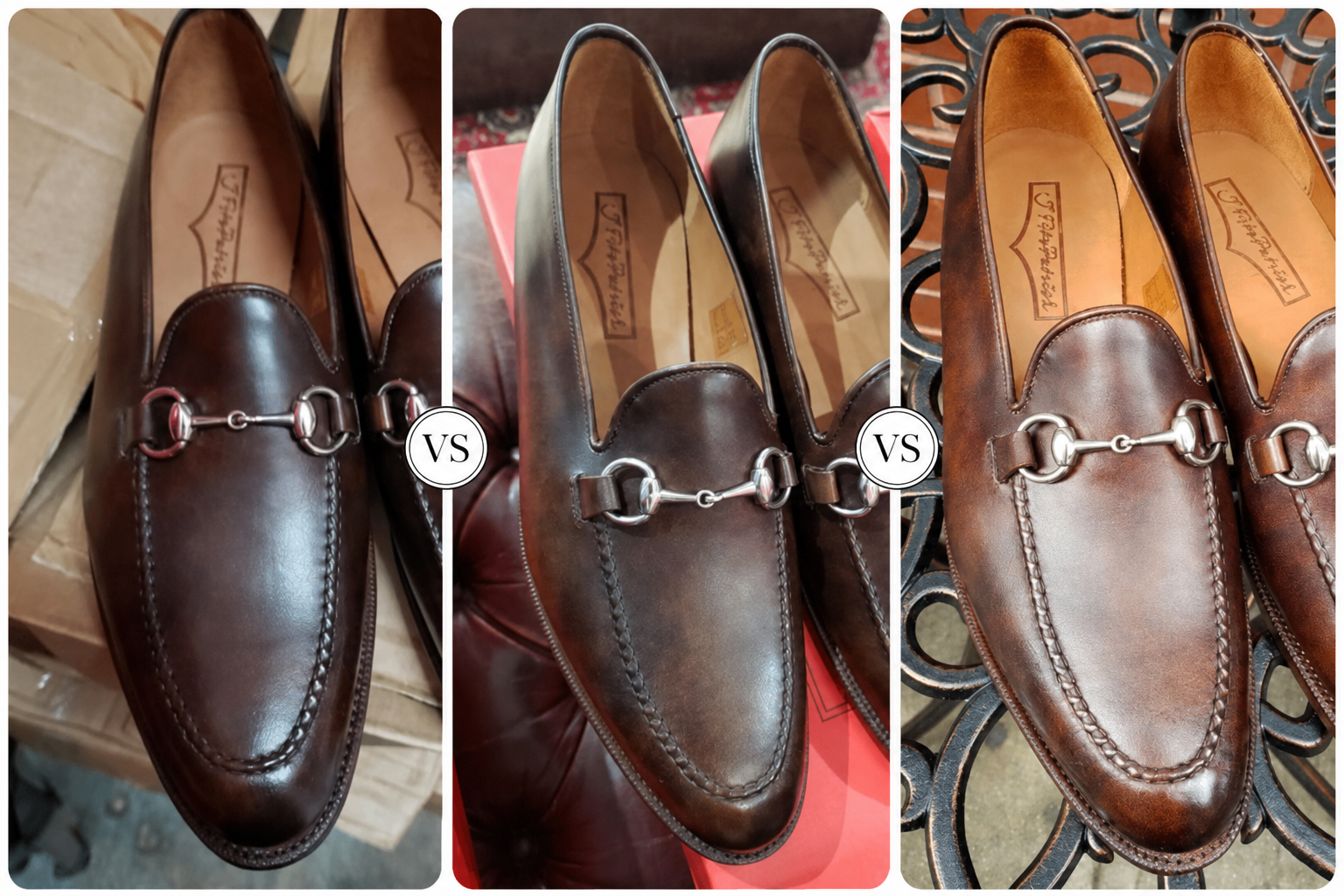
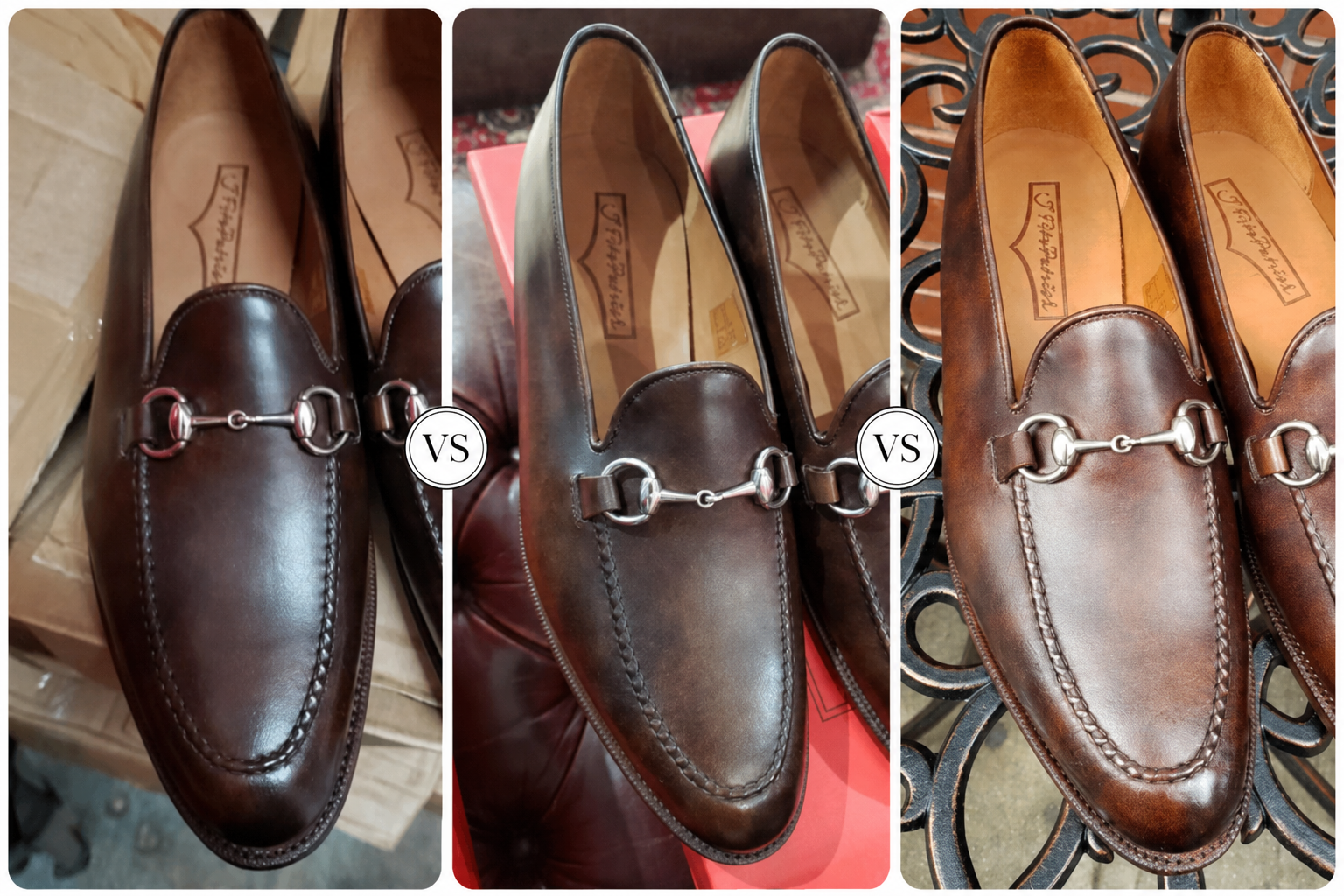
One of the biggest challenges in buying shoes online is understanding shoe colors online vs real life. And this is not just a customer issue. It is also one of the great challenges for brands, retailers, and anyone trying to accurately photograph leather footwear.
In shoe photography, lighting is everything. I would go as far as saying that lighting is 70% of the battle when trying to capture a shoe accurately. If the lighting is off or if the camera settings do not work well with that lighting, it becomes very difficult to show the true color of a shoe. This is especially true with leather, suede, museum calf, crust leather, and any shade that has undertones.
A pair of shoes might look one way in daylight, another way in direct sunlight, completely different under yellow indoor lighting, and different again under bright white studio lighting. And that is before we even get into phone screens, laptop screens, brightness settings, color temperature, filters, and how each person’s device interprets an image.
This is why shoe colors online vs real life can sometimes feel confusing. A brown shoe might appear redder in one photo, darker in another, and almost tan in a third. Burgundy can shift toward purple, red, or brown depending on the light. Navy can look nearly black indoors. Green can appear more muted under yellow lighting. Museum calf can show all of its depth and variation in daylight, but looks much flatter in low indoor light.
And here is the important part: none of those photos are necessarily “wrong.” They are simply showing the shoe under different conditions.
How Lighting Changes Shoe Colors
There are a few common lighting scenarios that affect how shoe colors appear:
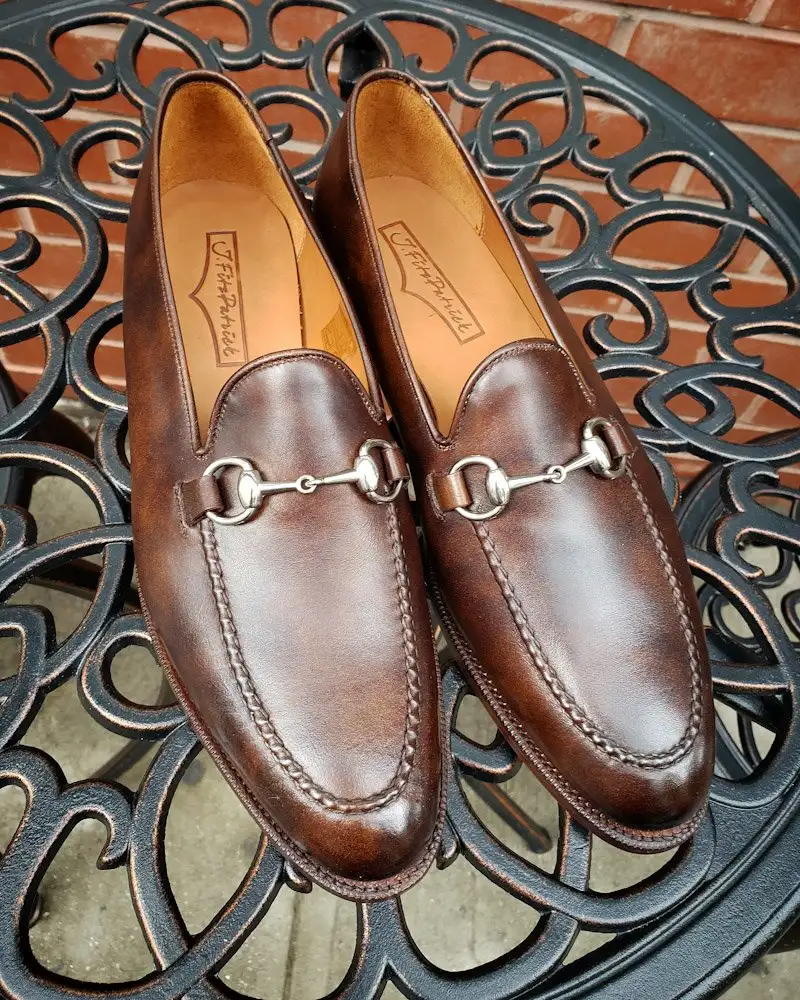
-Daylight, without direct sun, is usually one of the most honest ways to view a shoe. It tends to show the color more naturally without washing it out too much or warming it excessively.
-Direct sunlight can make a shoe appear brighter, warmer, and more vivid. It can bring out undertones that you might not notice indoors, especially in museum calf, patinated leather, and crust-dyed shoes.
-White studio lighting can make a shoe look crisp and clean, but it can also make certain colors look cooler or more saturated than they feel in normal daily wear.
-Yellow indoor lighting often makes shoes look warmer, darker, or more orange/brown. This is where many people get surprised. They open a box at night, under warm household lighting, and suddenly the shoe looks much darker than the product photo they saw online.
-Low lighting makes most shoes look darker. That sounds obvious, but it is one of the biggest reasons people feel disappointed when first opening a box. A shoe photographed beautifully in daylight will not look the same in a dim bedroom at 8 p.m.
-Strong artificial lighting, like what you might see in stores, offices, or hospitals, can also distort the color. It may make the shoe appear sharper and brighter than it does in more natural surroundings.
Leather Is Not Paint
Another important point is that leather is not paint. It is a natural material, and natural materials have variation. One hide to the next will not always be exactly the same shade. Even within the same color name, there can be slight differences from batch to batch.
This is especially true with crust leather, hand-colored shoes, museum calf, suede, and lighter shades of leather. These materials often have more visual depth, which is what makes them beautiful, but that also means they can shift more depending on the light.
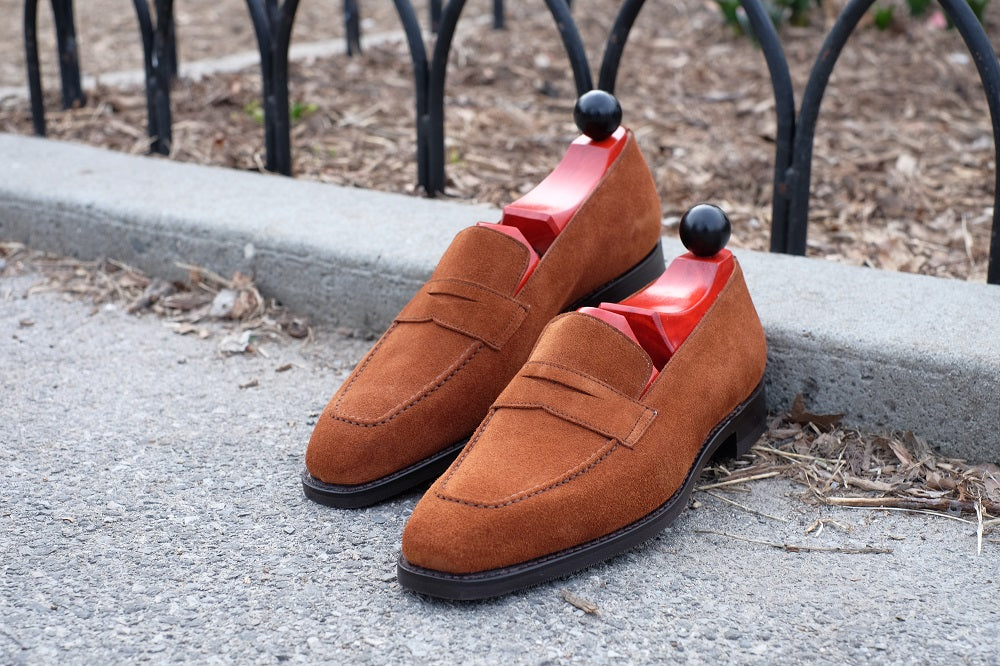
A smooth black calfskin shoe is generally easier to photograph accurately, although even black changes under different lighting. But colors like dark brown suede, snuff suede, burgundy calf, green suede, navy museum calf, gold museum calf, or hand-patinated leathers are far more complex. The very thing that makes them interesting is also what makes them harder to represent perfectly online.
Why Your Shoes May Look Darker When You Open the Box
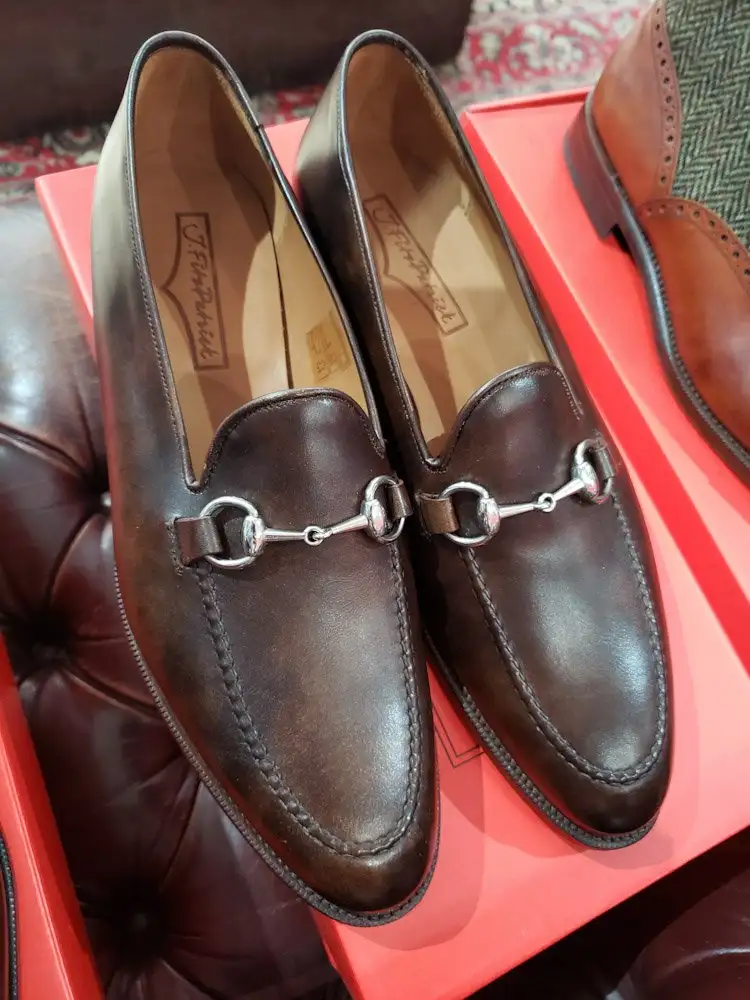
A very common scenario goes like this: you see a beautiful pair of shoes online, photographed in bright daylight or clean studio lighting. The color looks rich, vibrant, and full of life. You order the shoes. They arrive. You open the box at night, inside your house, under yellow or low lighting, and they suddenly look three shades darker.
At first, that can be disappointing. I completely understand that. But before assuming the color is wrong, take them outside the next day. Look at them in natural daylight. Not necessarily direct sunlight, but honest daylight. Then compare that to what you saw online.
In many cases, the color suddenly makes sense.
This is particularly true with suede and museum calf. Suede absorbs light differently from calfskin and often appears darker indoors. Museum calf has layers and movement in the color, which may be highly visible in daylight but more subtle inside. Burgundy, brown, and navy tones are also notorious for shifting depending on their surroundings.
Screens Make It Even Harder
Even if a brand photographs a shoe perfectly, your screen may not show it perfectly. Every phone, tablet, laptop, and desktop monitor displays color differently. Some screens are warmer. Some are cooler. Some are brighter. Some are more saturated. Many phones also automatically adjust brightness and color temperature throughout the day.
This means two people can look at the exact same product photo and see slightly to very different colors. The ‘vibrant’ screen option on iPhone makes everything look overly saturated.
That is why buying shoes online will always involve a little bit of trust and understanding. Brands should do their best to show accurate photos, ideally in more than one lighting situation. Customers should also understand that the same shoe will not look identical in every environment.
The Best Way to Judge Shoe Color Online
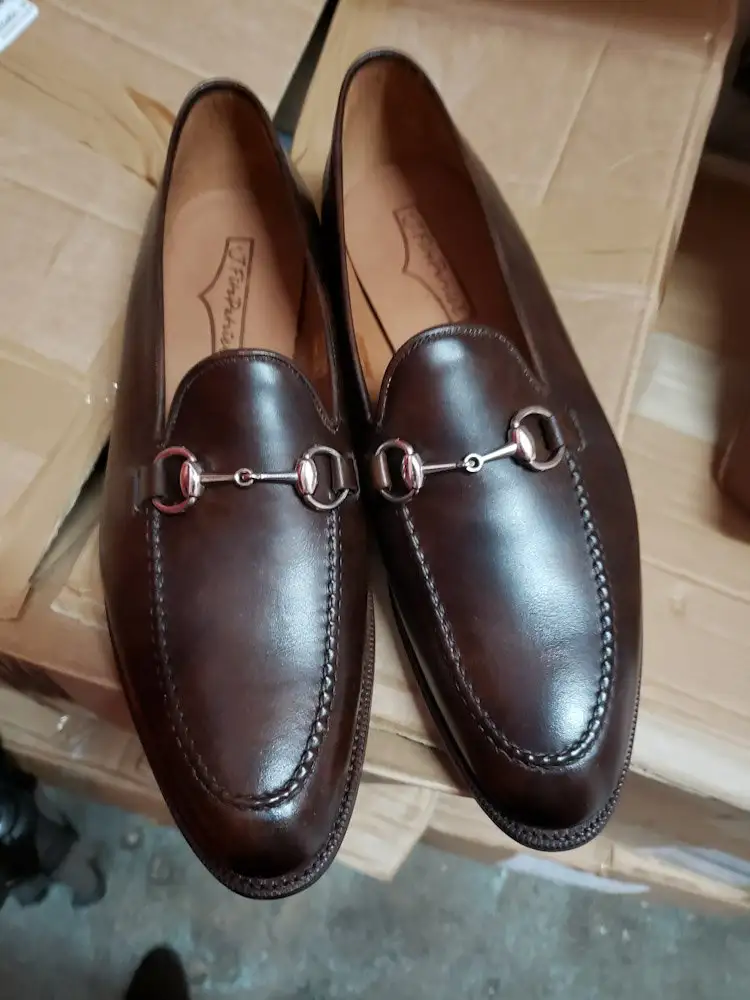
When looking at shoe colors online, do not rely on only one image if multiple images are available. Look at every angle. Pay attention to whether the photo was taken outside, in studio lighting, or indoors. If there are lifestyle photos and white-background photos, compare them. The truth is often somewhere between the two.
It also helps to read the color description carefully. A shoe described as “dark brown suede” may appear lighter in a bright outdoor photo, but that does not mean it is a light brown shoe. Likewise, something described as “burgundy” might look red in sunlight and almost brown indoors.
If the shoe has a unique leather, like museum calf or patina, expect variation. That variation is part of the charm. The more depth and nuance a leather has, the more it will react to light.
A Note for Brands and Retailers
For brands and retailers, this is why photography matters so much. Showing only one perfectly lit hero shot can create unrealistic expectations. It might look amazing, but it does not always tell the full story. This might create disappointed customers.
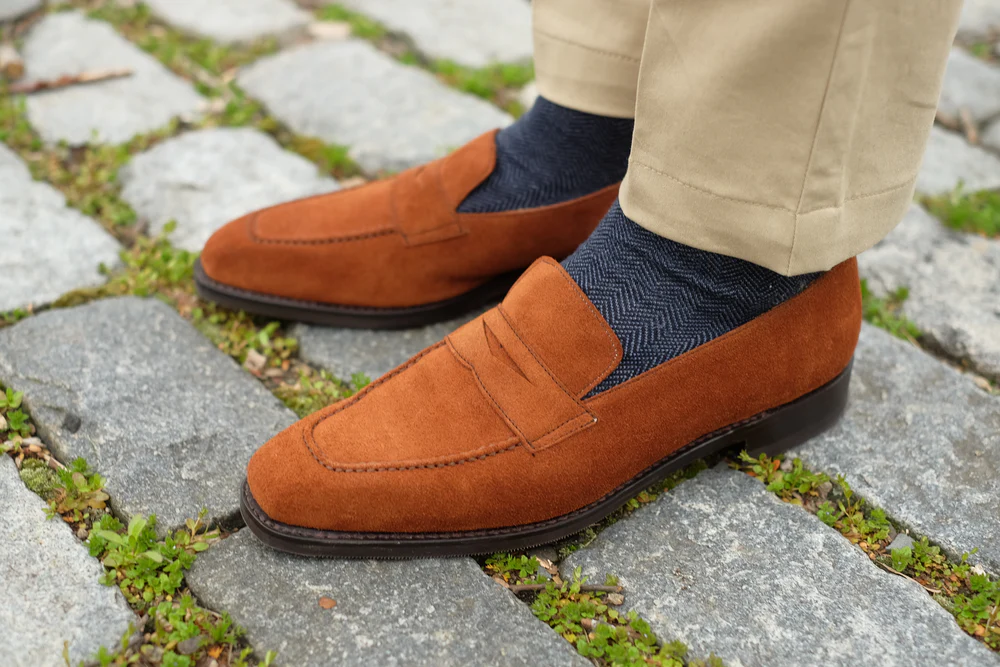
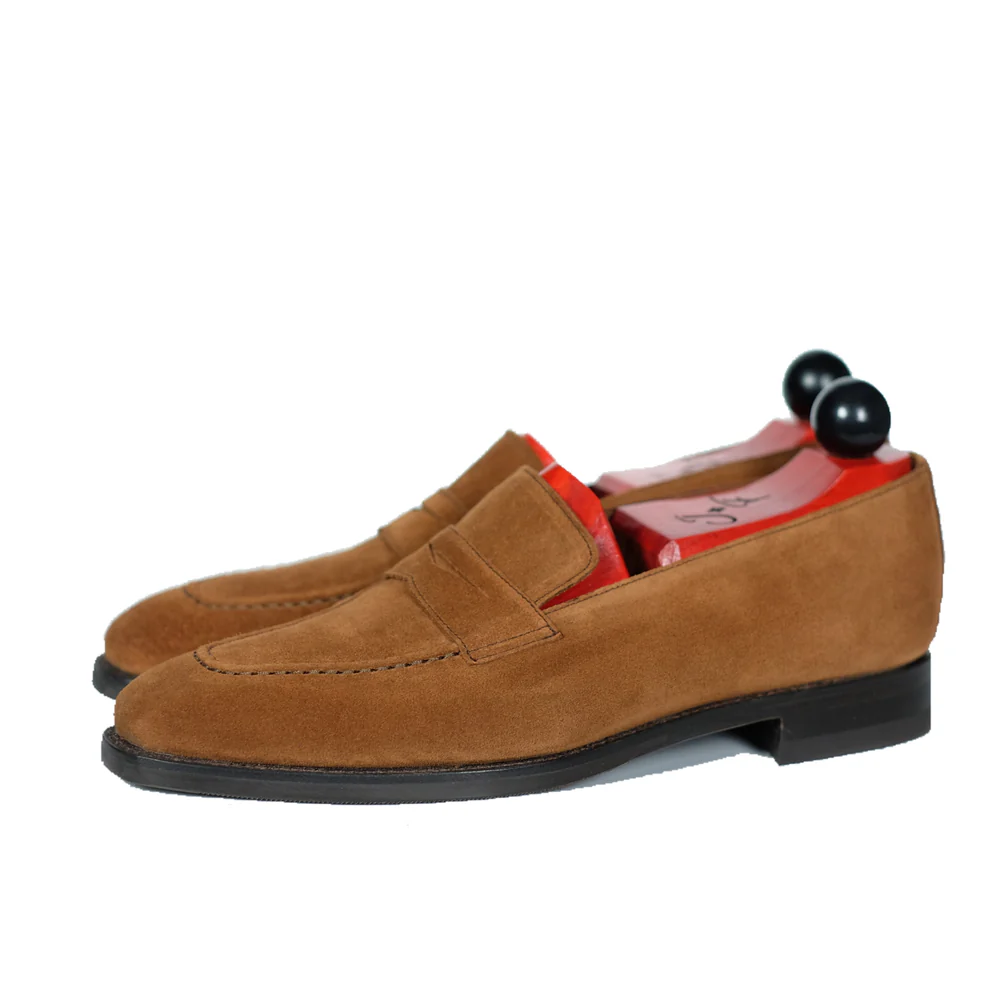
Whenever possible, showing shoes in multiple lighting scenarios is helpful. A clean white-background shot is great for consistency. A daylight photo helps show the natural tone. A close-up can reveal texture and undertones. Lifestyle images can show how the shoe appears in a more realistic setting.
No photo setup will be perfect, but the more context you give, the better the customer can understand what they are buying.

Final Thoughts
Shoe colors online vs real life will never be an exact science. Lighting, leather, photography, and screens all play a role. And because shoes are made from natural materials, some variation should always be expected.
The key is understanding that color is not fixed in one single state. A shoe lives in different environments. It changes in daylight, in shade, indoors, outdoors, under warm lighting, and under bright white lighting. That does not mean the color is wrong. It simply means leather has depth.
So the next time you open a box and feel unsure about the color, take a moment. Look at the shoes in daylight. Look at them in different rooms. Let your eyes adjust. More often than not, you will realize that the color you saw online was not necessarily inaccurate. It was simply one version of how that shoe looks under a particular light.
And that is the reality of buying shoes online.
—Justin FitzPatrick, The Shoe Snob
Shop · Marketplace · Patreon