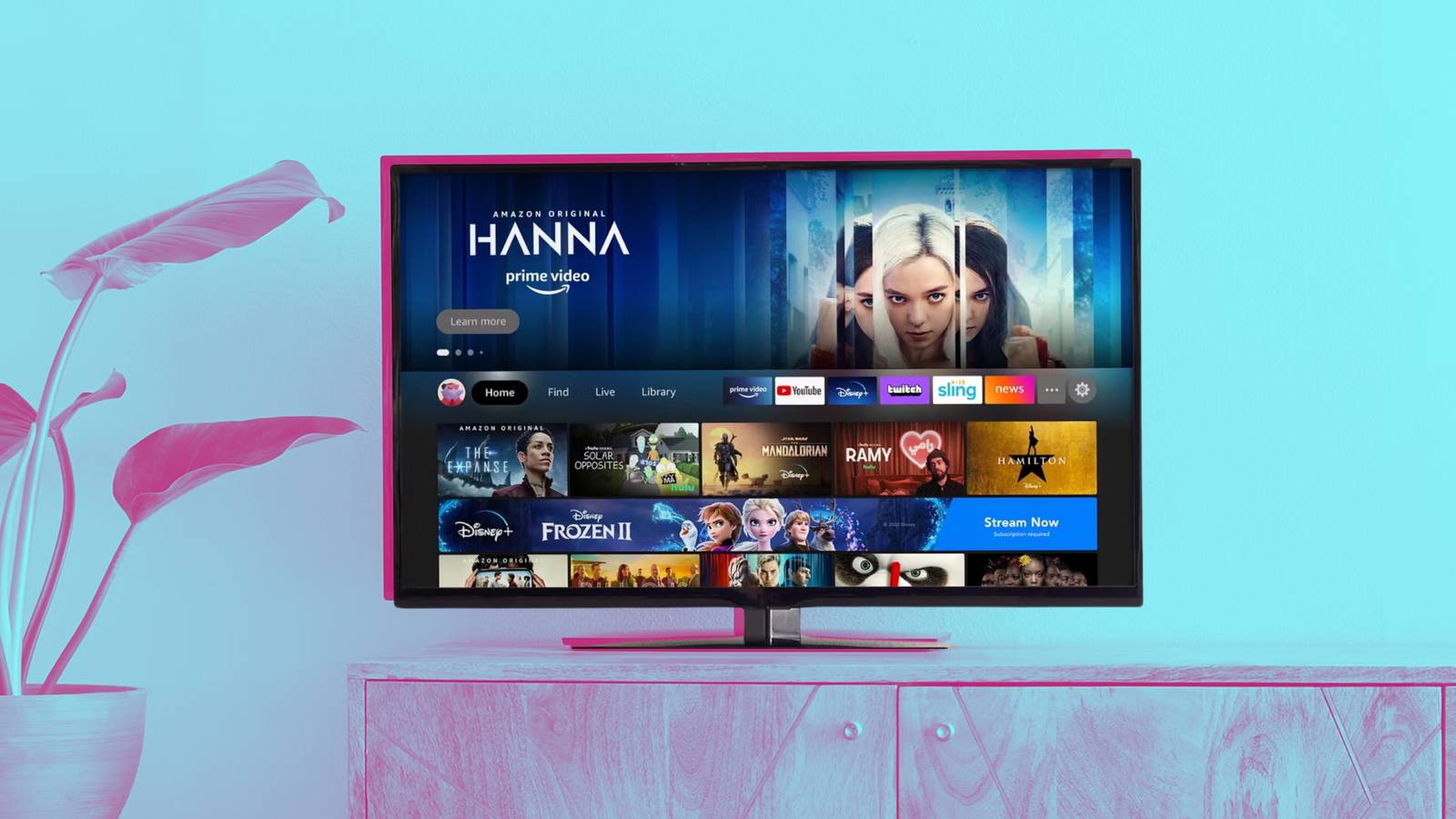
Last month, Amazon announced plans to phase out its existing Prime Video Ad Free subscription offering, with the intent of replacing it with an all-new Prime Video Ultra tier. That time has finally arrived — at least in the United States — with Prime Video Ultra now officially launching in the tech giant’s domestic market as of April 10.
Amazon’s Prime Video Ultra is available in the US for $5 per month (with a Prime or a Prime Video subscription as a prerequisite), which is a $2 hike over the now-defunct $3 per month ad-free plan. To soften the blow, the company is throwing some extra streaming benefits into the mix, including up to five simultaneous streams (up from three), and up to a maximum of one hundred offline downloads (up from twenty-five).
“Delivering ad-free streaming with premium features requires significant investment, and this structure aligns with other major streaming services while ensuring customers have the flexibility to choose how they want to watch,” says Amazon in a blog post.
As part of this Amazon Prime Video refresh, the free, ad-supported tier that comes with a standard Prime membership gains access to Dolby Vision HDR, fifty offline downloads (up from twenty-five), and four concurrent streams (up from three).
On the flip side, 4K UHD streaming is now limited to Prime Video Ultra as part of this reshuffle, having been stripped entirely out of the free, ad-supported base tier of the service. This is an unfortunate development for fans of crispy high-resolution video, who now have to dish out monthly payments to secure access to the feature.

- Simultaneous streams
-
3
- # of profiles
-
6
- Originals
-
Yes
- Live TV
-
Limited (some add-on channels offer live TV)
- Price
-
$8.99 per month by itself or $14.99 per month as a part of Prime
Amazon Prime Video is the commerce giant’s contribution to the streaming world. Featuring movies and TV shows across a variety of genres as well as its own original content, there’s always something to watch.
You win some, you lose some
Price hikes are the name of the game in the streaming scene

Across the board, price creep has infiltrated any and every internet-based streaming service over the past couple of years. Whether we’re talking about Netflix, Disney+, Apple TV, Paramount+, Spotify, or now Prime Video, users are paying more today than they were half a decade ago.
There are several factors at play causing streaming providers to hike prices, ranging from accelerated operating costs and licensing fees, to a desire to boost profitability. Many over-the-top (OTT) streaming services now offer free, ad-supported price tiers, and there’s a growing number of services like Tubi and Pluto TV that specialize in this latter business model.
As has always been the case with internet streaming, you win some and you lose some.
Thankfully, there are also plenty of other ways to enjoy high-quality visual media without the involvement of perpetual subscription fees or advertisements, too, including local, offline Plex and Jellyfin media servers, as well as Blu-ray optical discs, which appear to be making something of a comeback in recent years.
As it stands, I’m happy to see Amazon bring additional concurrent streaming, extra offline downloads, and Dolby Vision HDR to its base Prime Video tier that comes with a Prime membership, but, on the other hand, the loss of 4K UHD video stings in an era where higher-resolution TV panels are finally becoming the living room standard. As has always been the case with internet streaming, you win some and you lose some.