


I love Dolby Atmos. I built my living room surround sound setup to support it, and while there arguably might be some better formats around, Atmos is still one of the best. Well, hold on a minute. Atmos is great, but it really comes down to how you’re listening to it. Atmos has almost become a buzzword, and it really feels that way with Apple Music.
Apple Music users have the ability to listen to Dolby Atmos mixes on their phones, which doesn’t seem possible. Atmos needs proper speaker placement to pull off directional sounds, and that’s just not going to happen on a phone. It’s like listening to a fake audio mix, but if you like it, then you like it. I tried it out a few times on my phone, and then I compared it to my actual Atmos setup — and it was a night and day difference.
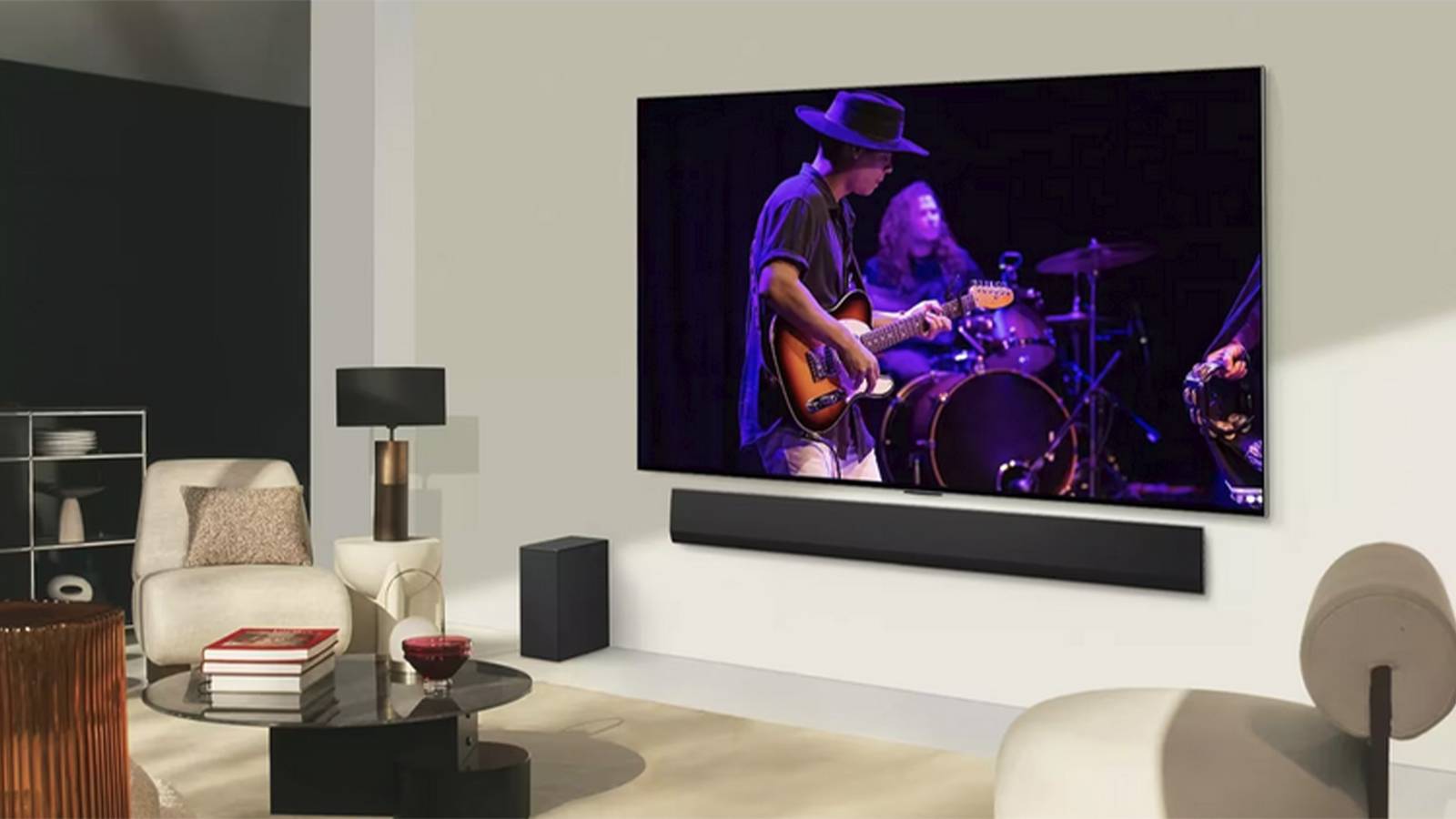
I’m not here to talk about that type of Dolby Atmos setup, however. I wouldn’t really call that a setup. I’m talking about the main ways people get Atmos into their homes, and that’s through speakers and soundbars. A common — and cheap — entryway is through a soundbar with upfiring Atmos speakers. That gets the job done well enough, but I’d also say it’s the worst way to experience Atmos, aside from your phone.

- Connectivity
-
Bluetooth, Apple Airplay
- Ports
-
HDMI, HDMI eARC, Optical Digital Audio, USB, 3.5mm AUX
- Dimensions
-
41.50″ x 4.86″ x 2.68″
- Buttons
-
On/Off, Input, Bluetooth, Vol -, Vol+
- Drivers
-
6.5-inch driver in subwoofer
- Brand
-
TCL
Upfiring speakers leave a lot to be desired
A lot of factors are in play

The way upfiring speakers work is that there is a set of speakers in your soundbar, or placed on top of your front speakers in your surround sound setup, that are angled toward your ceiling. When the Atmos speakers are activated, sound comes out of those speakers with the intention of bouncing off your ceiling and being reflected to your listening area. When it works, it really works. The issue is that there are so many additional factors that go into the experience that hold it back.
For starters, you need to make sure you have the correct ceiling height. According to Dolby, you want somewhere between a 7.5 and 14-foot-tall ceiling. The good news is that many ceilings fall into that already, so that’s one worrying step out of the way. On top of that, you need to make sure your ceiling is made out of something that can reflect sound, like drywall, plaster, or hardwood.
Another thing to note is that your listening area should be under where the sound is being reflected. That might go without saying, but a lot of people don’t have much choice about where their soundbars and couches go. You wouldn’t want the sound to reflect onto the floor in front of your couch if you could help it.
Keep in mind that you don’t have to take any of these factors into consideration, and I would guess that many people don’t. Perhaps that’s why so many people come away less than impressed by what Atmos has to offer. In some ways, I think it’s detrimental for Atmos to be so accessible because it’s really a game-changing audio format if you have the proper setup for it. I do think upfiring Atmos is better than no Atmos at all, but there’s just so much that can go wrong with it versus the other ways, like heights or in-ceiling options.
Affordability and convenience come into play
Can’t beat it

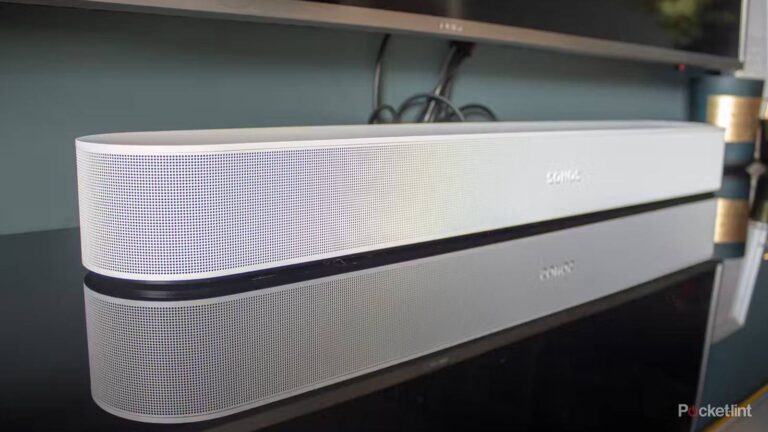
There are a lot of reasons why people settle for upfiring Atmos, and I think the main one is that it’s just easy to do so. Any soundbar worth its salt comes with Atmos capabilities, and if you have a good setup for it, I could easily see how you’d come away being happy with how everything sounds. Soundbars also typically have just a single place to go, and that’s in front of your TV. There’s no need to make measurements and room for speakers with a soundbar. These are often low-profile, and good ones, such as the TCL Q75H, can pack quite a punch.
It’s also a lot easier to walk into a store and walk out with a soundbar versus walking in and coming out with a full surround sound setup. While you don’t have to break the bank building out a Dolby Atmos setup, many people believe that’s the case. If you’re buying everything new, it’s definitely not cheap, and a receiver will make up a huge chunk of that. With the way prices look in 2026, I’m not sure if it’s in anybody’s best interest to build a surround sound system right now. If you’re willing to be patient and hunt for good deals on Facebook Marketplace, eBay, or thrift shops, then you can get some more value. I found an older Yamaha receiver from Goodwill for $15, so there are certainly some deals out there. Keep in mind that you probably won’t find a Dolby Atmos receiver for that price, however.
The most bang for your buck, right now, seems like it’s a soundbar. You don’t have to go out of your way to hunt one down, it’s pretty easy to research what’s good or not, and you can keep the price low if you want to. There are a lot of audiophiles out there, but I would argue there are many more out there who don’t particularly value having the best audio they can get. Sure, most people would agree that good audio is worth it, but I don’t know how many people would be able to tell the difference between upfiring or height speakers, for example.
Another thing to note is that actual Atmos speakers don’t get a lot of action during a movie or TV show. There aren’t many times when you need to hear an overhead sound effect, often just a minute or so during a movie, barring exceptions like Top Gun Maverick. When it happens, it’s a great experience, but then it passes, and you’re back to watching a regular movie. I think it’s well worth those moments, but obviously, I don’t speak for everybody.
What I don’t want people to do is come away with a lackluster experience with their upfiring speakers and think the juice isn’t worth the squeeze. It very much is, and I would ask people who think Atmos isn’t good to go somewhere with a proper setup and see the difference. AMC Theaters have the Dolby Cinema-branded theaters, and those are an excellent example of what Dolby Atmos — and Dolby Vision — can do. Of course, you’re not going to get that type of sound at home, but it should be an eye-opener to what Atmos is truly capable of.