


Over the past month, I’ve had the opportunity to test the Galaxy S26, one of three models in Samsung’s S26 series, which also includes the Galaxy S26+ and Galaxy S26 Ultra. I already had the chance to test the Galaxy S26 Ultra earlier this year, which you can read about here, and overall, my impressions of Samsung’s top-tier flagship were extremely positive. I was also pleasantly surprised by some of the changes Samsung made this year, especially since I wasn’t expecting a major overhaul given how iterative its recent flagship updates have become.
So when I got my hands on the baseline Galaxy S26, I went in with largely the same expectations of expecting small changes. And as someone who has used the Galaxy S25+ pretty regularly over the past year, I’ve been pretty happy with my month-long experience with the Galaxy S26, even despite its smaller screen. It’s by no means a groundbreaking upgrade over the S25, but it continues Samsung’s trend of delivering solid iterative updates for its flagship phones each year. However, there is one key aspect of the Galaxy S26 that I can’t help but feel disappointed by.

- SoC
-
Snapdragon 8 Elite Gen 5
- Display
-
6.3-inch Dynamic AMOLED 2x
- RAM
-
12 GB
There’s a lot to like about the Galaxy S26
Samsung plays it safe, but the result is still a solid phone

For starters, one of my favorite upgrades to the Galaxy S26 this year is the increase in base storage. Like Apple did with the iPhone 17, Samsung has bumped the base model up to 256GB, which is a huge improvement. Having double the storage means there’s a lot more room for apps, files, games, photos, videos, and more.
The tradeoff, unfortunately, is the higher starting price. The Galaxy S26 now starts at $900, up from $800 for last year’s Galaxy S25. Thankfully, that’s less of an issue now that the phone has been out for six months. Discounts are already common, whether you’re buying outright or taking advantage of a carrier promotion. At the time of writing, for example, Amazon has the Galaxy S26 on sale for $780, bringing it back down to around last year’s starting price.
Beyond the extra storage and higher price, the next big change this year is the Galaxy S26’s design. At first glance, it looks almost identical to the S25, but the display has actually grown slightly from 6.2 inches to 6.3 inches. It’s a small change, but one I certainly won’t complain about. In terms of resolution, it’s identical to the S25, with a 2340 x 1080 pixel resolution and a max 120Hz refresh rate.
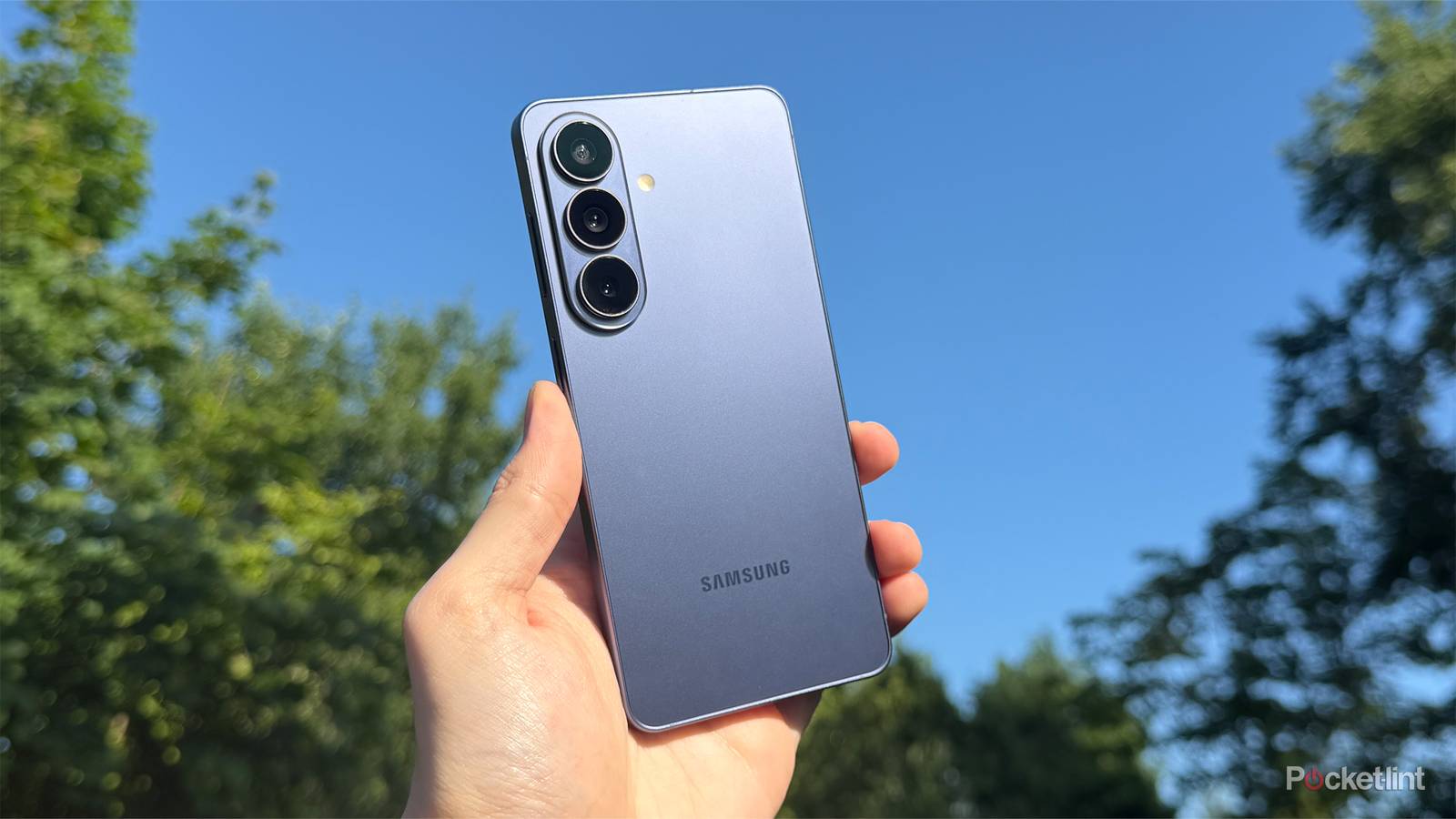
The back of the phone has also been refreshed with a new camera design. Instead of each camera lens sitting independently on the rear panel, they’re now housed in a pill-shaped camera island, a design that’s shared across the Galaxy S26+, Galaxy S26 Ultra, and even the Galaxy Z Fold 7. I’m a big fan of the new look. It feels fresher, stands out a little more, and gives the Galaxy S26 a more distinctive identity compared to phones like the iPhone 17 Pro and Google Pixel 10 Pro. As for the camera lenses themselves, they’re the same as on the S25: a 50-megapixel wide lens, a 10-megapixel telephoto, and a 12-megapixel ultra-wide.
Another change I’ve appreciated on the Galaxy S26 this year is the battery life. The phone packs a 4,300mAh battery, a modest upgrade over the Galaxy S25’s 4,000mAh cell, but it’s made a noticeable difference in my experience. I’ve had no issues getting through a full day on a single charge, and often even longer, with my typical usage, which mostly consists of texting, calling, scrolling through social media, and watching YouTube videos.
Finally, I want to highlight the Galaxy S26’s chipset. Like the rest of the S26 lineup, it’s powered by the Snapdragon 8 Elite Gen 5, and it’s an absolute powerhouse. Throughout my time with the phone, I never ran into any performance issues, whether I was editing photos, playing games, or juggling multiple apps. It’s not a huge difference compared to the Galaxy S25’s Snapdragon 8 Elite, but it certainly helps make an already fast phone feel even more responsive.
The missing piece of the puzzle
Where art thou magnets, Samsung?

I really do like the Galaxy S26. If you’re looking for a compact, reliable Android phone, it checks a lot of boxes. It has a great display, solid battery life, capable cameras, and excellent performance. But there is one omission that continues to bother me, and it’s frustrating that Samsung still hasn’t addressed it: the Galaxy S26 and the entire S26 series lack built-in magnets for Qi2 magnetic charging or magnetic accessories.
When Google announced the Pixel 10 series last year and introduced built-in magnets across the Pixel 10, Pixel 10 Pro, Pixel 10 Pro XL, and Pixel 10 Pro Fold under its new ” Pixelsnap” branding, I thought Samsung would surely follow suit with the Galaxy S26 lineup. Instead, magnets are nowhere to be found. If you want the convenience and reliability of magnetic wireless charging, you’re still forced to buy a case with built-in magnets to get the same experience.
Hopefully, Samsung finally changes that with the Galaxy S27. Apple has offered MagSafe on the iPhone since 2020, and at this point, it’s long overdue for Samsung to bring a similar level of convenience to Galaxy users.
That said, my overall experience with the Galaxy S26 has been very positive. Coming from the Galaxy S25+, I really enjoyed using a smaller phone again, and I think the 6.3-inch display hits the sweet spot for a smartphone.
If you already own a Galaxy S24 or S25, I’d probably hold off and see what the Galaxy S27 brings next year. However, if you’re upgrading from an older phone like the Galaxy S22 or S23, the Galaxy S26 offers enough meaningful improvements to make it worth considering. Just be sure to shop around. Now that the phone has been out for six months, it’s regularly discounted, and I’d recommend waiting for one of those deals rather than paying the full $900 price tag.
- SoC
-
Snapdragon 8 Elite Gen 5
- Display
-
6.3-inch Dynamic AMOLED 2x
- RAM
-
12 GB