


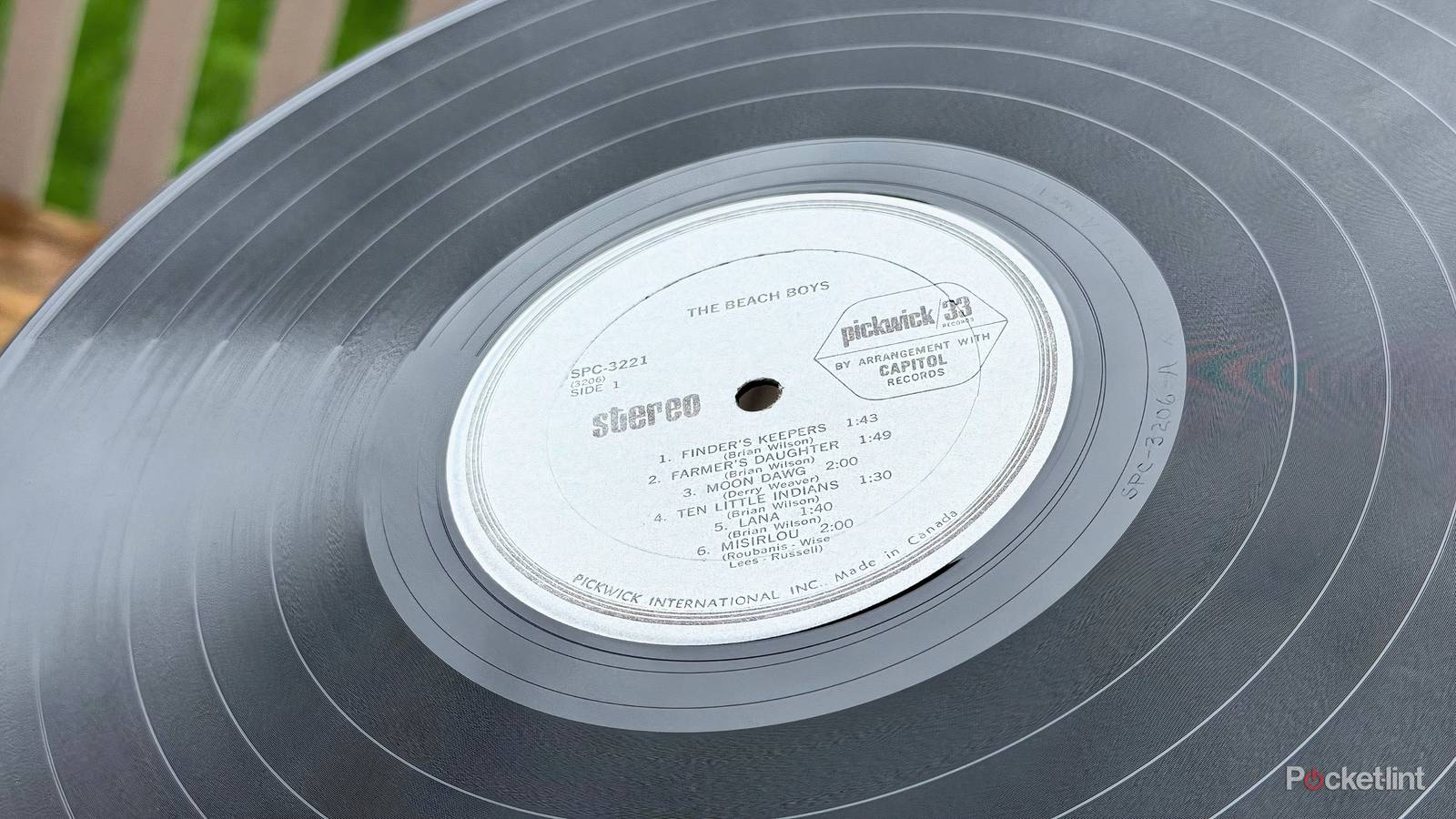
Vinyl records are fashionable again.
No matter where you look, you’ll find interest in the near 80-year-old 12-inch LP (long-playing) record format, with the so-called vinyl revival era now in full swing. Phonographic records are not only charming in a retro-futuristic way, but are also the preferred audio format choice of many thanks to their ‘warm’ analog sound signature.
Vinyl-based records became popular in the late 1940s thanks to the enhanced durability they provide over older shellac-based records, but, even still, they are a relatively fragile form of physical media by today’s digital standards.
A modern-day vinyl record collection requires committing to proper maintenance and storage practices, so as to avoid issues like scratched microgrooves, warped discs, and the unwanted transfer of oils and debris. Here are three ways I personally keep my library of vinyl records in pristine condition, with the hope of preserving them for decades to come.
Maintain a climate-controlled environment
Don’t subject your vinyl records to the elements

First and foremost, it’s paramount to store vinyl records appropriately. A climate-controlled environment is an absolute must — leaving records in a shed or a garage is a surefire way to introduce moisture into the mix, which will wreak all kinds of havoc onto your valuable collection of LPs.
I’d also recommend avoiding the temptation to stack vinyl records on top of one another. Once you’ve stacked a few, the weight starts to add up, and records near the bottom will be subject to warping. Instead, place your records on a bookshelf or make use of a dedicated vinyl record holder.
Incorrect cleaning practices can cause more harm than good

While it’s best to avoid touching the surface of your vinyl records altogether, the fact of the matter is that dust, debris, and oils will naturally transfer onto them over time. To properly clean a record, consider investing in a dedicated carbon fiber brush. This can help remove both dust and static prior to placing your LP onto its spinning platter.
There are also dedicated solutions you can purchase to deep clean your vinyl records, but you can also create an at-home solution using a mix of distilled water and isopropyl (rubbing) alcohol. Be sure to always dilute your rubbing alcohol, and always wipe the record alongside its grooves rather than against the grain.
If nothing else, it’s important not to use tap water, paper towels, window glass cleaner, or any other household chemicals and materials to wipe the surface of your LPs. Harsh chemicals will damage the surface of the vinyl in question, and tap water may leave behind mineral deposits. Rather than paper towel, which is likely to scratch your records, opt for a soft microfiber cloth.
Replace your record needle as needed
Styli wear down over time, which can lead to record damage

Over time, the needle at the tip of your record player’s arm will wear down during normal use. A worn down needle can not only negatively impact sound playback quality, but it can also scratch your records. With this in mind, consider swapping in a new needle cartridge after between 500 and 1,000 playback hours. To keep things simple, you could also get into the habit of an annual or biennial needle replacement.