


Recently I did something I once swore I would never do — I paid for YouTube Premium. Specifically though I paid for YouTube Premium Lite, simply because the vast majority of the content I watch is on YouTube, and I was tired of ads constantly interrupting both my daytime viewing and my sleep playlist. I’d be on the verge of falling asleep after an EUC video, only to be jarred awake by an ad for something I’m never going to buy.
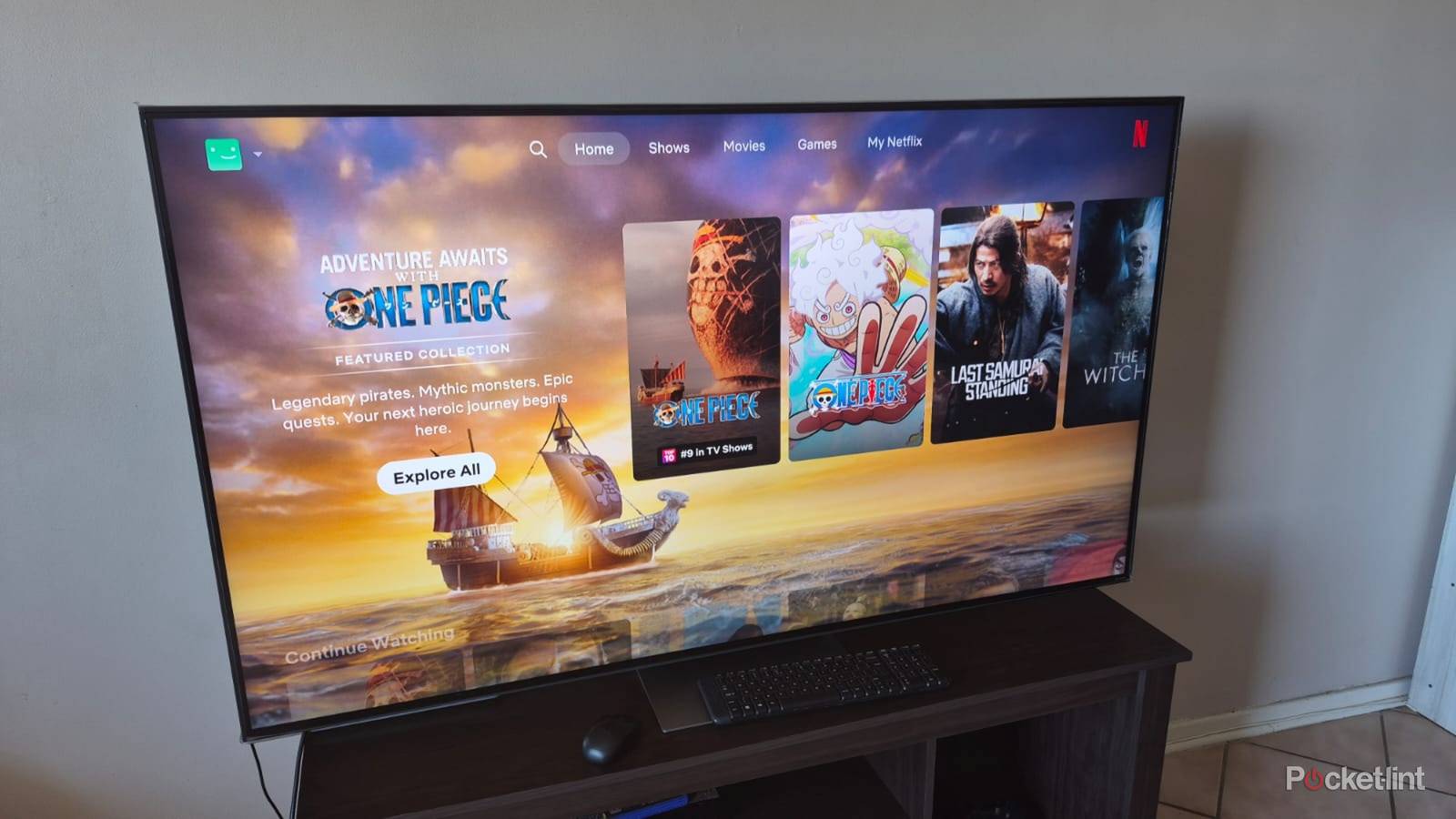
If that was a grudging subscription, I have even less reason to pay for the premium plans offered by services like Netflix, HBO Max, and Disney+. Those typically aren’t worth it in my view, even if you have an excellent home theater system. I’ll explain why.
What do premium streaming plans include?
A brief window-shopping tour

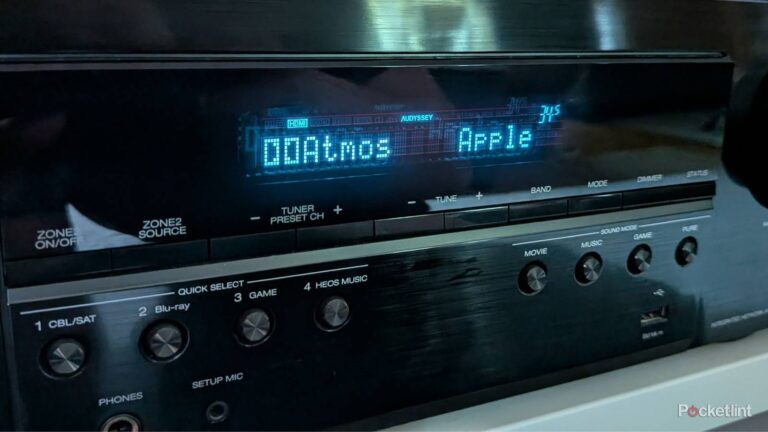
It would take far too long to cover every major premium plan in the US, much less other English-speaking markets, but they tend to share several upgrades in common. The first is higher fidelity. While free or standard plans do offer 1080p resolution, as well as Dolby or DTS audio, 4K is typically locked behind the premium paywall, along with spatial audio formats like Dolby Atmos. If you’re not familiar, spatial audio goes beyond conventional surround formats by positioning individual objects in 3D space. It’s more accurate, and with the right speakers, you can hear effects overhead.
The most important fidelity upgrade is often HDR, since that boosts shadow detail, intensifies highlights, and expands the color range. Handled correctly, HDR makes images “pop,” and can salvage detail in otherwise very dim scenes. Some people complain that Dolby Vision remains too dark, but that’s often fixable in settings, or avoidable by switching to HDR10+.
If you’re currently on a free plan, one very big upgrade is access to offline caching. I like to watch movies and shows when I travel, and needlessly to say, airplane Wi-Fi isn’t always conducive to streaming even when it’s available and you’re willing to pay for it. It can also be a lifesaver in hotels and cruise ships, which too often treat fast internet access as some newfangled luxury. If you’re already on a paid streaming plan, going premium may sometimes expand the number of devices you can cache to.
Lastly, premium plans tend to expand the number of simultaneous streams available. Netflix, for example, normally restricts you to two at a time, but doubles that if you upgrade. In fact, the company lets you add two profiles for people who don’t live with you — which might sound generous, but is really a concession to the public anger over crackdowns on account sharing. If you have any cheaper Netflix plan, a user in another city will at some point find themselves unable to stream anymore.
So why isn’t premium worth the cash?
Your mileage may vary

Even if you own one of the newest TVs, the extra fidelity may not matter as much as you expect. That’s because any decent set will not only upscale 1080p to 4K, but do it so seamlessly that it’s rarely worth nitpicking. Yes, you will get finer detail with native 4K — but since you need a relatively huge screen to be able to discern any difference, complaining about 1080p can be like griping that your filet mignon needs more pepper.
The absence of HDR is a far bigger deal, and services should at least be offering HDR10 to all their customers, since that’s royalty-free and doesn’t consume much data. Presumably the motivation is pure business — while dynamic HDR standards like Dolby Vision and HDR10+ are unquestionably better, they’re not necessarily so much better that customers are going to pay more, and Dolby still wants those licensing checks.
While I prefer HDR, I don’t even find myself missing it in most cases. Filmmakers know they should only push range so far anyway if they want to keep things watchable, and of course most of us grew up in an era before HDR existed. It’s not like people watching The Matrix or Fight Club on DVD thought they were missing something — quite the contrary. Those releases were so impressive that they helped sell DVD as a medium. You can still pick up DVDs in stores, two decades after the launch of Blu-ray.
As for spatial audio, I can do without it. It’s technically impressive, but I don’t even care much about 5.1-channel surround, much less adding ceiling satellites. My primary concerns are volume, clarity, and bass, and if I have those, I’m happy. I suppose it helps that I spent a lot of time watching classic movies for my Film degree. Some of my favorite movies were originally mixed in mono or stereo, and I don’t need much spectacle to sell me if the writing and directing is on point.
For most people, I think, the extra caching and streams included with premium plans don’t even register. Few people are flying cross-country on a regular basis, and I struggle to think of a situation in which both me and my wife would each need to cache on more than one device anyway. You might, conceivably, want four or more live streams if you share a home with a large family or several roommates — but what are the odds that everyone is going to want to watch Netflix at the exact same time, yet separately?
I haven’t even touched on prices yet. While it’s sometimes worth paying a little more to remove ads on a favorite service, premium plans tend to cost over $20 per month, and I wouldn’t be surprised if they hit $30 in the near future. HBO Max Premium, for instance, is $23 per month, or at best $230 if you pay annually. That could well be worth it if you’re a cinephile who insists on Blu-ray levels of quality — but for the rest of us, we could get two separate services for the price of one premium plan, and that math often wins out when companies are hellbent on exclusives. I’d rather watch Dune in 1080p SDR if that means having more content to choose from later.
Is there anything that could spice up premium offerings?
All dressed and nowhere to go

I don’t think streaming providers have left themselves with much runway. They’ve already decided to leave all their movies and shows available regardless of plan, and in the US at least, Netflix includes a variety of mobile games alongside that. Conceivably, companies could try to go the Xbox Game Pass route and include full-fledged PC and console games for premium customers, but that would probably raise prices even higher. Game development can be expensive, sometimes dwarfing blockbuster movies — even an indie PC game can take several years and cost millions of dollars. The budget for Grand Theft Auto VI is rumored to be well over $1 billion. Developers are going to expect serious compensation, and it’s probably not worth it just to add a few thousand more people watching Squid Game in 4K.
Really, at this stage, the best bet may be to keep prices in check as much as possible. Customers are already turning services off and on to make ends meet. Perhaps staying under the $30 mark means fewer spinoff shows, and fewer streaming-only movies that are forgotten a month later.


4.5/5
- Free trial
-
1-month free trial
- Ads
-
Most content ad-free
- Downloads and background play
-
No