

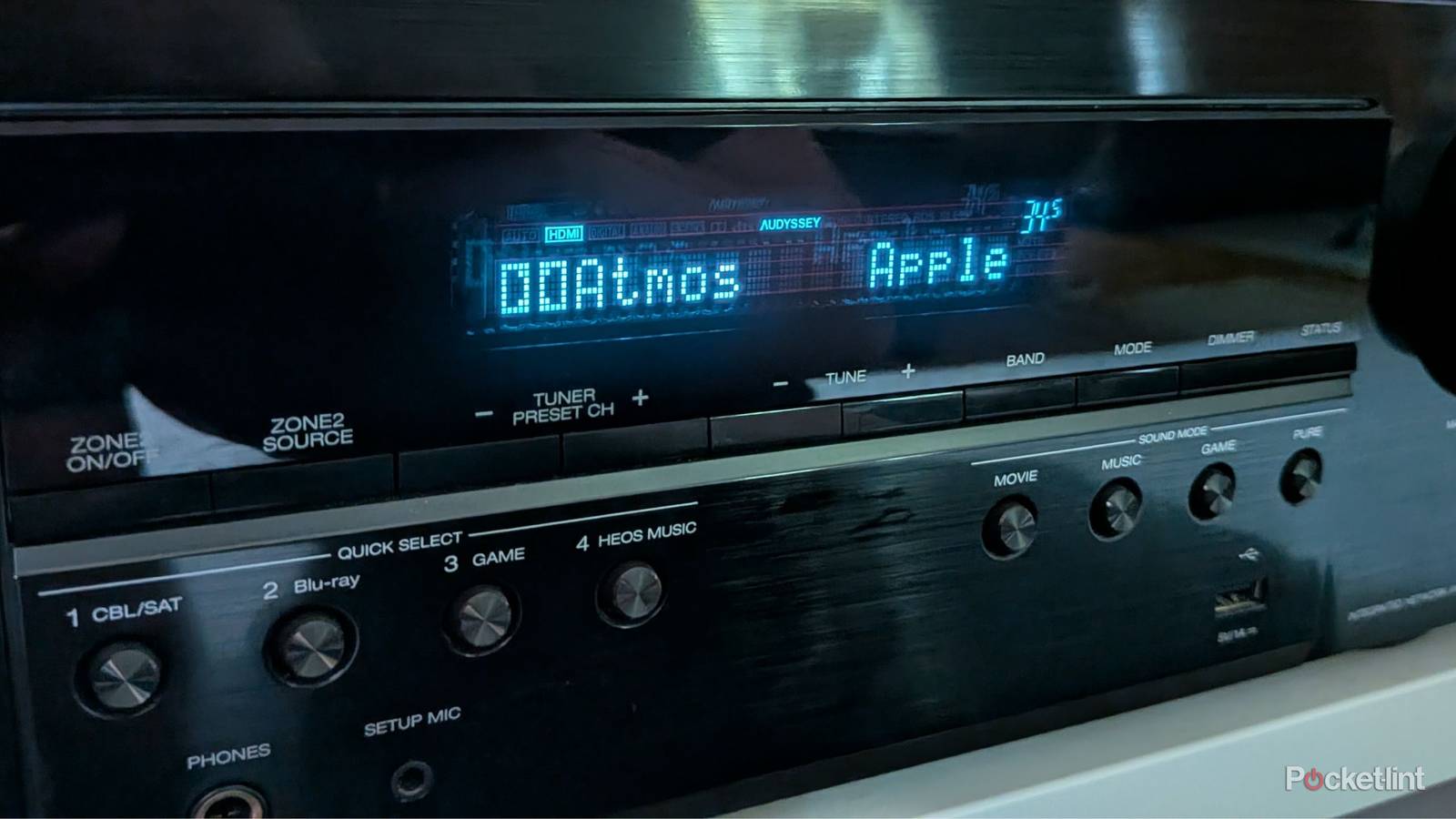
Dolby Atmos is a great audio format, provided you have a proper setup for it. True Dolby Atmos requires a number of things, and the most important thing is speakers. Yes, your soundbar probably says it’s Dolby Atmos capable, but it likely means that in the form of upfiring speakers. That’s a decent compromise, but to really get the most out of Atmos, you need to space out your speakers, including height speakers. How else could you get true directional audio?
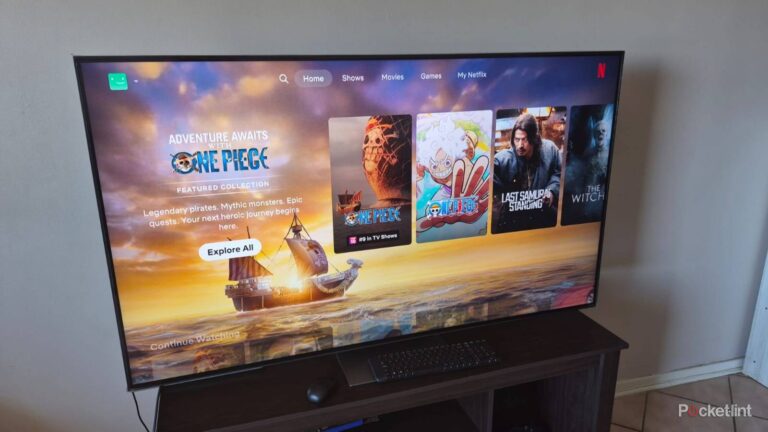
However, the job isn’t done there. Even with a perfect Dolby Atmos setup, you won’t reap the rewards if you’re primarily streaming your shows and movies. Much like an OLED TV isn’t worth it for strictly streaming, Atmos isn’t worth it either. To make matters worse, Atmos is typically locked behind expensive streaming tiers these days, and if you ask me, it’s not worth splurging on. I love Atmos, but I only love it if it’s set up properly. I don’t want to have a heavily compromised experience with Atmos, and that’s what I get a lot with streaming. I understand the value that streaming brings, and I do watch several streaming services, but if I want to flex my sound system, I do it with a 4K Blu-ray disc with an Atmos audio mix.

- Subscription with ads
-
$9
- Premium Subscription
-
$20 or $26 options
- Simultaneous streams
-
2-4
- # of profiles
-
5
- Originals
-
Yes
- Live TV
-
No
Atmos is worth it on discs, not streaming
Too many compromises

Streaming has been great for people who want access to tons of movies and shows at the click of a button, but there have been a lot of cutbacks in making that a reality. Picture and audio quality leaves a lot to be desired on streaming, and while some streamers do better than others, none of them are great. The big issue with streaming services is compression, and there’s really no way to get around that. Since nothing streaming natively runs on your device, it’s always going to be a problem. Compression keeps the data usage down on the service, which makes sense considering how many millions are watching something daily.
If you’re looking for the best quality available, you’re not going to find it on streaming. Streaming is for convenience, while discs are for quality. Anybody who is building a home theater with the intention of adding Dolby Atmos, you need to go the extra mile and build up a physical media collection. Unfortunately, that’s not cheap to do, but if you want no compromises, it’s the road you have to take.
Netflix revealed speeds of 448 kbps up to 768 kbps for Dolby Atmos plans back in 2019, and considering that the company recommends just 15 Mbps speeds to stream in 4K, it’s fair to assume the overall bitrate is somewhere in that ballpark. Meanwhile, a 4K Blu-ray disc doesn’t have limitations like that — and neither does regular Blu-ray. It’s common for a 4K disc to average between 50 and 100 Mbps, so the same compromises don’t have to be made on a disc like they do in streaming. That’s not saying compromises don’t happen, however, as not every movie is printed on a 100 GB disc. You’ll often see 66 GB discs, and it’s a common complaint from enthusiasts who wish studios would splurge for the extra space and a totally uncompromised experience. No matter the disc size, it’s no secret that discs outperform streaming in both audio and visuals.
The biggest difference I notice with audio on streaming services, not just Atmos, is that my subwoofer doesn’t feel like it’s being used properly. Instead of bass that seamlessly blends in with the rest of the audio, it’s just muted. It’s hard to properly explain, but it’s just a night and day difference between uncompressed audio and something I watch on Netflix. Scenes that should have a lot of action don’t feel like they hit right on streaming.
Don’t avoid Atmos, but don’t expect the world
Know what you have

If your main reason for paying for an expensive streaming tier is Atmos, I think you’ll be disappointed. If you want 4K streaming, then it lessens the blow, even though 4K streaming still doesn’t compare to a disc. In reality, streaming just leaves a lot to be desired, but if you temper your expectations, there’s a lot to like. Physical media isn’t cheap, and it feels like it’s actually getting more expensive to pick up new movies. I haven’t grabbed anything full price in a long time, and I find myself waiting for Amazon or Criterion Collection sales more often than not.
With disc prices the way they are, I’ve started to appreciate streaming services more. I know they don’t have the best quality, but I have to take what I can get at this point. The best thing I can say about streaming services is that they do what they set out to do. I’ve never seen a streaming service promise the best quality, and I would be very skeptical of one that promises that. What streaming does is give you access to a ton of things at once, and that’s the main appeal. Subscribe to Netflix because there are things you want to watch. Don’t subscribe expecting great audio or visual quality.