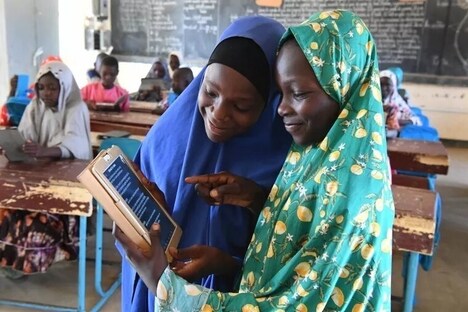
In sub-Saharan Africa, for instance, women’s digital literacy rates lag dramatically behind men’s, with only 40 women possessing spreadsheet skills for every 100 men. Even more concerning is UNICEF’s reports, which indicate 90% of adolescent girls and young women across these regions remain offline, effectively excluding them from educational resources, economic opportunities, and global connectivity.
The economic argument for closing this gap is substantial, with UNESCO projecting a potential €600 billion boost to global GDP by 2027 through increased female participation in technology sectors. Beyond macroeconomic gains, individual success stories like the Afghan Girls’ Robotics Team demonstrate how targeted educational support can empower young women to excel in STEM fields despite systemic challenges. These initiatives not only develop technical competencies but also challenge gender stereotypes.