

Transcript:
In July of 1995, a suffocating heat wave blanketed Chicago.
Longtime resident Rachel Scheu remembers coming home from work.
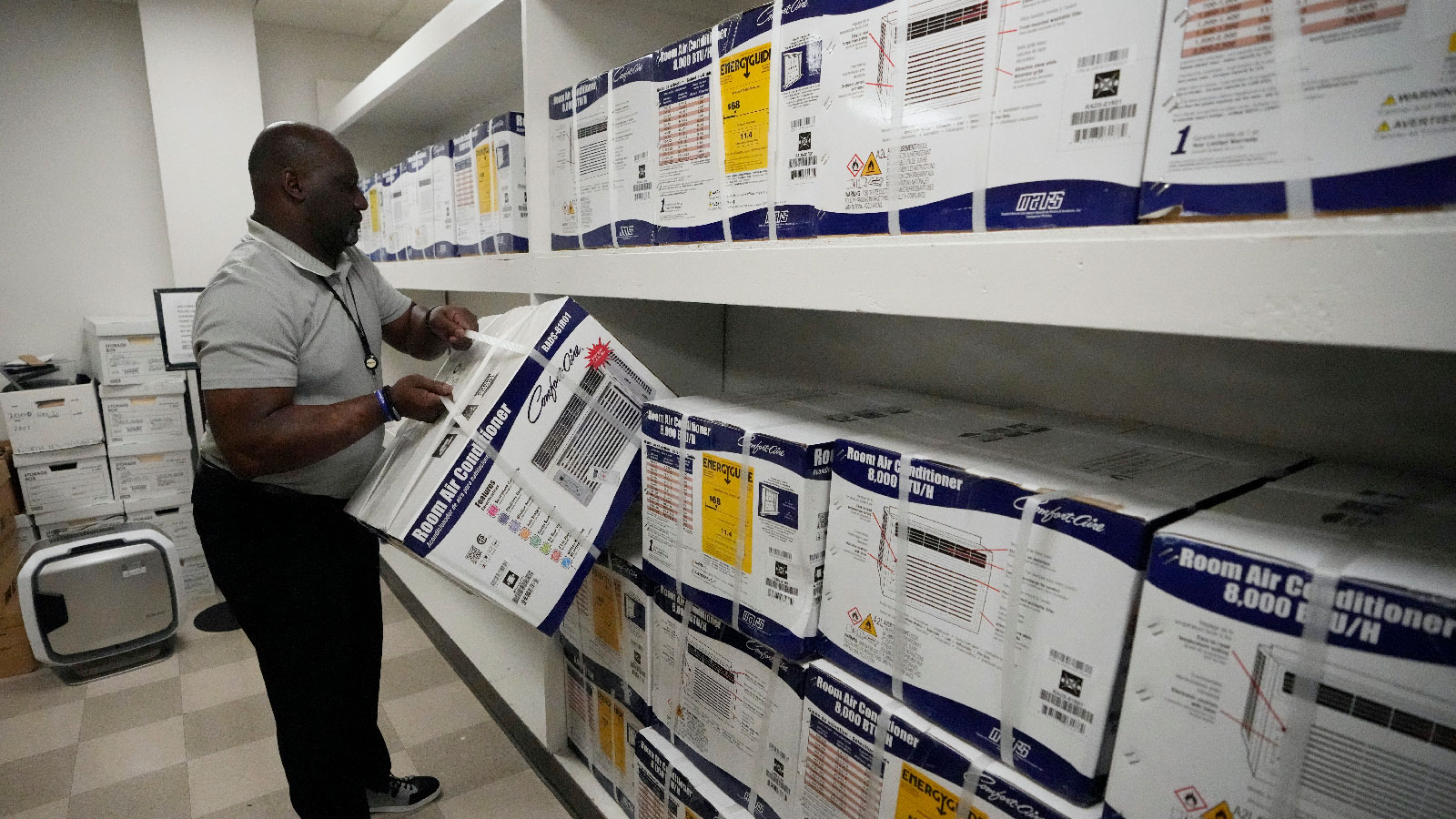
Scheu: “And just laying on the floor of the one room that had the air conditioner.”
It was unpleasant. But she was safe because she had AC at home and a cool office to escape to.
But others were not. More than 700 people died during the disaster, mostly elderly low-income residents.
The event highlighted the disproportionate risks that some people face during extreme heat. And yet today, many of the communities that suffered the most in 1995 remain vulnerable.
Scheu works at the nonprofit Elevate. Her group interviewed residents of North Lawndale – a predominantly Black, lower-income neighborhood.
They found that many people there lack AC or cannot afford to run it enough to stay cool during heat waves.
Scheu: “They’re making choices on a daily basis between food and cooling.”
So she says as climate change causes more extreme heat waves, it’s important that people have air conditioning at home.
Scheu: “Access to affordable energy is essential for human health, safety, and well-being.”
Reporting credit: Sarah Kennedy / ChavoBart Digital Media / thanks to the Midwest Climate Resilience Conference for logistical support.