


Martha Stewart has addressed the backlash over her controversial homeless Halloween costume, admitting that she was distressed by the reaction. She has insisted that offending people was never her intention. However, the incident has put an unexpected dent in the carefully maintained public image of a woman who built an empire around making everyday life look effortlessly elegant.
For decades, Stewart has been America’s go-to authority on cooking, entertaining, and homemaking. Halloween, in particular, has been one of her favorite opportunities to showcase her creativity, making this year’s controversy an especially awkward departure from her usual festive reputation.
Martha Stewart says she is distressed by the Halloween costume backlash
In her statement to The Daily Beast, Martha Stewart began by highlighting her longstanding relationship with Halloween. She explained how she had spent decades sharing festive recipes, craft ideas, and entertaining tips with audiences. She then directly addressed the criticism.
“I am distressed that my Halloween costume yesterday, which was intended to bring more awareness to the very serious subject of homelessness, has offended people, which was never my intention,” she said.
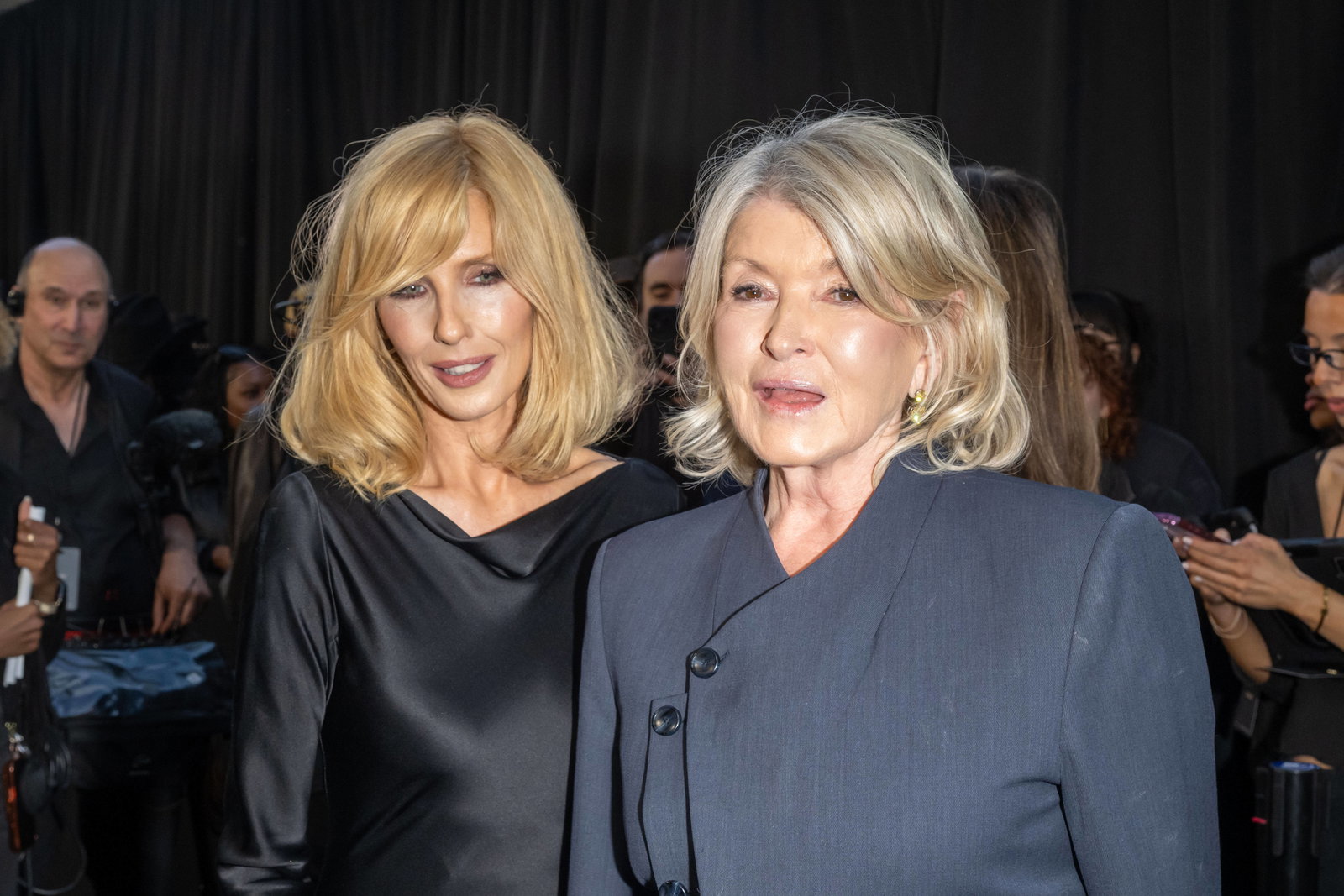
Paramount+ s Dutton Ranch New York Premiere, New York, USA – 12 May 2026 (L-R) Kelly Reilly and Martha Stewart attend Paramount+ s Dutton Ranch New York Premiere at AMC Lincoln Square 13 on May 12, 2026 in New York City. New York United States Copyright: xRonxAdarx xSOPAxImagesx _radar_dutton_20260512_01646
She also emphasized that homelessness remains one of America’s greatest ongoing crises and said she had invested considerable time and effort in supporting charities that address the issue. Stewart concluded by reaffirming her commitment to making a difference.
The controversy began after Stewart shared a photograph of herself wearing distressed clothing, makeup resembling dirt, and holding a sign reading, “I AM HUNGRY HELP ME!” The image appeared in an Instagram carousel alongside photographs of candles she sells through QVC, accompanied by the caption, “My QVC candles are perfect for Halloween!!!” The juxtaposition was inevitably designed for the criticism it attracted.
Hollywood has a history of elaborate transformations that have sparked conversations about cultural sensitivity, religious representation, and racial stereotypes.
Heidi Klum and Colton Haynes also faced Halloween costume backlash
Heidi Klum, famous for turning Halloween into an annual spectacle with elaborate prosthetics and transformations, faced criticism in 2008 for dressing as the Hindu goddess Kali. Her interpretation featured blue body paint, multiple arms, and a belt resembling human heads and hands.
However, religious and community leaders objected to the portrayal, arguing that a revered Hindu deity should not be reduced to a frightening party costume. As Vogue reported, prominent Hindu voices called for an apology, highlighting the difference between theatrical inspiration and religious representation.
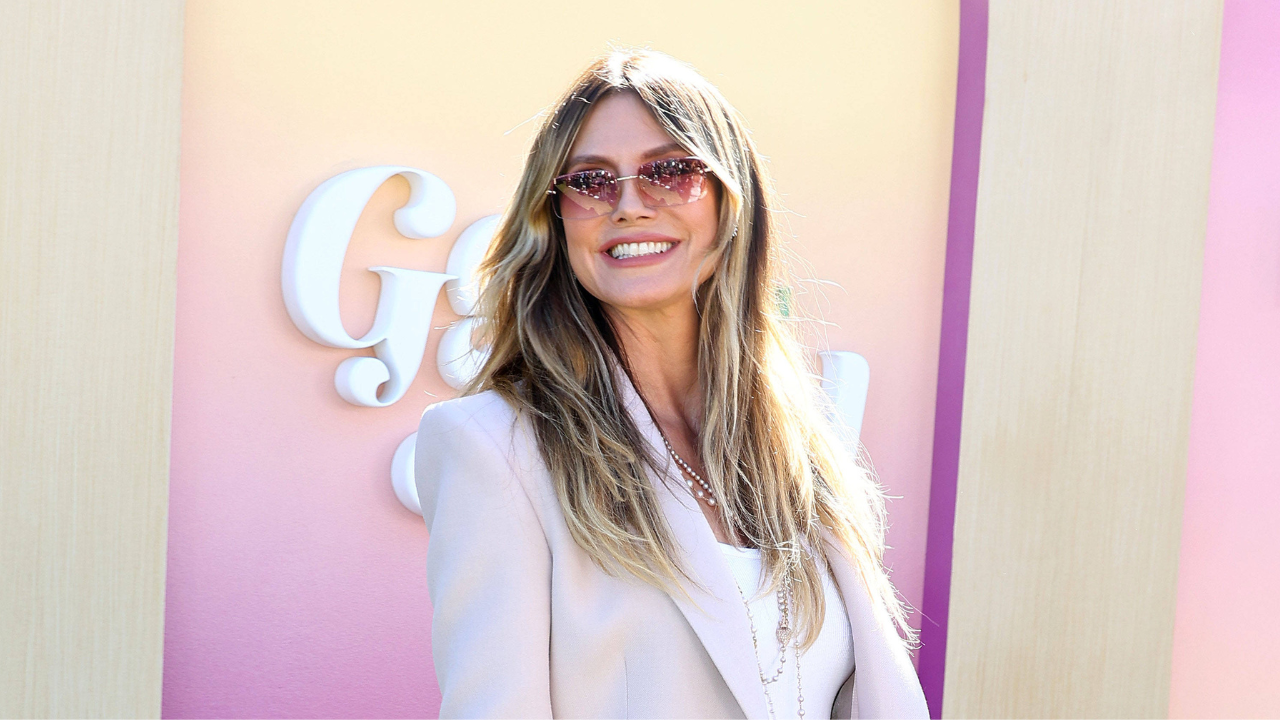
Credits: IMAGO / Image Press Agency
Heidi Klum
Actor Colton Haynes also faced criticism after dressing as Kanye West for Halloween in 2011. His recreation involved blackface, a practice rooted in racist minstrel-show traditions that caricatured Black people. Haynes later apologized for his past costume choices, acknowledging that he had not understood the offense they caused.
These incidents demonstrate how celebrity Halloween transformations can quickly move beyond costume creativity and invite scrutiny over the cultural messages they communicate. Stewart’s response may explain her intentions, but the reaction shows how easily a carefully curated public image can become part of a much larger conversation.
What do you think about Martha Stewart’s explanation? Share your thoughts in the comments.


