


Transcript:
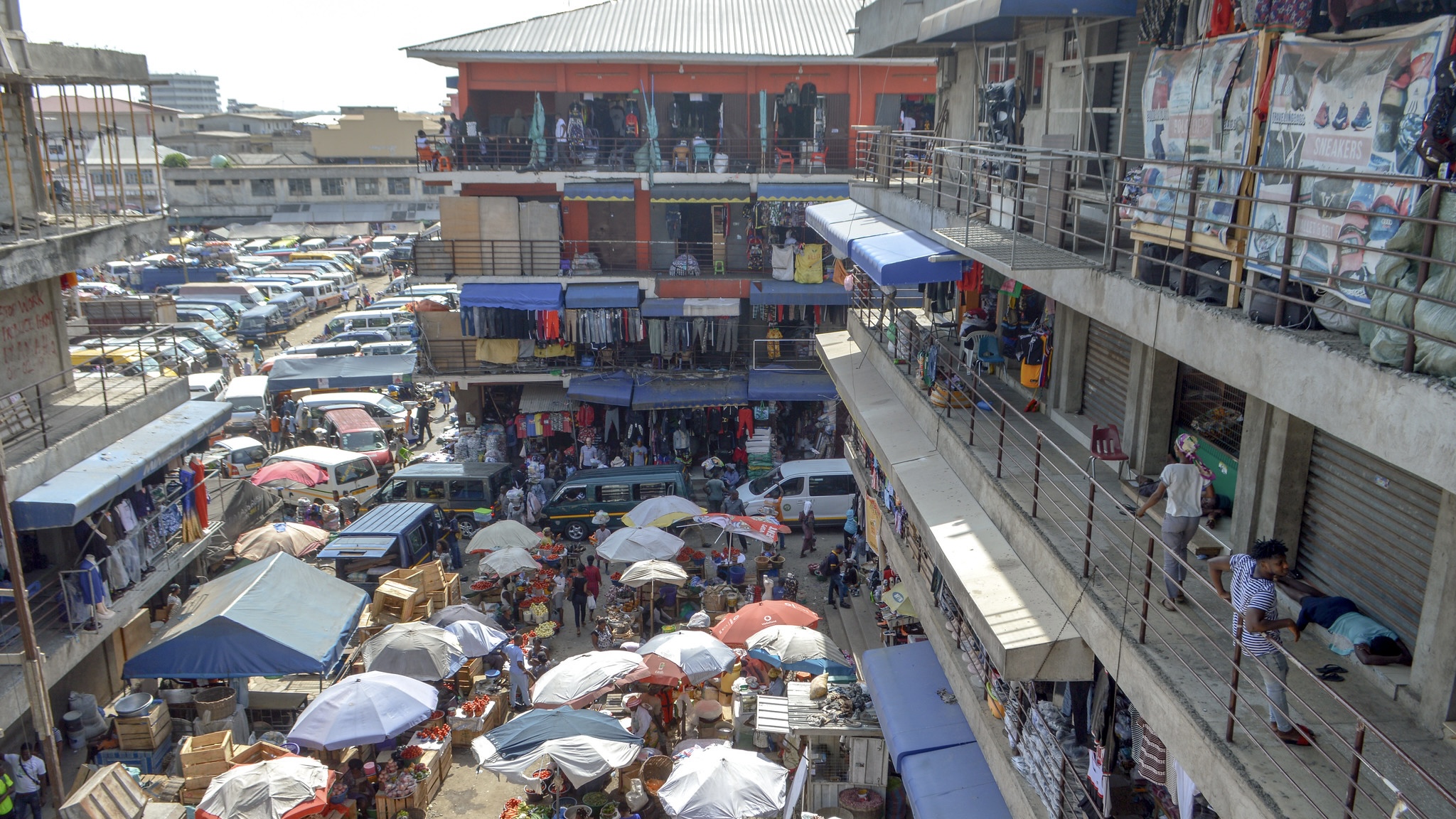
When you toss an old T-shirt into a donation bin, it may end up at Kantamanto Market in Ghana.
Each week, millions of secondhand items arrive there from around the world.
Agbofah: “Traders buy these clothes in tightly-packed bales without knowing exactly what is inside, hoping that there will be enough items that will be good to sell.”
Yayra Agbofah grew up shopping at the market and has worked there as a seller. He says much of what comes to Kantamanto ends up as waste.
Some is sent to landfills. Some washes into waterways. And some is burned, which emits pollution that harms the climate and people’s health.
So Agbofah founded The Revival, a nonprofit that turns discarded garments into usable products.
The group trains young women who work as porters at the market to repair clothes or transform textile waste into other goods such as backpacks or rugs.
Agbofah says these creative solutions help reduce textile pollution and empower new entrepreneurs.
But solving the problem on a larger scale will require bigger changes to the fashion industry and people’s buying habits.
Agbofah: “The future of fashion cannot be about producing more. It has to be about using what we already have.”
Reporting credit: Sarah Kennedy / ChavoBart Digital Media