


Veteran actress Illeana Douglas details the backstage drama of the 1939 film The Women from MGM and how the studio capitalized it to sell tickets. Long before modern tabloids turned celebrity gossip into everyday clickbait, Golden Age Hollywood knew exactly how to use backstage drama to sell movie tickets. When MGM released The Women in 1939, the film made history for its all-female cast – yet behind the scenes, studio executives were busy playing up real-life tensions among screen legends like Joan Crawford, Norma Shearer, and Rosalind Russell.
Now, actress and writer Illeana Douglas is taking a fresh look back at that era, exploring how the studio system helped popularize the “cat fight” trope.
Inside the off-screen rivalries of MGM’s The Women
When MGM released George Cukor’s adaptation of Clare Boothe Luce’s The Women in 1939, the production made headlines for an unprecedented creative choice: an exclusively female cast that extended even to the animals on screen. Yet, in her book Jungle Red!, actress, writer, and director Illeana Douglas looks past the novelty of the all-female ensemble to examine how the Golden Age studio machine deliberately turned its leading ladies against one another for box-office profit, per The New York Times.
“In all the publicity and in the press, they had people coming to the set, like, ‘This is going to be the world’s best catfight.’ So from the very beginning, they set it up,” Douglas revealed.
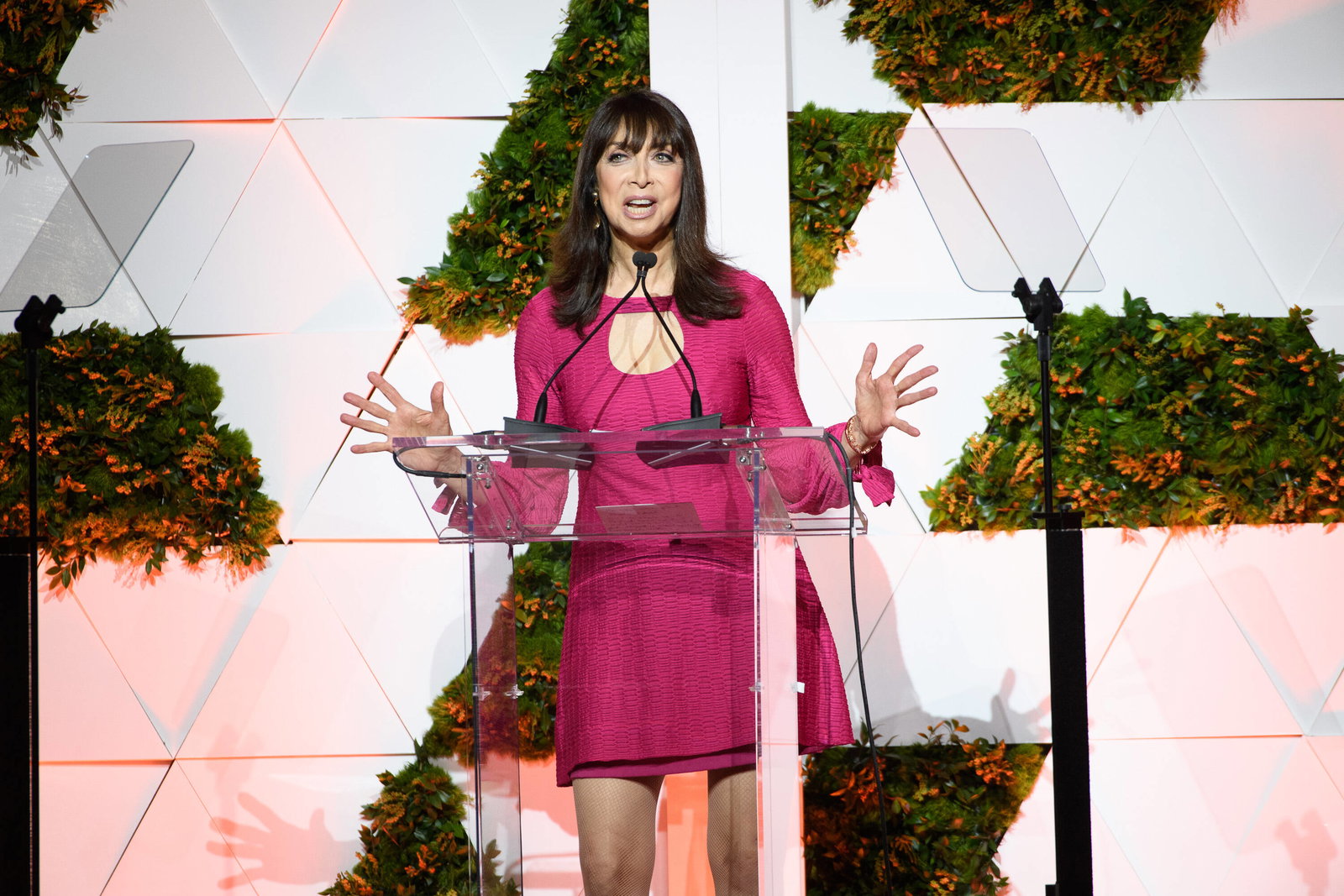
Rather than letting the performances of Norma Shearer, Joan Crawford, Rosalind Russell, and Joan Fontaine speak for themselves, MGM’s publicity department actively stoked behind-the-scenes friction, turning backstage tension into a central marketing hook. The studio went so far as to caricature its stars as predators and prey in the opening title sequence, casting Crawford as a prowling leopard and Russell as a snarling black cat, helping popularize the trope of the Hollywood “cat fight” as public entertainment.
Douglas’s analysis traces a direct line from 1930s studio gossip to modern-day media narratives surrounding female ambition and the #MeToo movement (via The New York Times). By packaging legitimate professional friction and creative drive as petty, sensationalized feuds, the entertainment industry established a long-standing habit of trivializing women’s workplace dynamics.
Long before the term “nepo baby” entered the pop-culture lexicon, Illeana Douglas was navigating a family tree deeply rooted in Hollywood history.
Illeana Douglas’ long enduring Hollywood legacy
Illeana Douglas’ grandfather, the sophisticated screen veteran Melvyn Douglas, left an indelible mark on cinema. He starred alongside Greta Garbo in Ernst Lubitsch’s Ninotchka and Robert Redford in The Candidate, before capturing two Supporting Actor Academy Awards later in life for Hud and Being There. Rather than coasting on her pedigree, however, Douglas carved out a distinct identity as one of the 1990s and 2000s’ most reliable character actors.
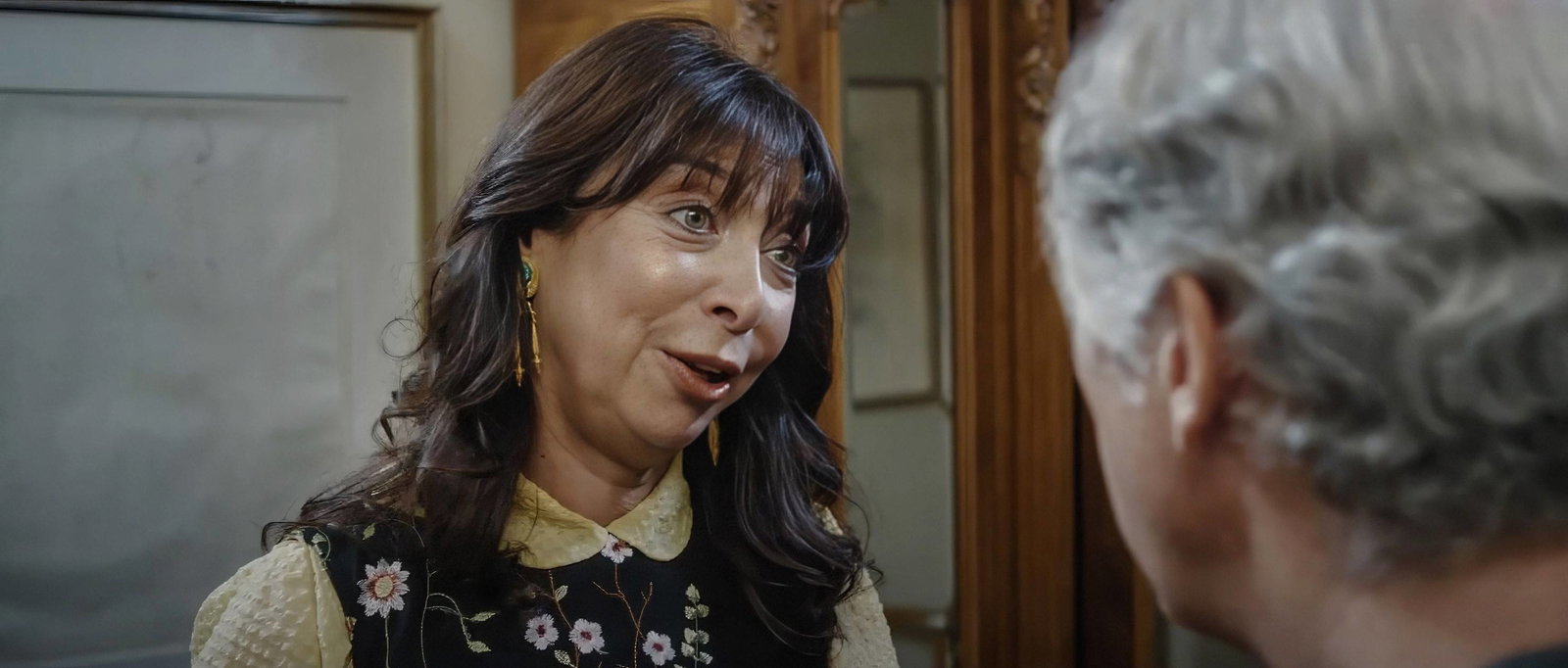
She delivered standout performances in acclaimed features ranging from Martin Scorsese’s Goodfellas and Cape Fear to To Die For, Grace of My Heart, and Ghost World. Her versatility translated seamlessly to television as well, earning praise for appearances on Six Feet Under, Law & Order: SVU, and a memorable late-series arc playing Garry Shandling’s girlfriend on The Larry Sanders Show, alongside her work championing women in cinema as a host for Turner Classic Movies.
What do you think about the move by MGM that, to this day, shapes how women in Hollywood are talked about? Do let us know.


