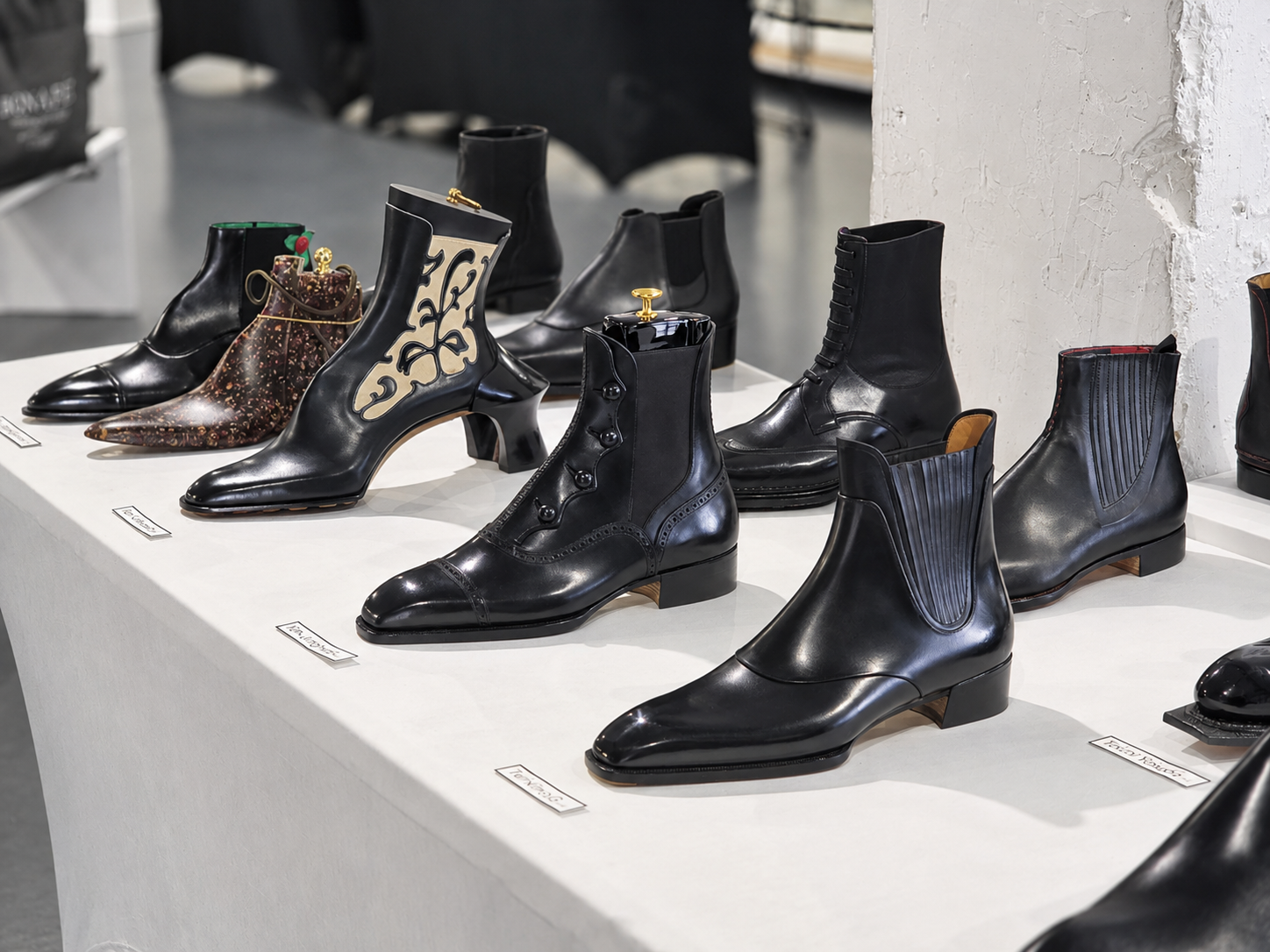
It is finally time to take a closer look at the shoes from the World Championships of Shoemaking 2026, held during the London Super Trunk Show this past May.
As always, this is one of my favorite parts of the event. One of the great privileges of being involved in the competition is getting to see the shoes before almost anyone else, usually while we are unpacking them ahead of the show. That moment never gets old. You know what the brief is, but you never quite know how each shoemaker is going to interpret it until the boxes are opened. And every year, somehow, the level gets higher, and the ideas become more ambitious.
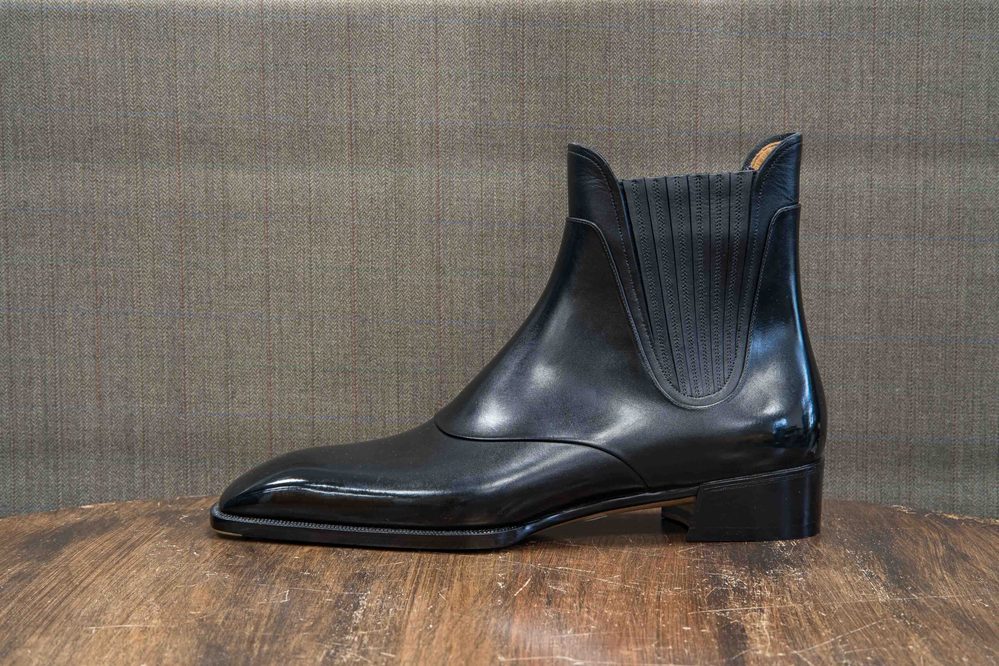
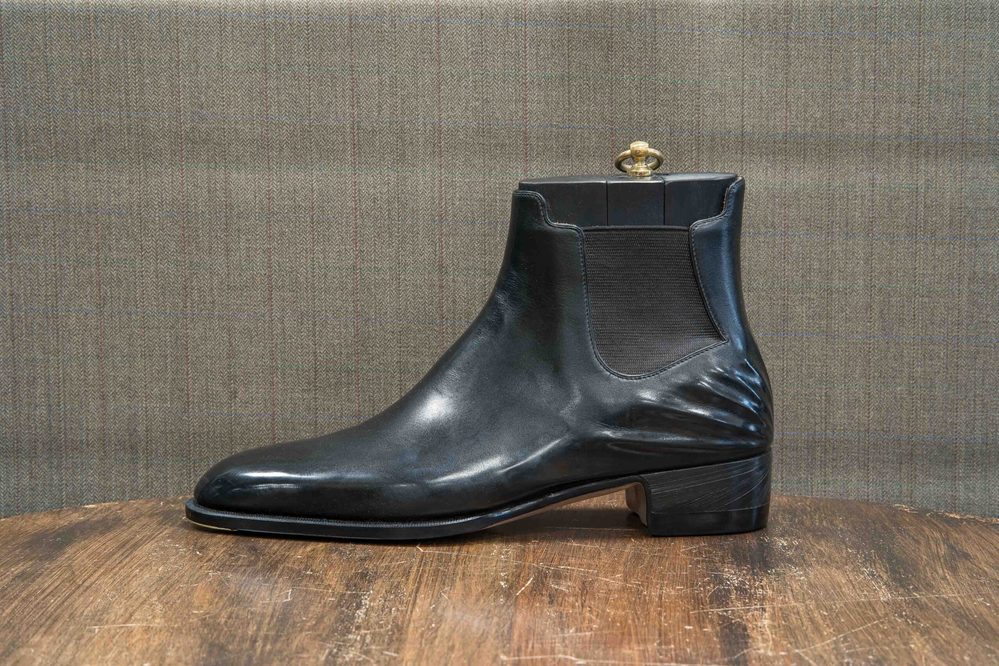
For 2026, that brief was a black Chelsea boot.
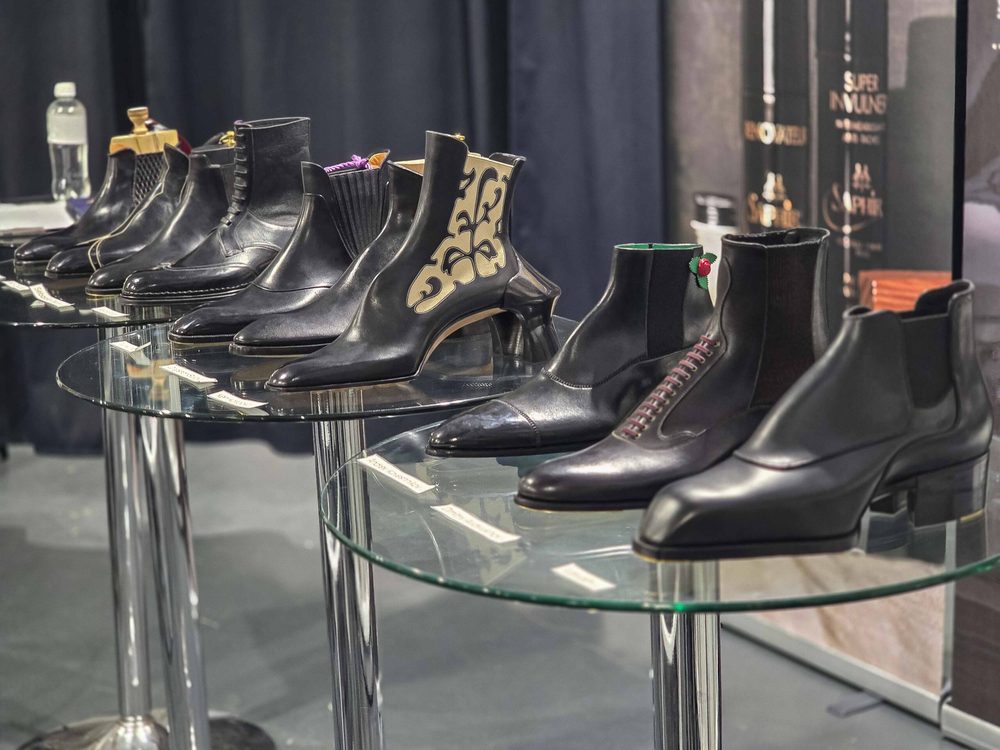
We had 20 entries in total, and because there is simply too much to show in one post without turning your browser into a small novel, I am splitting the coverage into two parts. Here we will look at the Top 10, including the three podium finishers. Positions 11–20 will follow in Part 2, to come tomorrow.
This was the seventh edition of the World Championships of Shoemaking, organized by Shoegazing, The Shoe Snob, and Kirby Allison.
Kirby Allison once again helped fund the competition alongside the Master Shoemakers book project and Parker Schenecker, brother of our late friend and competition co-founder Edmund Schenecker.
The prize money remains significant:
1st place – £3,000
2nd place – £2,000
3rd place – £1,000
The podium finishers also received handmade awls by Phil Norsworthy, together with the gold, silver and bronze medals.
The three winning boots are now going on their usual world tour, where they will be displayed alongside a winning shoe from the World Championships of Shoe Patina. The tour includes stops in Europe, the United States and Asia, including our upcoming Chicago Super Trunk Show in November.
| Week | Date | Store | City, country |
| w 36-37 | Aug 31-Sep 13 | Skomaker Dagestad | Oslo, Norway |
| w 39-40 | Sep. 21-Oct- 4 | Old House Provisions | Washington D.C., USA |
| w 42-43 | Oct. 12-25 | Kirby Allison | Dallas, USA |
| w 45 | Nov. 6-7 | Chicago Super Trunk Show | Chicago, USA |
| w 46-47 | Nov. 10-22 | Dashing Chicago | Chicago, USA |
| w 49-50 | Nov 30-Dec 13 | Isetan Men’s Tokyo | Tokyo, Japan |
| w 1-2 | Jan 4-17 | Bridlen Gallery | Chennai, India |
| w 4-5 | Jan 25-Feb 7 | Unipair | Seoul, South Korea |
| w 7-8 | Feb 15-28 | Decorum | Bangkok, Thailand |
| w 9 | Mar. 6 | Singapore Super Trunk Show | Singapore |
| w 10-11 | Mar 8-21 | CNES International | Singapore |
| w 12-13 | Mar 30-Apr 11 | The Hand | Amsterdam, Netherlands |
The 2026 Brief
A Chelsea boot might sound restrictive, particularly because the elastic gussets naturally dictate a certain amount of the design, but we intentionally left other areas relatively open.
And the contestants certainly made use of that freedom.
We saw everything from relatively traditional, elegant Chelsea boots to full-on exhibition pieces with sculptural heels, complicated upper work, unusual sole treatments, and techniques that most shoemakers would probably never have a reason to attempt on a normal commission. It was actually quite impressive the variety of different styles we had.
The basic requirements included:
- An ankle-high Chelsea boot with elastic gussets on both sides.
- Between one and four pieces of leather for the upper.
- A left boot in UK8 or corresponding size.
- Smooth black box calf or aniline-dyed leather without patina.
- Leather sole.
- Hand-welted construction and hand-sewn sole stitching.
- A welt extending at least 270°.
- A defined waist.
- Black sole and heel edges with a natural-colored sole bottom.
- A fully finished interior.
- No branding.
There were penalties for deviations from the specifications, ranging from a 5% deduction for smaller infringements to 10% for larger ones, with the possibility of disqualification if an entry ignored the brief entirely.
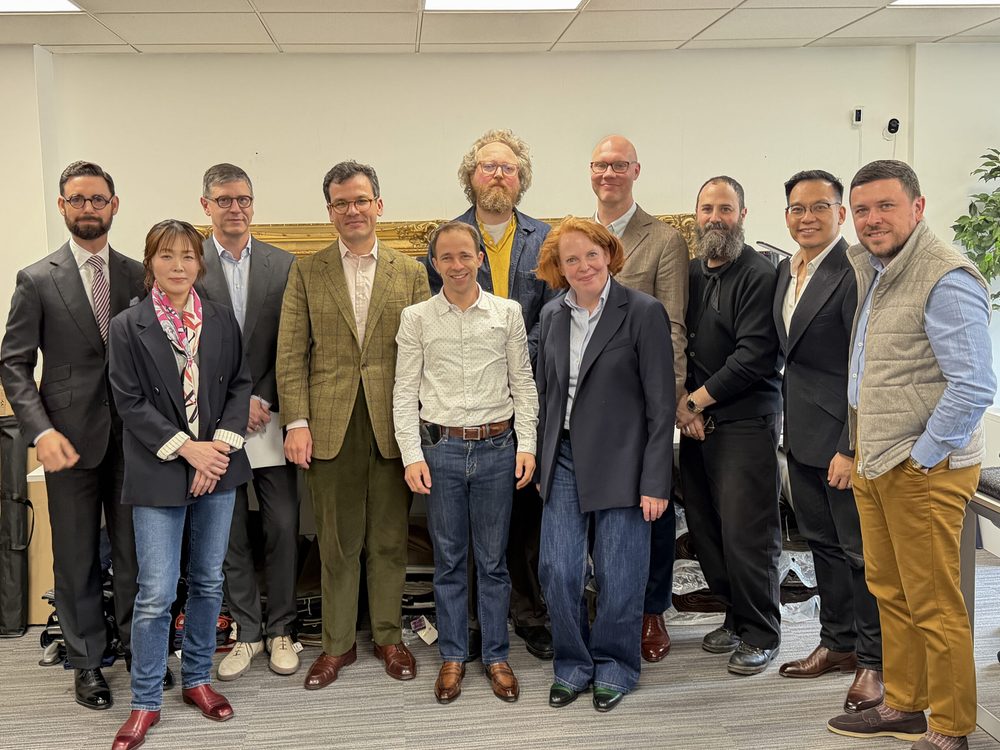
The day before the event, the shoes were reviewed anonymously by the jury, which consisted of:
Jean-Michel Casalonga, bespoke shoemaker
William Laborde, bespoke shoemaker
Emiko Matsuda, bespoke shoemaker
Sebastian Tarek, bespoke shoemaker
Vivian Saskia Wittmer, bespoke shoemaker
Athanase Sephocle, bespoke shoemaker at Berluti
Daniel Wegan, bespoke shoemaker
Kirby Allison, sponsor and founder of the Kirby Allison store
Gary Tok, sponsor and author of Master Shoemakers
Jesper Ingevaldsson, Shoegazing
Justin FitzPatrick, The Shoe Snob
A New Judging Category
We also made one important change to the judging this year.
For the first time, Originality became its own scoring category. This was something we felt increasingly necessary. When a competition has been running for several years, inevitably certain techniques, ideas, and design details from previous winning shoes start appearing again. We continued to see that and wanted to prevent further duplication from happening, or at least not grade as highly for what we felt was a lack of originality.
There is nothing inherently wrong with inspiration, but we also want this competition to push shoemaking forward rather than become an exercise in recreating what scored well previously.
The four categories were therefore:
Degree of Difficulty – 10 points
How complicated and technically challenging the construction and details were.
Execution – 10 points
How precisely and cleanly everything was actually made.
Design / Aesthetics – 5 points
The overall proportions, balance and visual appeal of the boot.
Originality – 5 points
How distinctive the ideas, construction methods and details were compared with previous competition entries and footwear more broadly.
Here you can view the whole award ceremony in London, as well as listen to last year’s World Champion Louis Lampertsdörfer’s thoughts about the top shoes, and more:
With all of that out of the way, here are the Top 10.
- Ken Kataoka
- Twinkima.G
- Dmitry Avdyukhov
- Sébastien Decaix
- Andrey Kaveshnikov / Moscow Shoemaker
- Qingshan Studio
- Attila Kovacs
- Reid Elrod
- Reo Okuda
- Larush
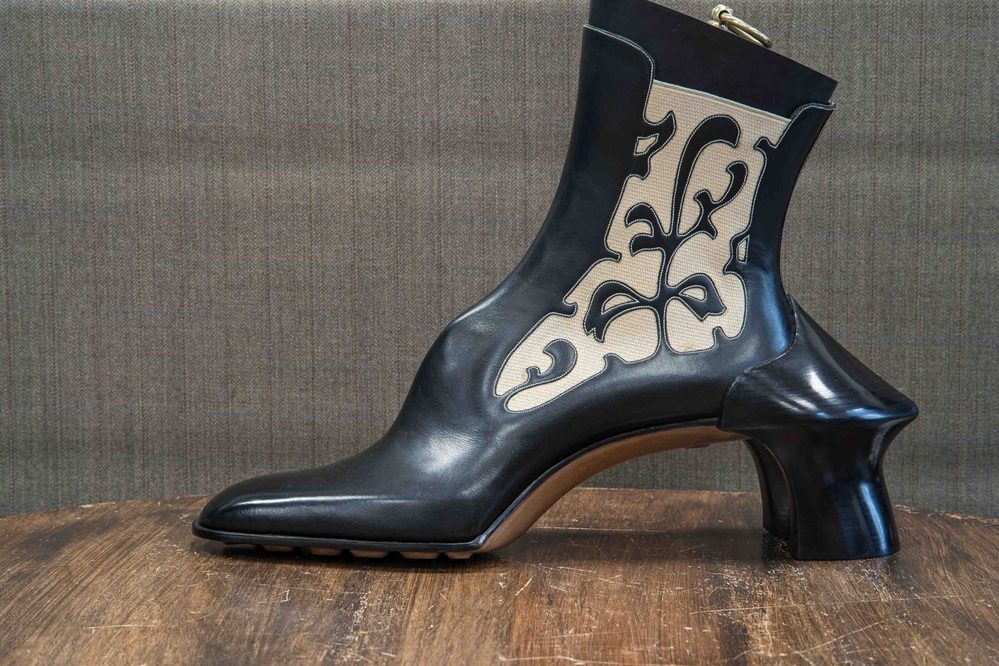
1st Place – Ken Kataoka
Third time’s a charm for Ken Kataoka.
Ken had already finished second in this competition twice, in 2022 and again in 2025, both times with some seriously impressive work. His previous entries had a very distinctive vintage character and particularly elaborate heel construction.
This year, he took that concept another step further and finally claimed the title of World Champion of Shoemaking.
And this is most definitely a showpiece.
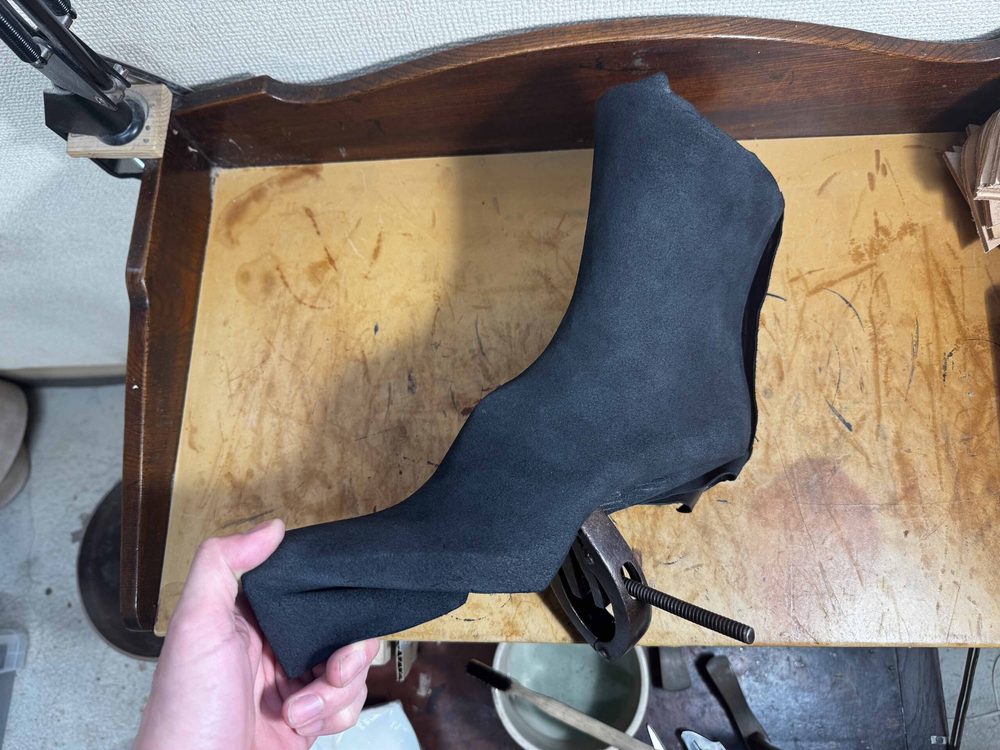
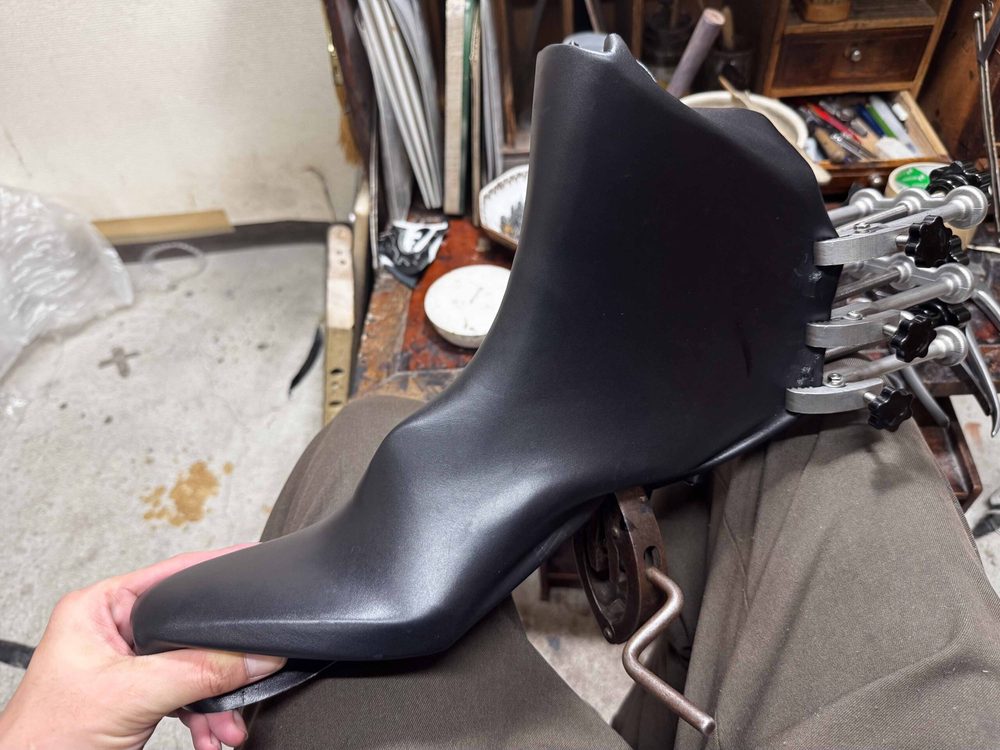
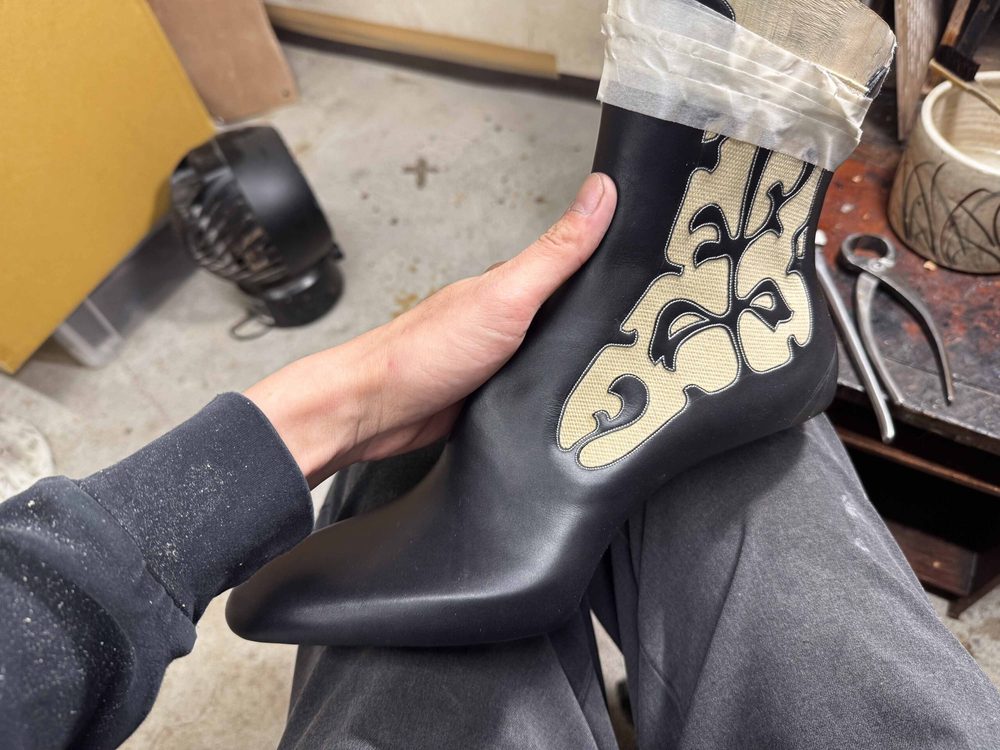
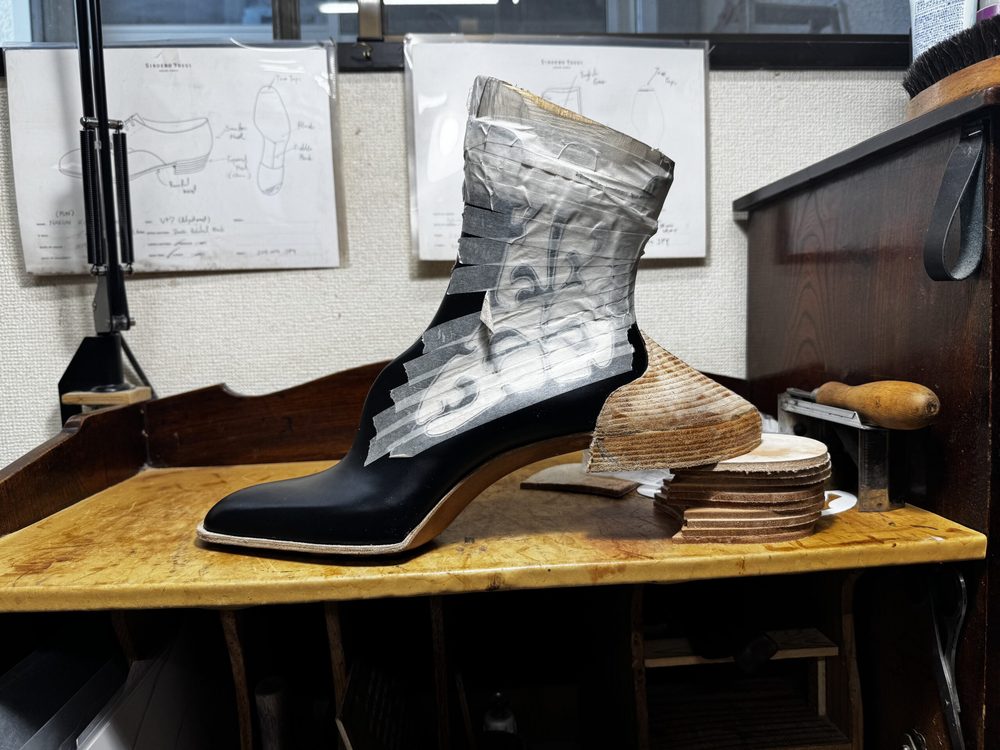
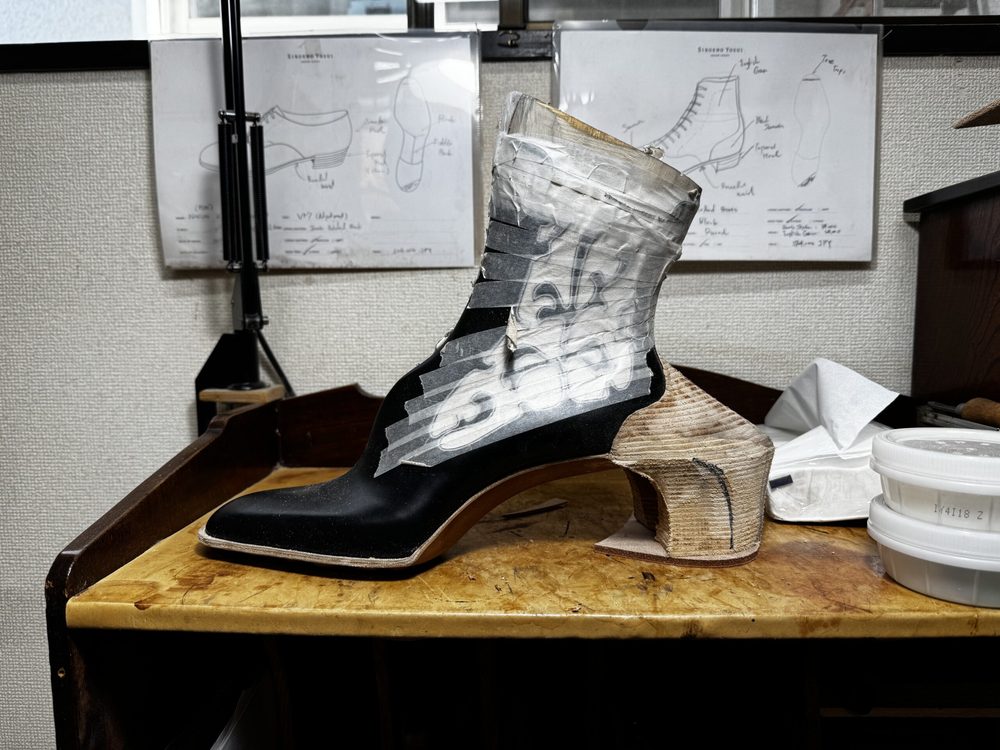
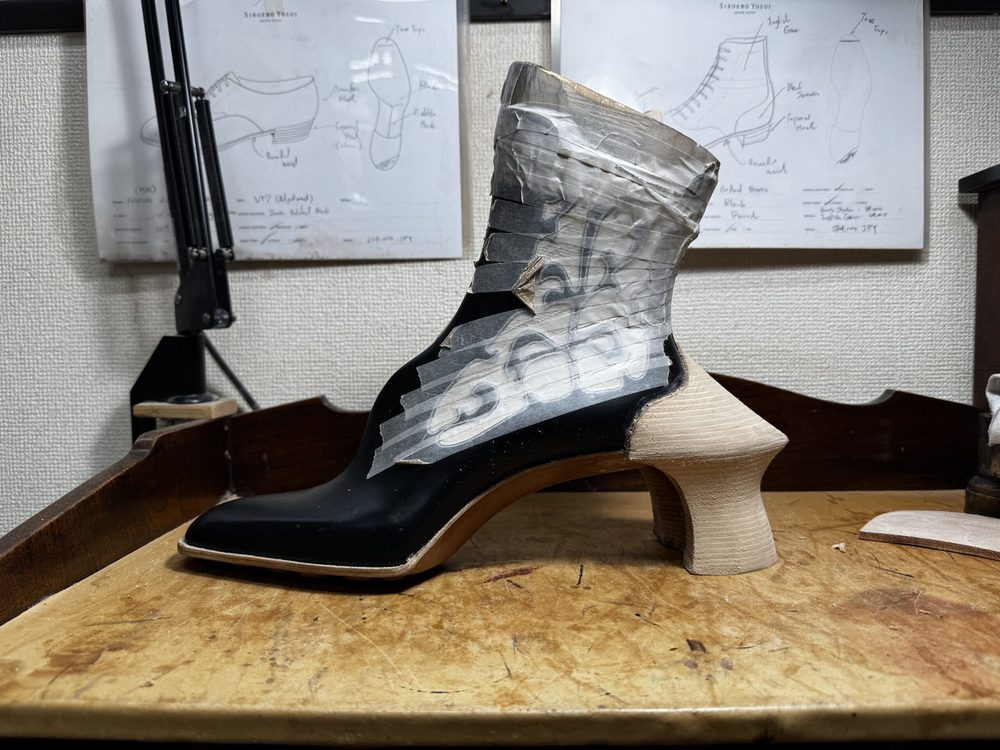
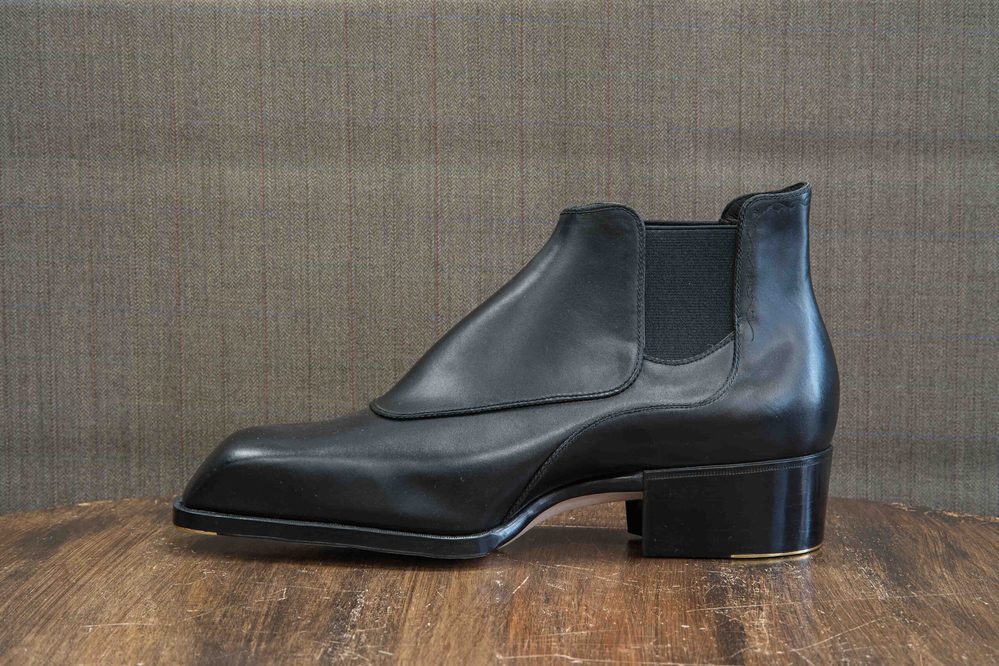
The shape is dramatic and heavily influenced by Victorian footwear, particularly through the last and extraordinary sculpted heel. It will undoubtedly divide opinion aesthetically—and it did among the judges—but there is no denying the skill involved in creating it.
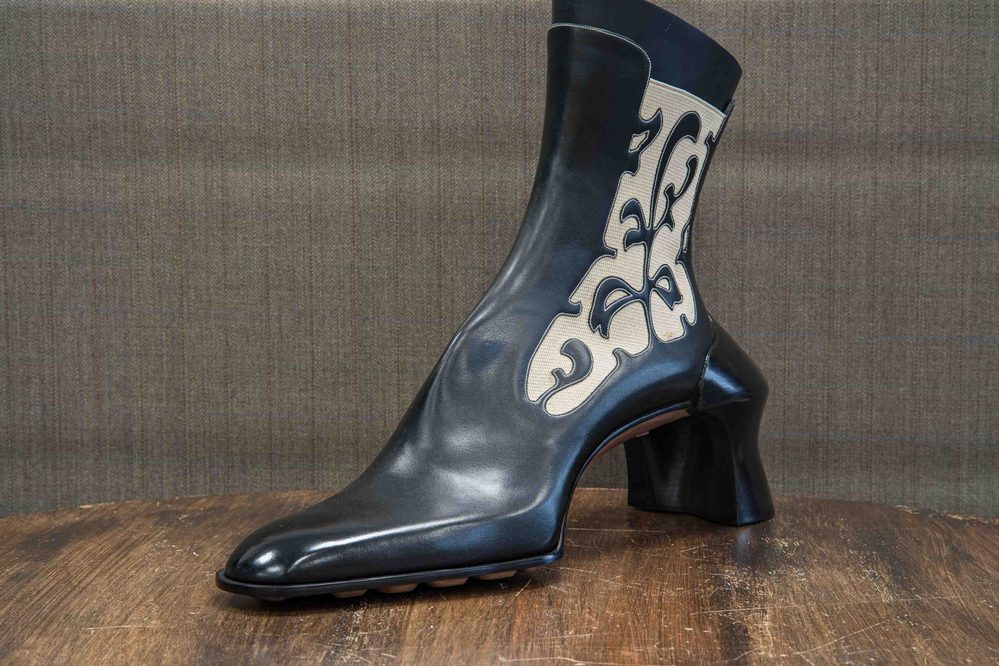
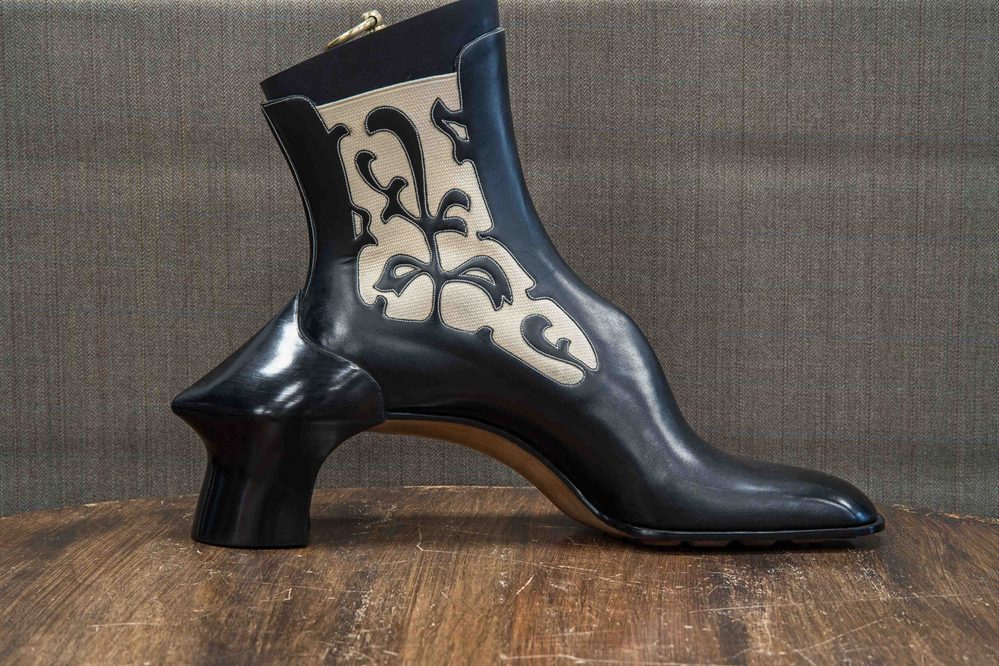
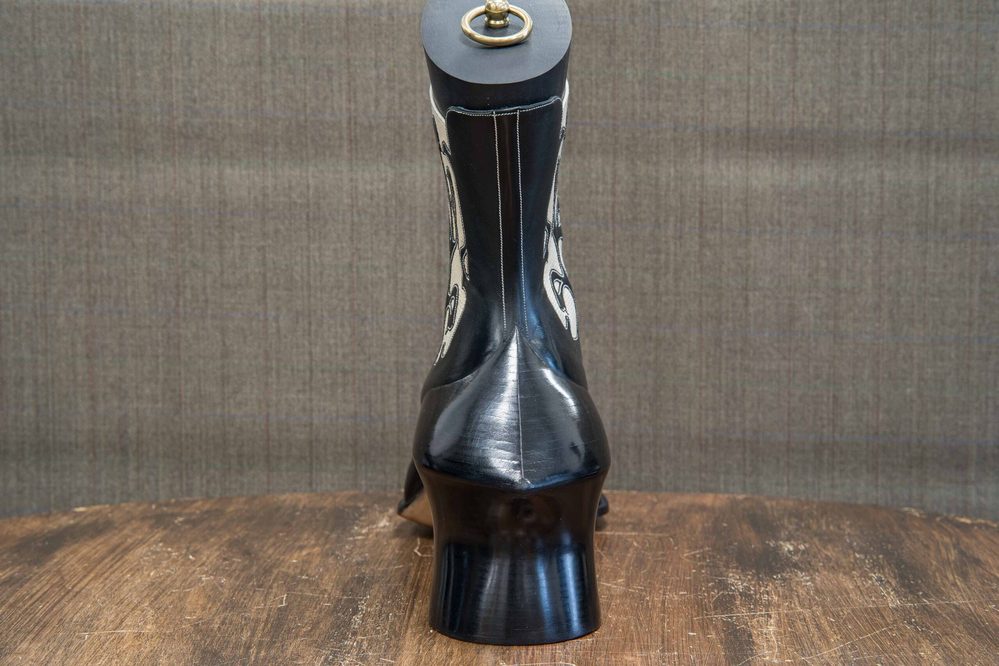
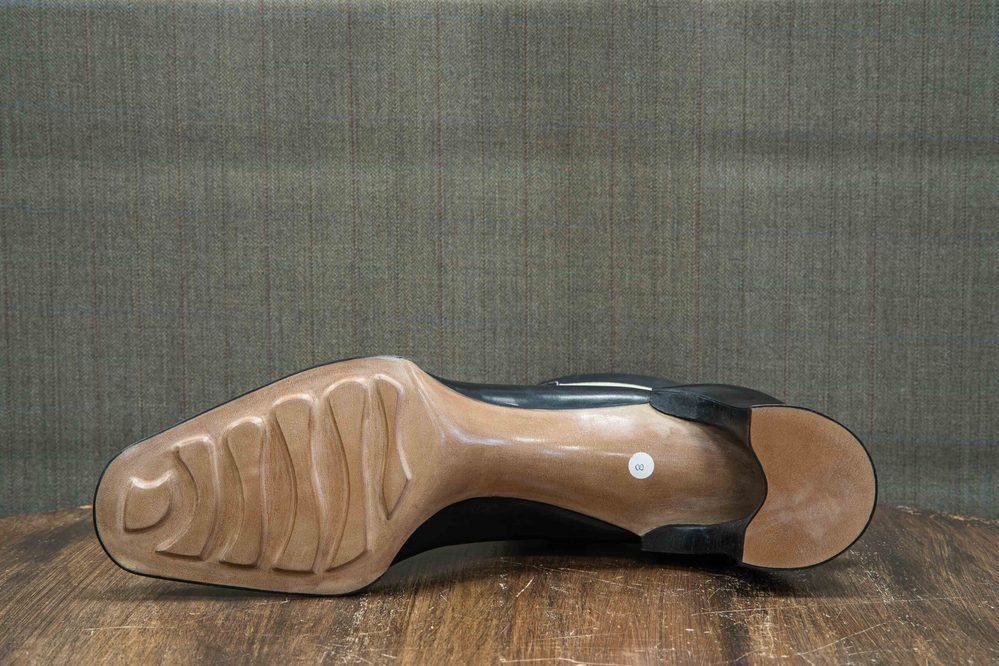
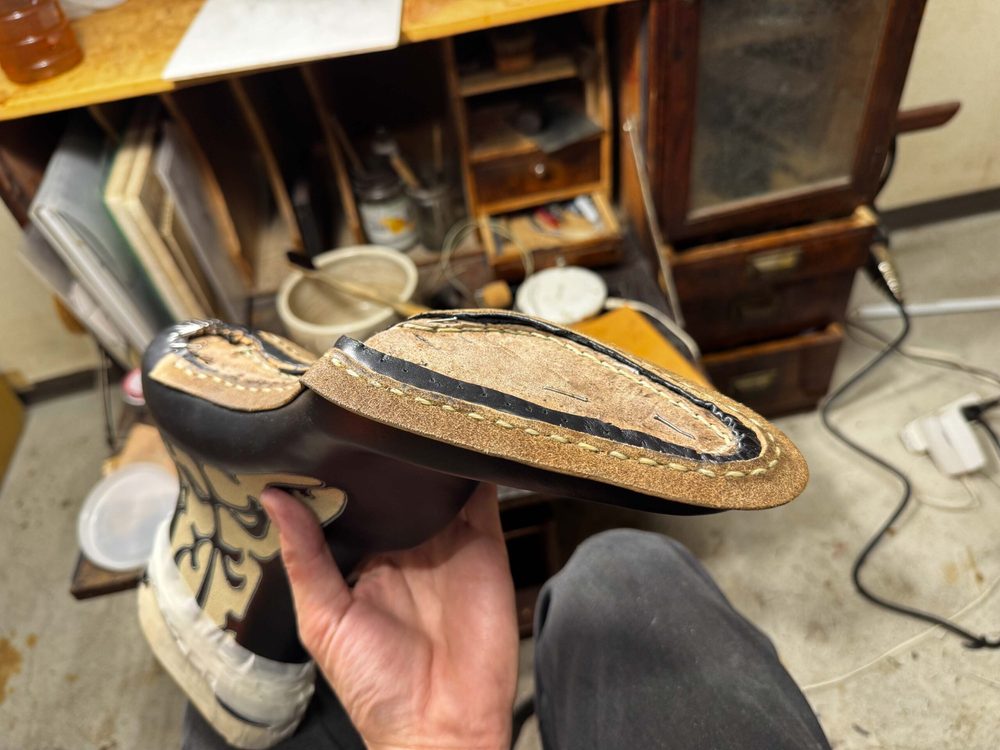
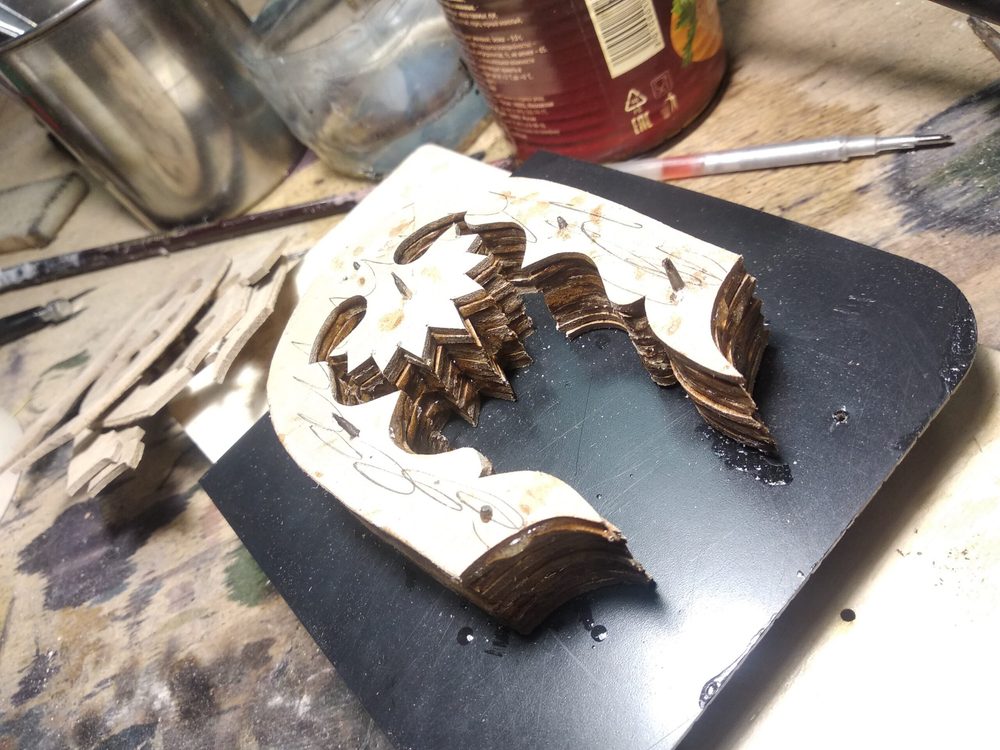
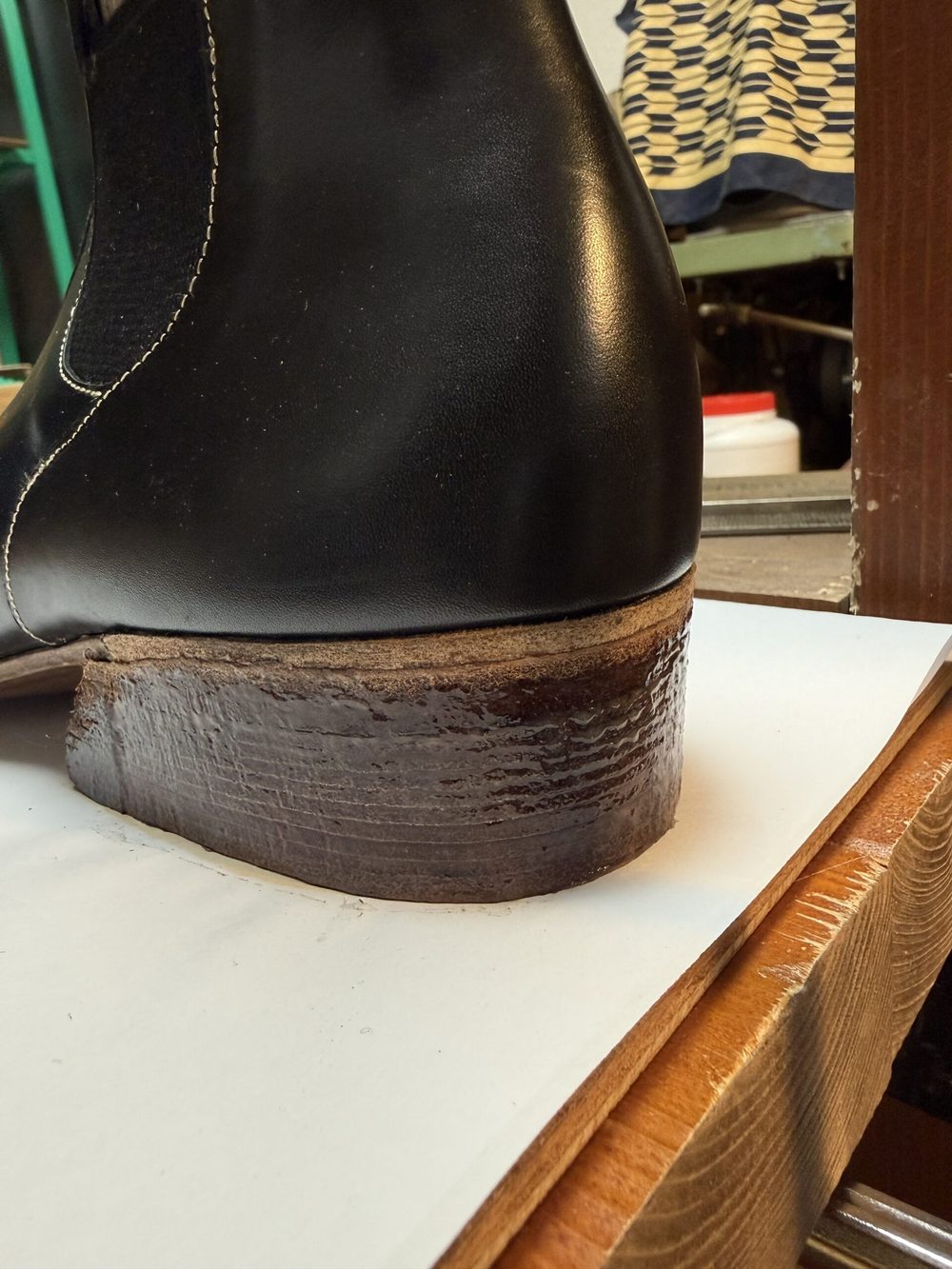
The heel itself is built up from layer after layer of thin leather lifts, all shaped into its final flowing form.
Ken himself said that the heel was the element he was most pleased with, as it allowed him to retain something of a classic silhouette while giving the overall boot a much more dynamic outline.
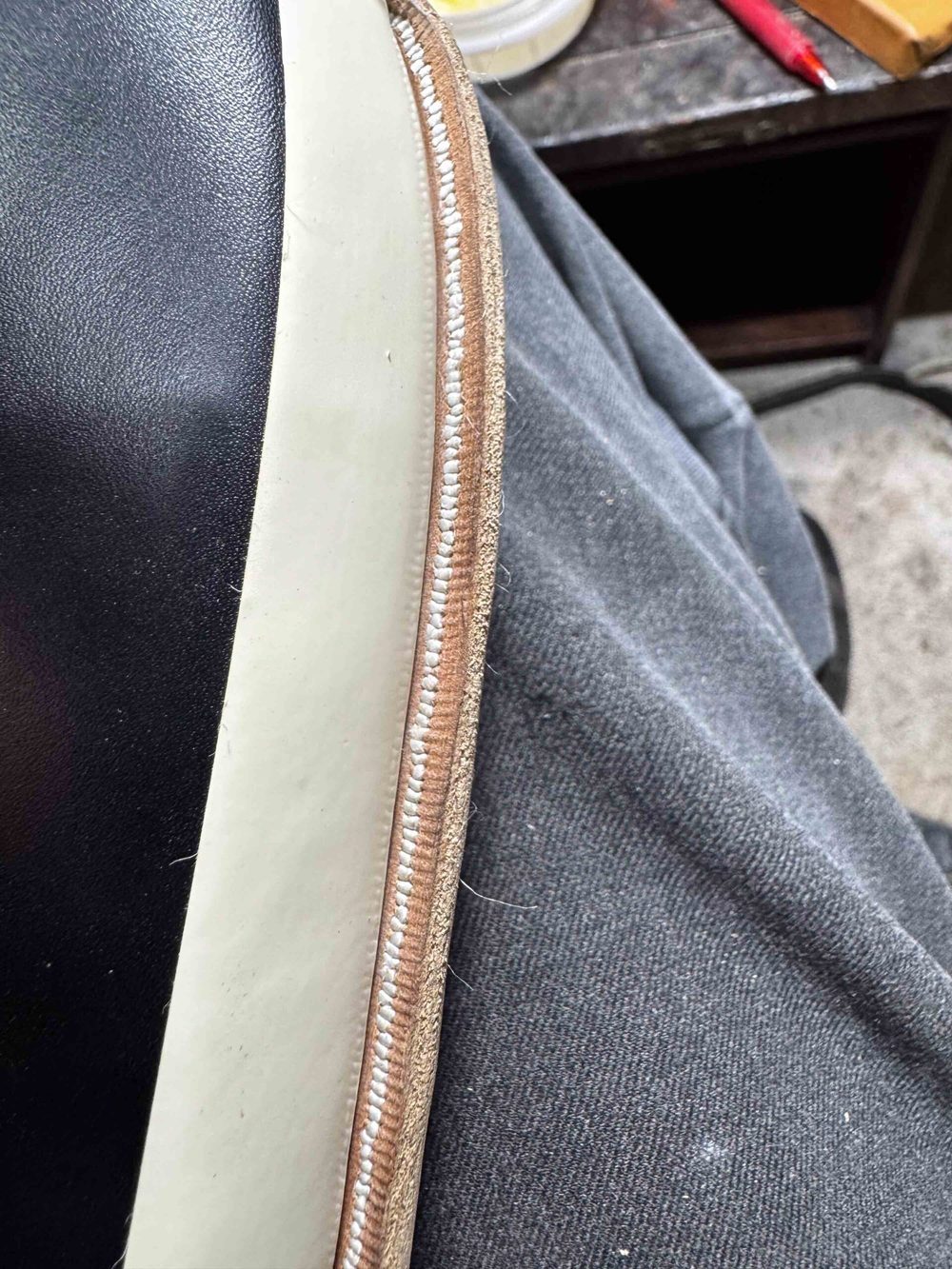
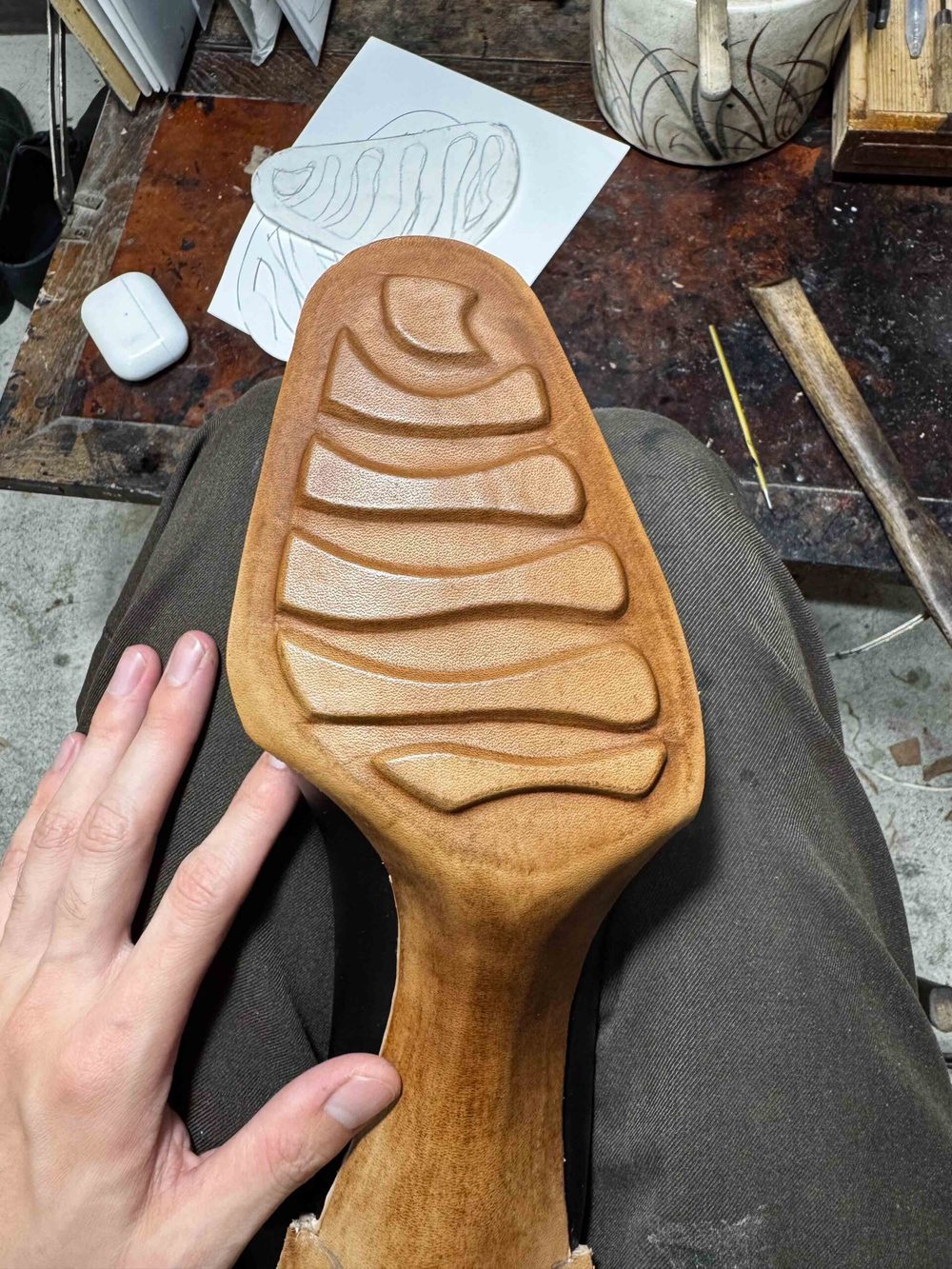
The upper carries an intricate Victorian floral pattern that demands tremendous control at the sewing machine. Underneath, you have a beveled waist, extremely fine sole stitching, and what Ken calls his “bumpy art” sole, continuing the vintage feeling throughout the boot.
Interestingly, Ken was apparently less satisfied with parts of his upper work than the rest of us were, which tells you something about the standards these makers set for themselves.
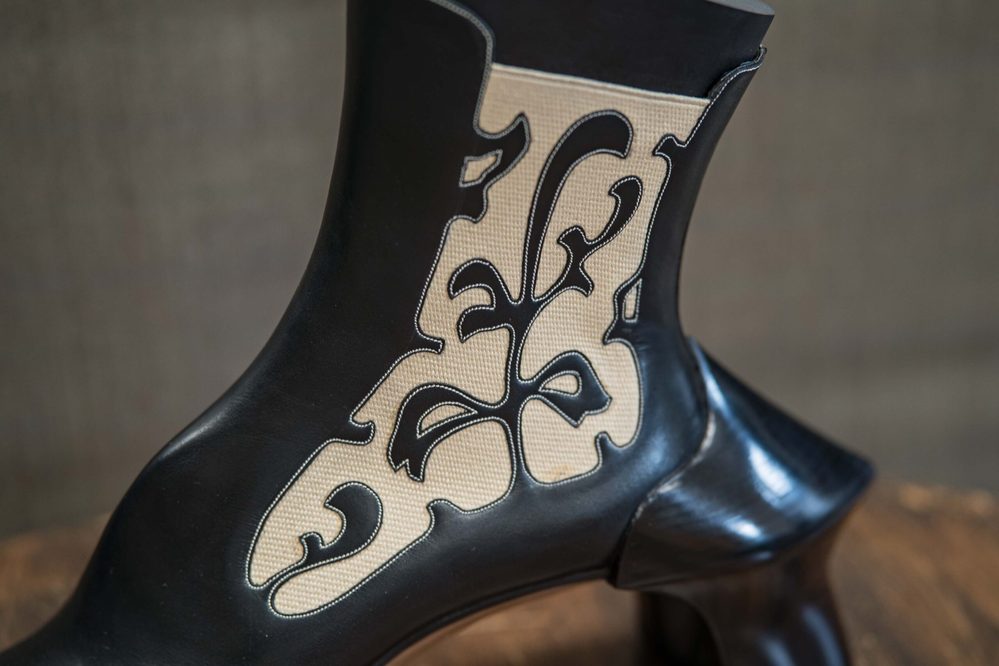
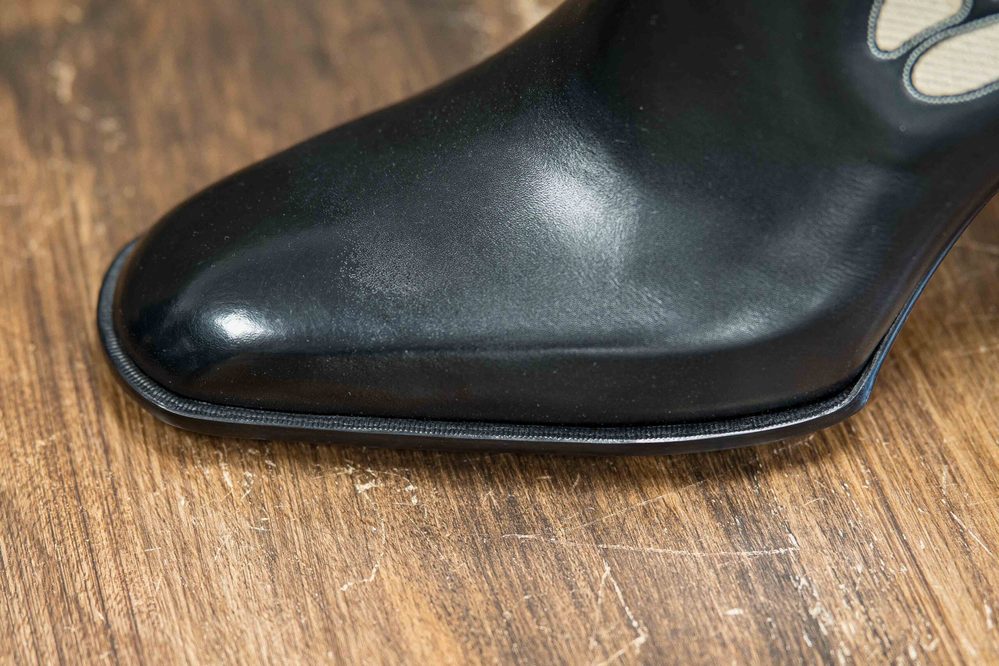
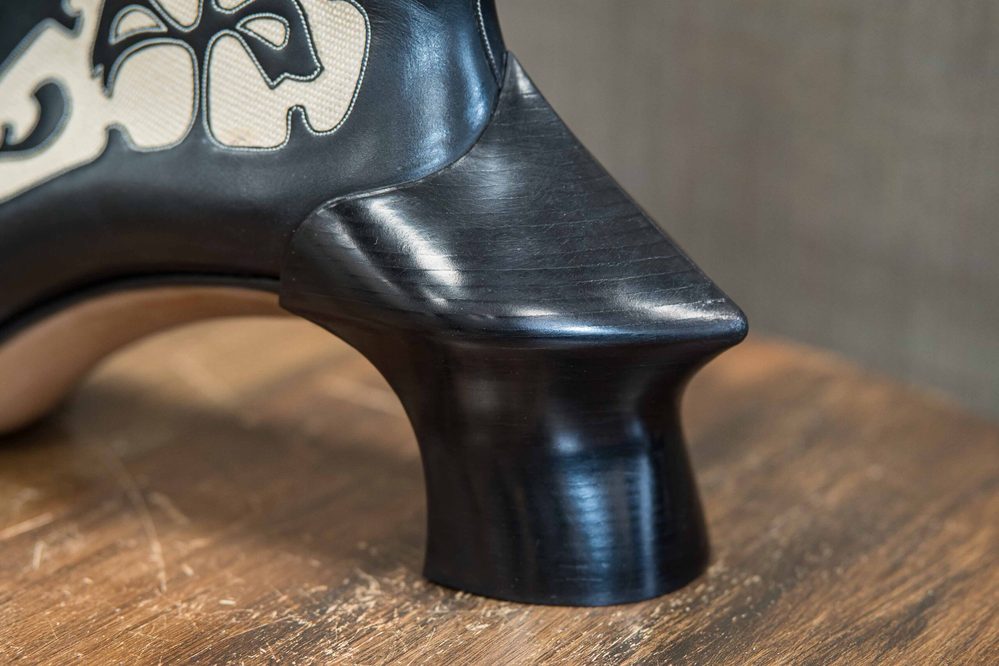
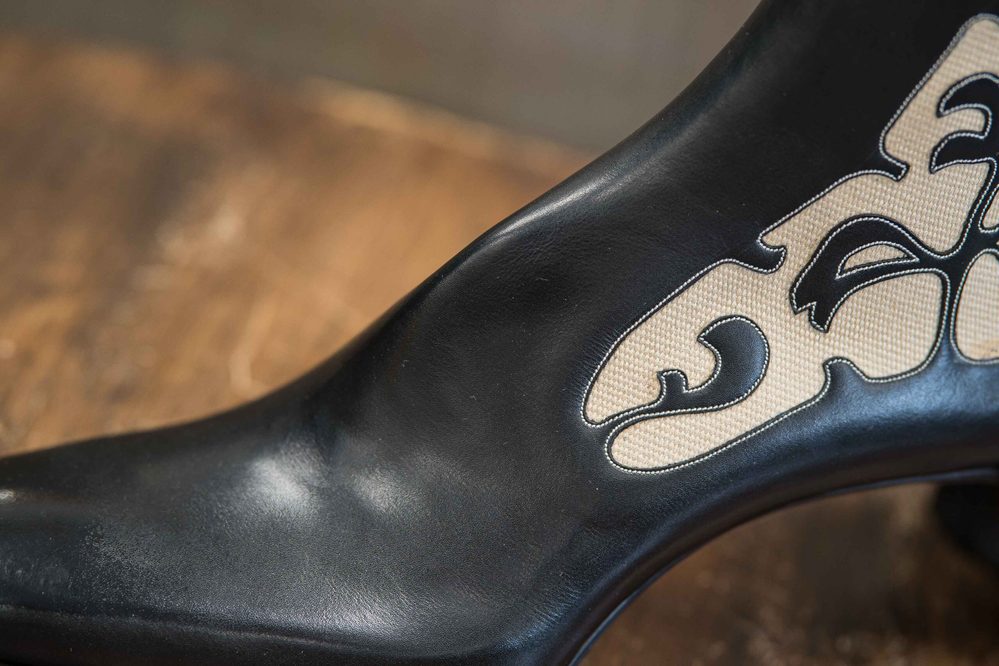
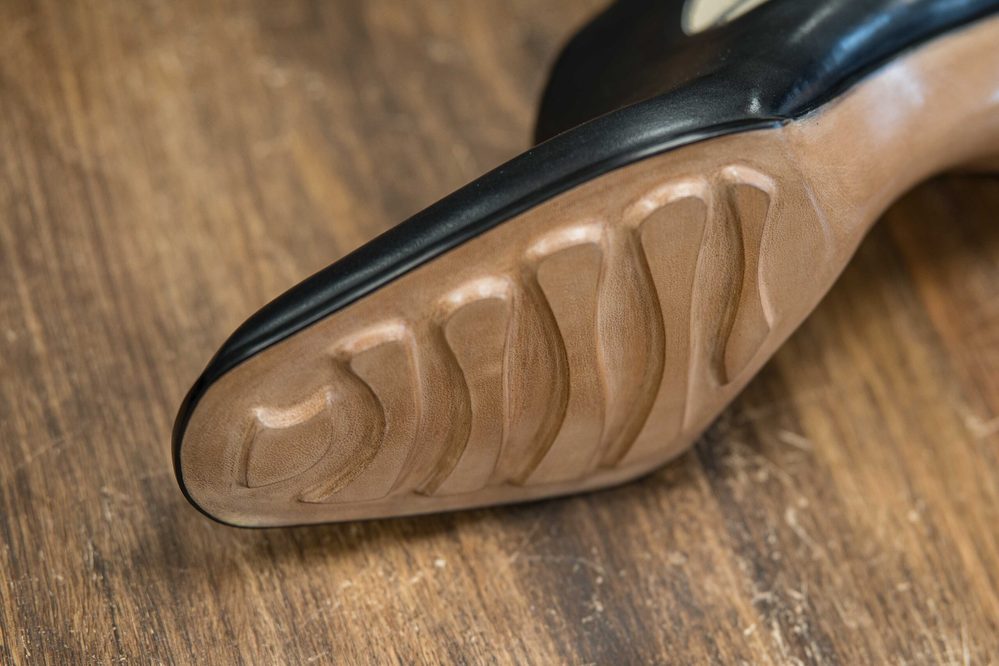
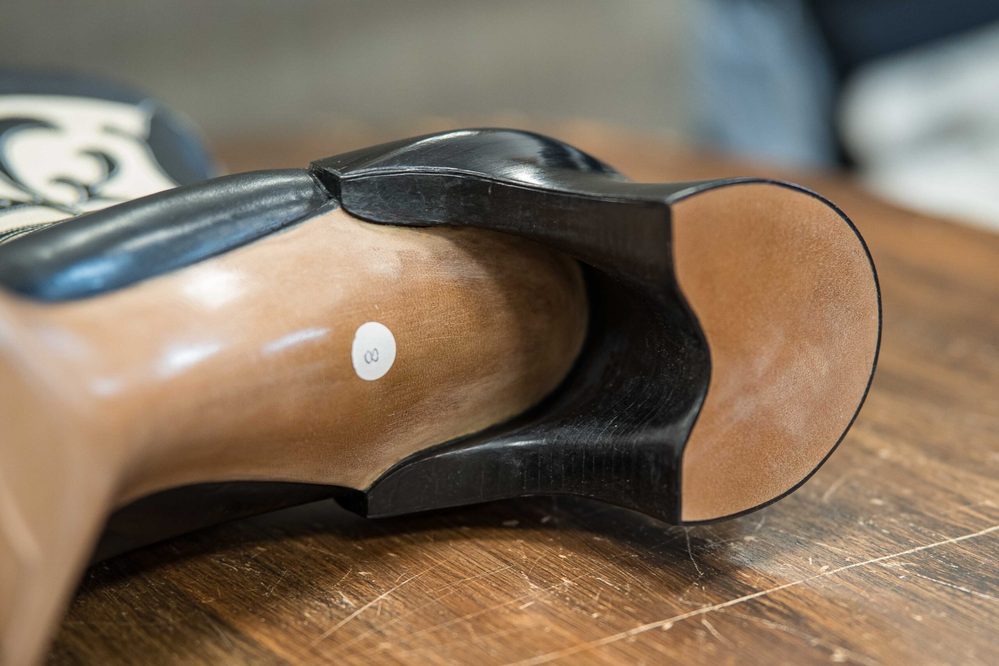
The boot scored extremely highly for difficulty, execution and originality. Design and aesthetics were slightly more divisive, which is understandable with a shoe this expressive.
But unlike some previous years where the top positions have been extraordinarily close, Ken’s victory this time was decisive.
Ken is based in Asakusa, Tokyo’s historic shoemaking district. He formerly presented his work under the name Siroeno Yosui but is now moving toward using his own name. He trained under renowned Japanese shoemaker Noriyuki Misawa and has also built a large international following through his YouTube channel, where his brother films and edits incredibly detailed videos of the bespoke shoemaking process.
After two silver medals, Ken Kataoka finally has his gold.
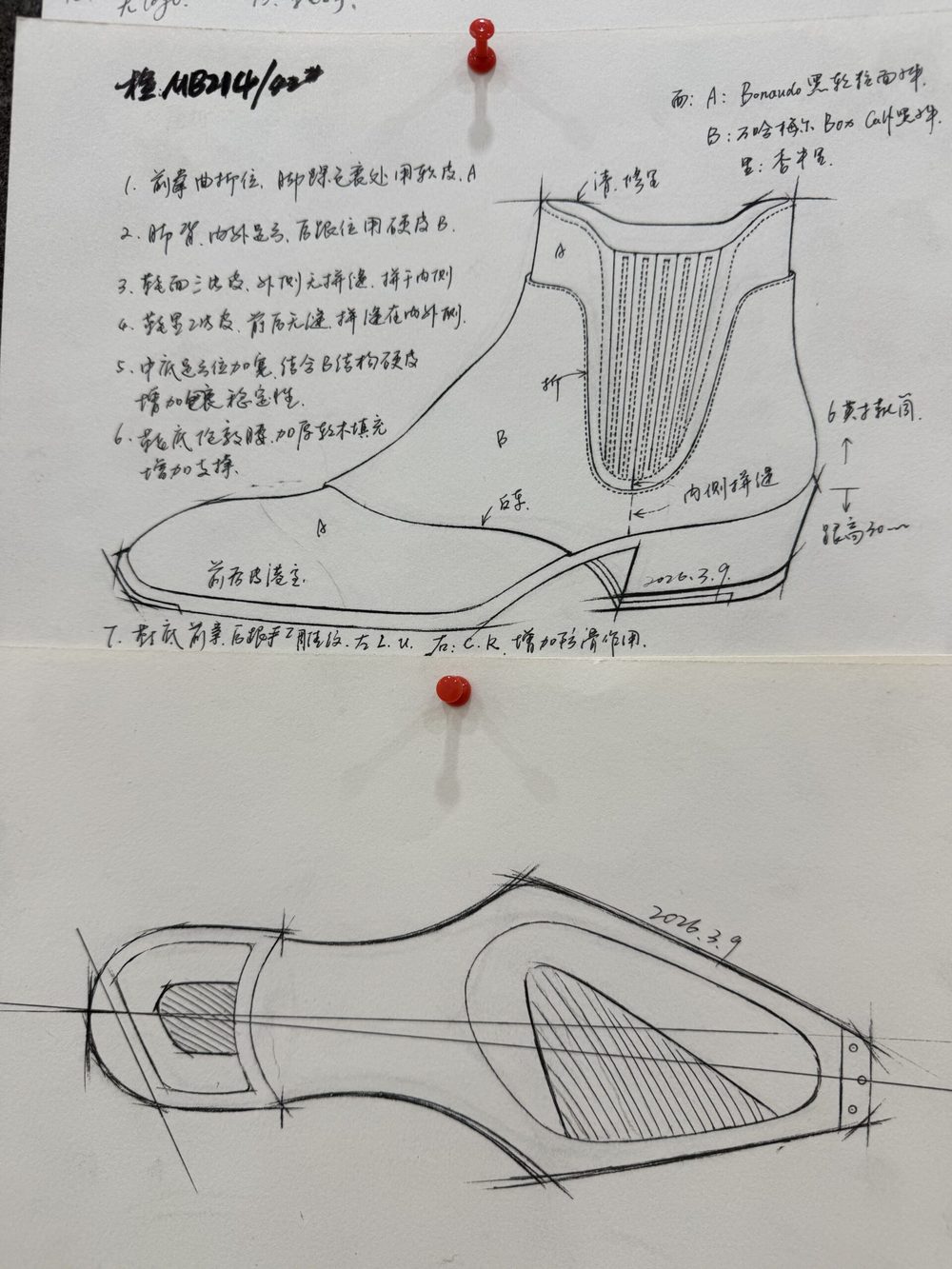
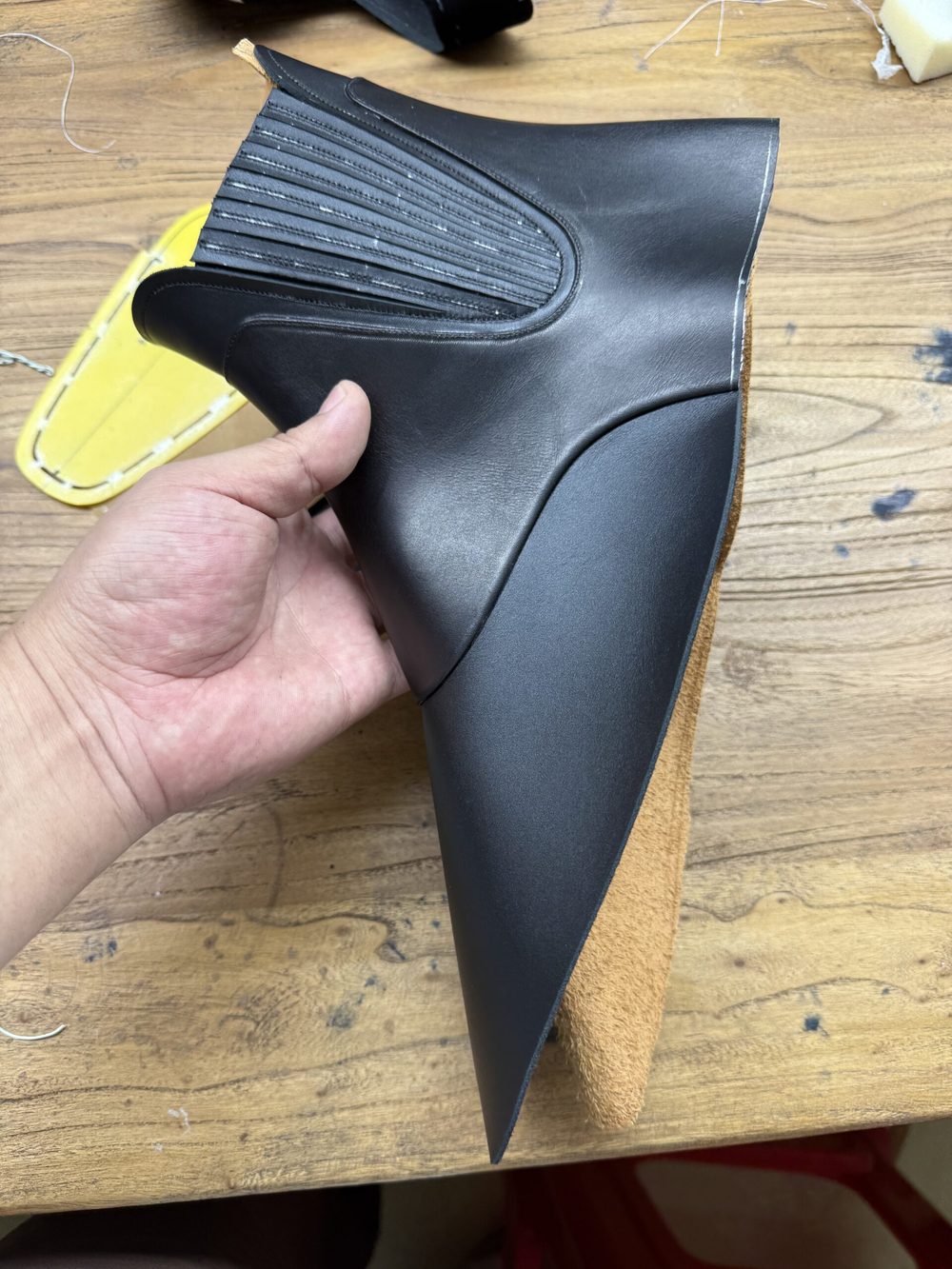
2nd Place – Twinkima.G
If Ken’s winning boot represents the exhibition side of this competition, Twinkima.G represents almost the opposite approach.
And I love that both can succeed here.
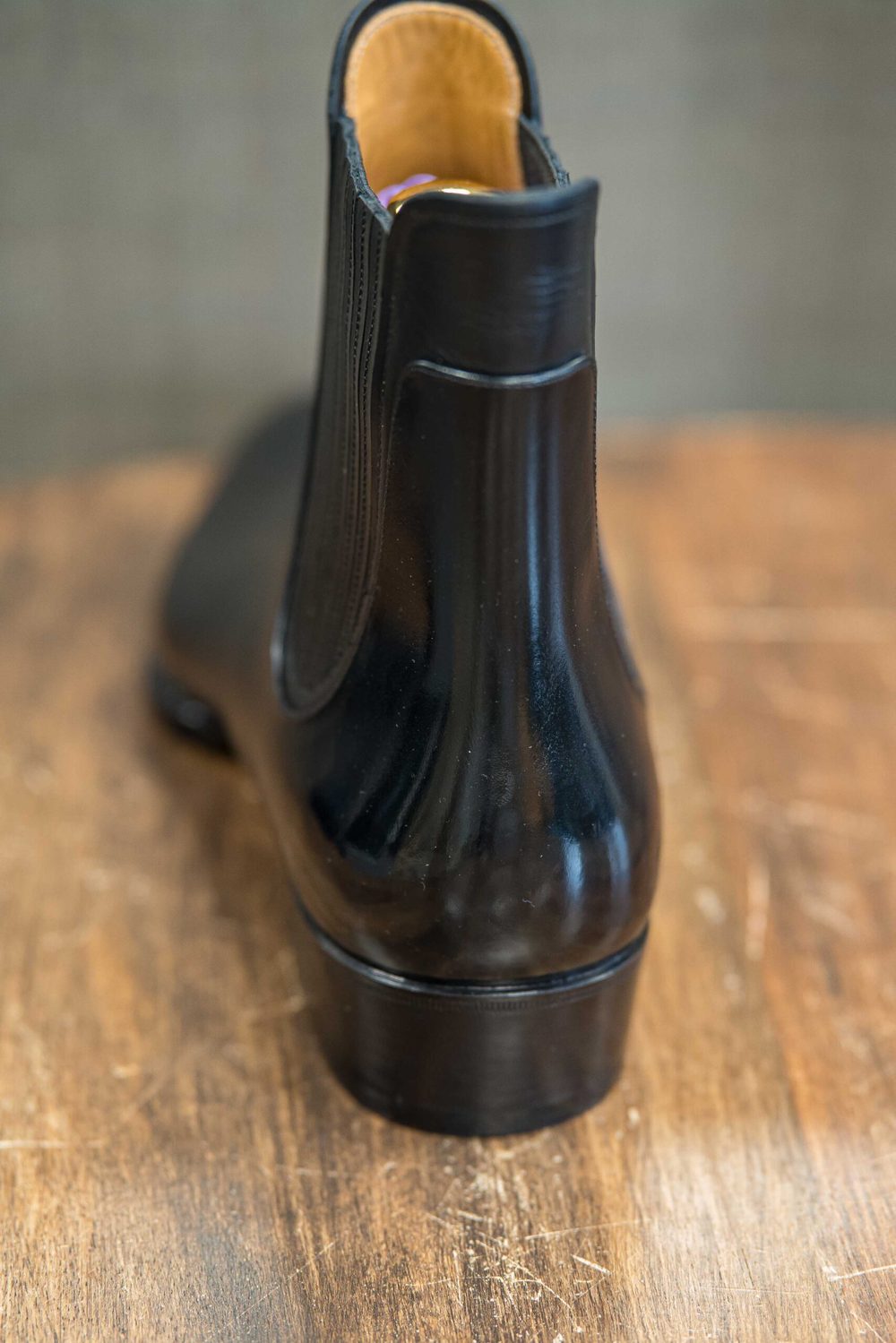
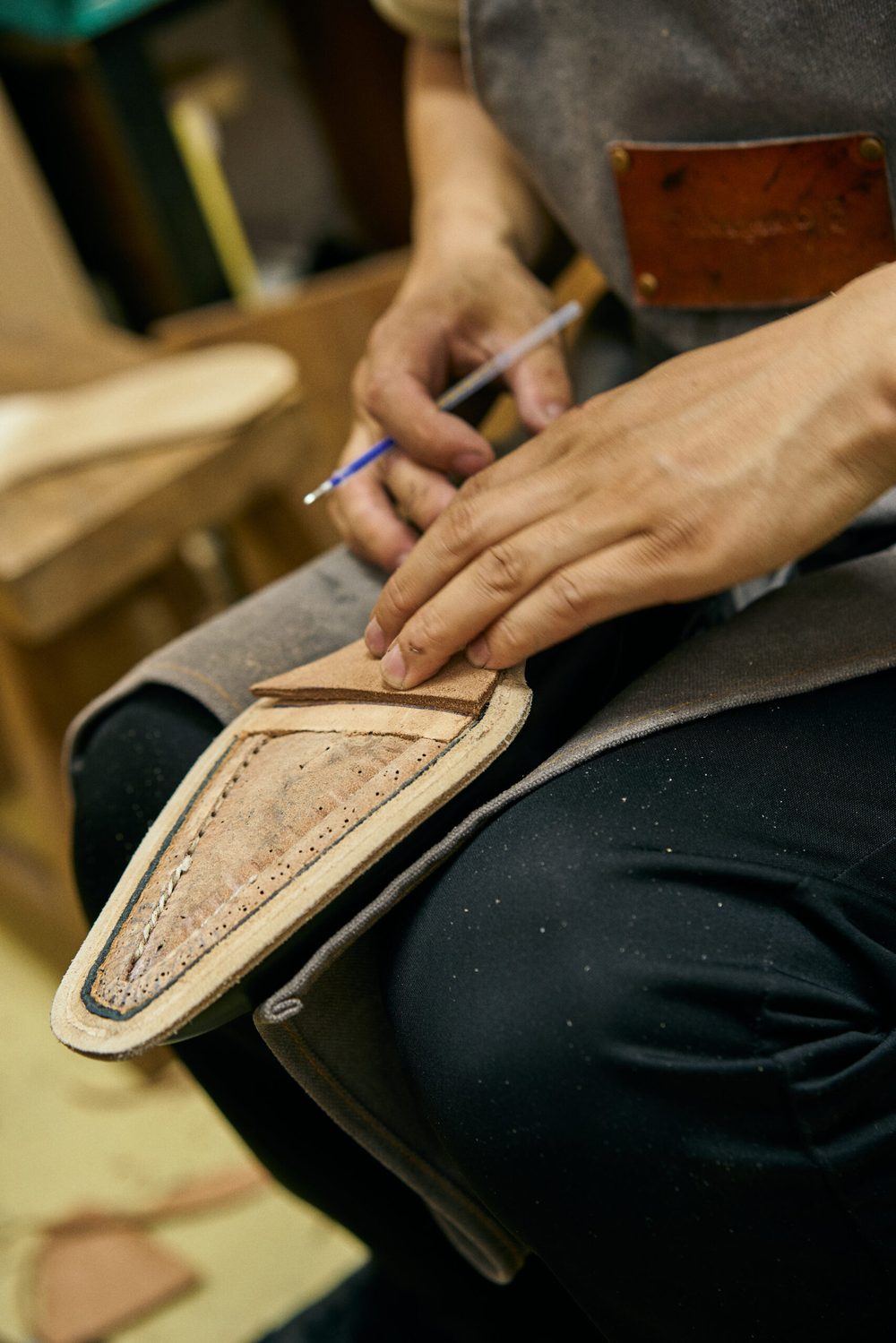
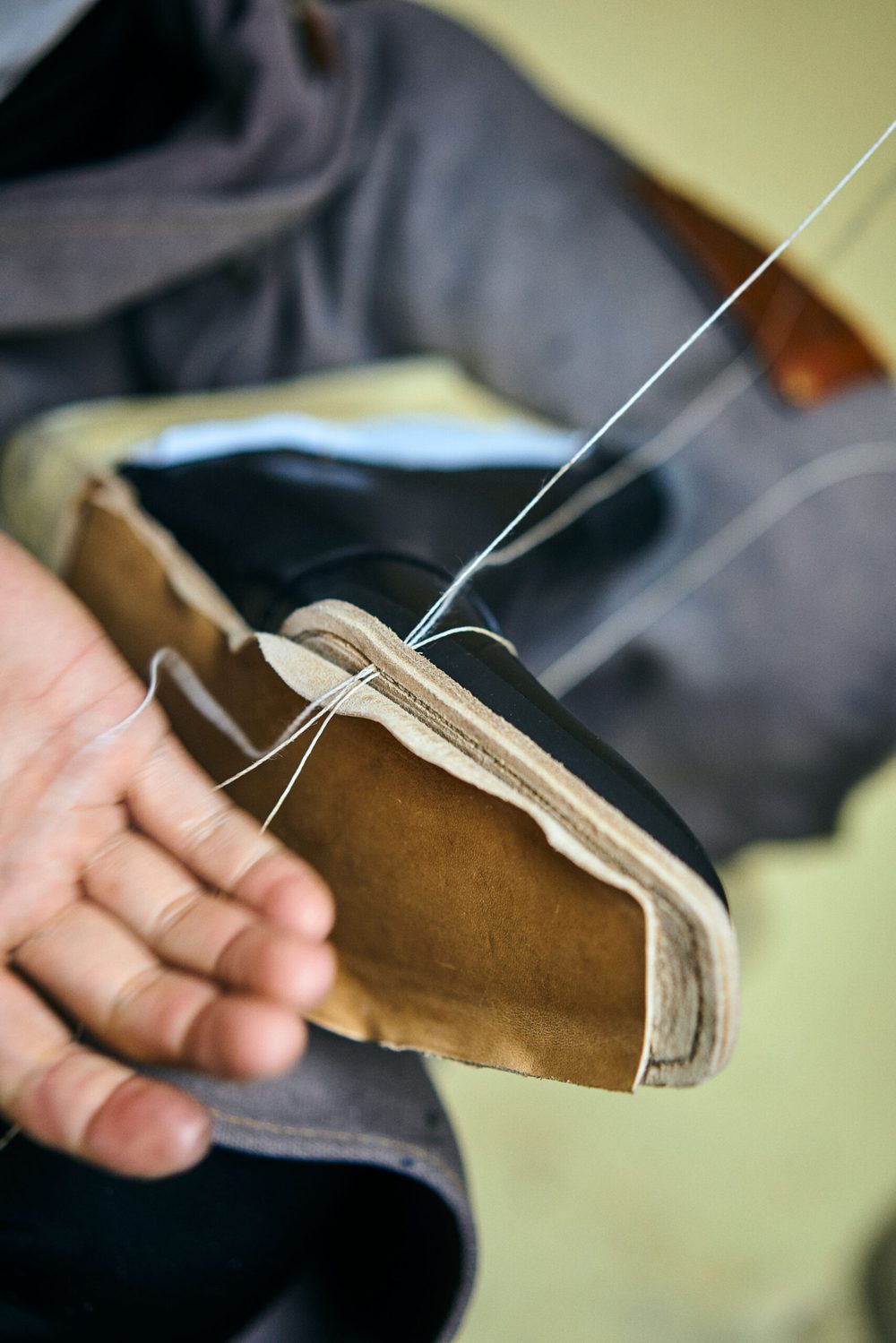
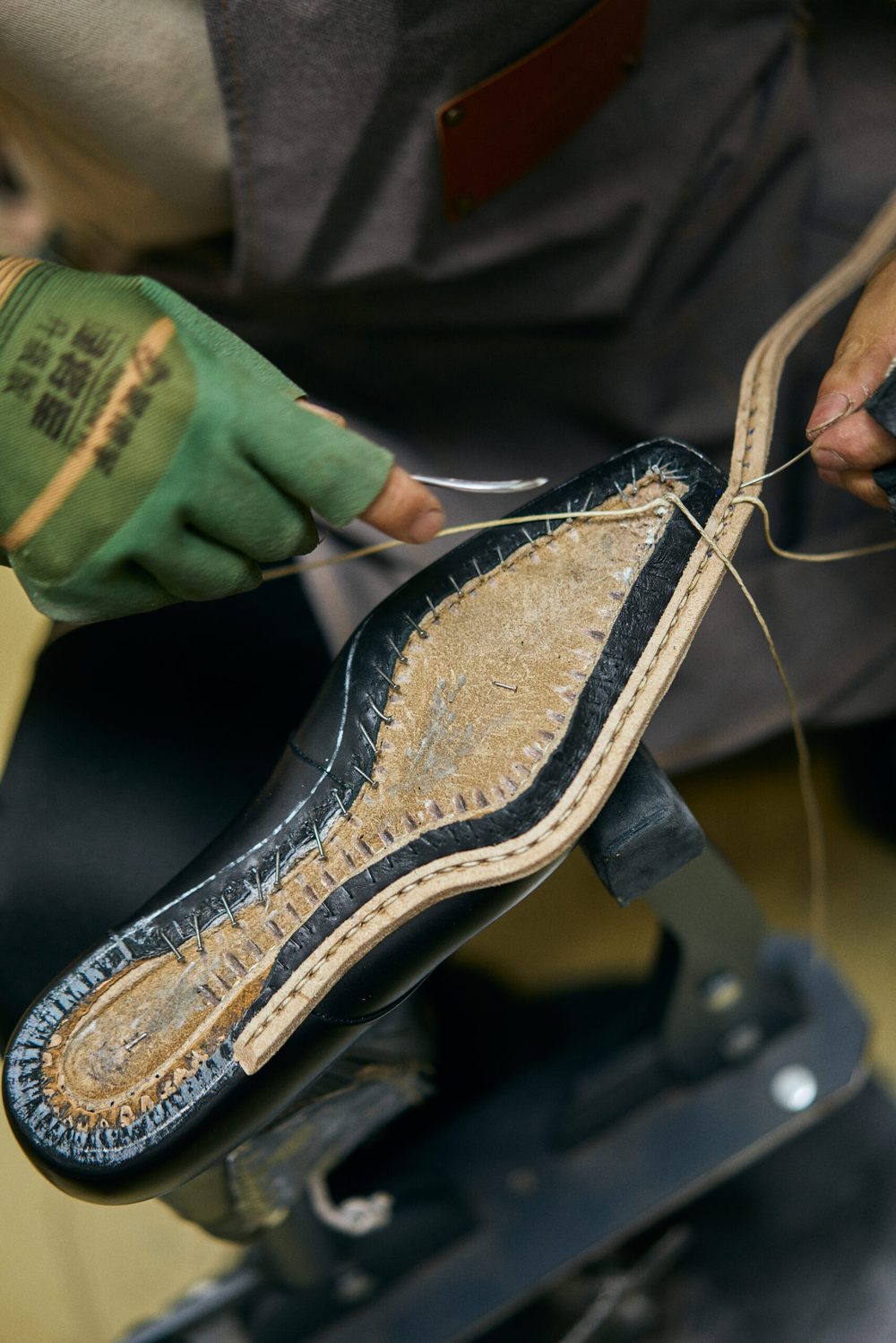
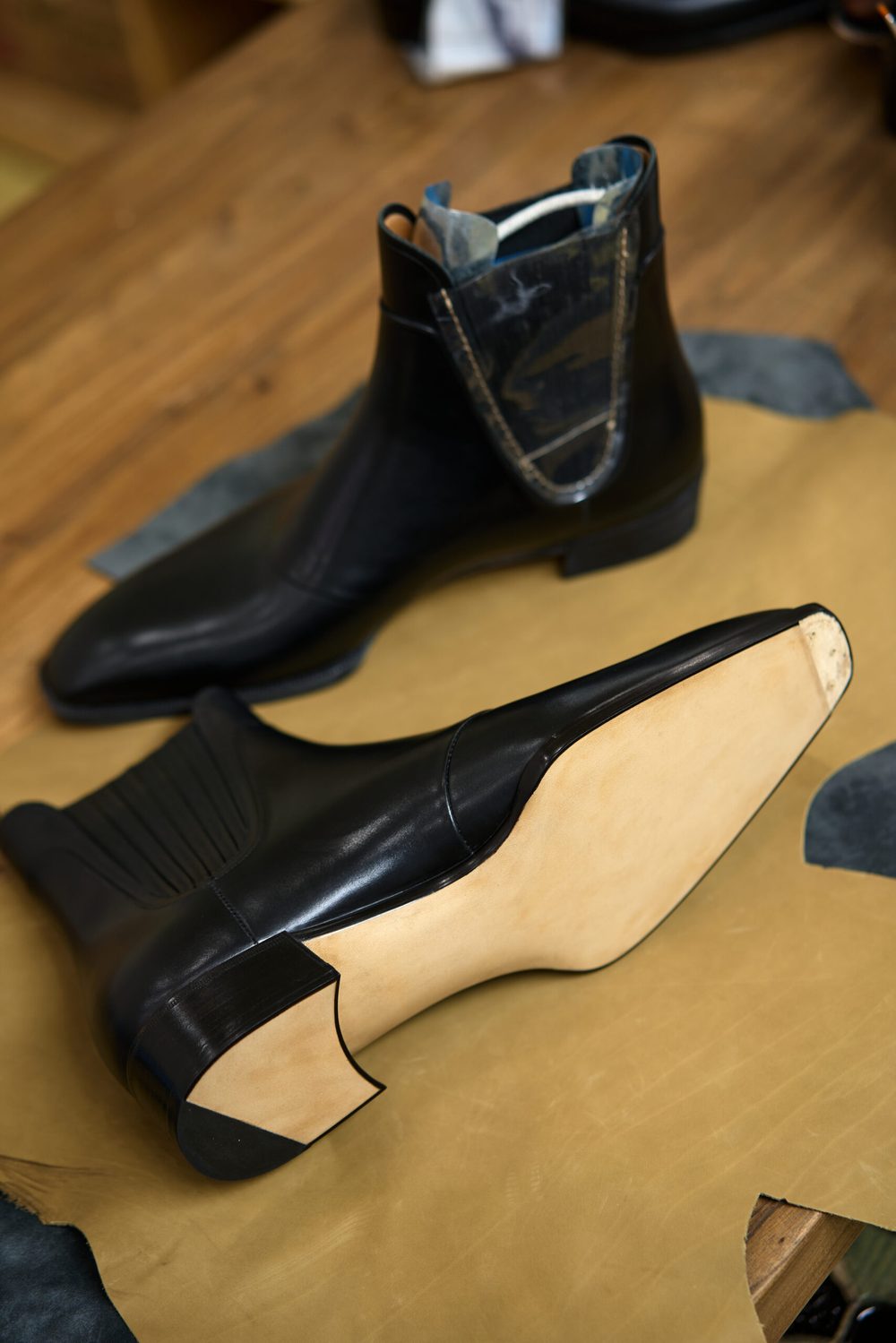
Their second-place boot is far more restrained and could almost pass as an exceptionally well-made bespoke sample rather than something created specifically to win a shoemaking competition.
But the execution is exceptional.
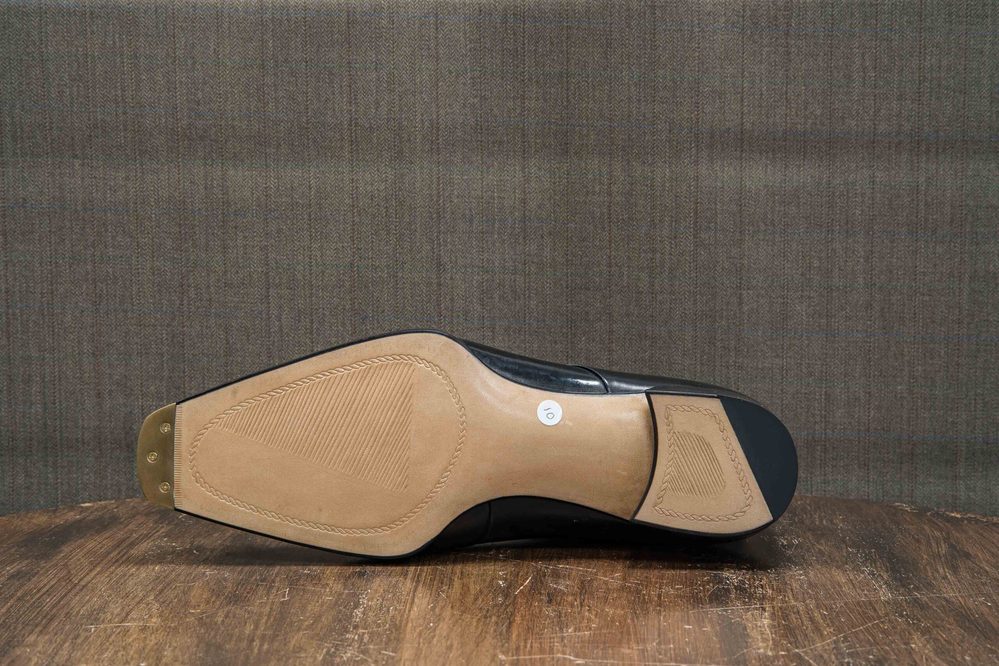
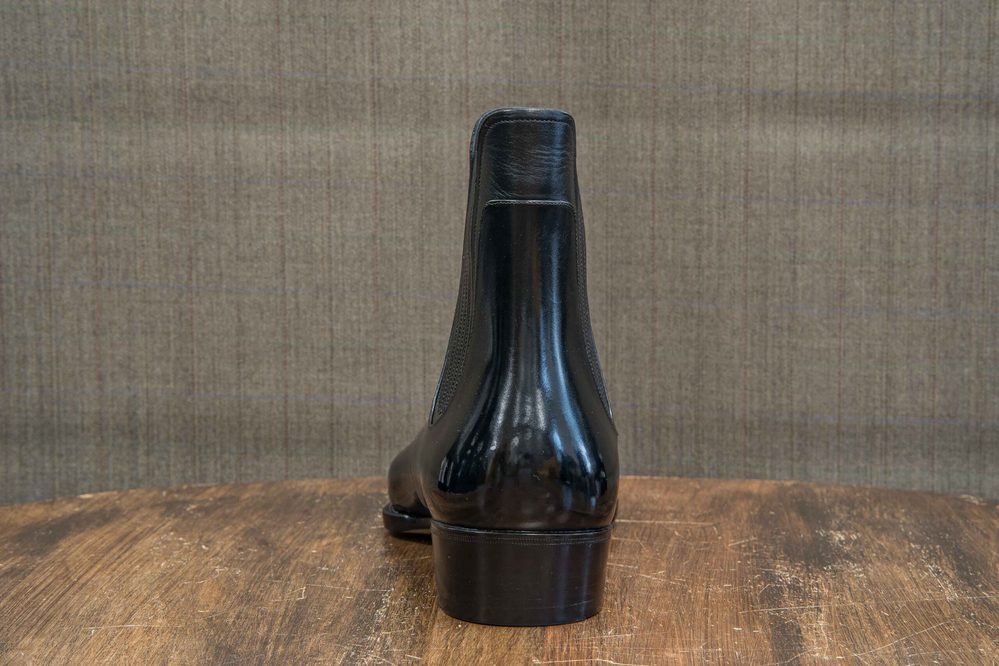
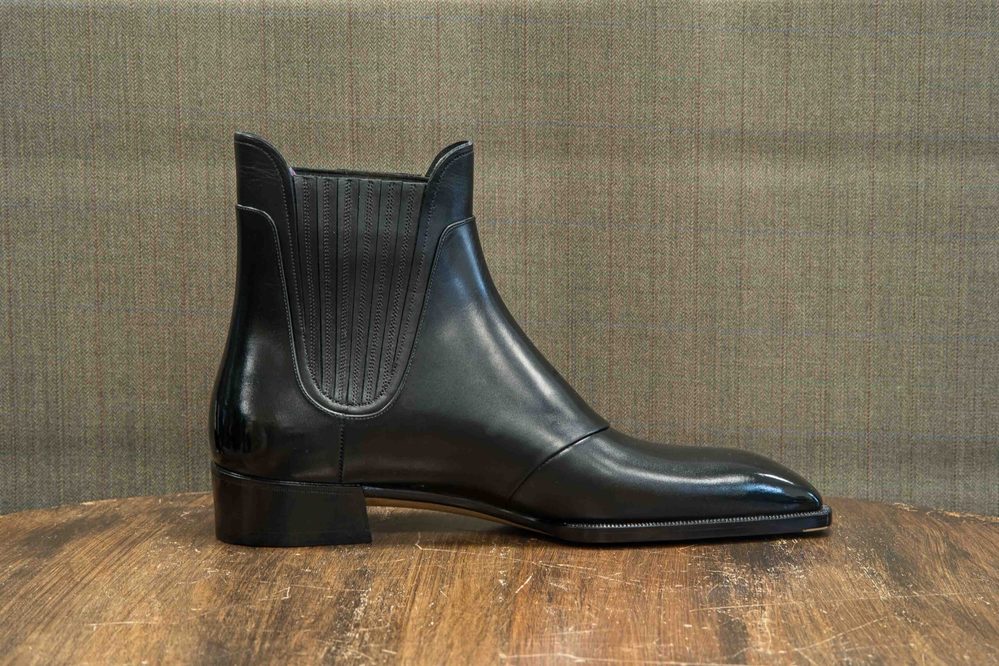
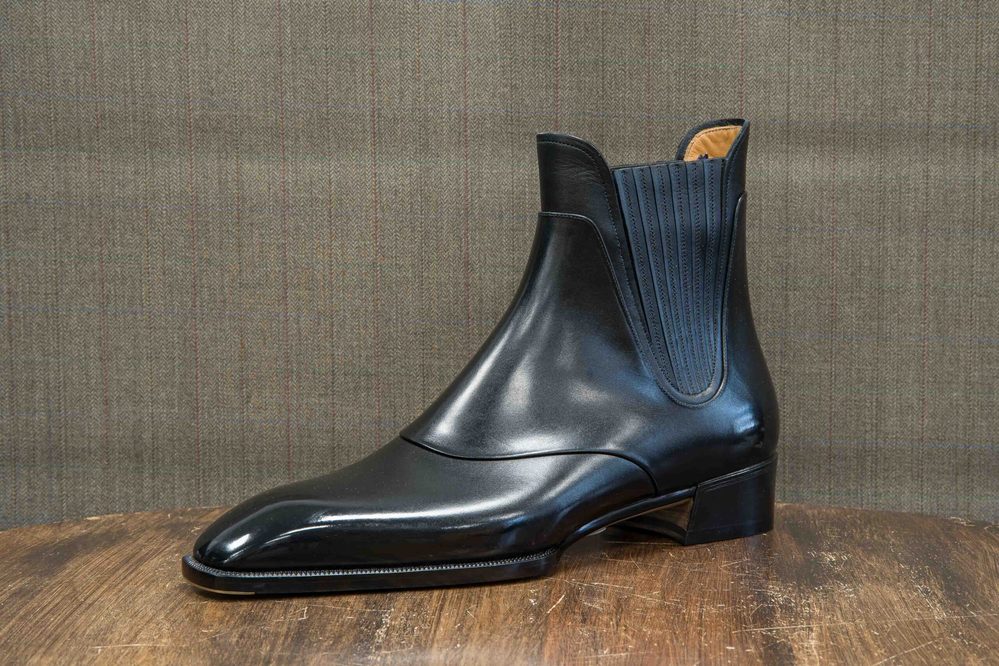
Twinkima.G was founded by Meng Guan in 2019 and operates its own factory in Dongguan, China. They primarily make fully handmade ready-to-wear footwear, including hand-welted classic shoes as well as more casual styles.
For the competition boot, several members of their factory team collaborated:
Yukun Zhang – organizer
Jay Chu – lastmaker and shoe designer
Jack Wang – bottom maker
Daniel Lee – carving specialist
Felix Yip – shoe shine
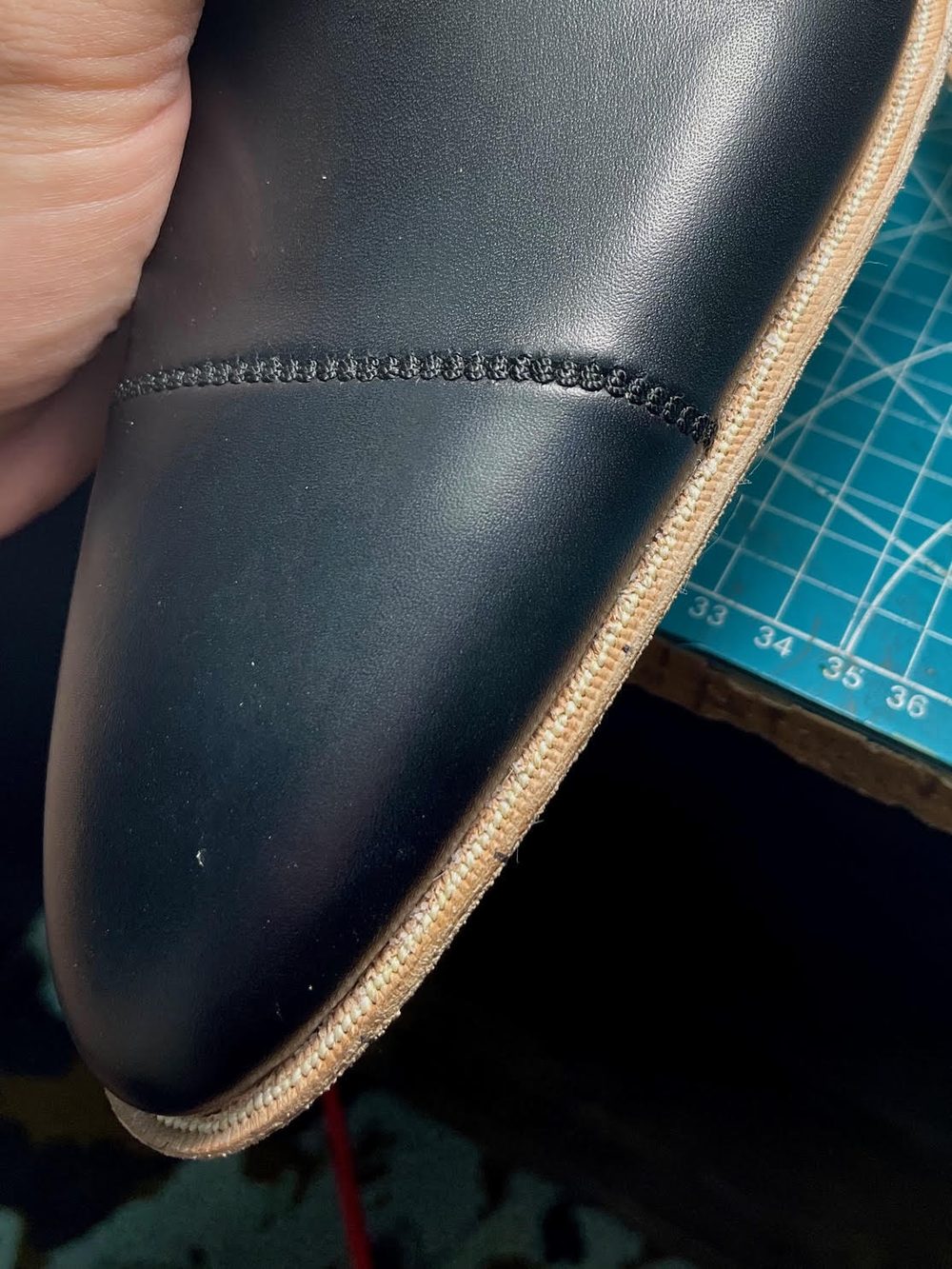
The upper uses hidden seams and a clever pattern that gives the visual impression of one shaft emerging from another. Panels over the elastic gussets help create a particularly clean appearance.
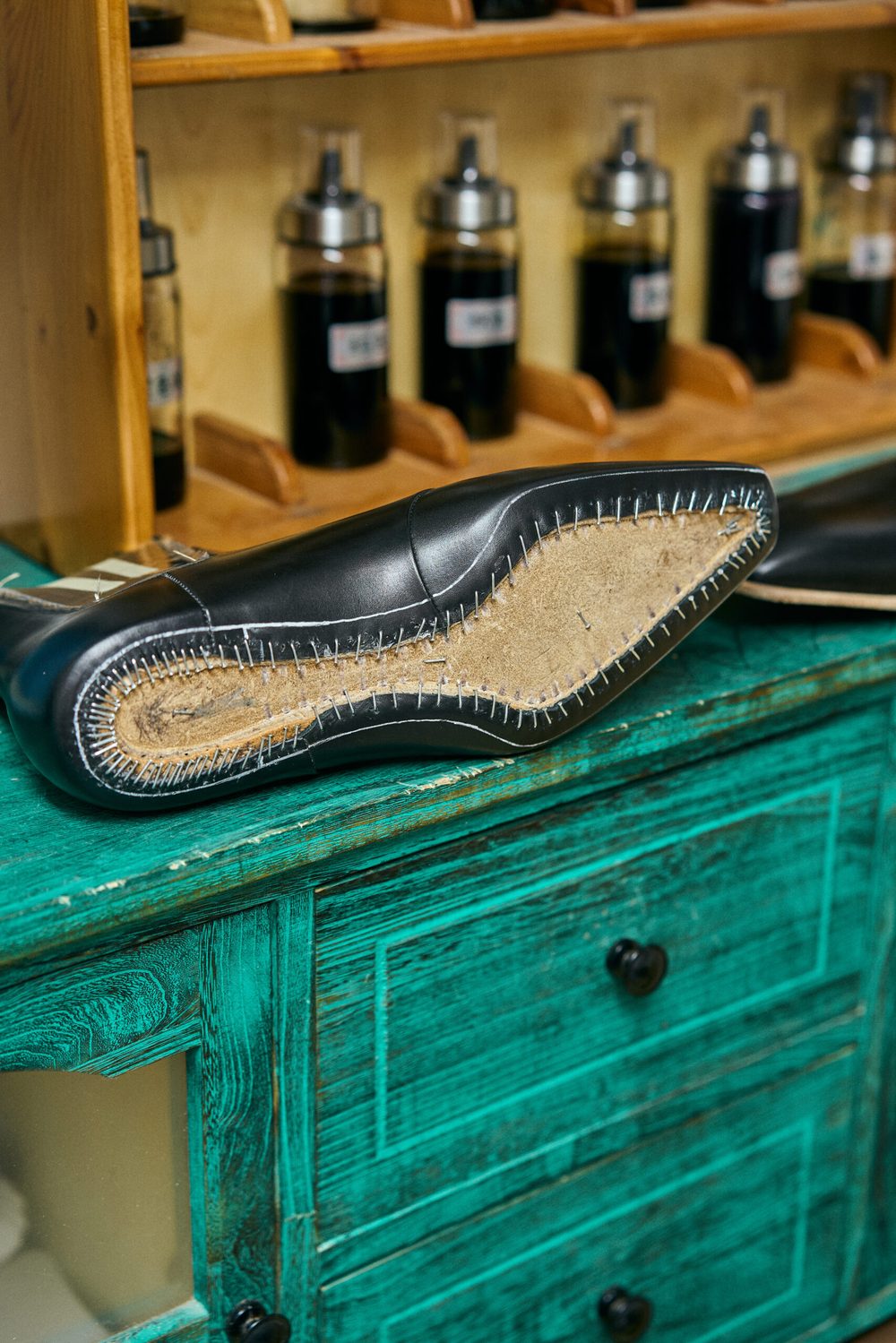
The bottom initially appears relatively traditional as well, but closer inspection reveals beautiful decorative work on both the sole and heel, created by hand-compressing the leather with different wheels.
What really separates this boot, however, is the precision.
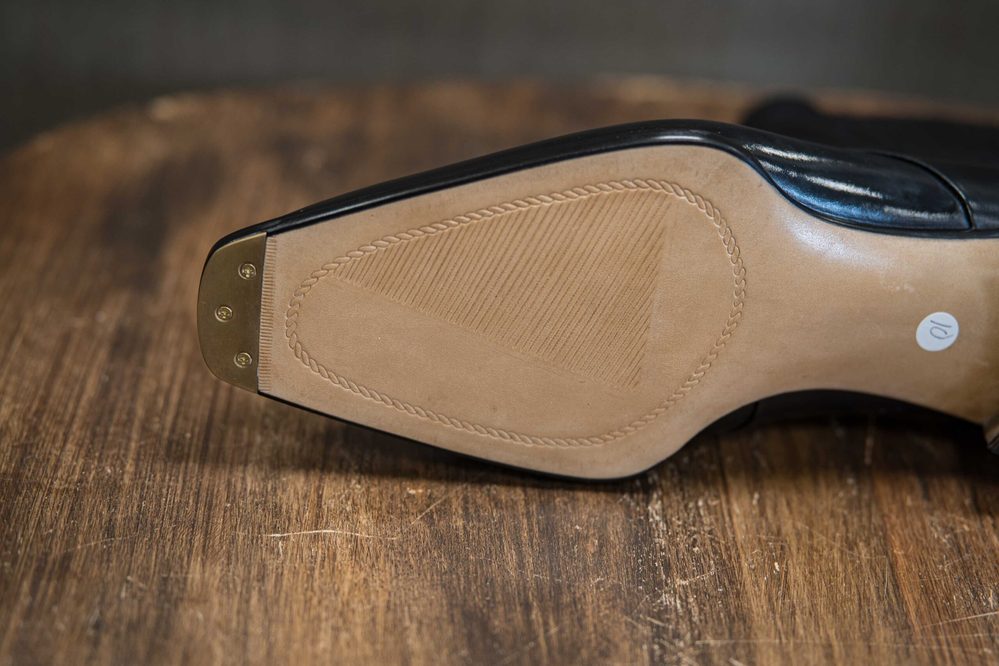
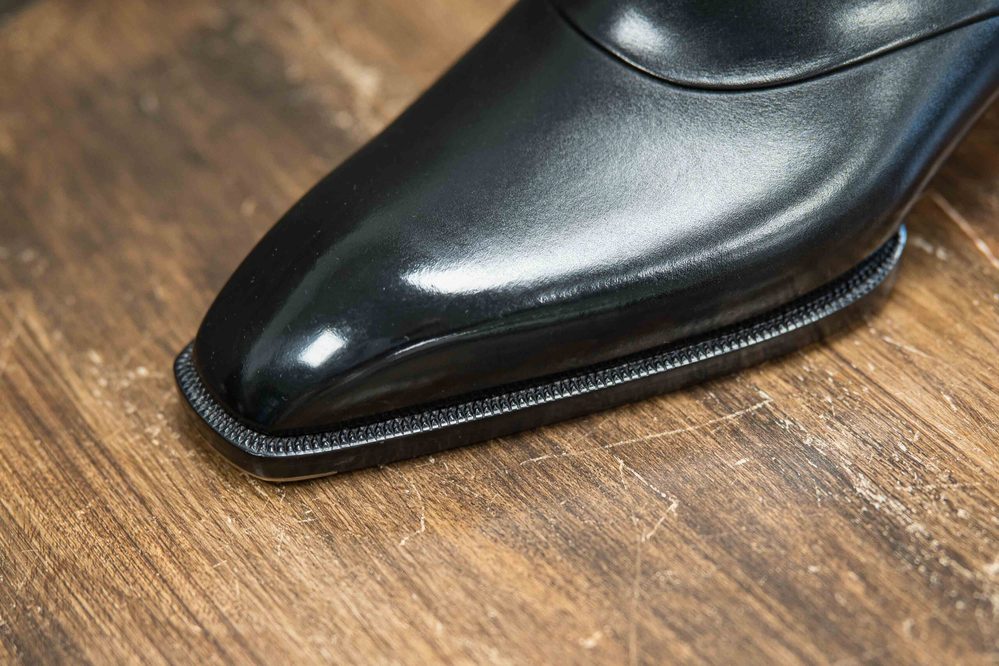
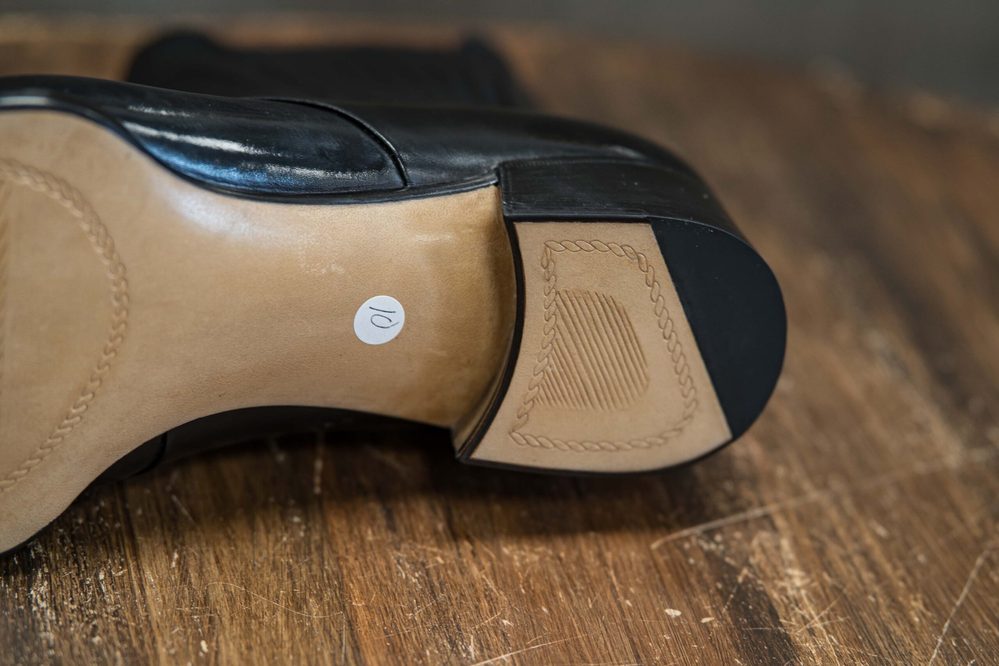
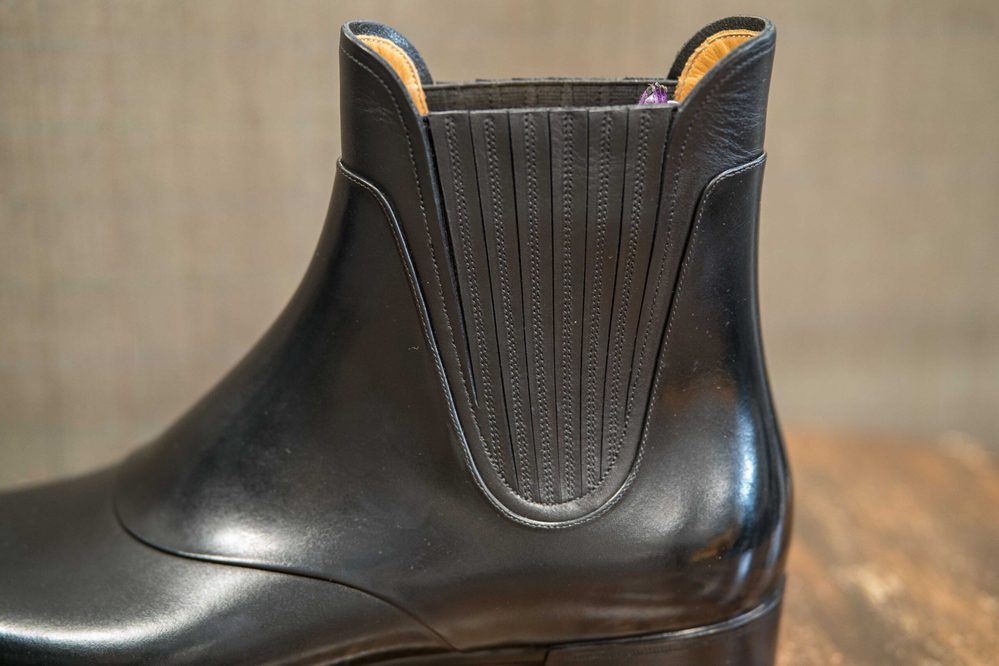
Everything is incredibly clean, sharp and controlled.
We have seen shoes succeed in this competition before largely through superb execution—Eiji Murata’s third-place shoe in 2019 and Wataru Shimamoto’s winning entry in 2022 come to mind—and this belongs in that same category.
Twinkima.G scored exceptionally highly for execution and design/aesthetics, while difficulty and originality were somewhat lower.
It is a good reminder that you do not necessarily need to create the craziest shoe in the room to make the podium. Sometimes making something beautifully proportioned and executing virtually every detail to the highest standard is enough.
And rightly so.
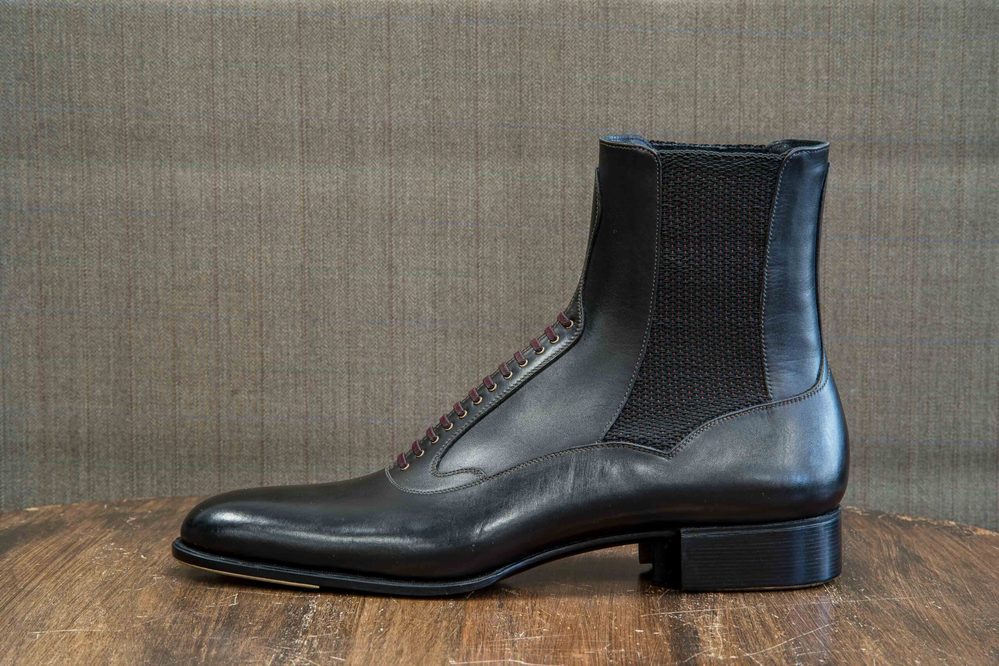
3rd Place – Dmitry Avdyukhov
In third place we have a boot that sits somewhere between the first two.
Dmitry Avdyukhov’s entry has plenty of showpiece elements and Victorian influence, but the overall shape remains somewhat more wearable than Ken’s winning boot.
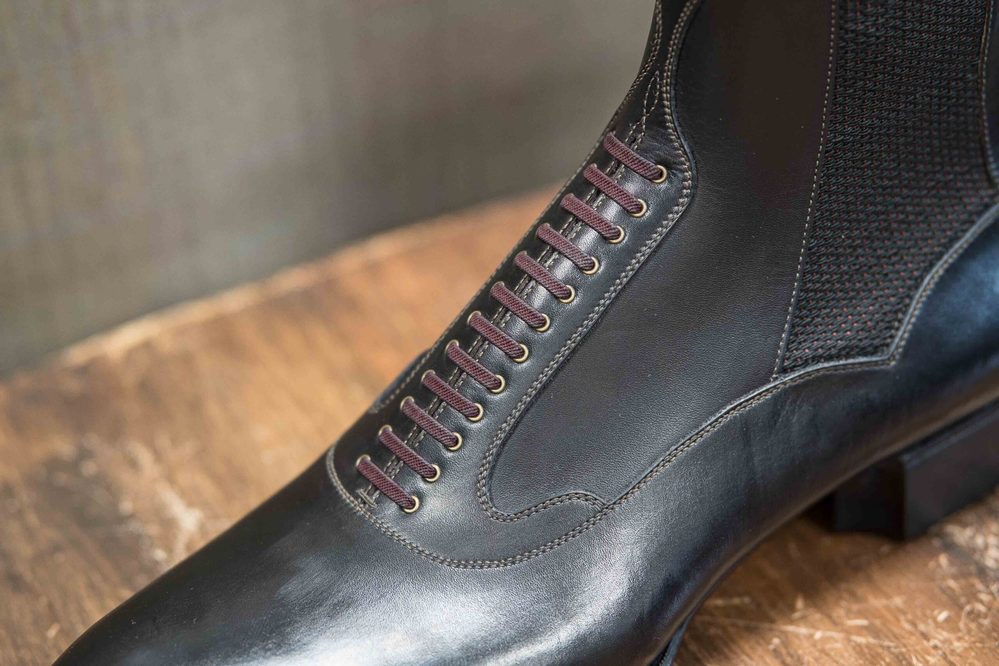
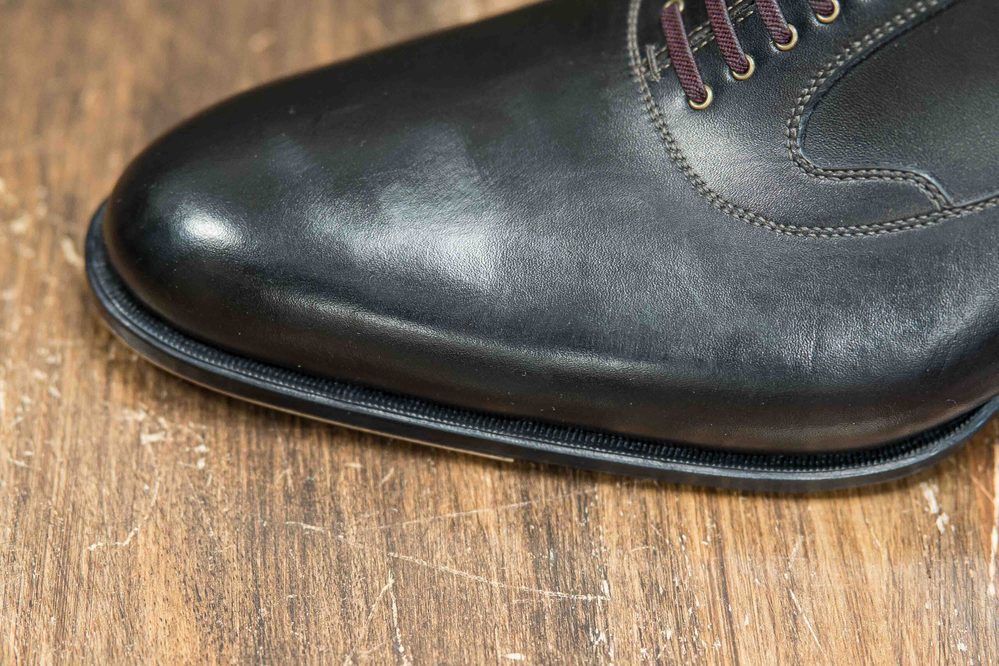
The faux lacing naturally grabs your attention immediately, but there is a lot going on beneath the surface.
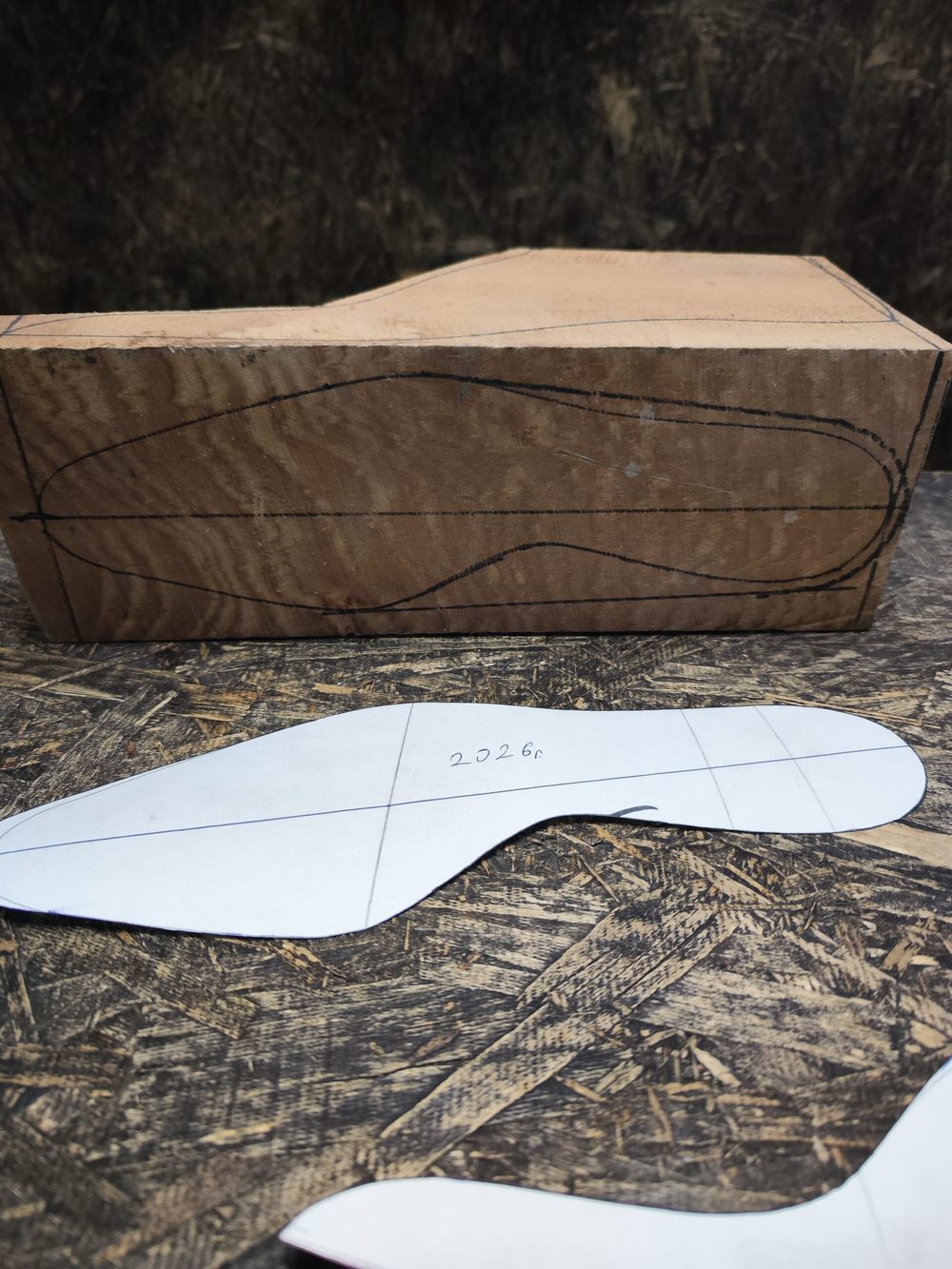
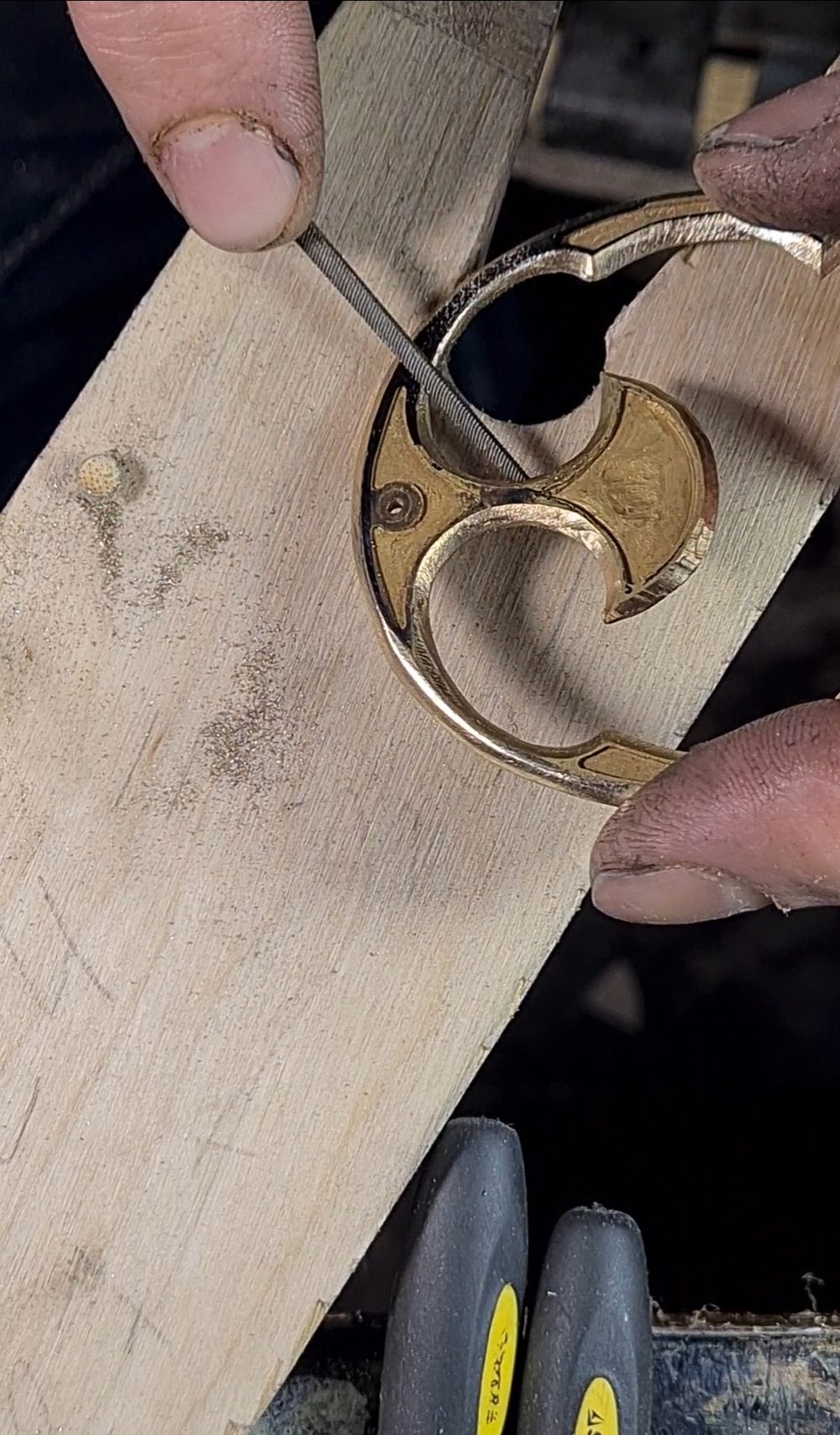
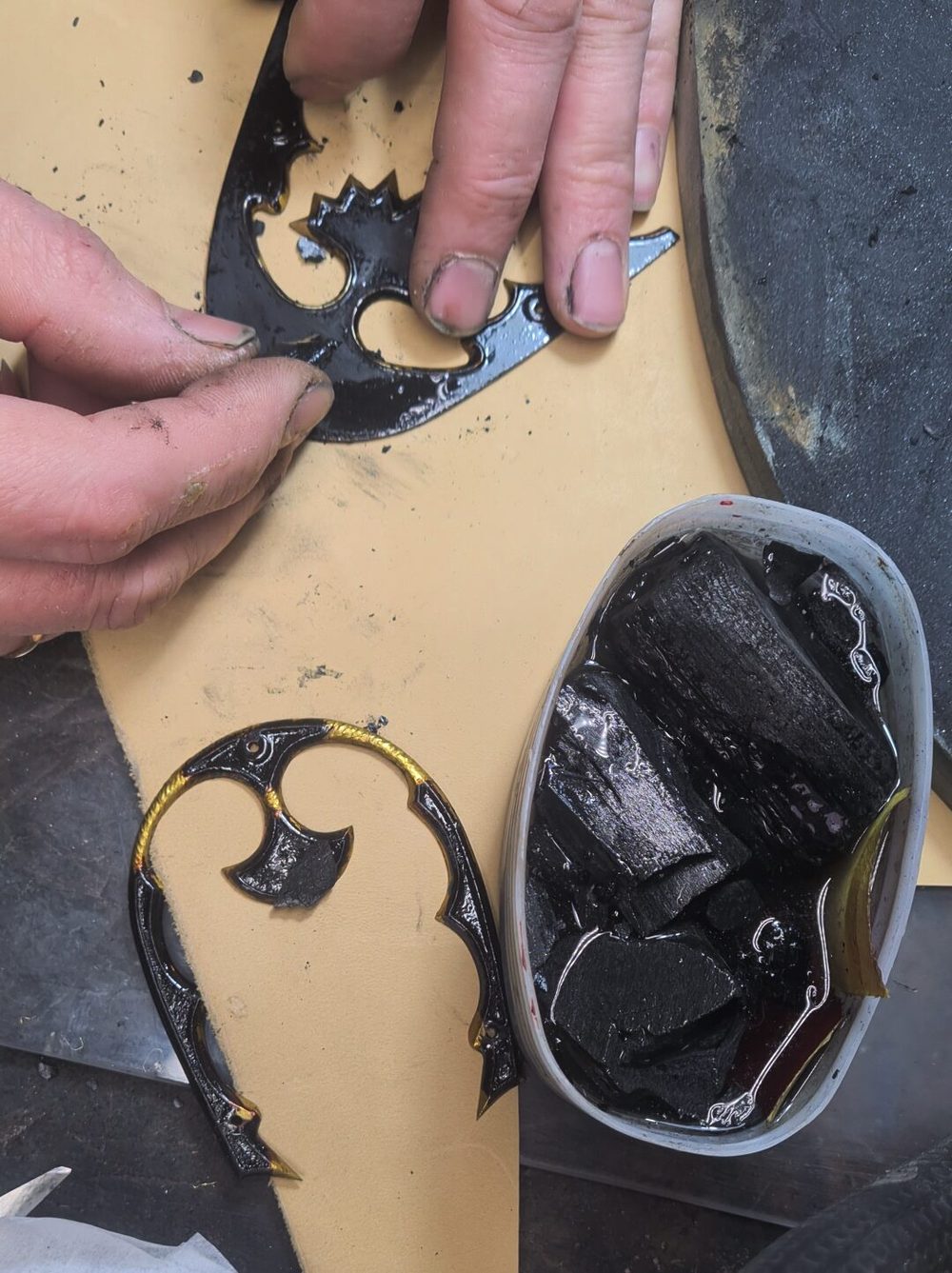
Dmitry is a bespoke shoemaker from Kalach-on-the-Don in Russia’s Volgograd region. He made the last, patterns, upper, and bottom himself, while Evgeny Tabunshchikov created the stacked leather heel and brass decorations.
A large section of the upper is seamless.
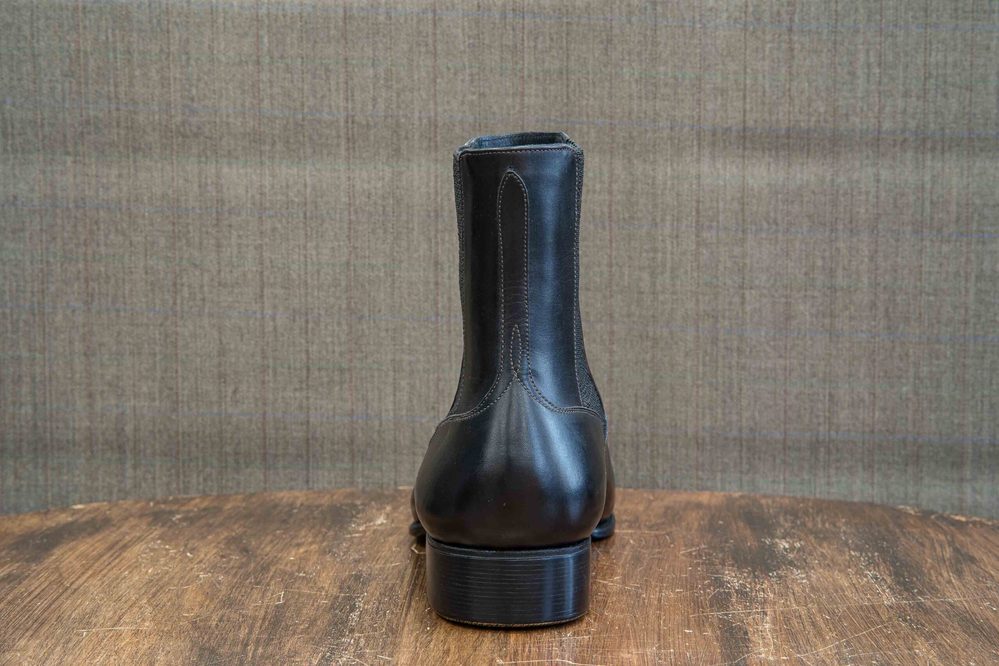
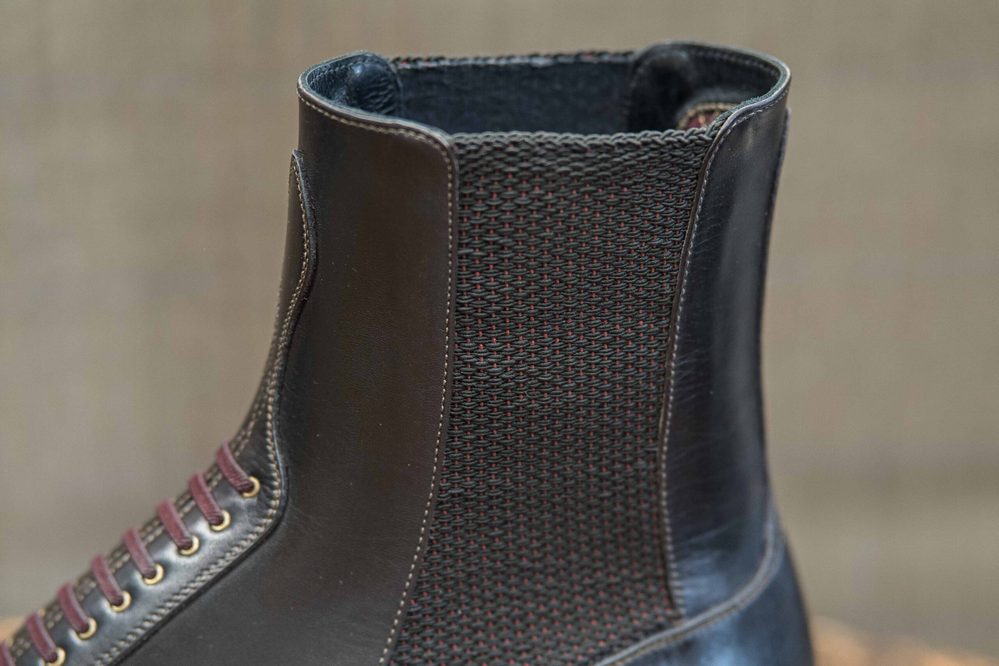
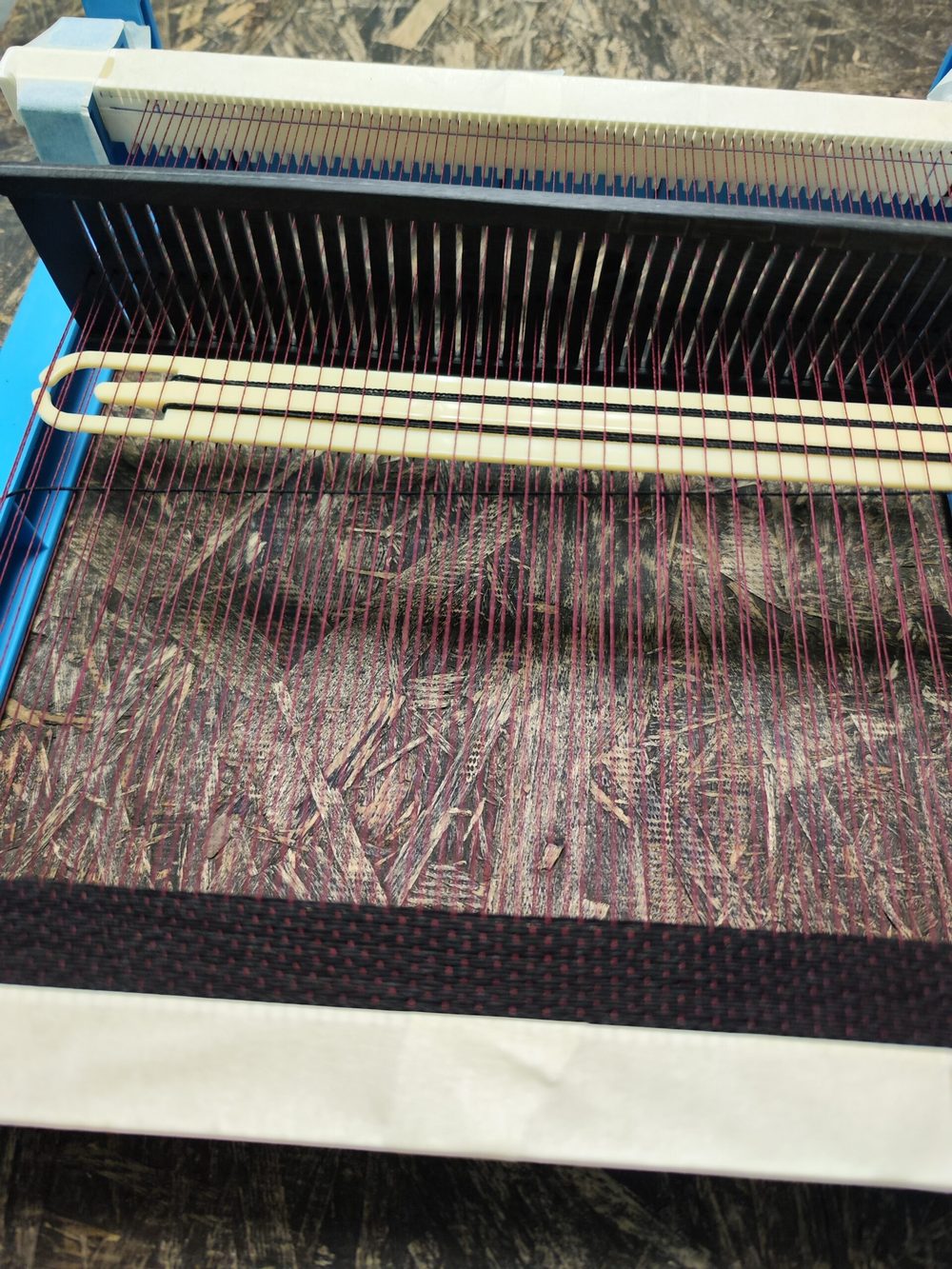
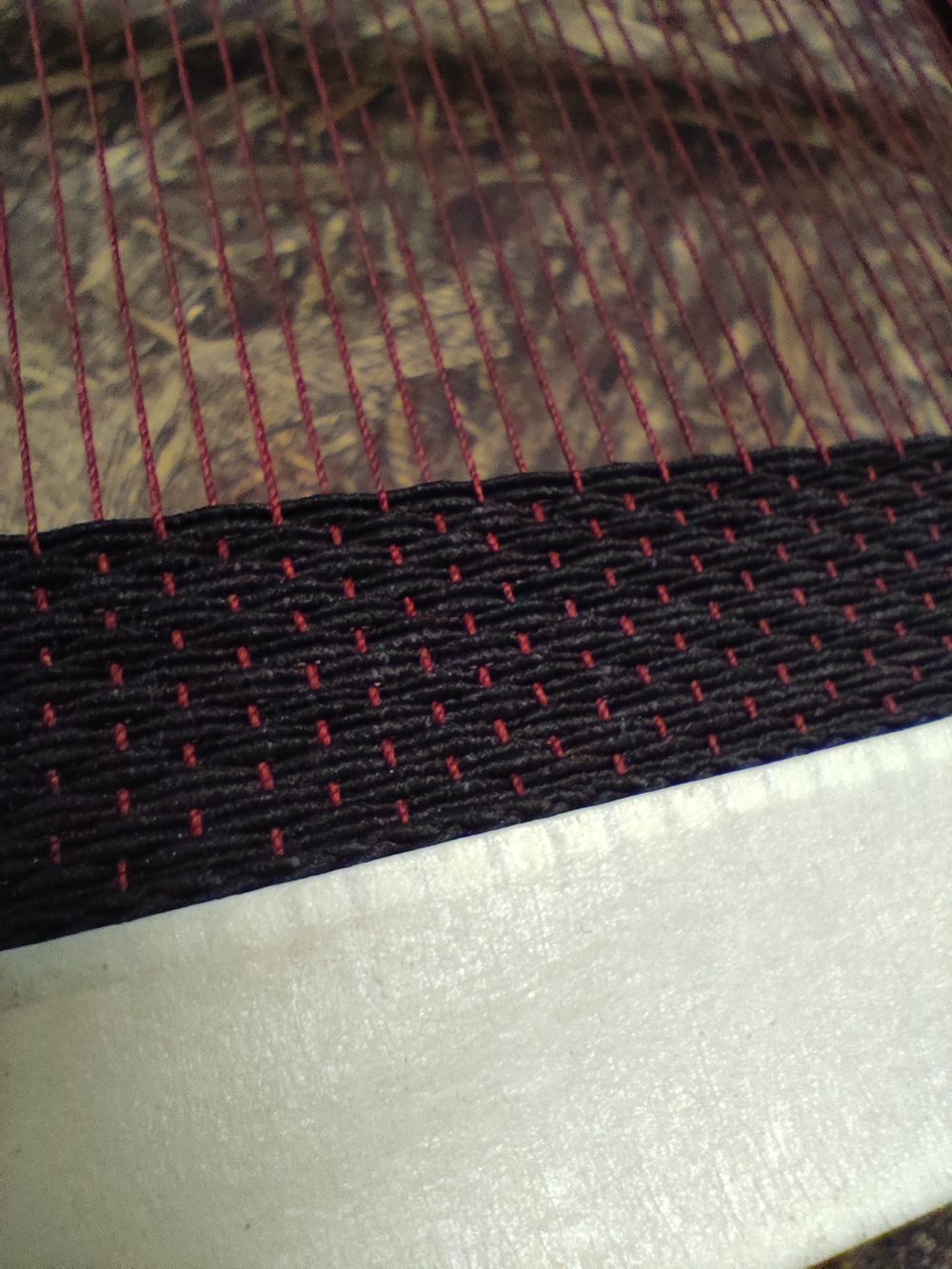
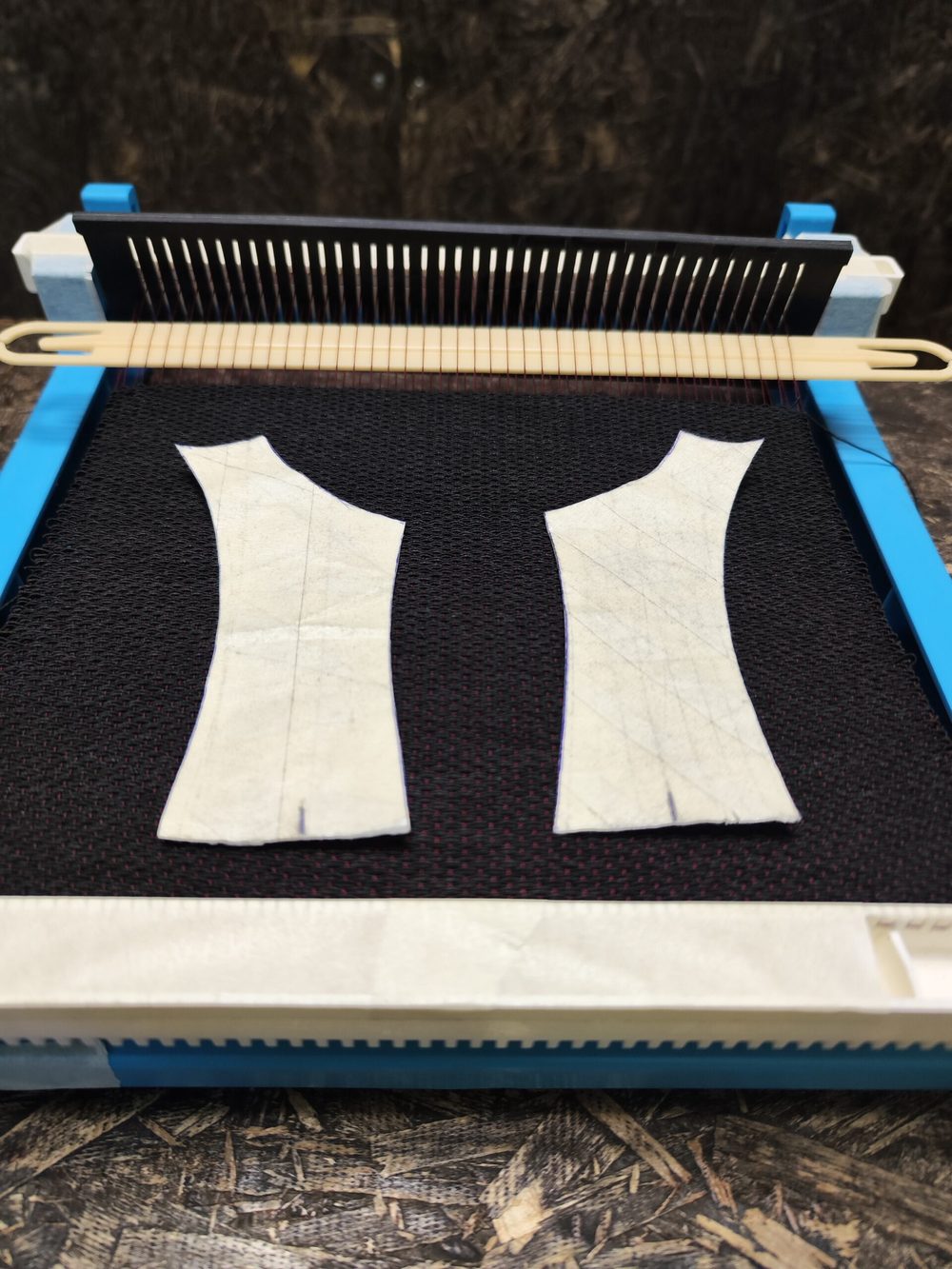
The elastic itself was hand-woven on a loom Dmitry constructed specifically for the job, which gives you some indication of the lengths contestants go to for this competition.
Inside, quilted sections add another layer of detail.
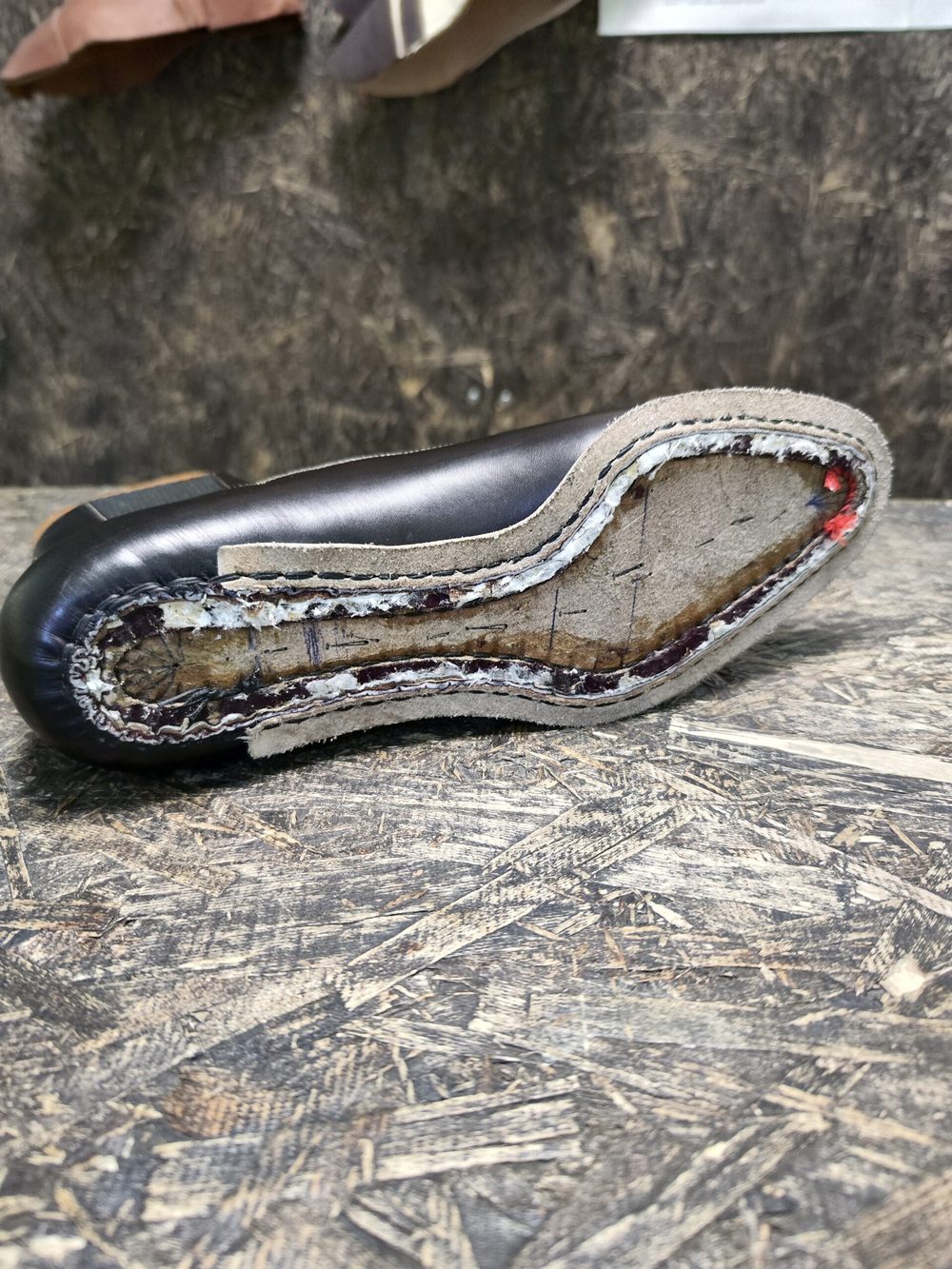
The sole stitching is an extremely fine 24 stitches per inch, while the heel is constructed from numerous thin 2mm leather lifts.
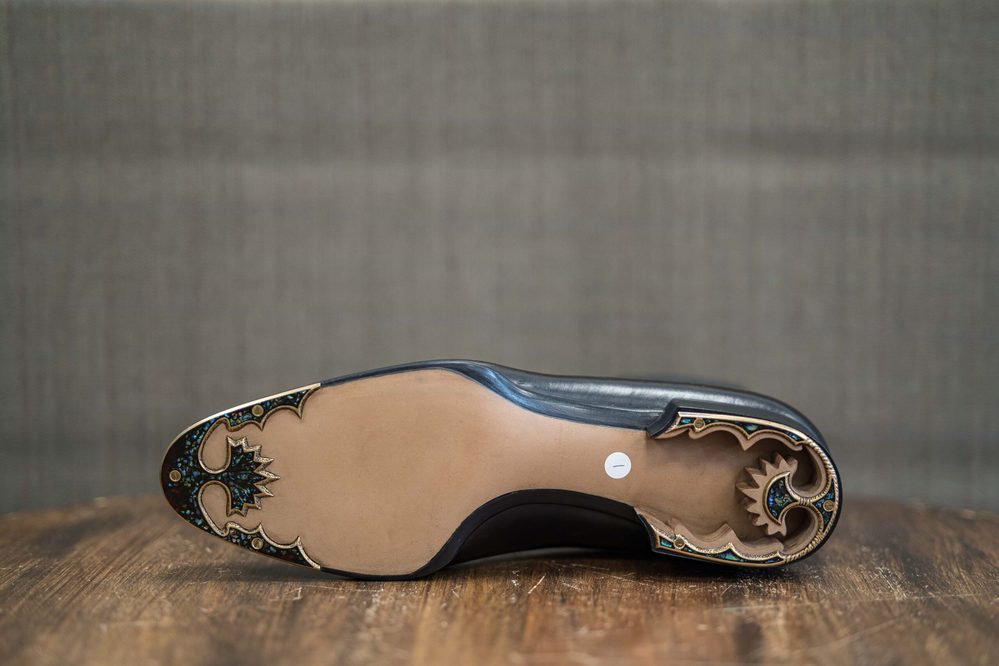
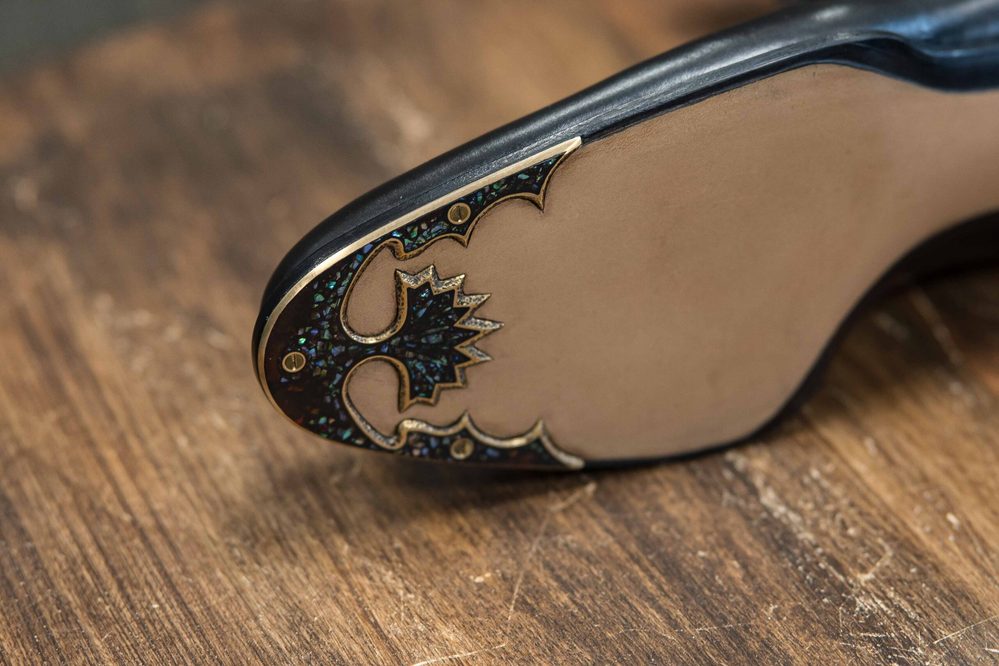
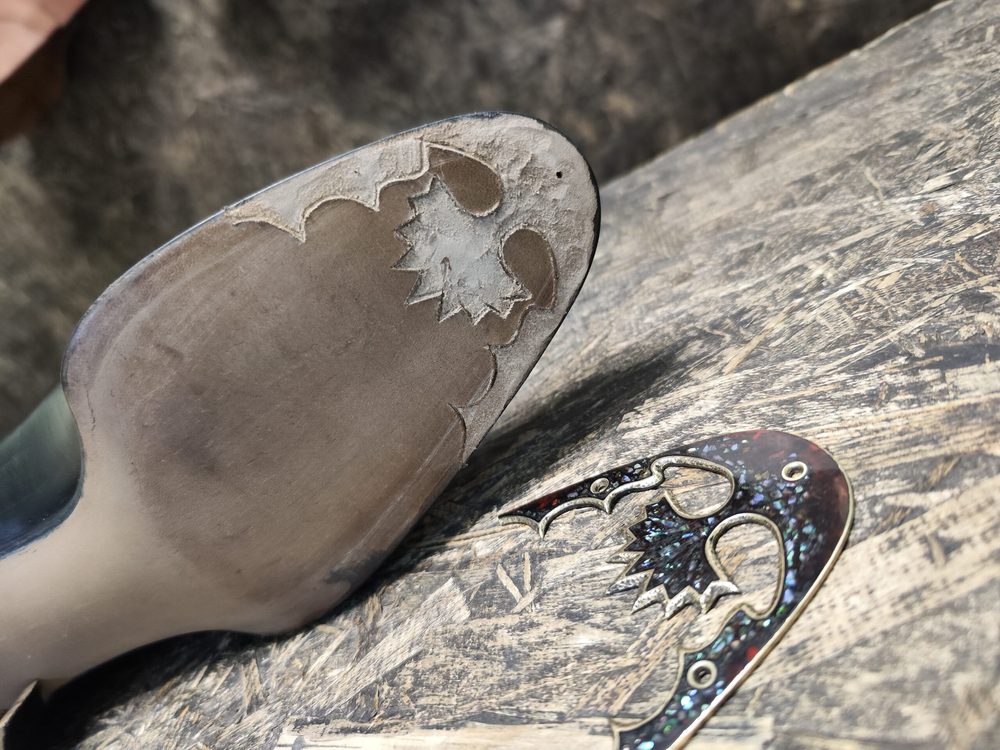
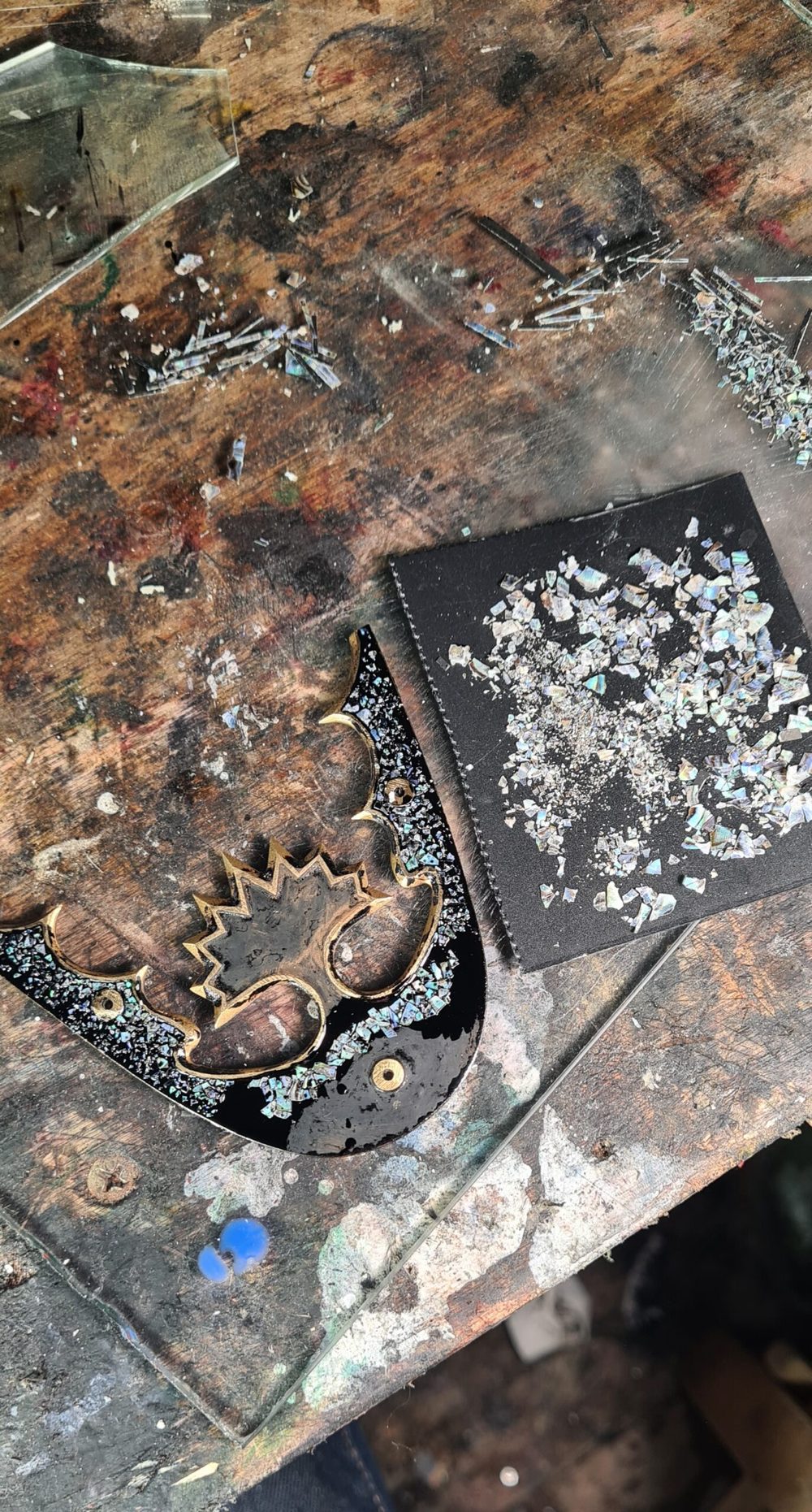
Then you get to the brass toe and heel plates.
These were decorated using urushi lacquer with crushed mother-of-pearl embedded into the design. The result is beautiful and technically ambitious.
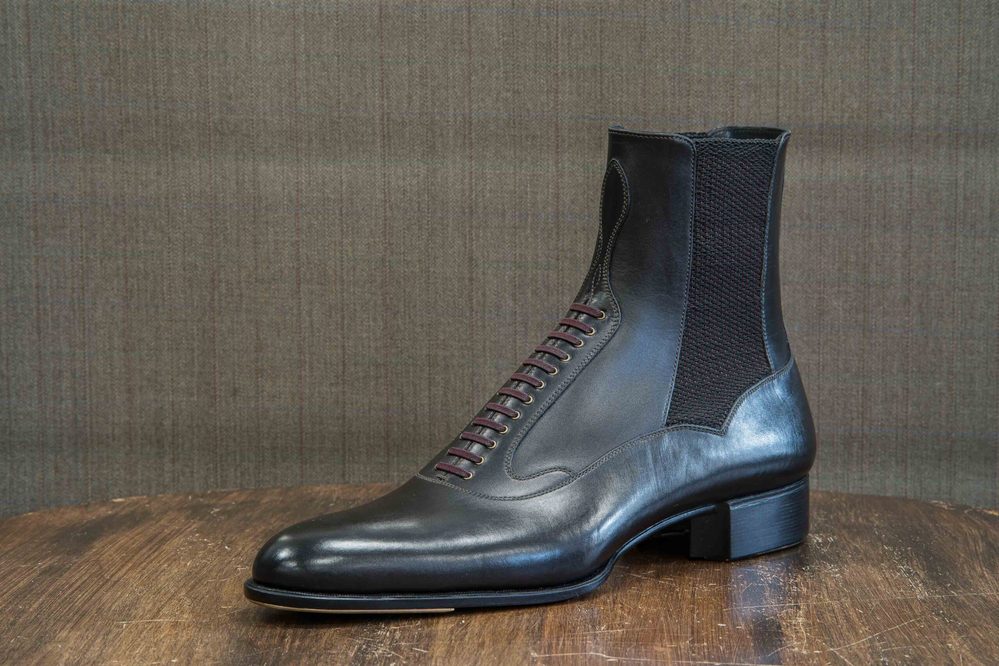
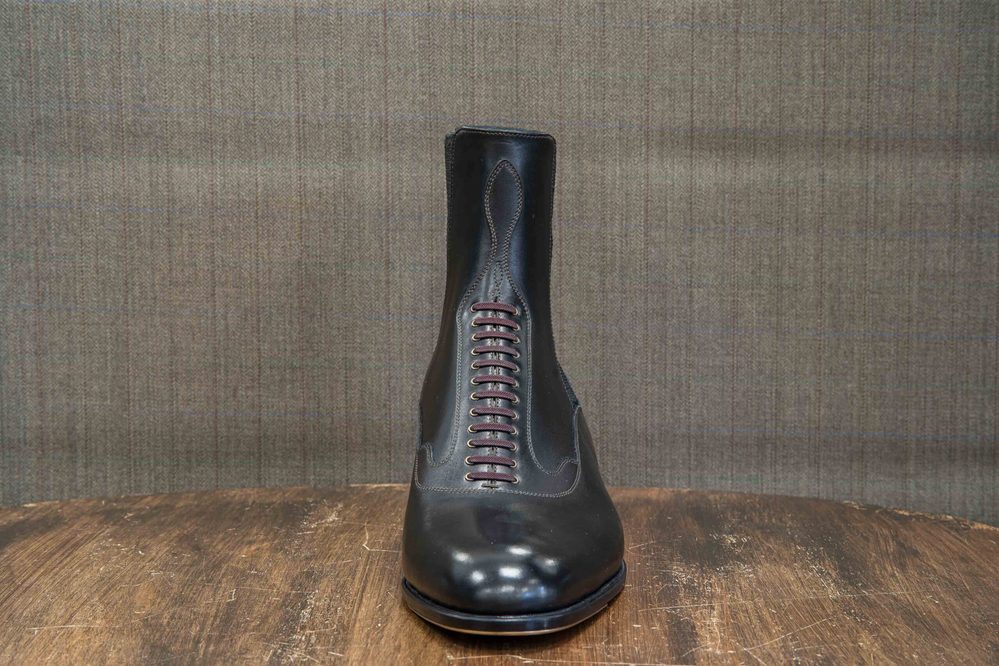
The decorative lacing also gives the boot something of a Balmoral appearance, which is a nice historical nod given that the Chelsea boot itself developed from earlier Balmoral-style footwear.
The judges scored Dmitry consistently highly across all four categories rather than having one single area carry the entry.
And apparently around 300 hours of work went into it. For context, most bespoke shoes have around 20-40 hrs put into them.
That included making a fully hand-sewn upper that was damaged during lasting, forcing him to remake part of it.
Competition shoemaking is not for the faint-hearted.
This one was among my favorite pieces and one that I would easily wear personally.
4th Place – Sébastien Decaix
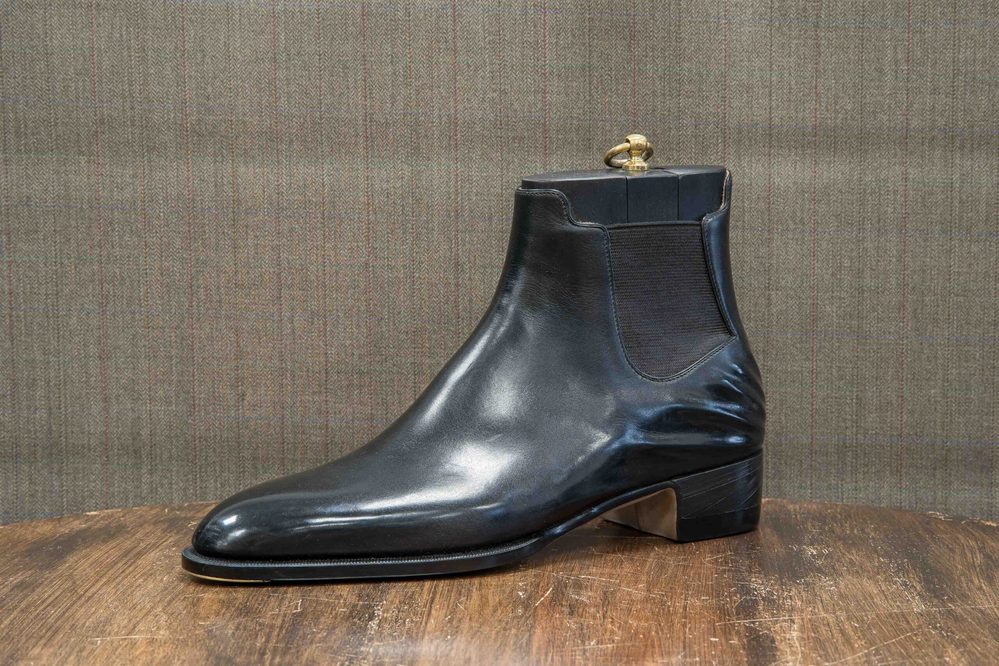
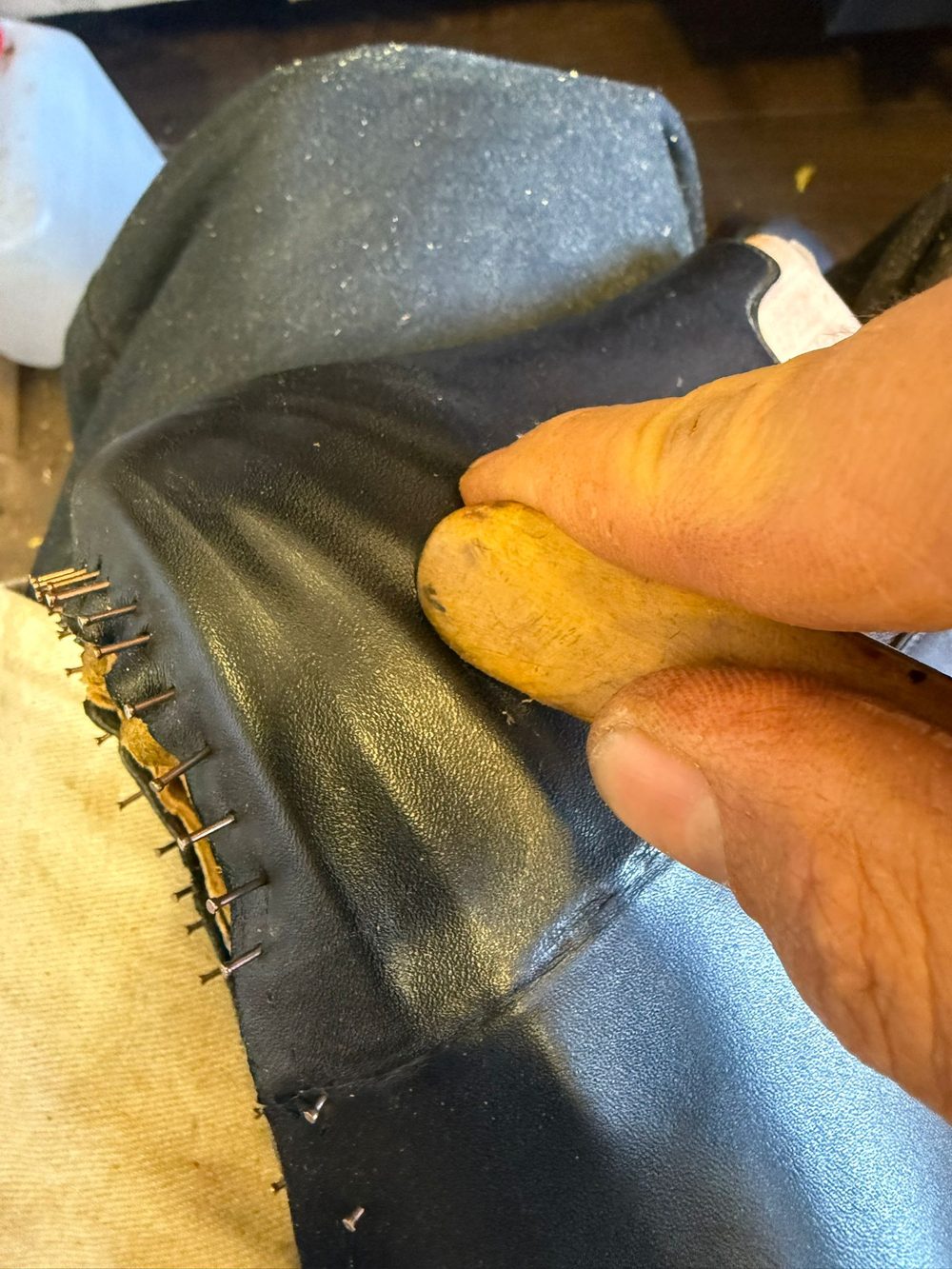
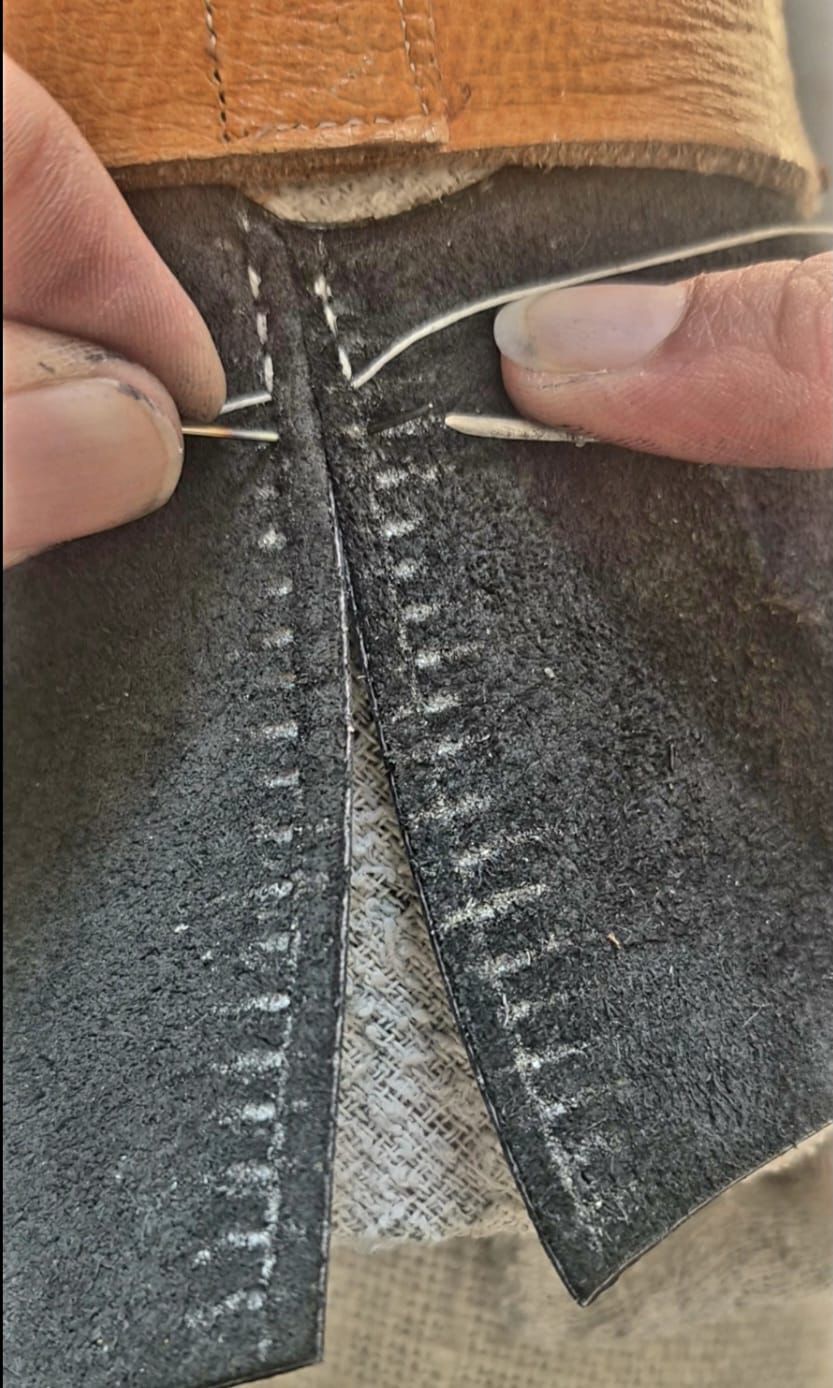
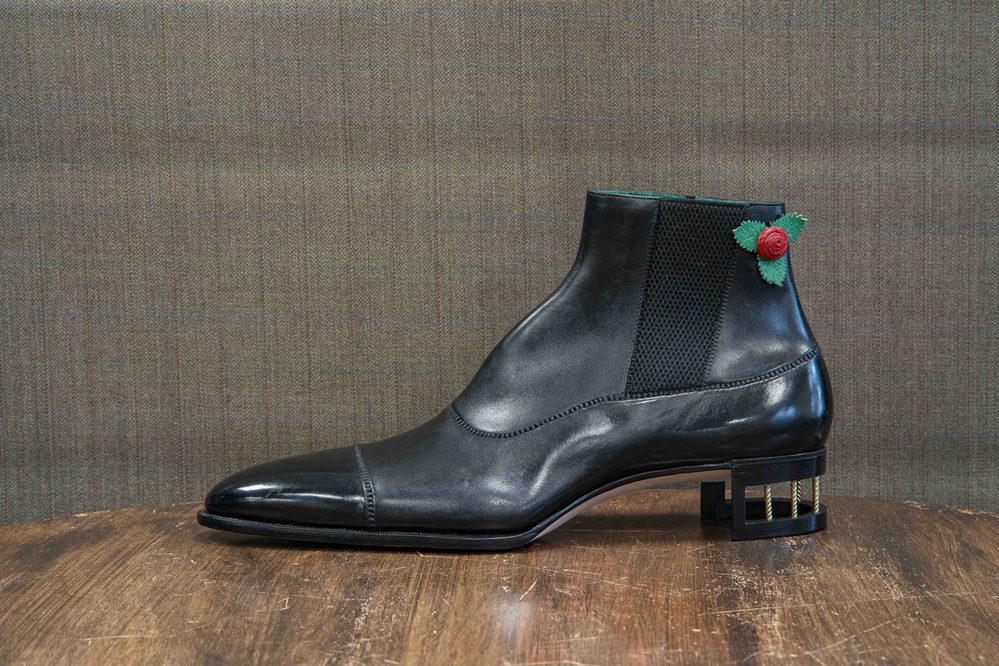
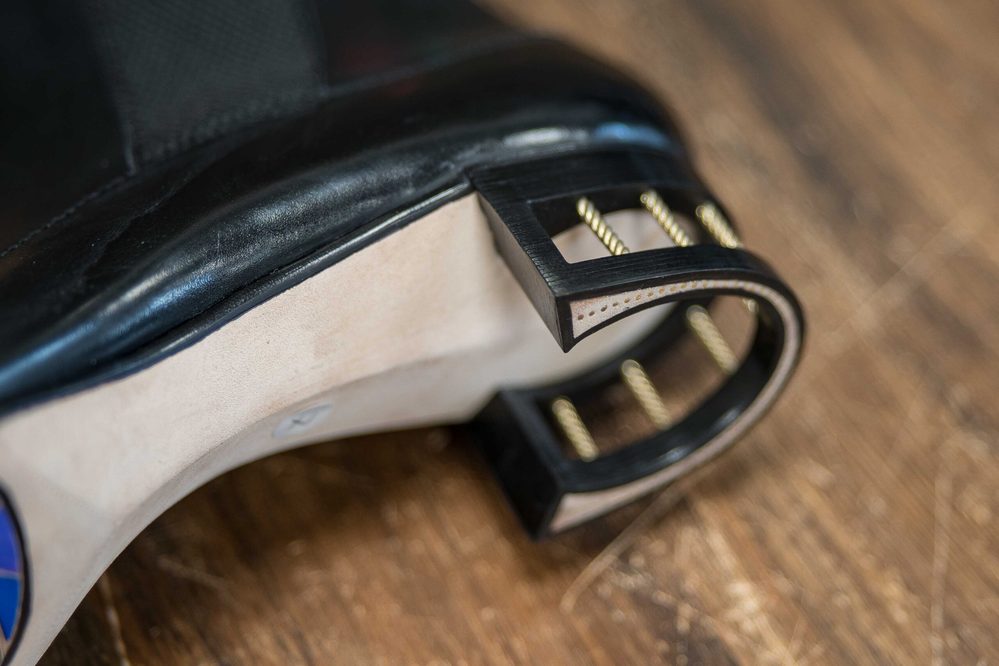
At first glance, Sébastien Decaix’s boot might appear relatively understated. Then you turn it around.
Sébastien is a French bespoke shoemaker who grew up in Japan. He apprenticed with Philippe Atienza in Paris and trained in lastmaking at John Lobb Paris before recently launching his own brand.
Finishing fourth in the World Championships is certainly one way to introduce yourself.
This was another collaborative entry.
Claire Daubé handled pattern cutting and upper stitching, Alexandre Mouret and Patrice Lejeune worked on the straw marquetry and metal inlay, Théodore Mkrttchian carried out the blocking, while Sébastien completed the remainder of the boot.
Hervé Brunelle made the shoe tree, although—as always—the tree itself was not part of the judging.
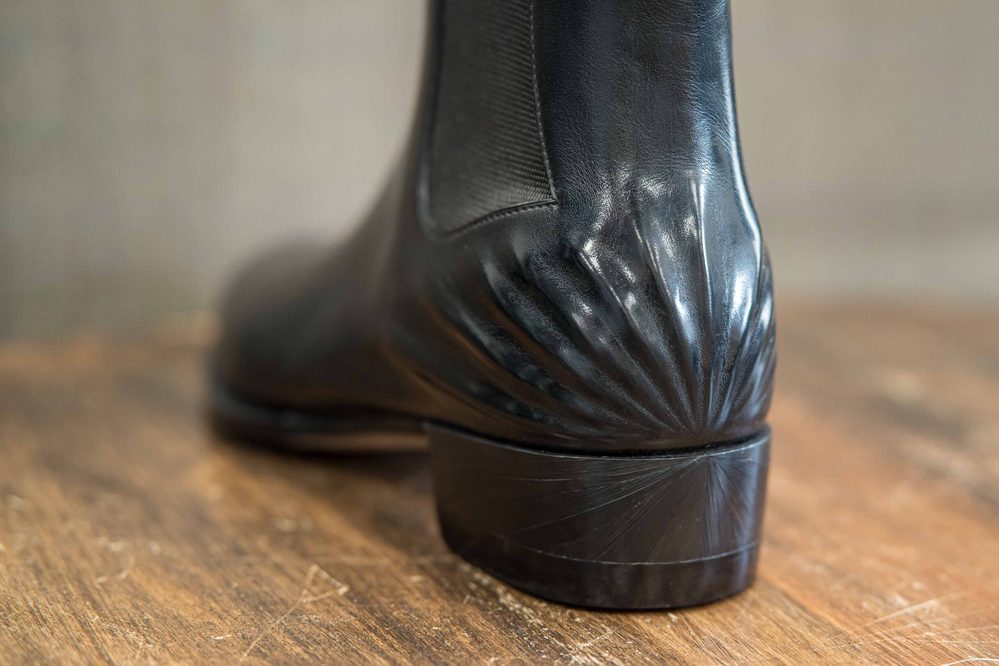
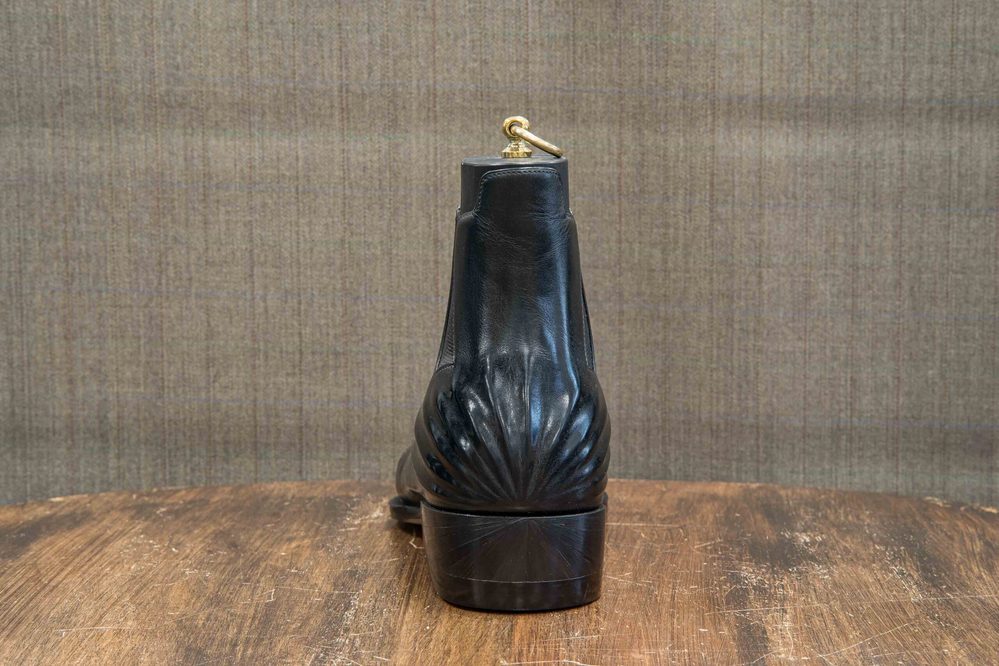
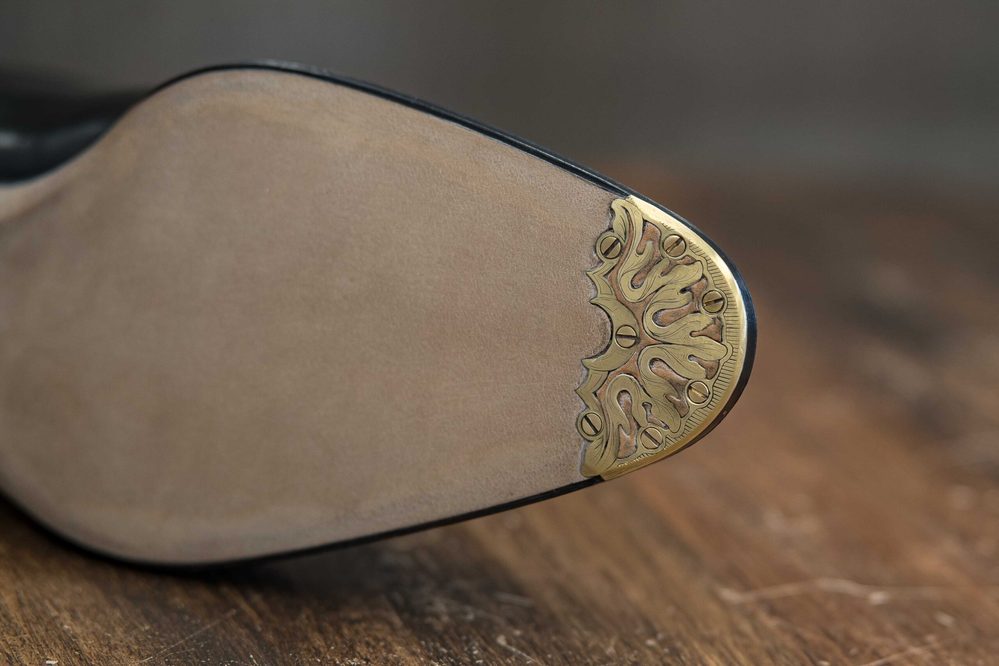
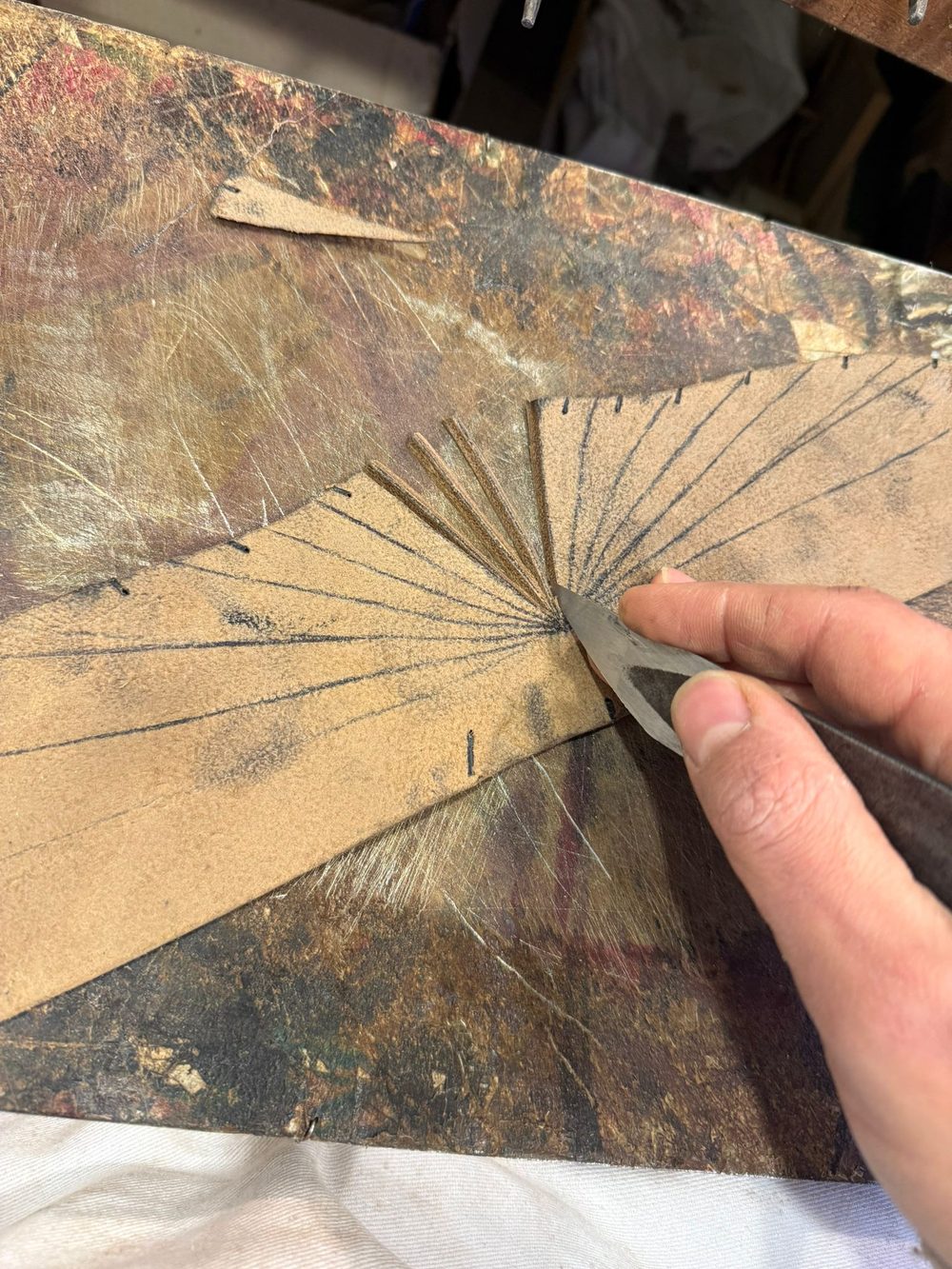
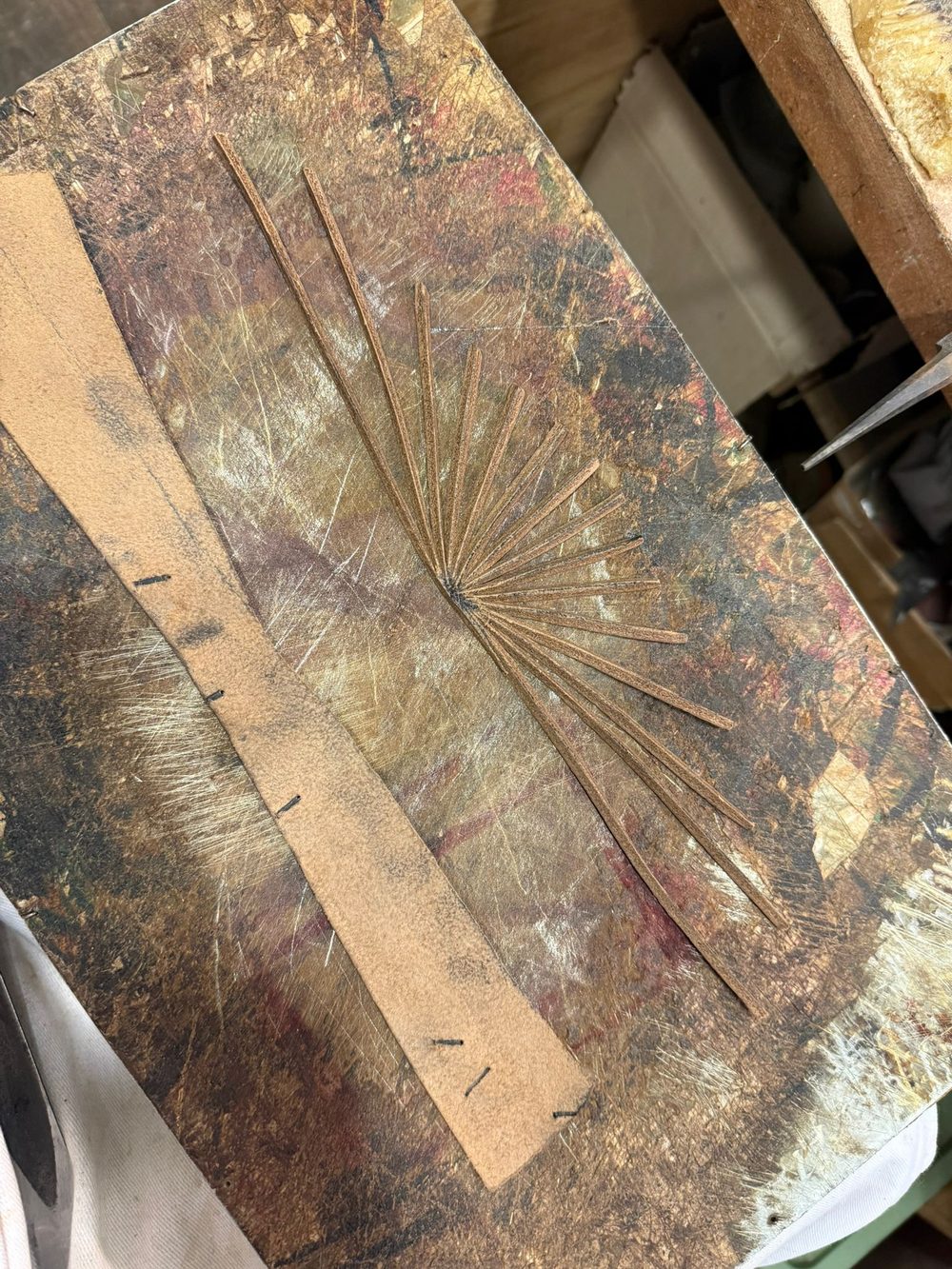
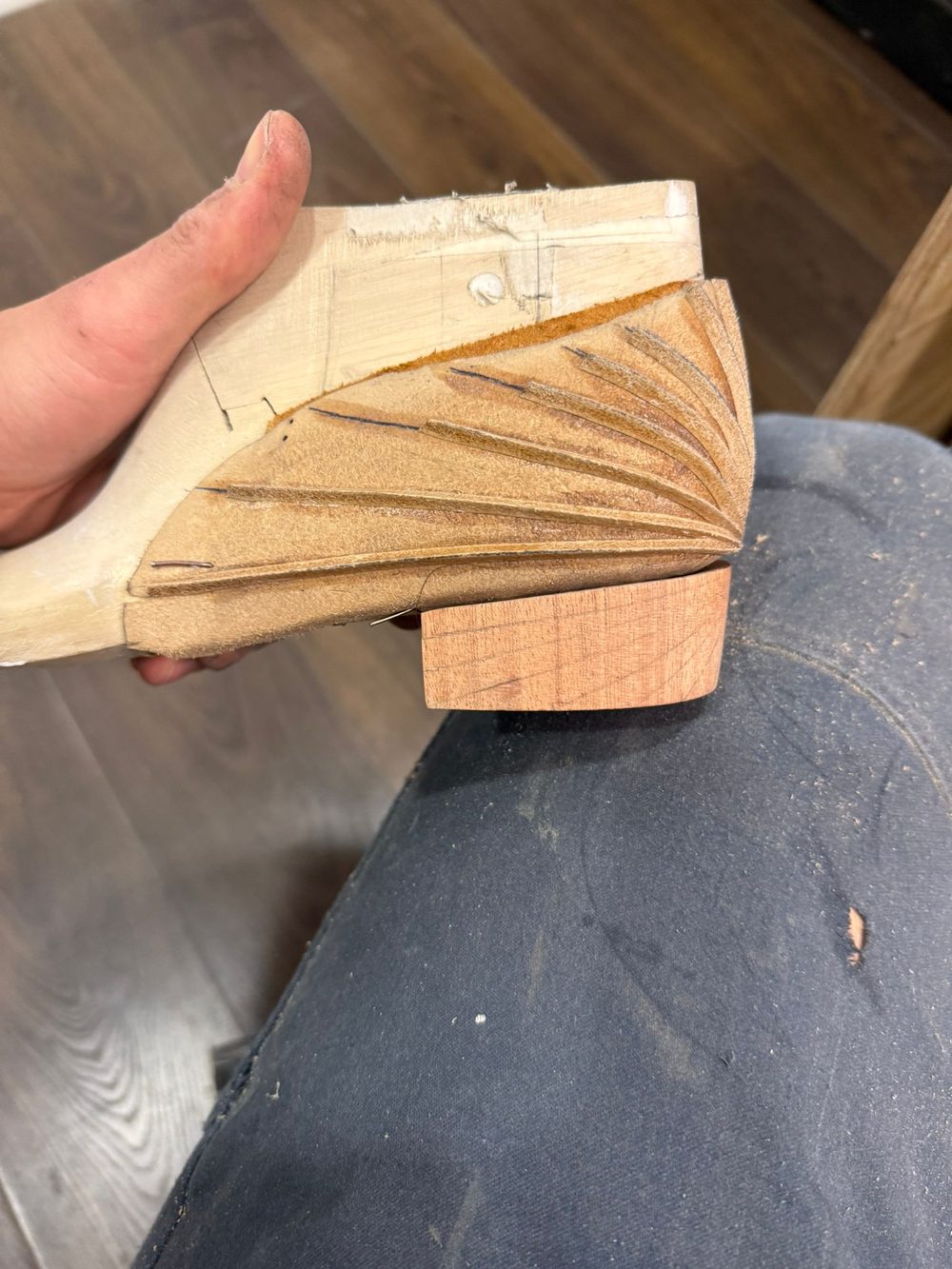
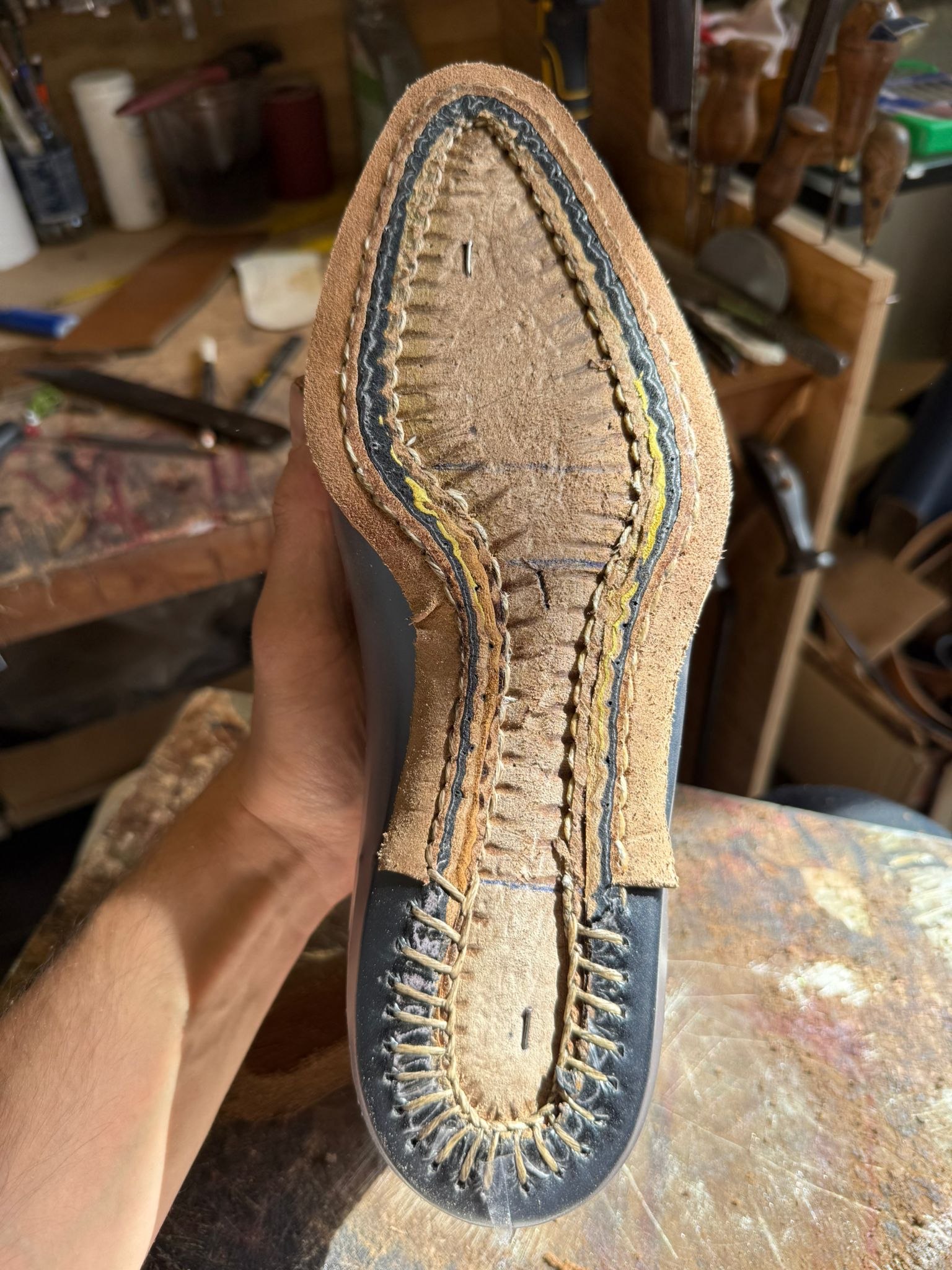
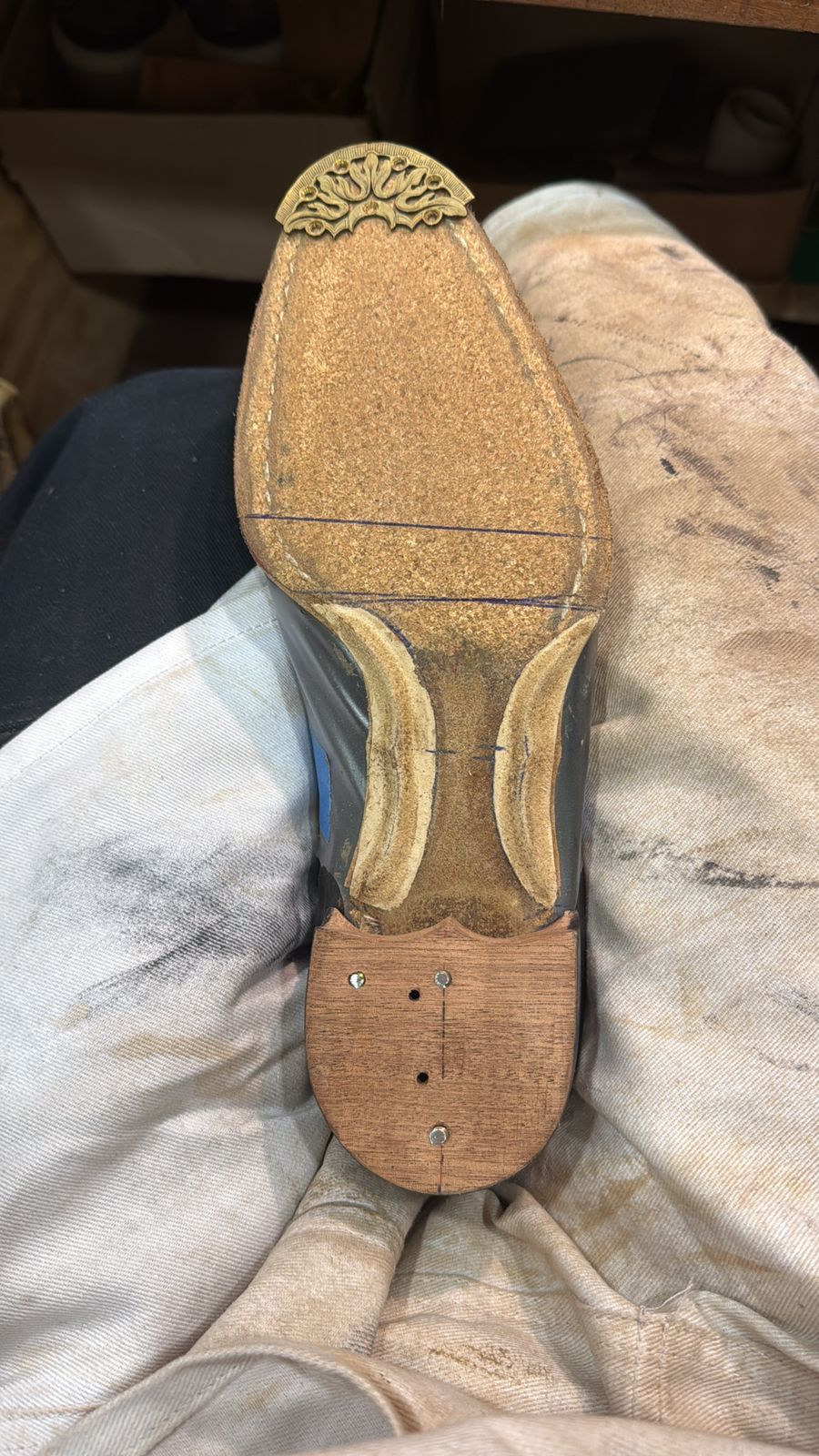
The real magic happens around the heel. The heel stiffener was sculpted by hand and carefully integrated with the heel pieces, producing an extraordinarily complicated rear construction.
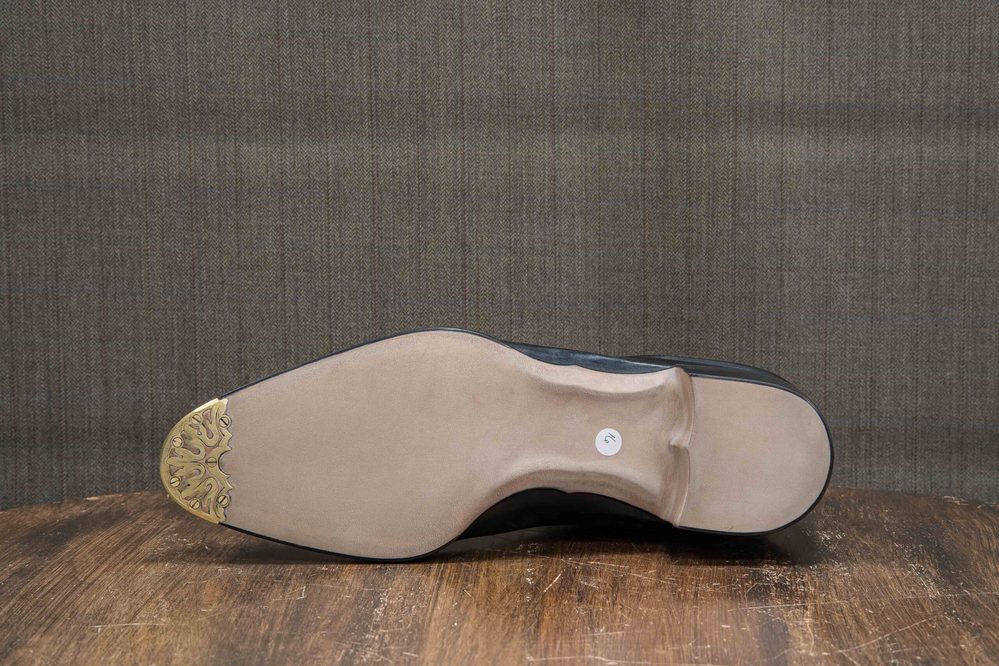
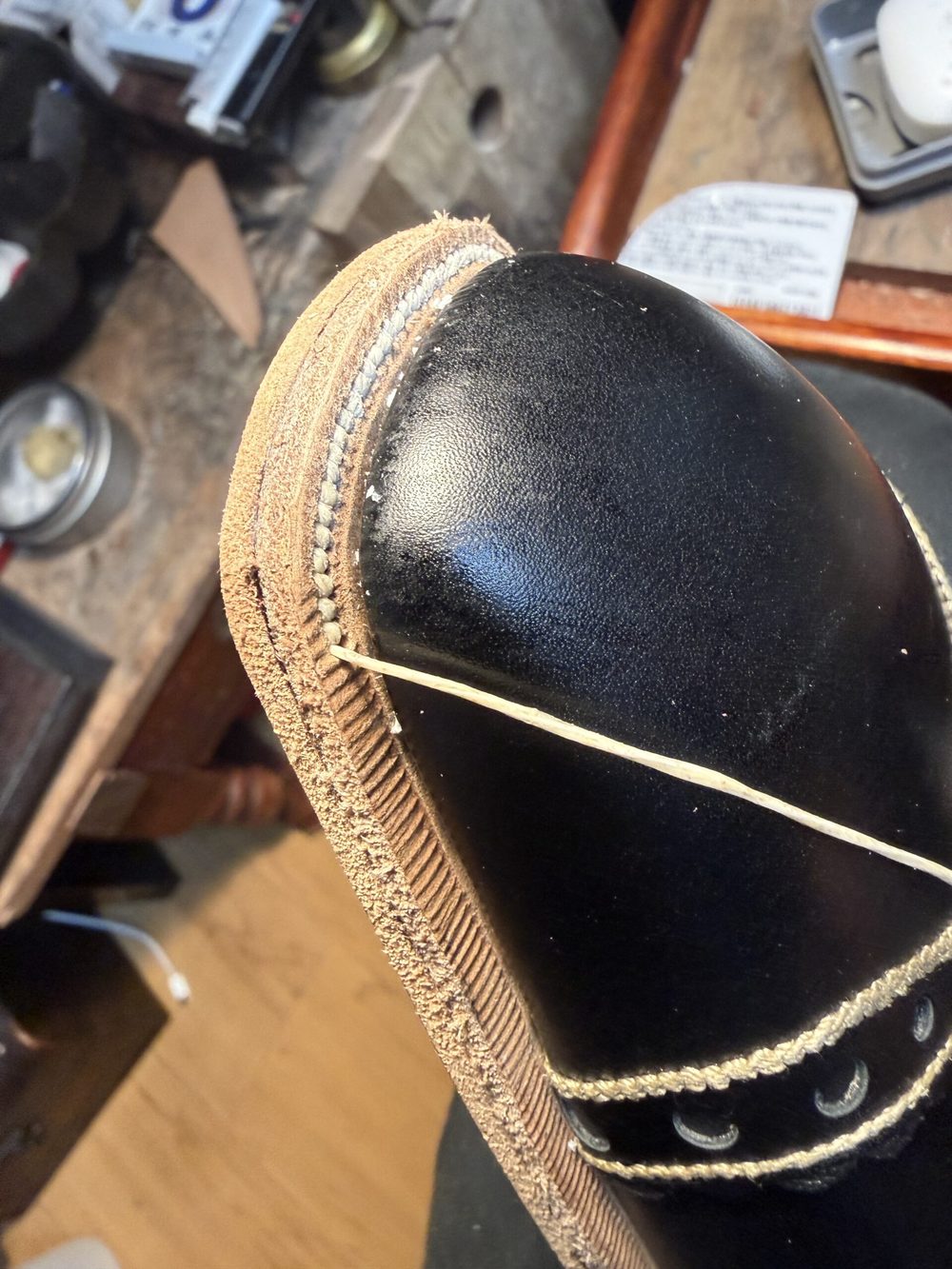
Black straw marquetry covers sections of the heel and sole edges, while the outsole itself was produced as one complex piece. The sole stitching comes in at a very clean 18 stitches per inch.
From underneath, the sole continues across the breast of the heel and effectively becomes the top piece.
It is technically fascinating.
The boot scored particularly well for its construction and originality, though it lost some ground in design/aesthetics.
Whether one loves every stylistic element or not, there is a huge amount of thinking and craftsmanship here.
5th Place – Andrey Kaveshnikov / Moscow Shoemaker
Another maker who is becoming very familiar with the upper end of these rankings is Andrey Kaveshnikov of Moscow Shoemaker.
He has become a remarkably consistent Top 10 finisher and came closer than ever to reaching the podium this year.
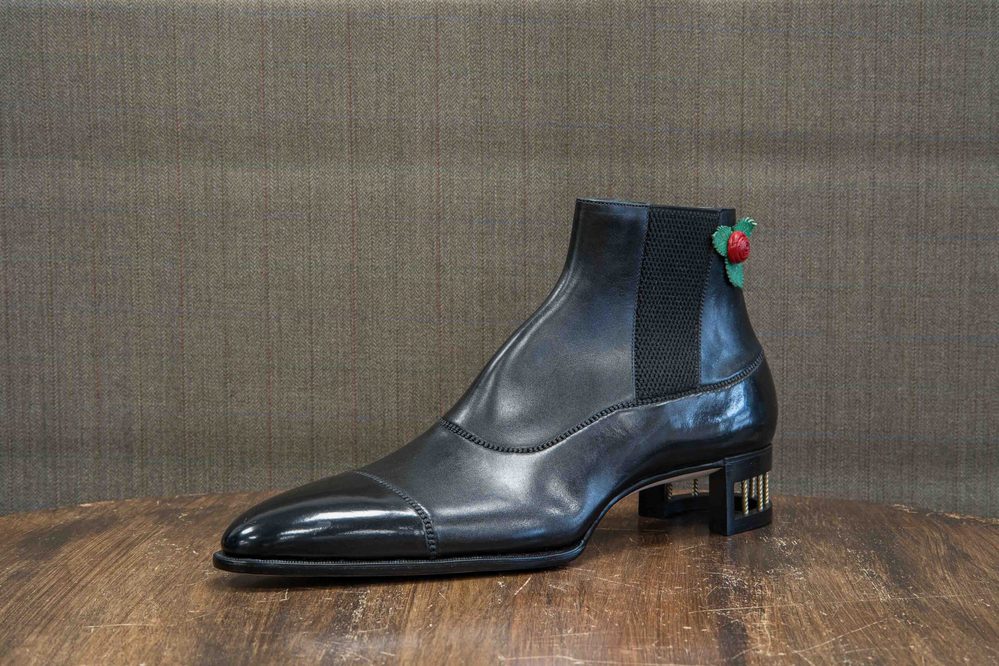
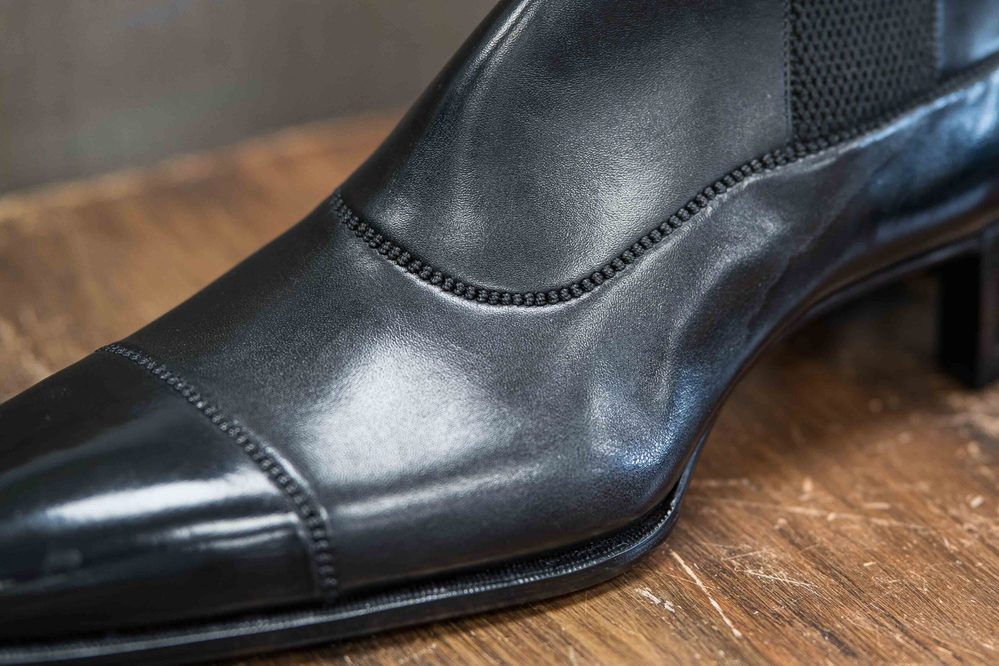
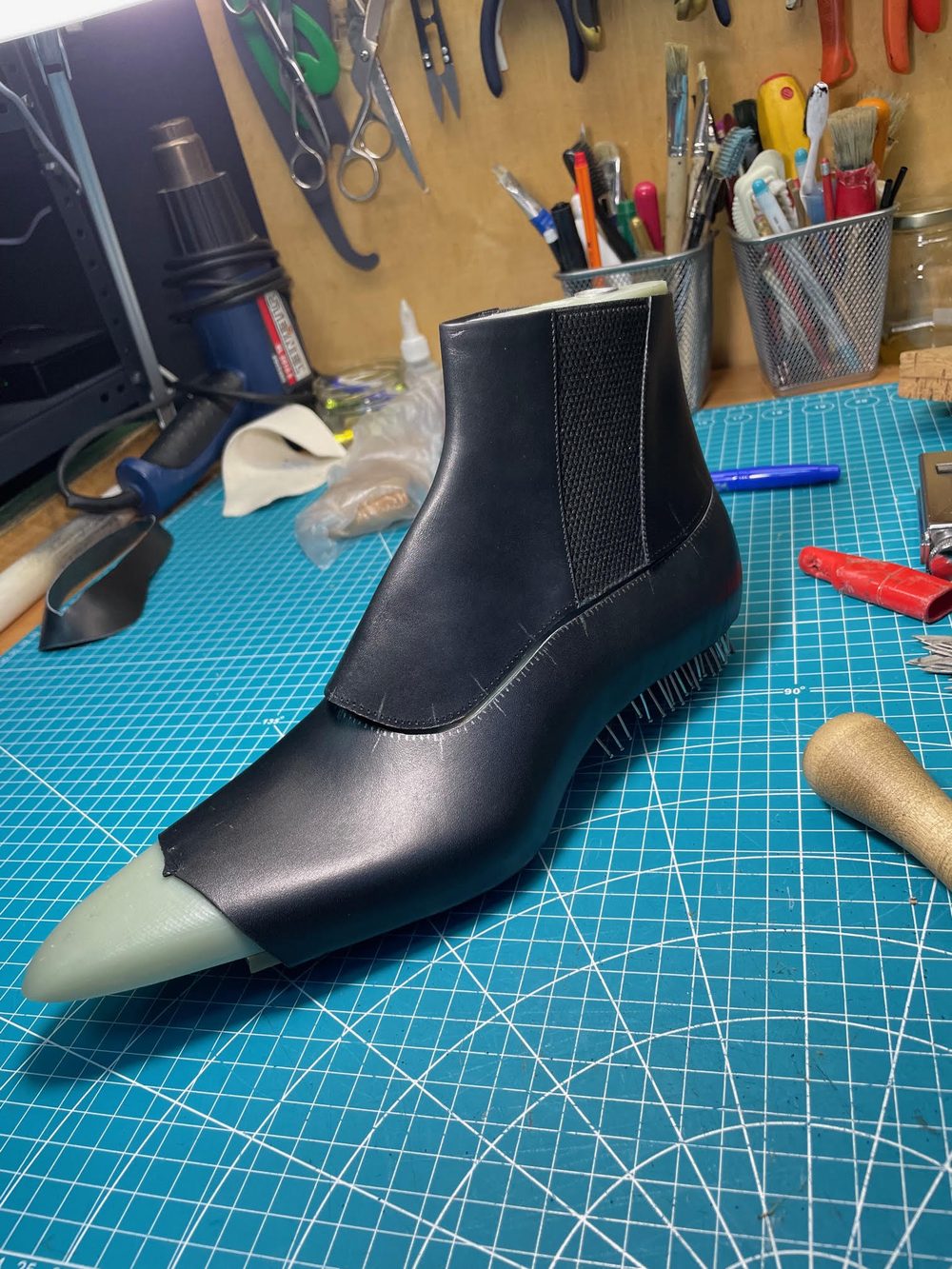
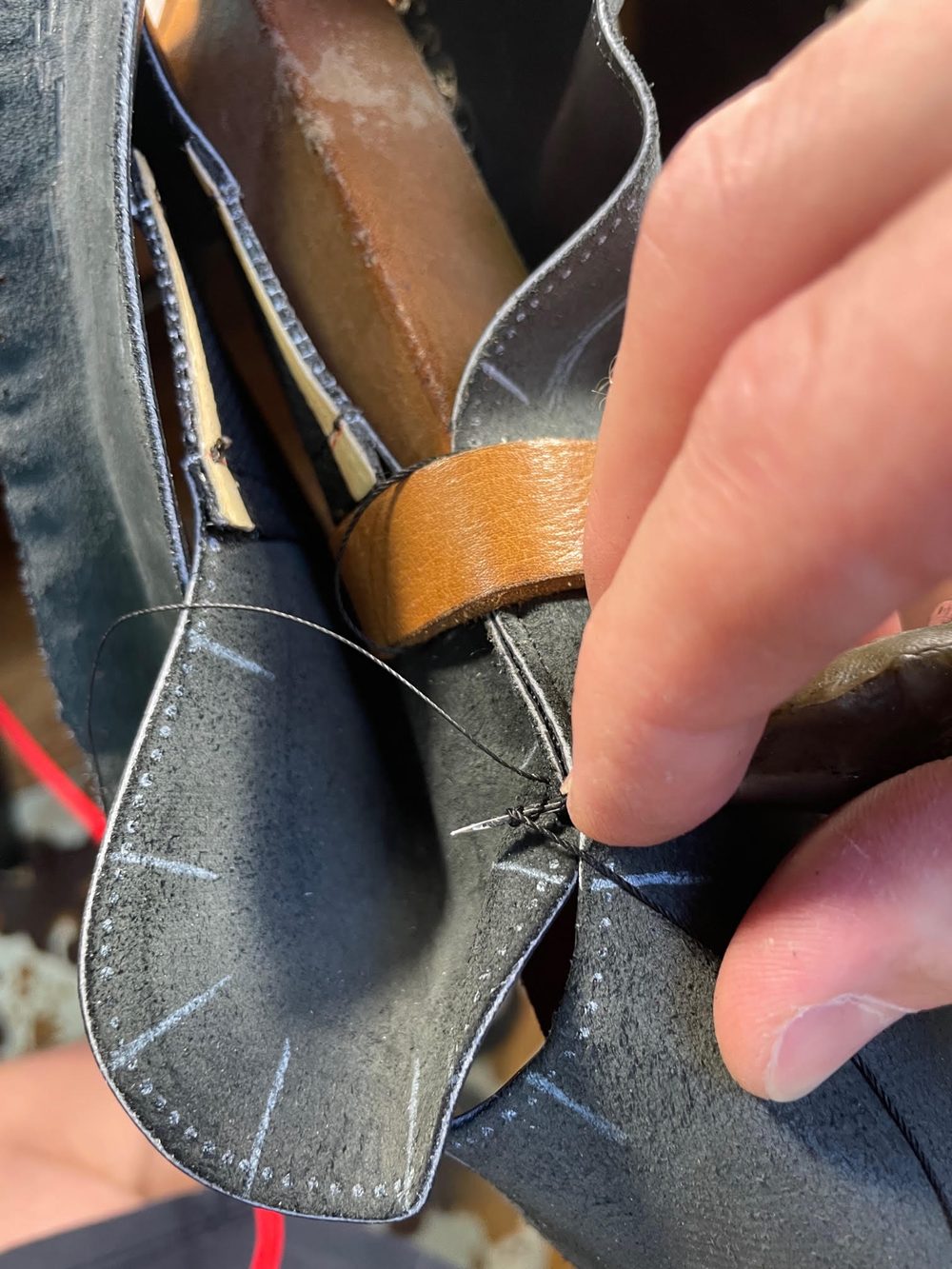
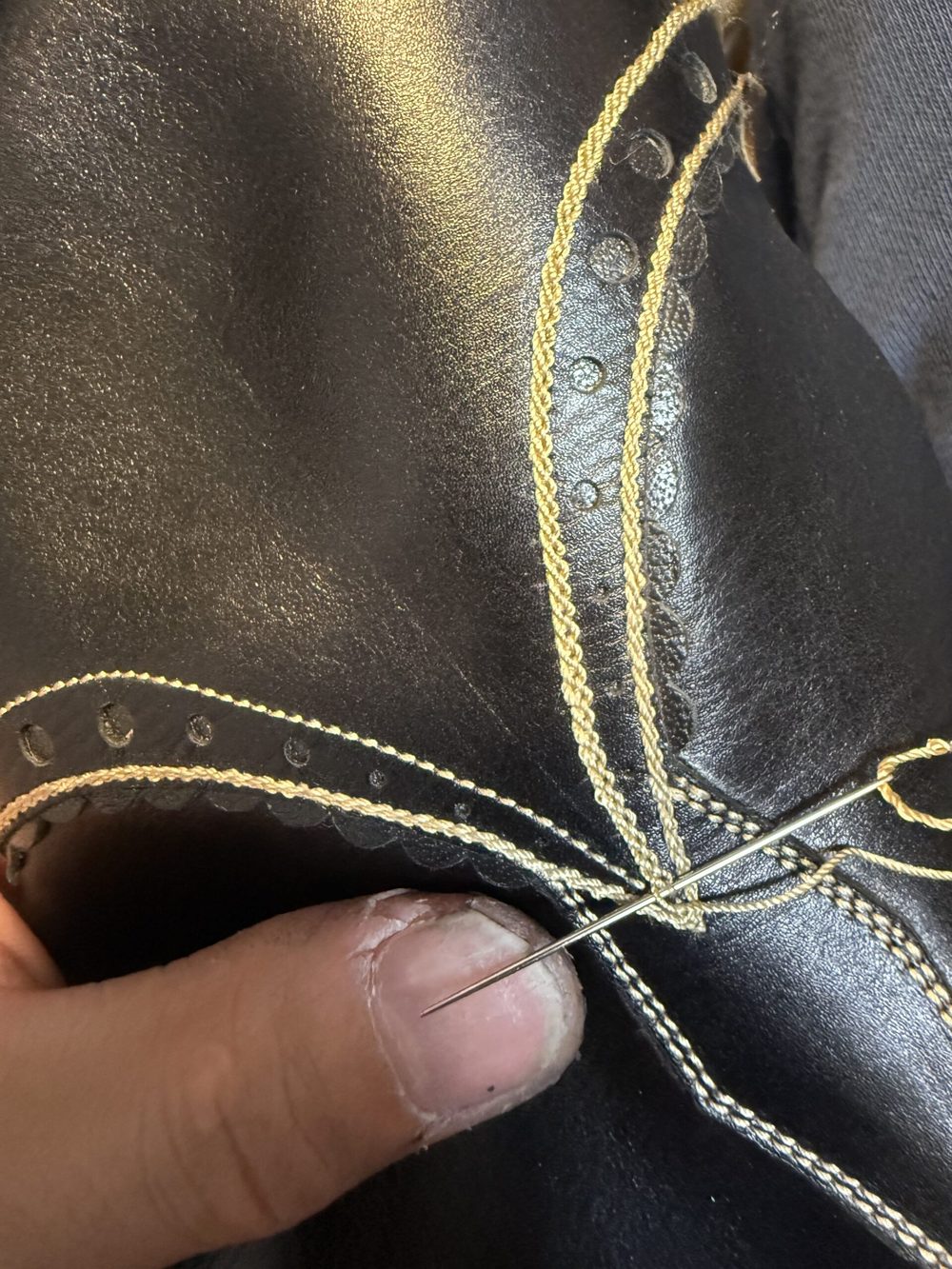
His boot uses an old Russian upper-making method known as Kazan, or ichig, involving elaborate hand stitching.
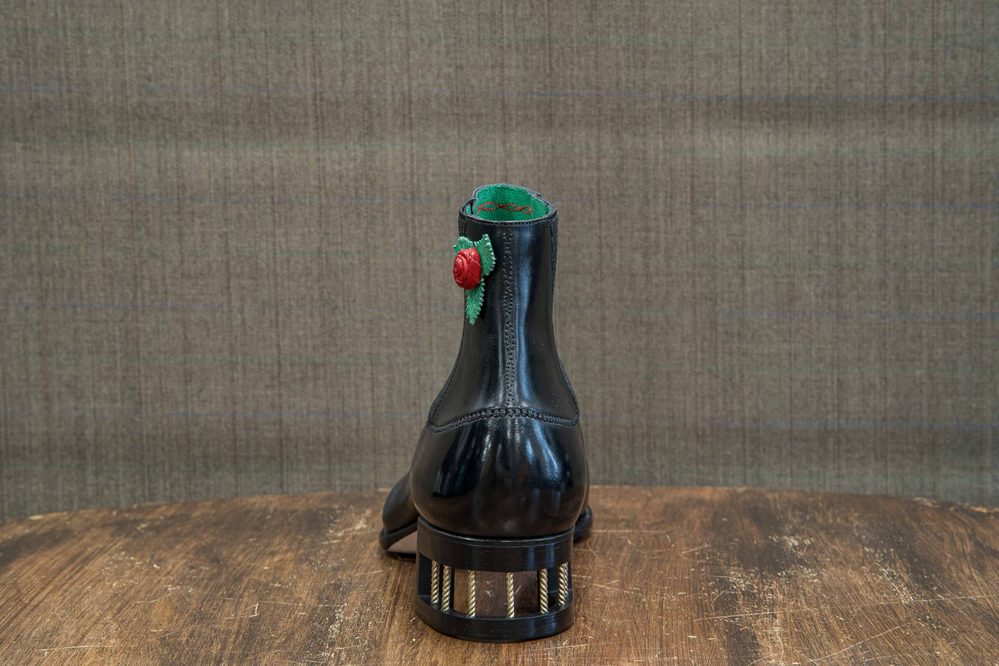
The bottom features extremely fine 23 spi sole stitching, while the unusual pillar-like heel gives the whole boot a particularly distinctive silhouette. There is also a decorative leather rose on the shaft and a seamless heel.
Andrey made the entire boot himself.
The entry scored strongly across all four judging categories and originally came extraordinarily close to third place.
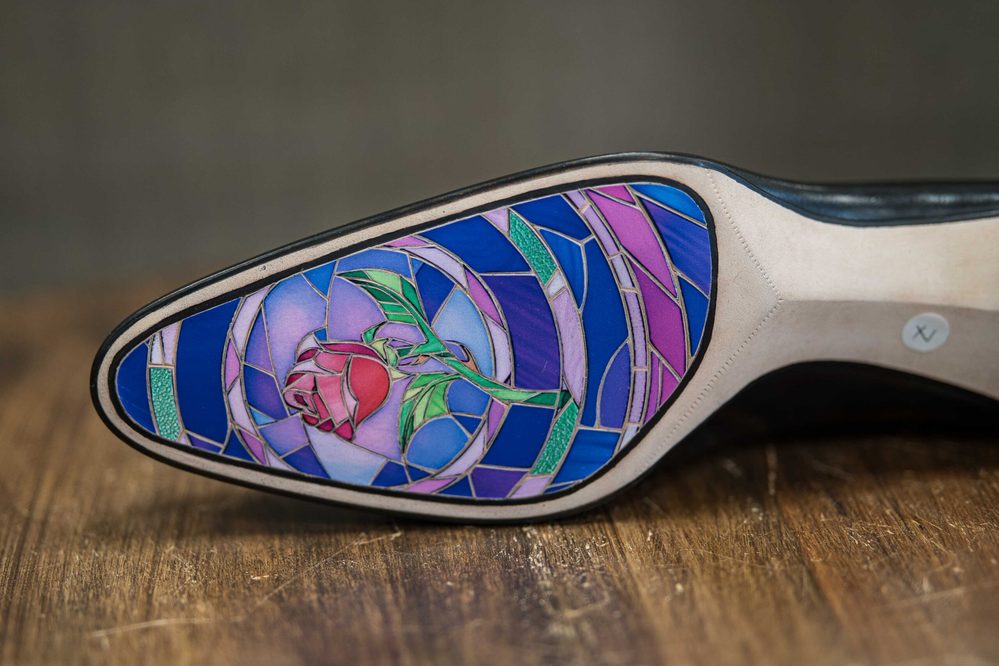
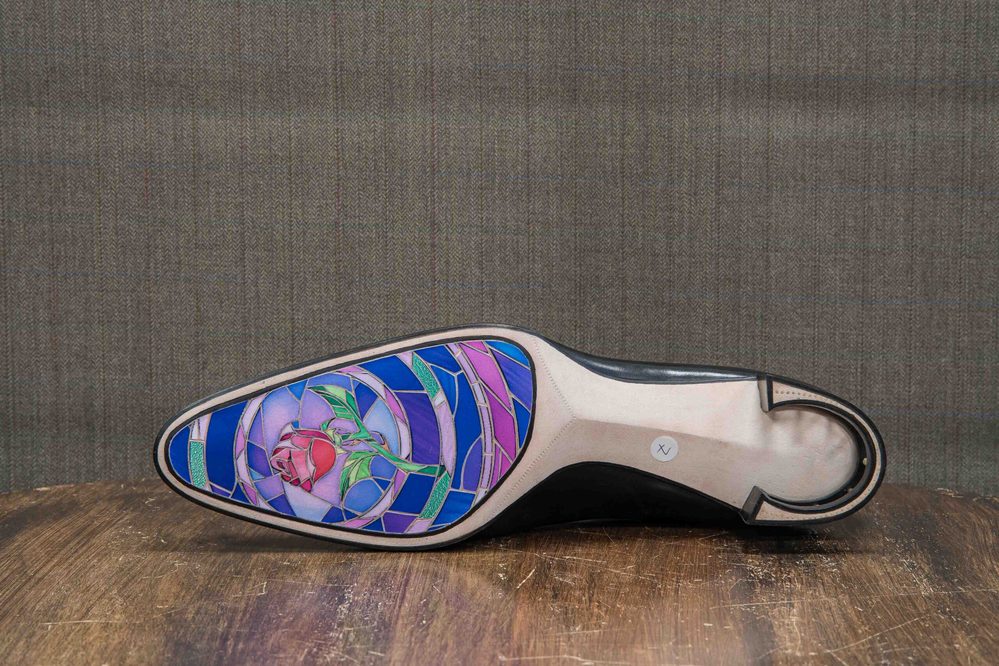
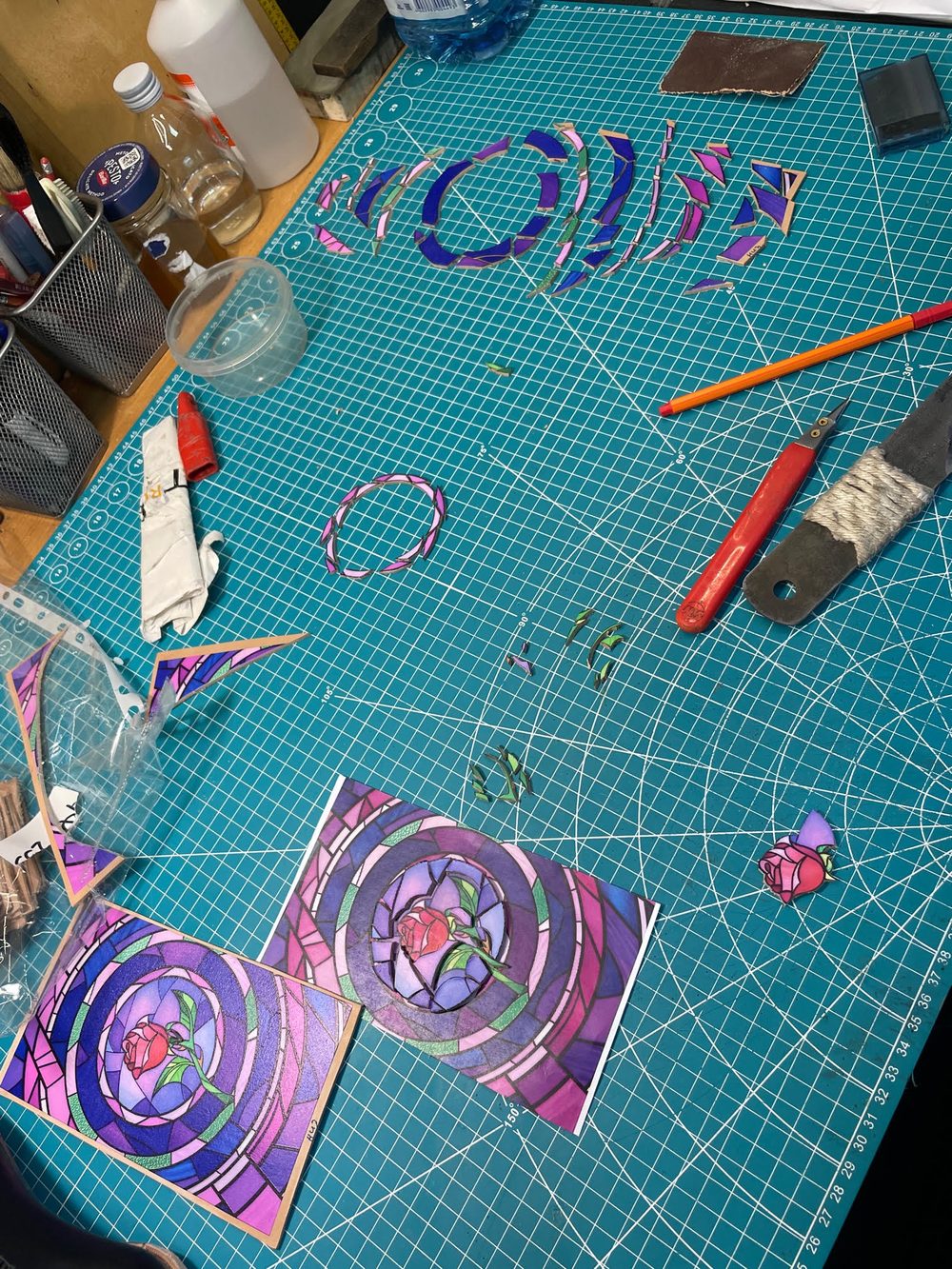
Unfortunately, there was an issue. Andrey created a beautiful mosaic effect on the sole using pieces of leather board. The workmanship was impressive, but the competition rules stated that the natural-colored sole bottom could not be dyed or burnished.
After discussion among the jury, a 5% deduction had to be applied. That deduction ultimately cost him a potential podium position.
It is a shame because the mosaic itself is fantastic, but rules are rules, particularly in a competition where everyone needs to be evaluated against the same brief.
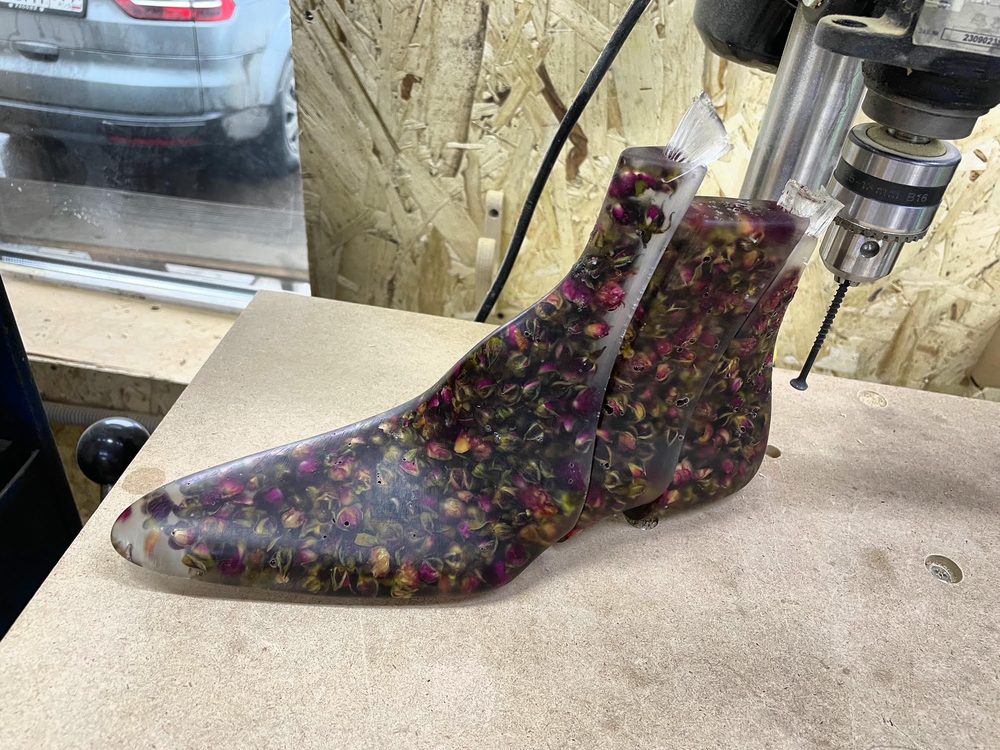
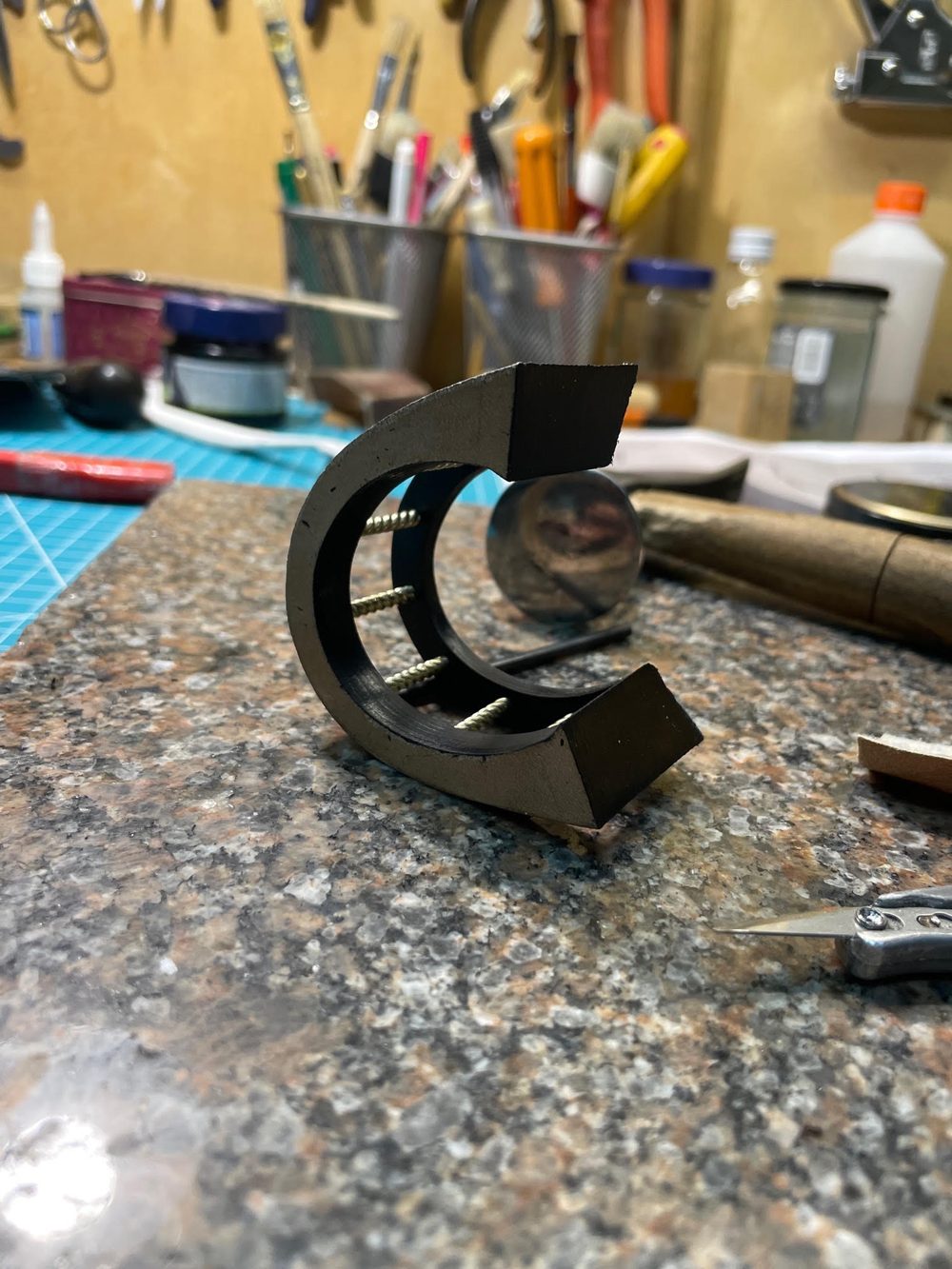
Even his shoe tree deserves mentioning despite not being judged: dried flowers were embedded inside clear resin, making it almost an artwork in itself.
A serious competition boot in every sense.
6th Place – Qingshan Studio
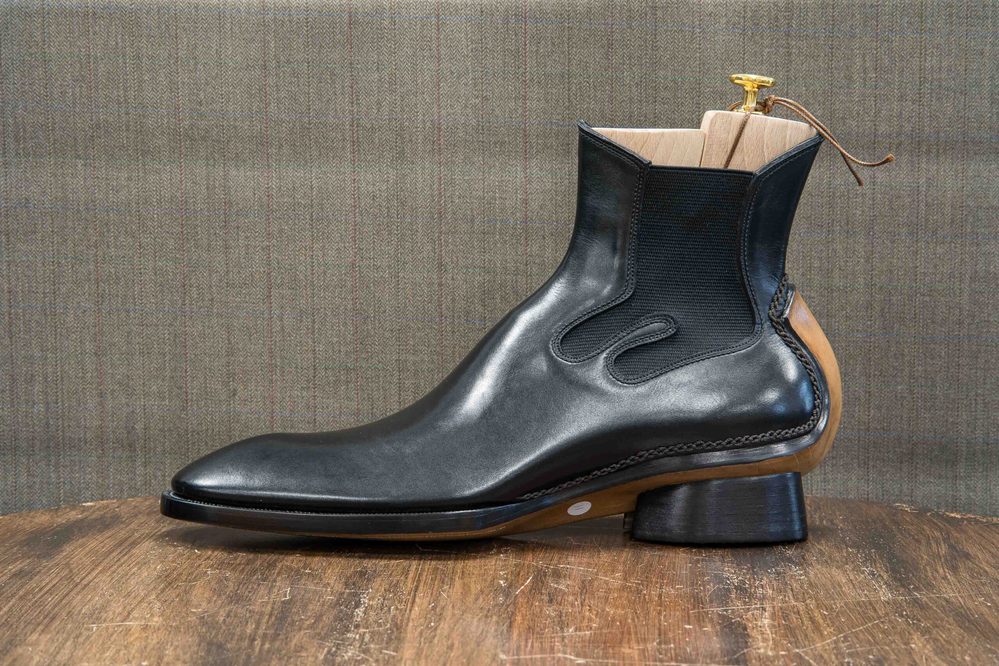
There is a lot happening with the sixth-place boot from Qingshan Studio.
This is a father-and-son team from China consisting of Linlin Wang and Zhencheng Wang. Linlin handled the upper making and finishing, while his father was responsible for the pattern, last, and bottom work.
They previously finished 19th in the 2023 competition, so jumping all the way to sixth this year represents quite an improvement.
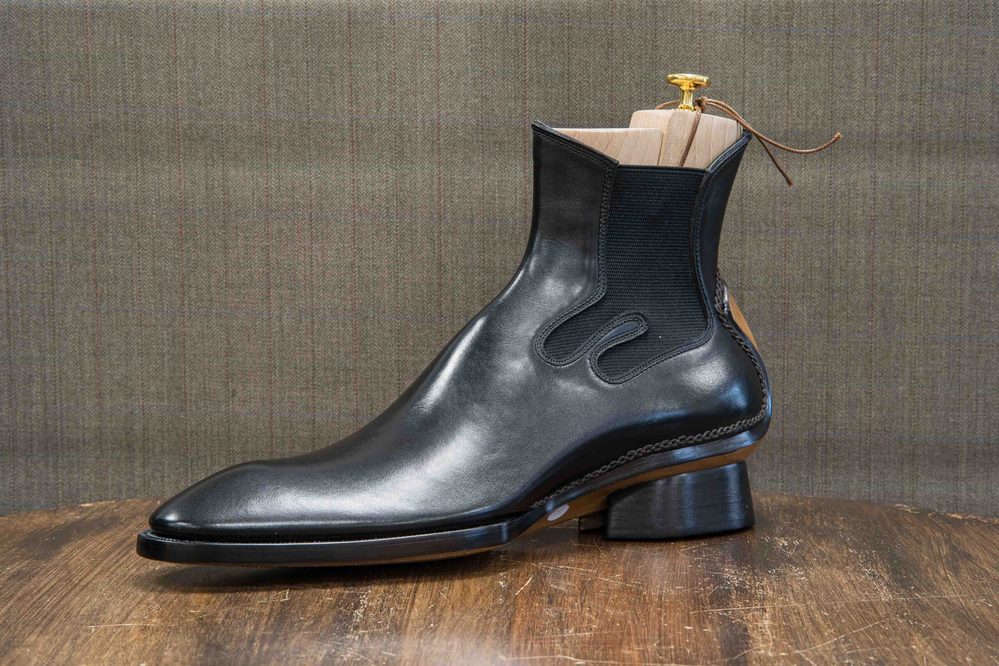
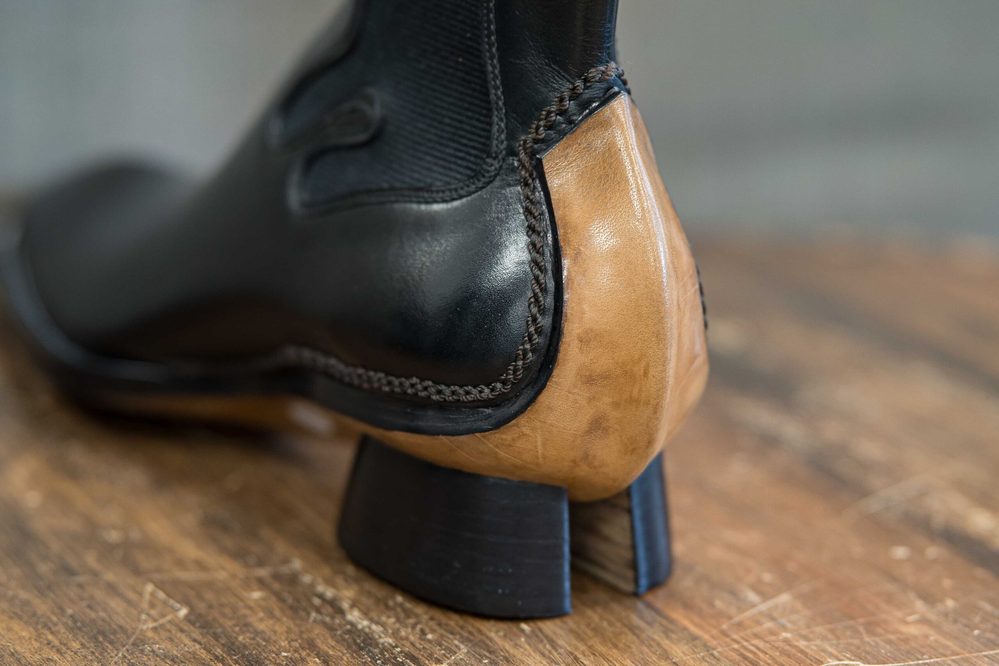
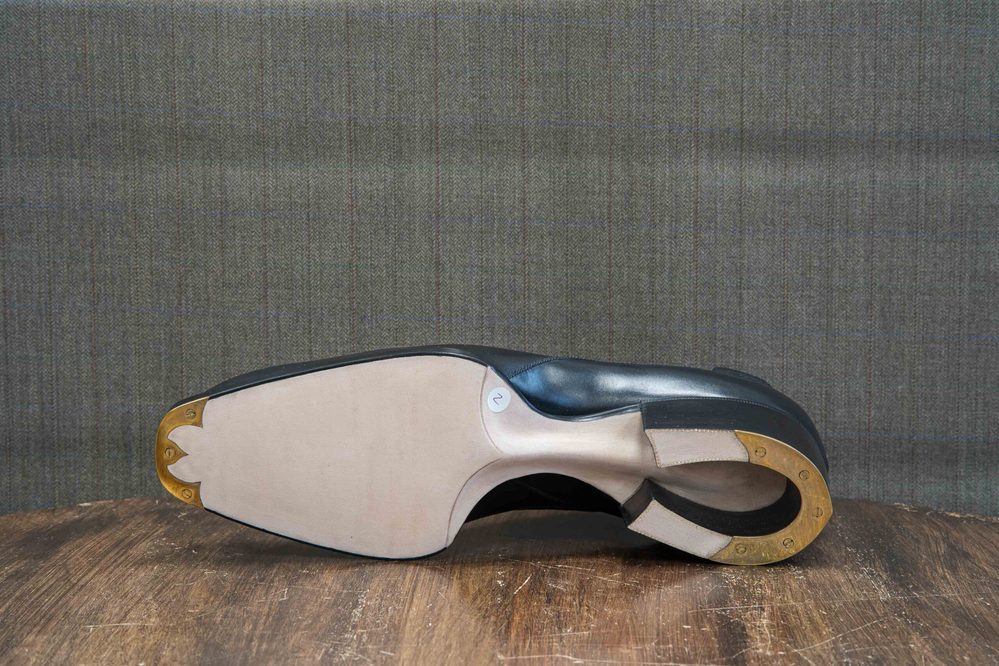
The most obvious feature is the dramatic rear construction, where the sole appears to continue upward around the back of the heel.
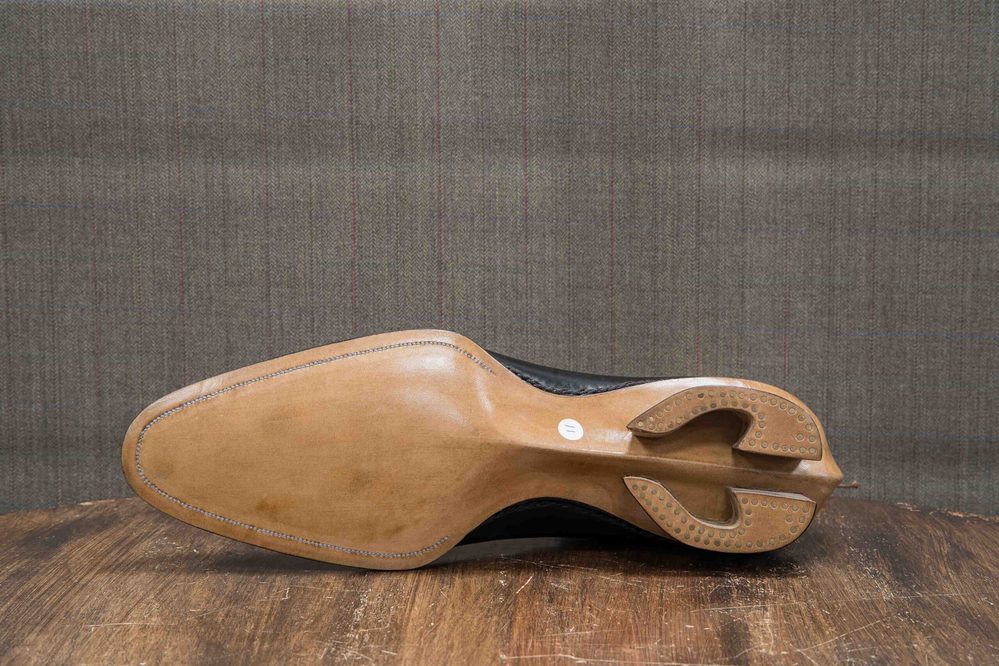
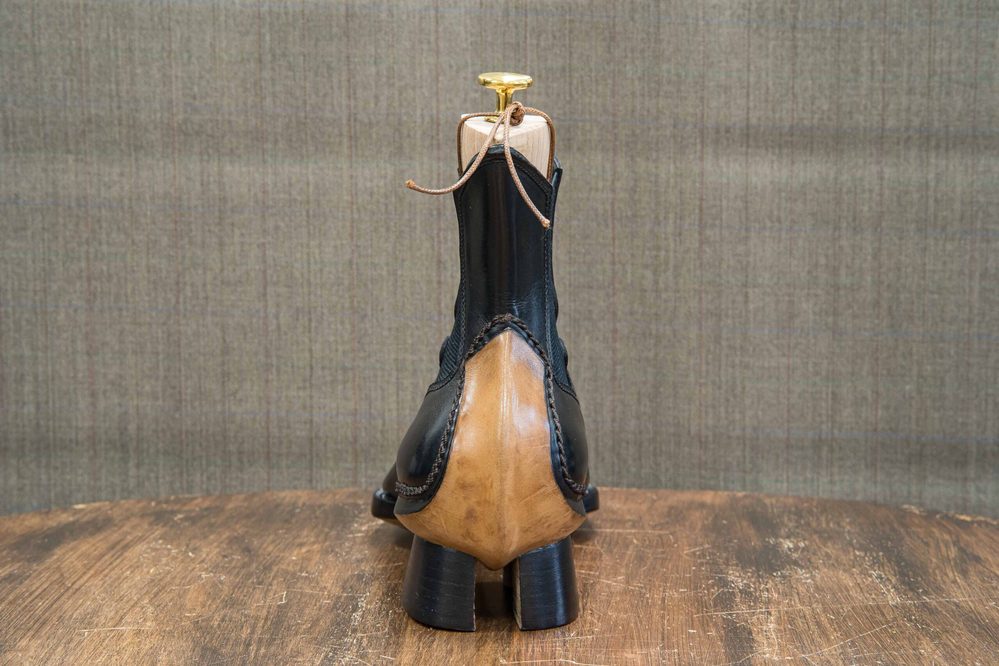
Combined with the split heel and Norwegian stitching around the rear section, it creates something unlike most Chelsea boots you will have seen before.
The originality judges certainly noticed.
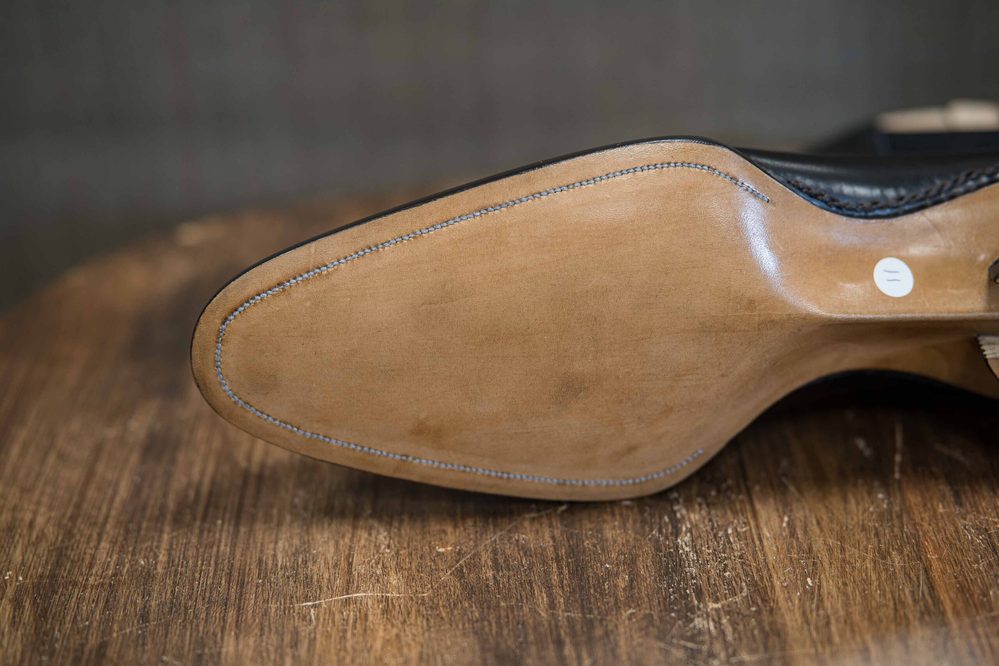
Another detail we particularly appreciated was the open-channel sole stitching. Not because it takes extra skill or anything, but because it is different to what everyone else offers.
You rarely see that on fully handmade footwear. Most makers naturally want to hide that stitching, but exposing it means the work needs to look good from both sides, which is easier said than done.
The ridge of the fiddleback waist also continues upward into the heel, tying the bottom design together nicely.
A very interesting boot and a massive improvement in ranking for the makers.
7th Place – Attila Kovacs
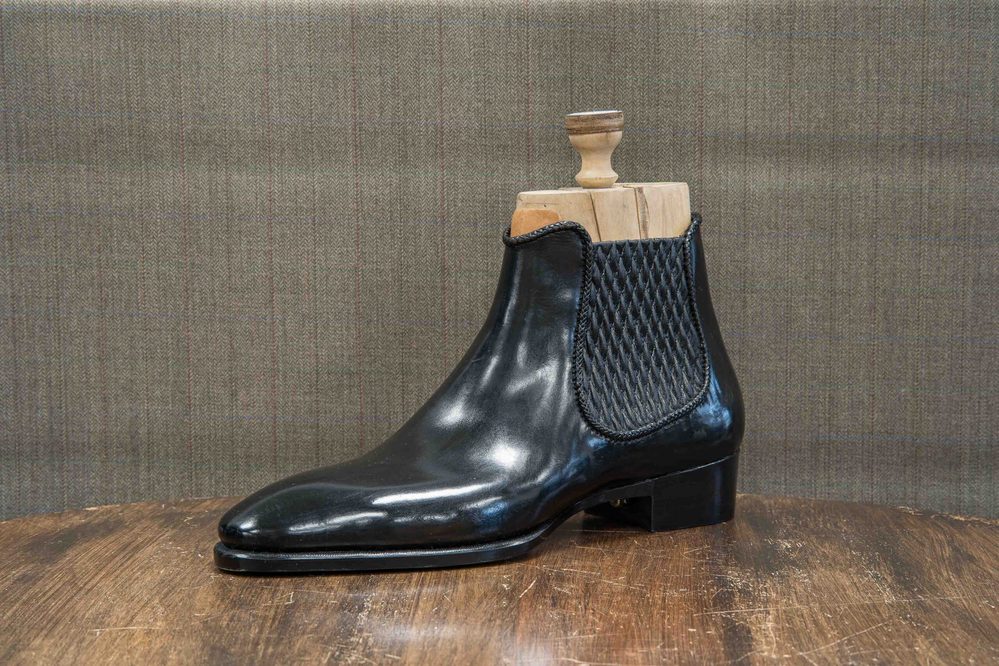
Hungarian shoemaker Attila Kovacs went in a more traditionally elegant direction.
At first glance, his Chelsea is sleek, refined, and relatively classic. Look closer, and things get considerably more interesting.
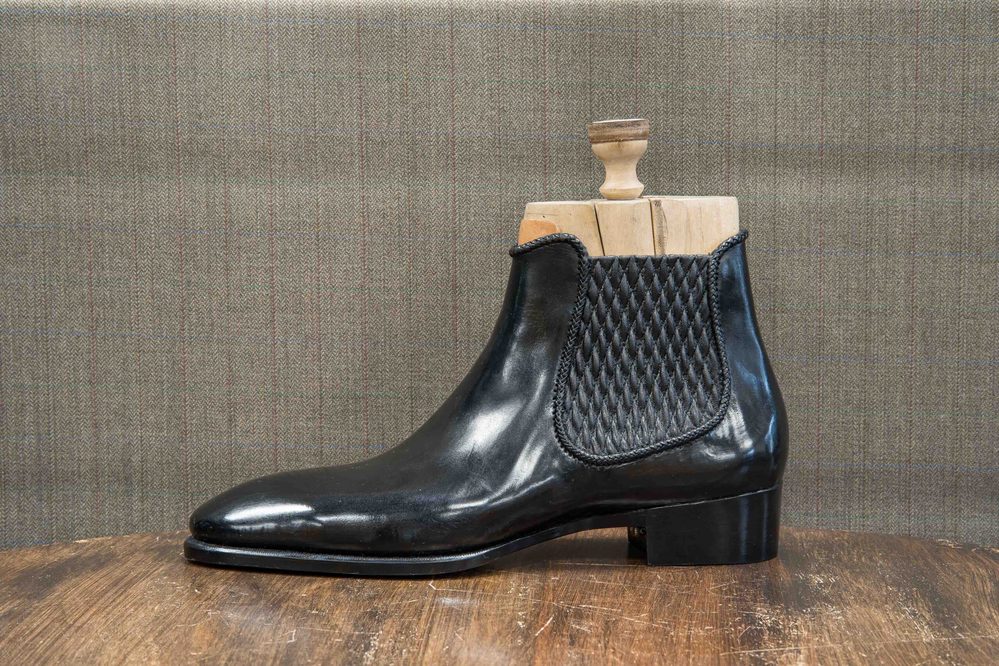
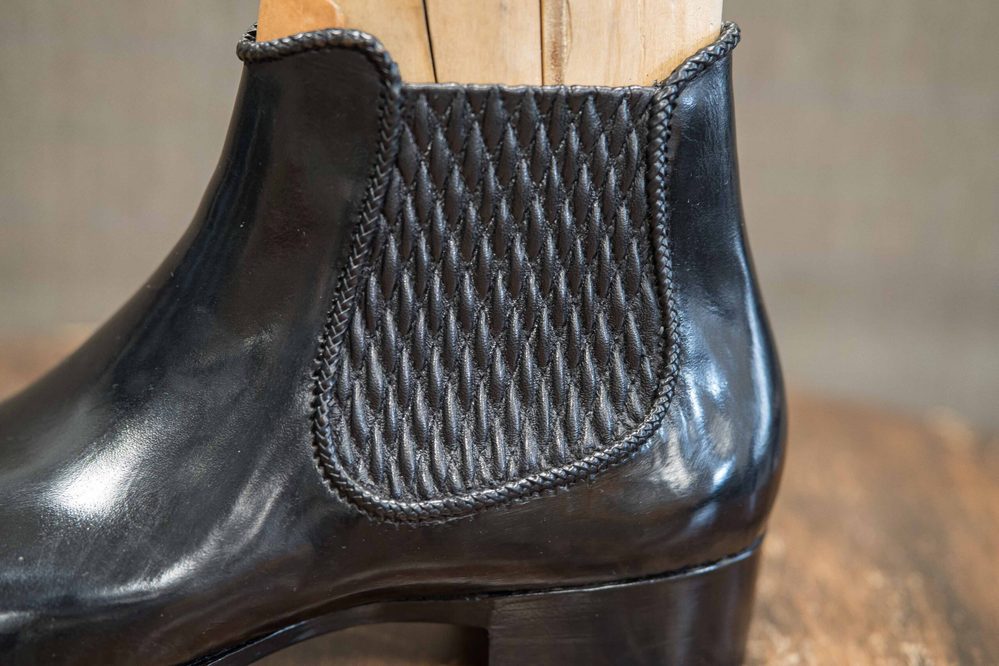
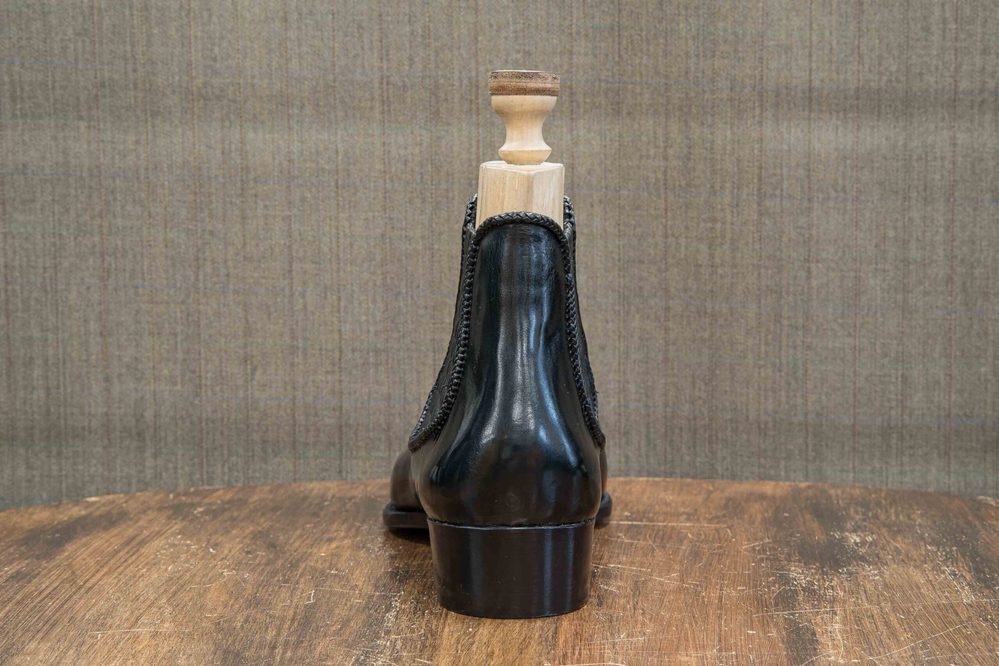
The upper is a seamless wholecut, already a technically demanding starting point, with hand-braided stitching running around the topline – which was beautiful.
The wide elastic gussets give the boot a strong visual identity without overwhelming the otherwise clean design.
And then there is the heel. Attila actually built a fully functioning pocket-watch mechanism into it. Yes, really. That got a lot of attention.
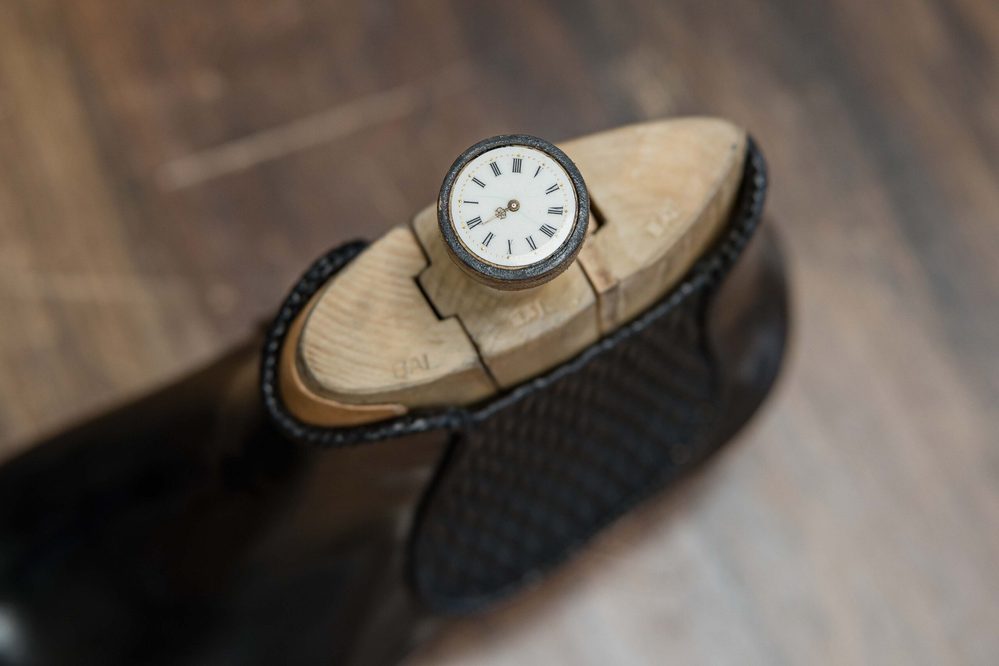
There is another watch element on top that is decorative, but the one built into the heel works.
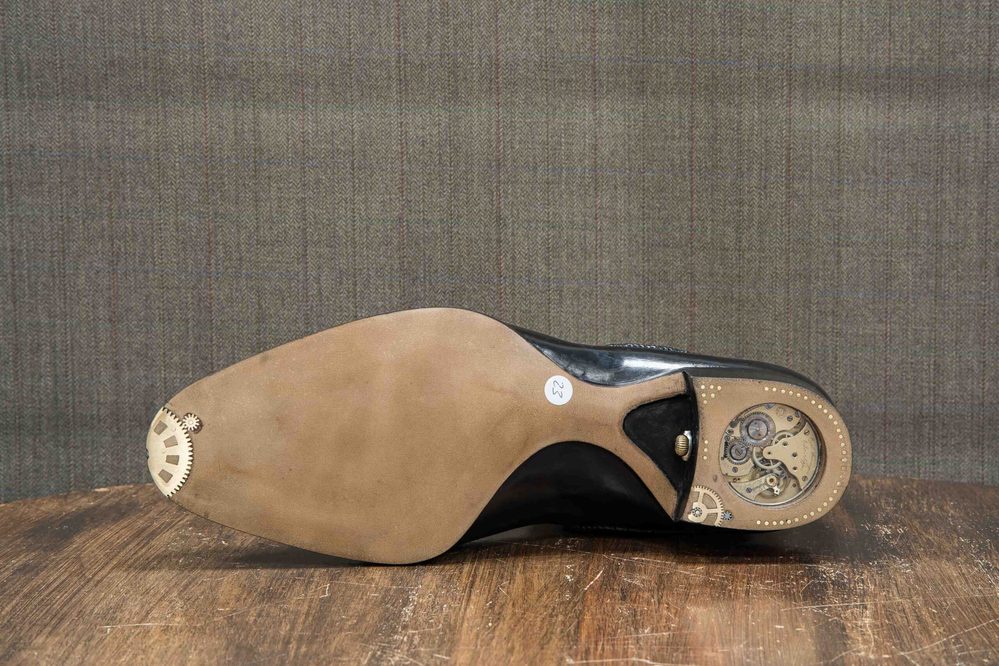
It is exactly the sort of mad detail that makes these competitions fun.
Attila has been making shoes in Hungary since 1991 and produces handmade RTW, MTO, and bespoke footwear. He has participated successfully in numerous Hungarian and international shoemaking competitions over the years and clearly enjoys the creative freedom these events provide.
He made the entire boot himself. The shoe scored particularly well for difficulty, though execution brought the overall score down somewhat.
Still, a very cool entry.
8th Place – Reid Elrod
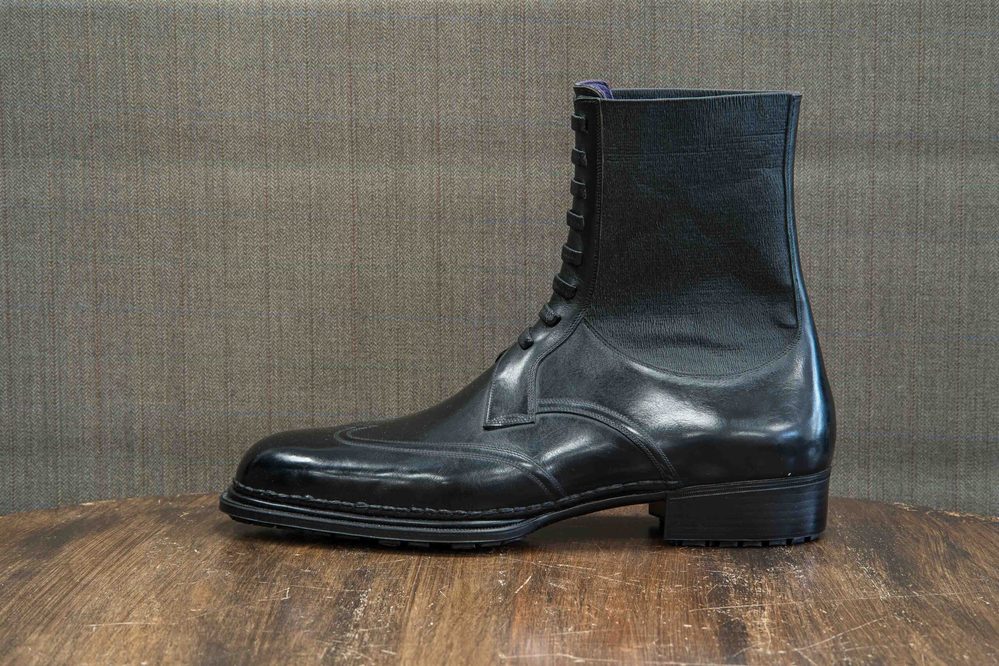
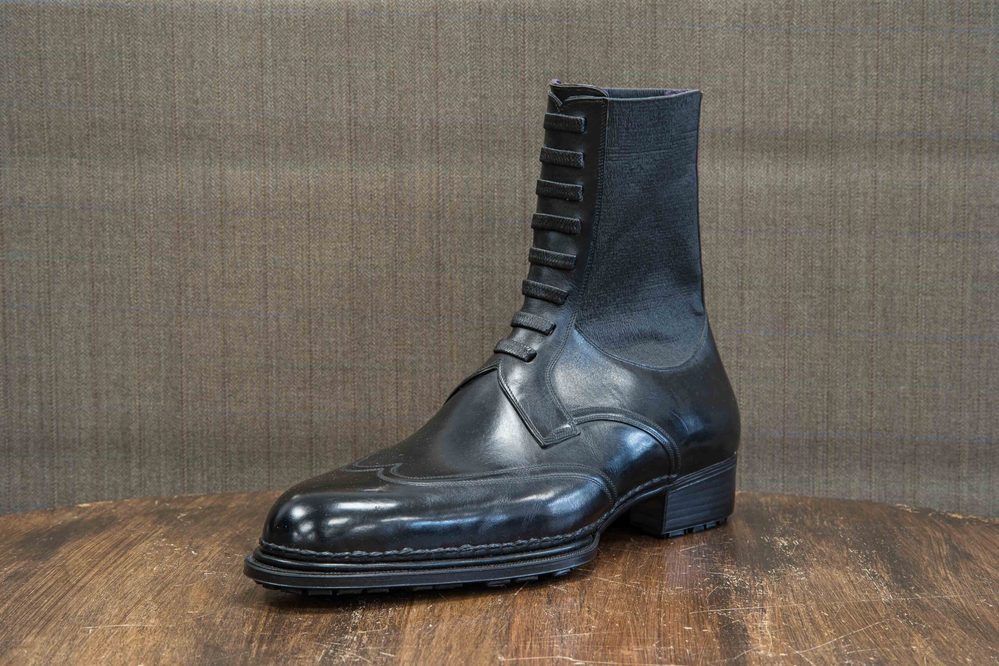
At first glance, you could be forgiven for asking whether Reid Elrod’s entry is actually a Chelsea boot.
It is. Reid simply disguised much of what normally tells your eye that you are looking at one. It nearly requires a double-take!
The faux lacing dominates the front, while the elastic gussets are covered with extremely thin split leather that blends them into the rest of the upper.
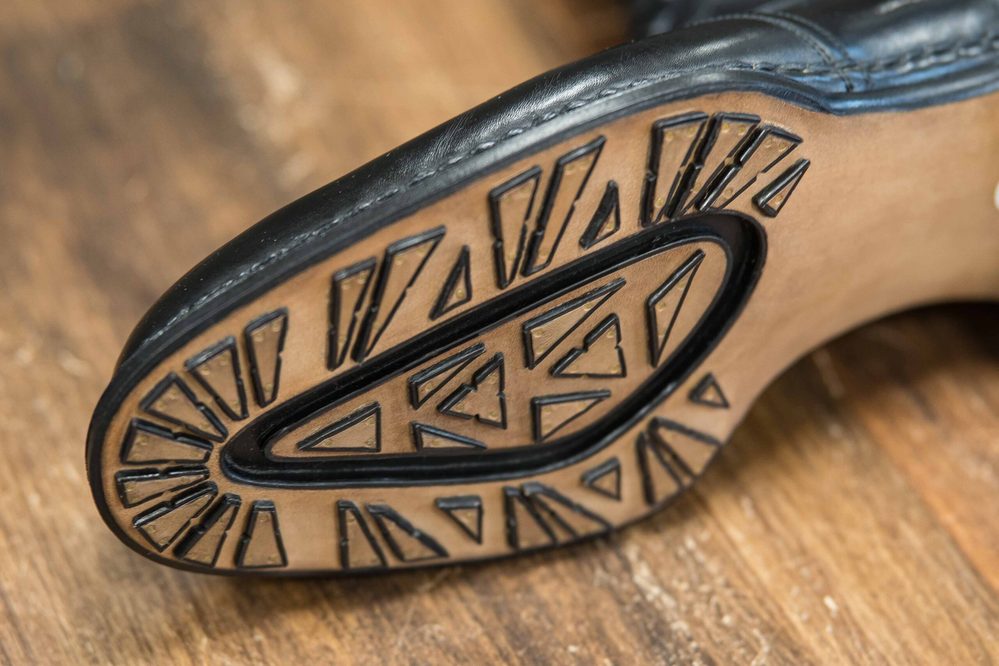
The result has something of a vintage lace-up boot appearance while retaining the required Chelsea construction underneath. Then there is the sole. Instead of simply finishing the leather conventionally, Reid created what looks almost like a rubber tread pattern entirely from leather, carving and adding leather pieces to produce the effect.
It is exceptionally clever, to be honest.
Reid is a bespoke shoemaker based in Portland, Oregon, although much of his training took place in Europe. He has entered the World Championships before and has consistently found interesting ways of interpreting each year’s required model.
He made the entire boot himself.
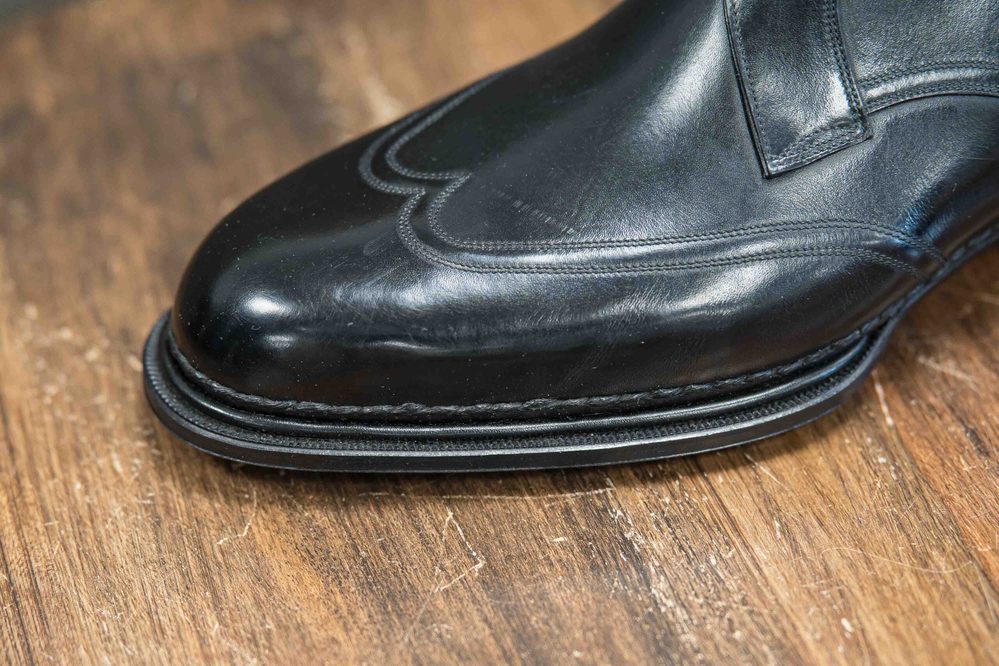
Norwegian stitching, a storm welt, oversized hidden elastics and that fantastic leather tread make this one of the more instantly recognizable boots in the competition.
9th Place – Reo Okuda
Tokyo-based Reo Okuda returned to the Top 10 for the second consecutive year.
Reo is a prosthetist and orthotist shoemaker who also undertakes outwork. He constructed the entire competition boot himself, while Go Ishimi handled the final polishing.
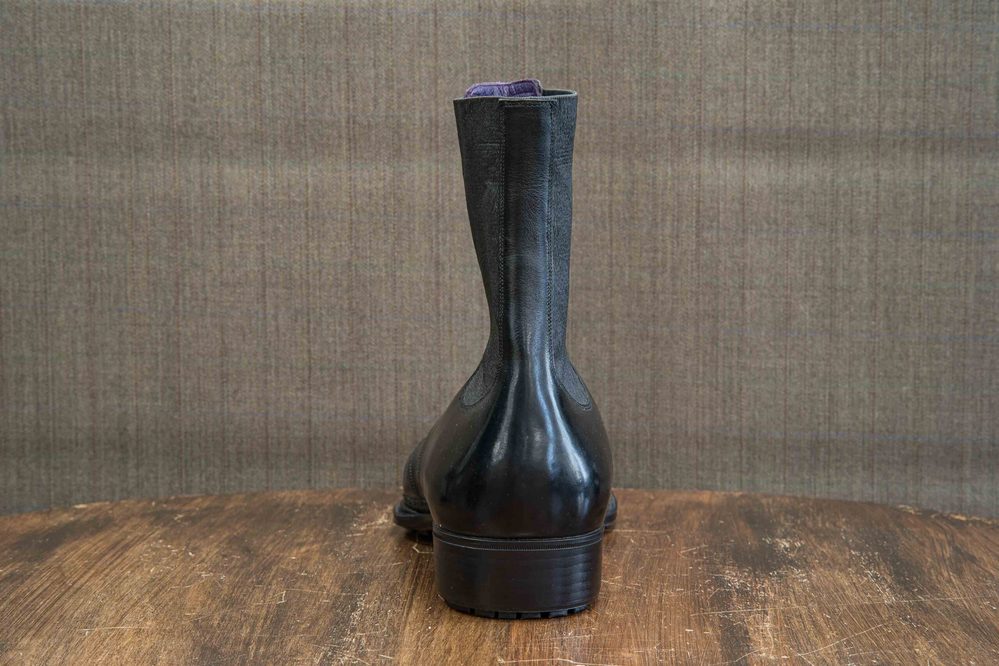
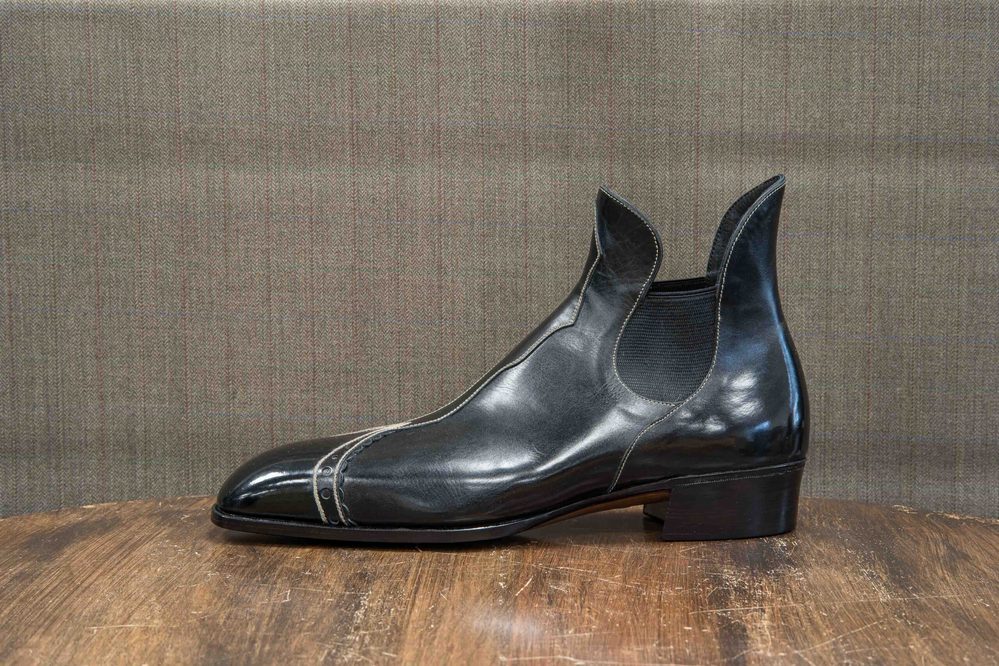
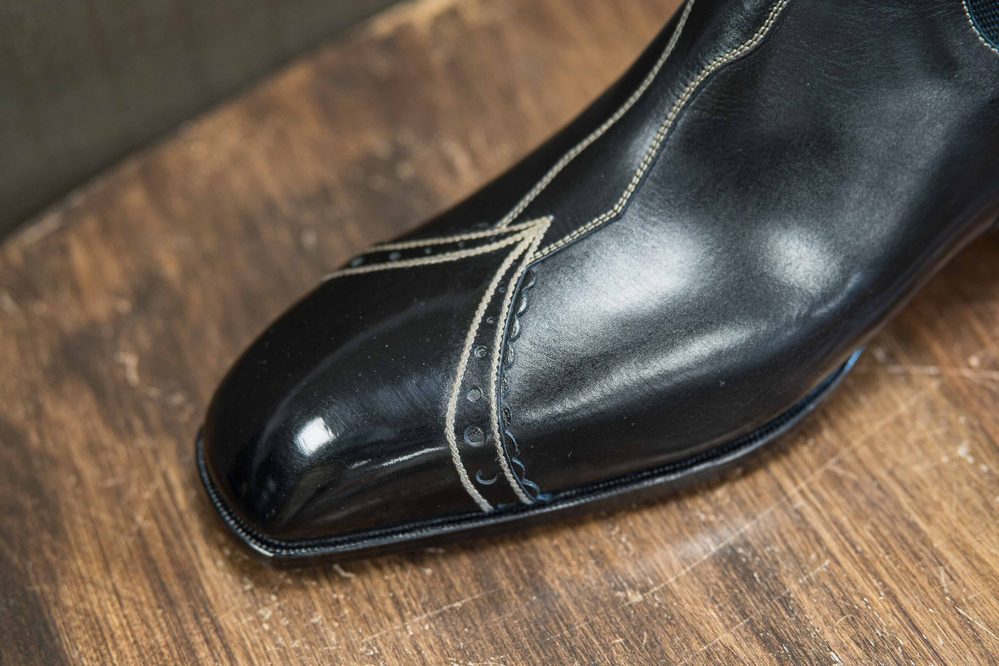
The design is considerably more restrained than some of the entries above it but has several distinctive touches with a lovely Art-Deco feel to it.
Most noticeable is the diamond-shaped toe cap combined with contrasting upper stitching.
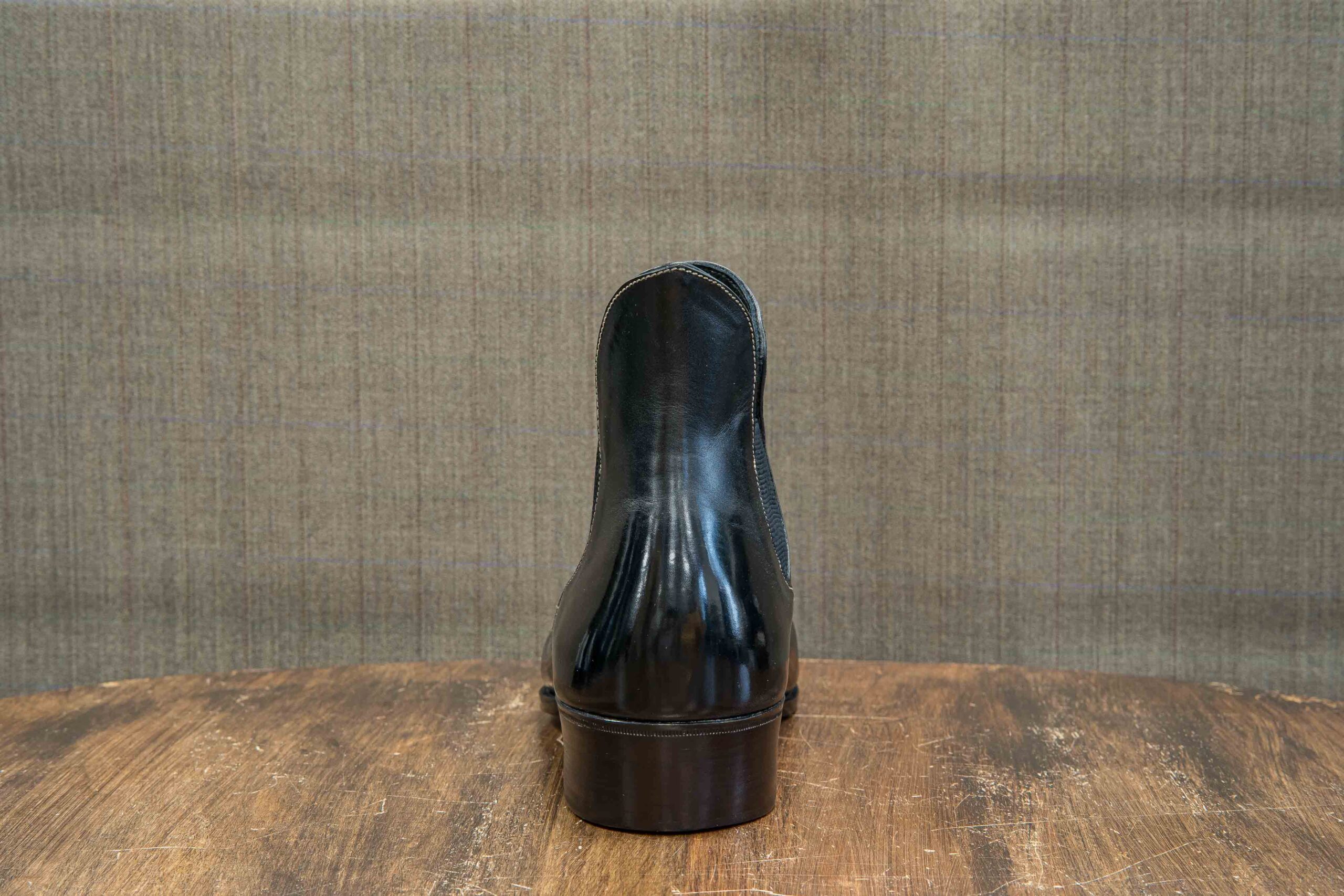
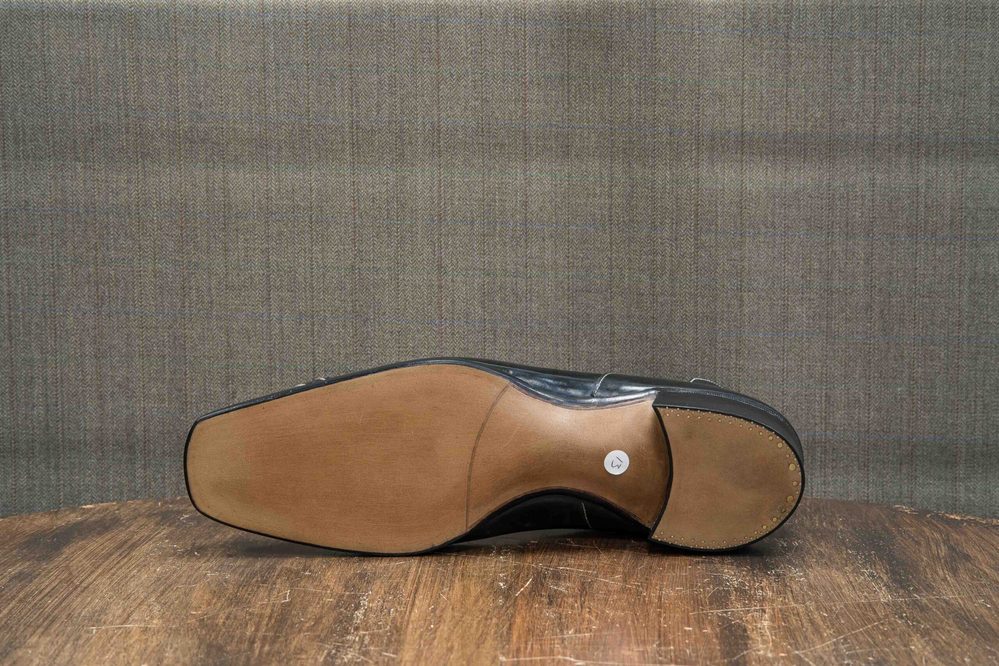
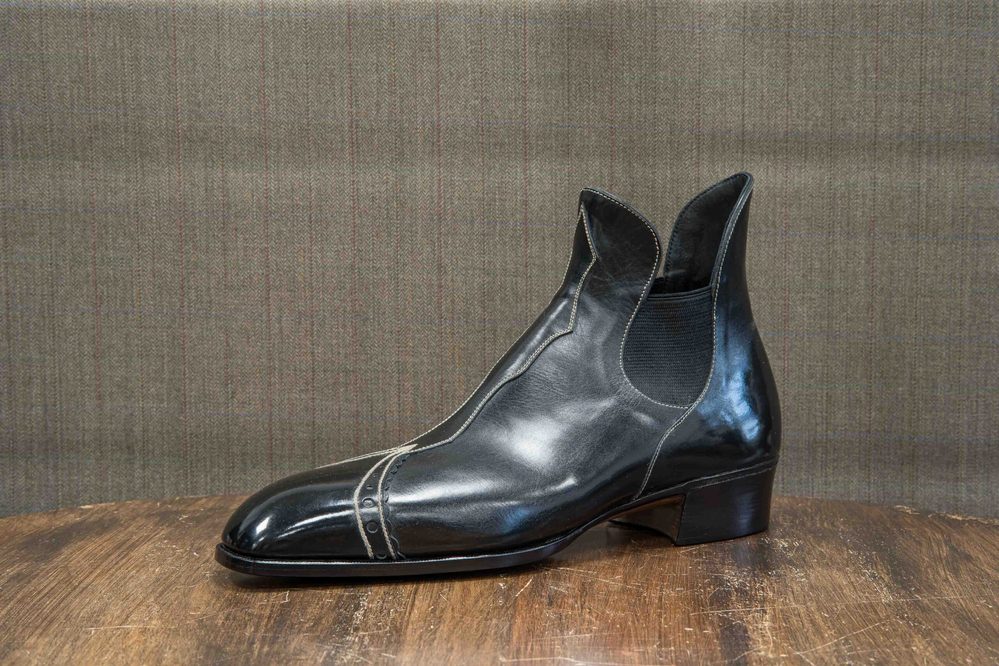
The elastic panels also sit unusually low on the sides of the boot, significantly changing the visual proportions of what would otherwise be a fairly familiar Chelsea shape.
Technically, there is plenty happening as well.
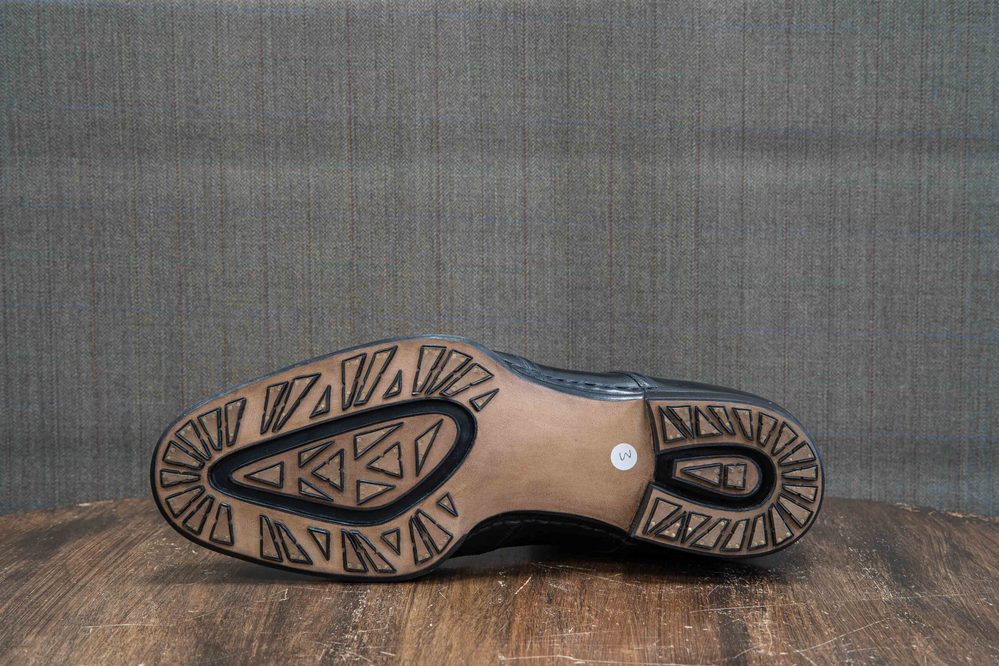
The sole is stitched at 18 stitches per inch, and the slightly Cuban-shaped heel is built from thin 2mm leather lifts.
There is also hand-braided decoration around the diamond cap and a seamless rear section.
Clean, thoughtful and elegant work.
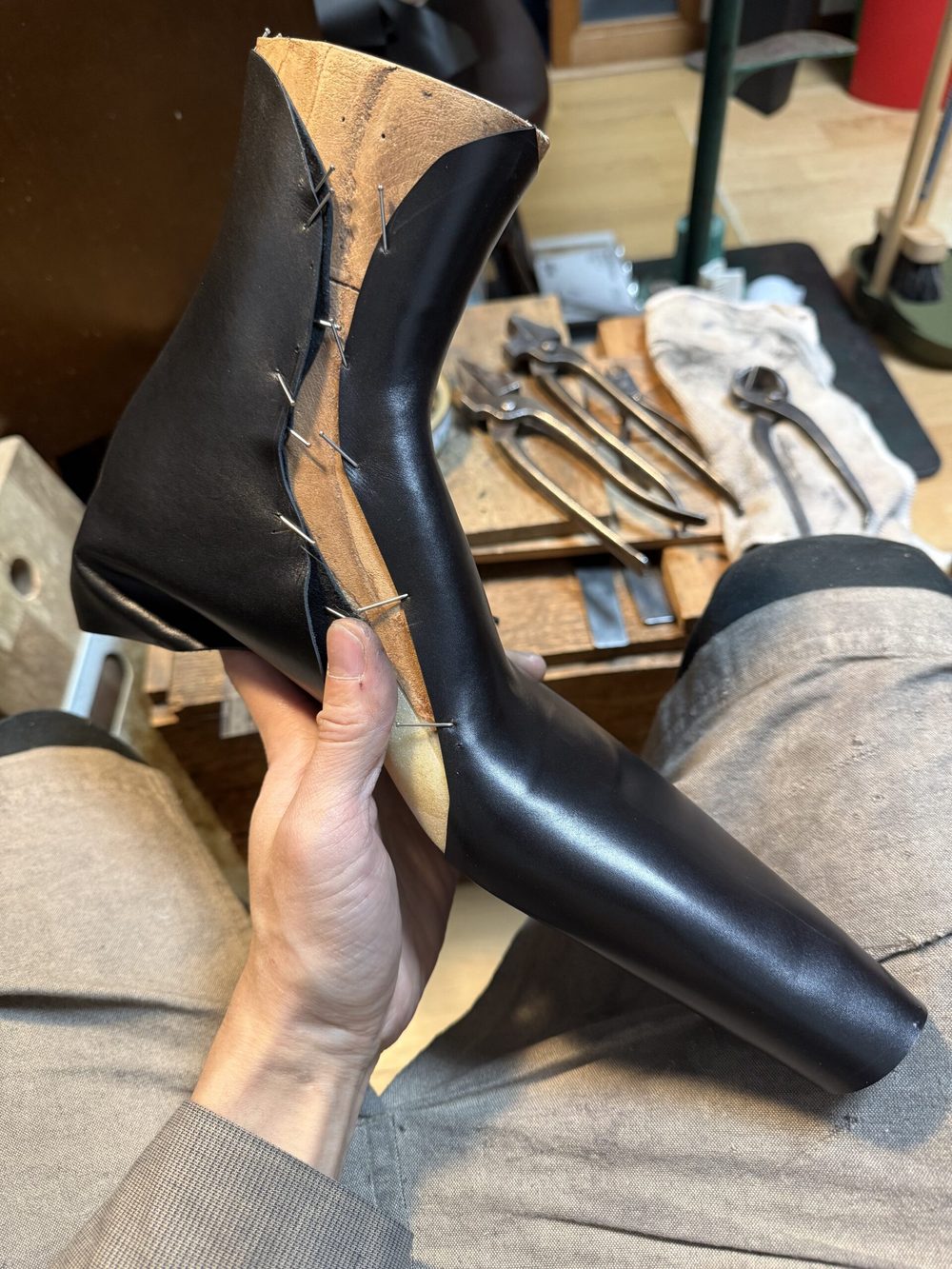
10th Place – Larush
Rounding out the Top 10 is Larush, the brand of Russian shoemaker Alex Dernov.
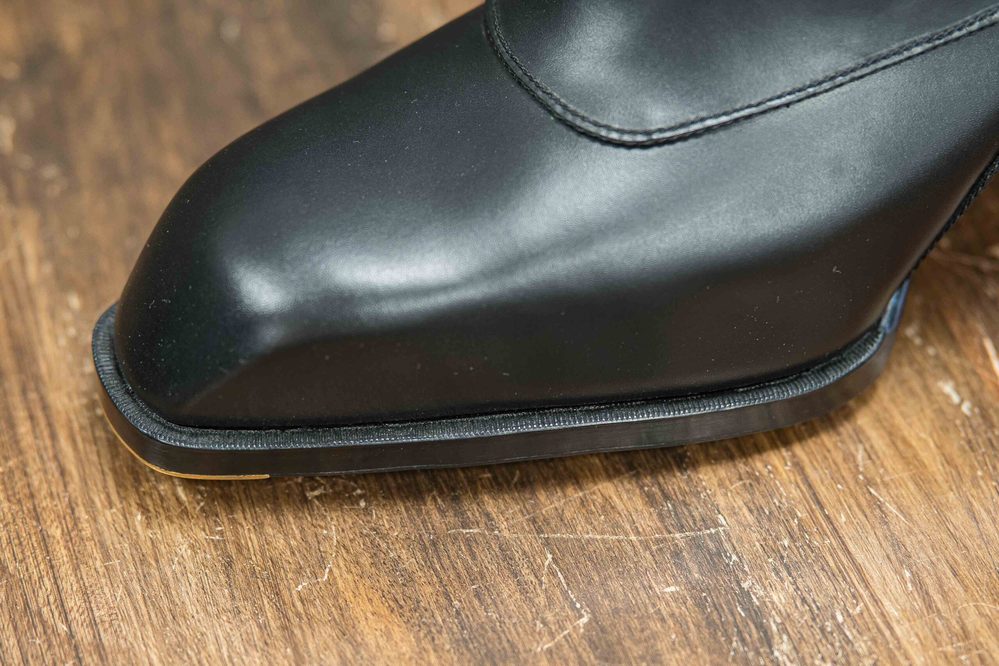
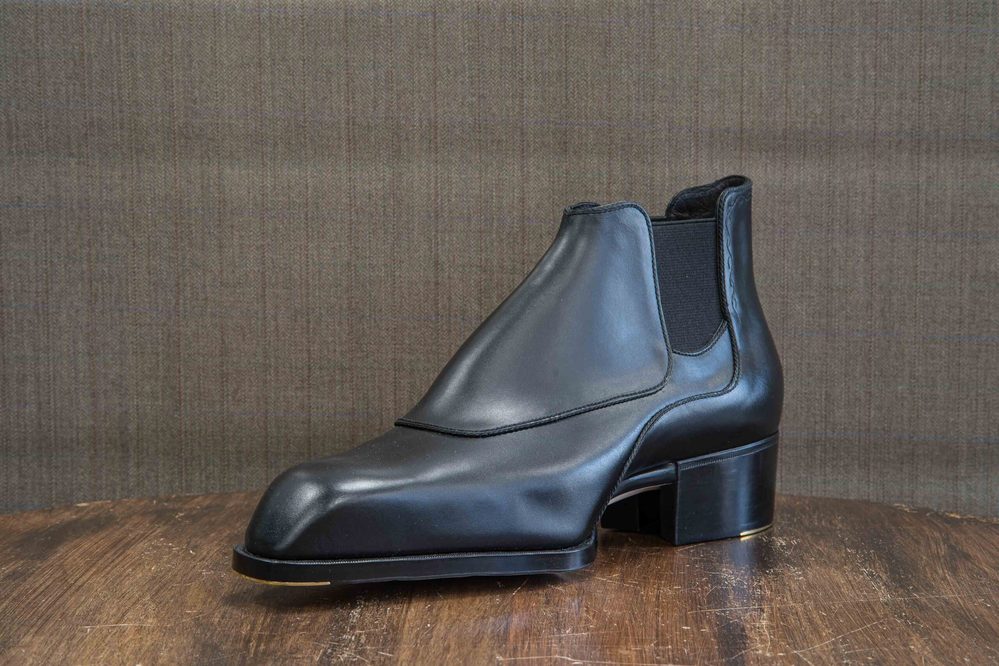
This is probably one of the more aggressive-looking boots in the group. I don’t know why, but it reminds me of Robocop.
The upper pattern immediately gives it a strong character, while the sculpted heel and ridged rear construction push it firmly toward exhibition territory.
Alex made the entire boot himself.
There is some very fine sole stitching and a nicely executed bottom, although the overall sole treatment was not among the most original in this year’s field.
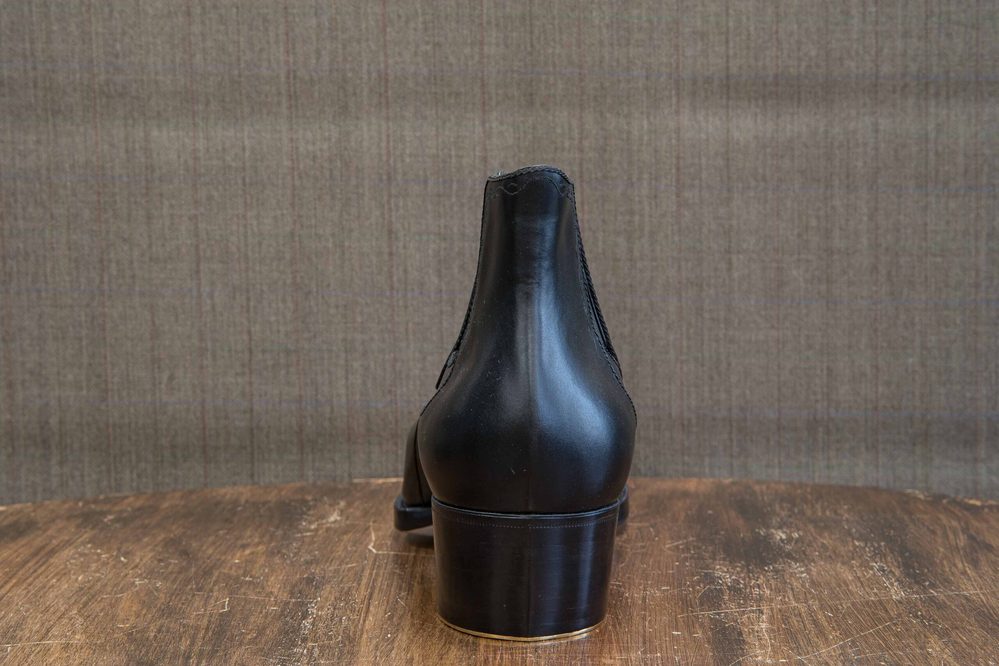
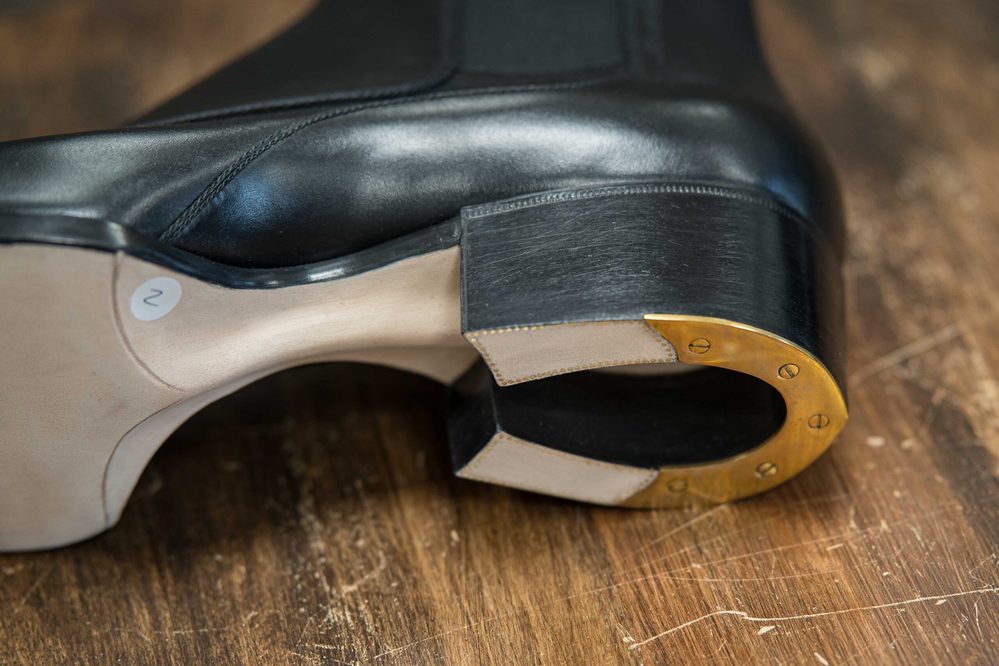
The heel and rear section also share clear similarities with Daniel Wegan’s winning competition shoe from several years ago.
With Originality becoming a specific judging category this year, that inevitably cost the entry some points.
That does not take anything away from the technical skill involved.
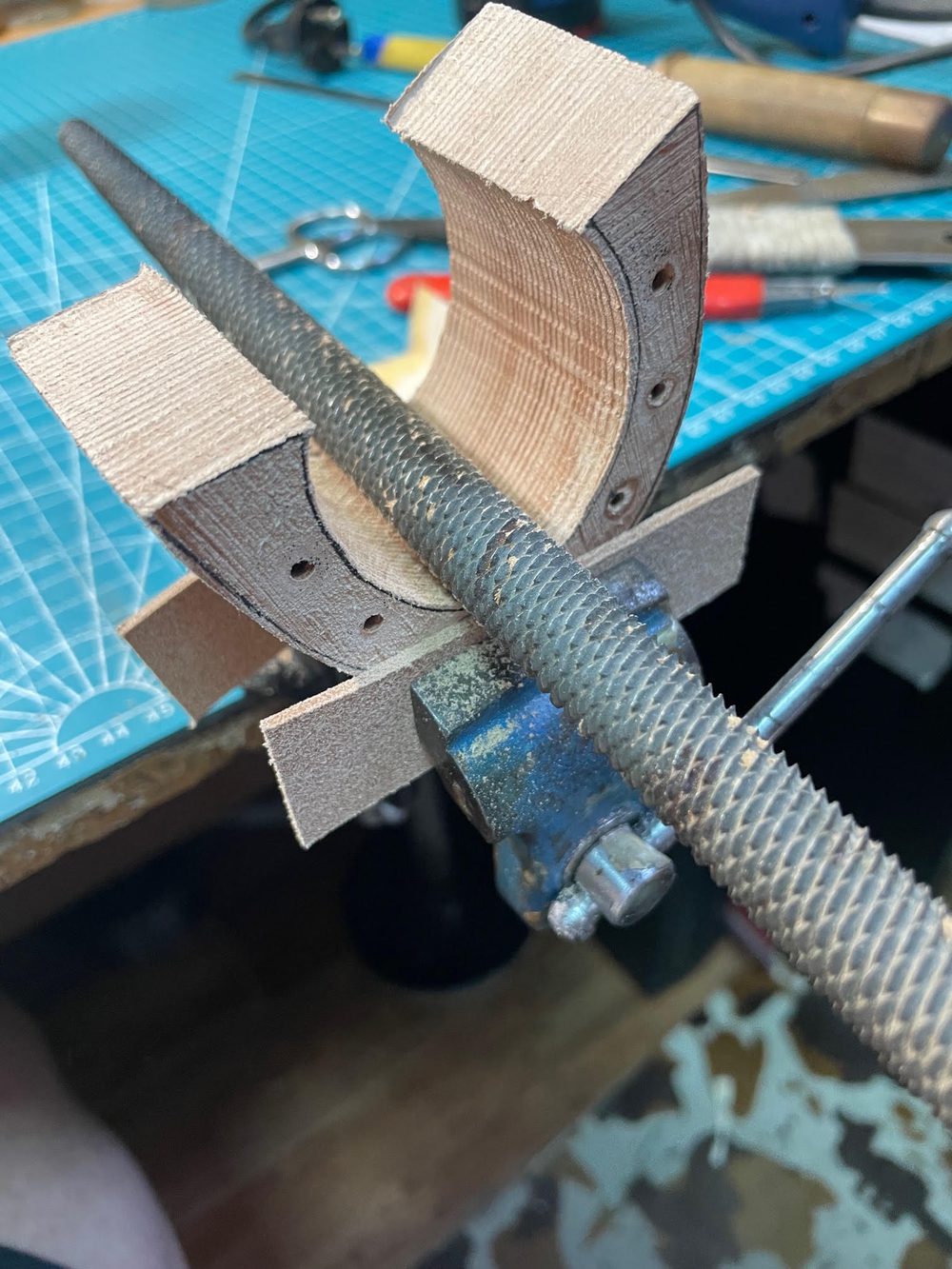
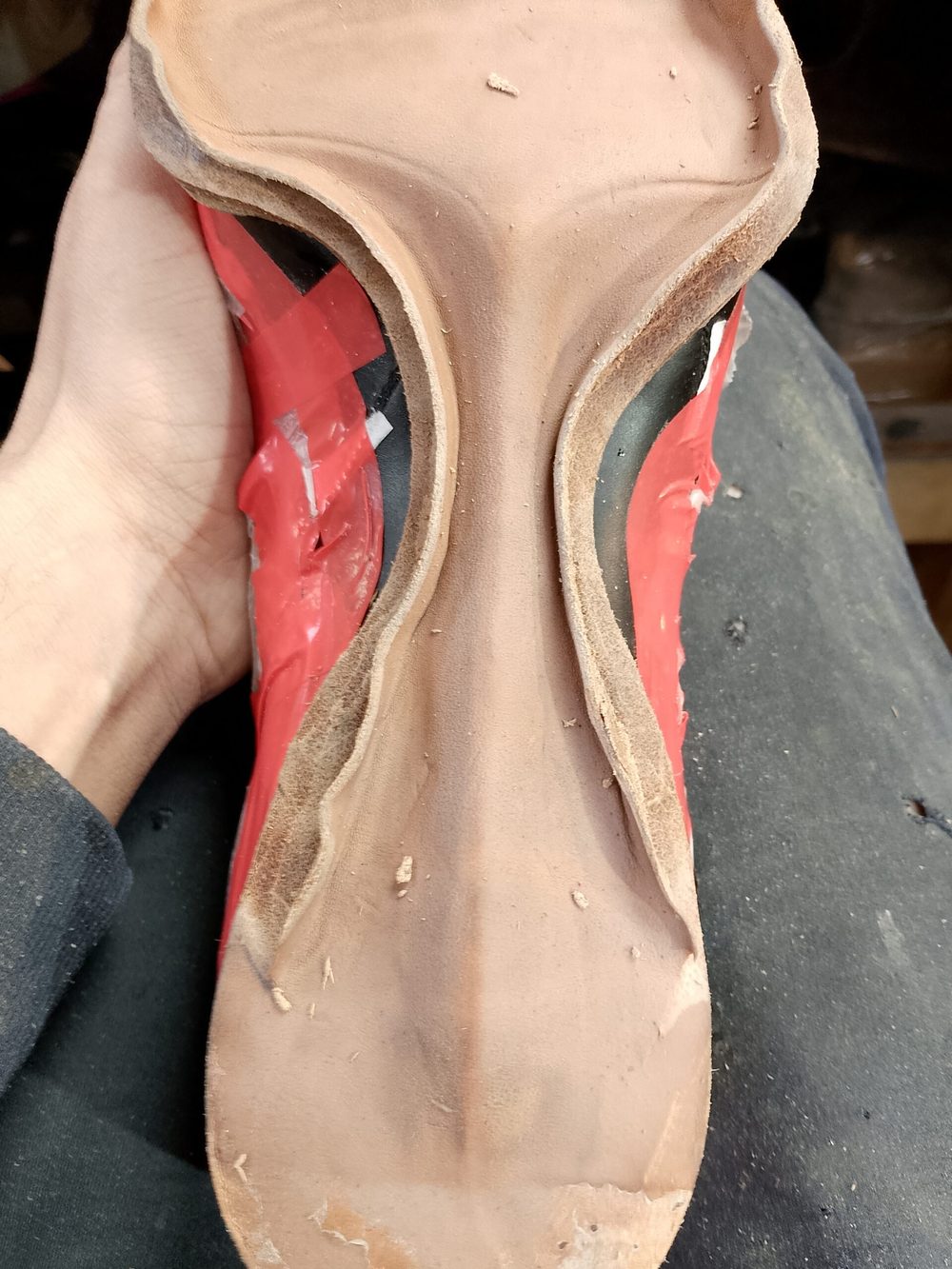
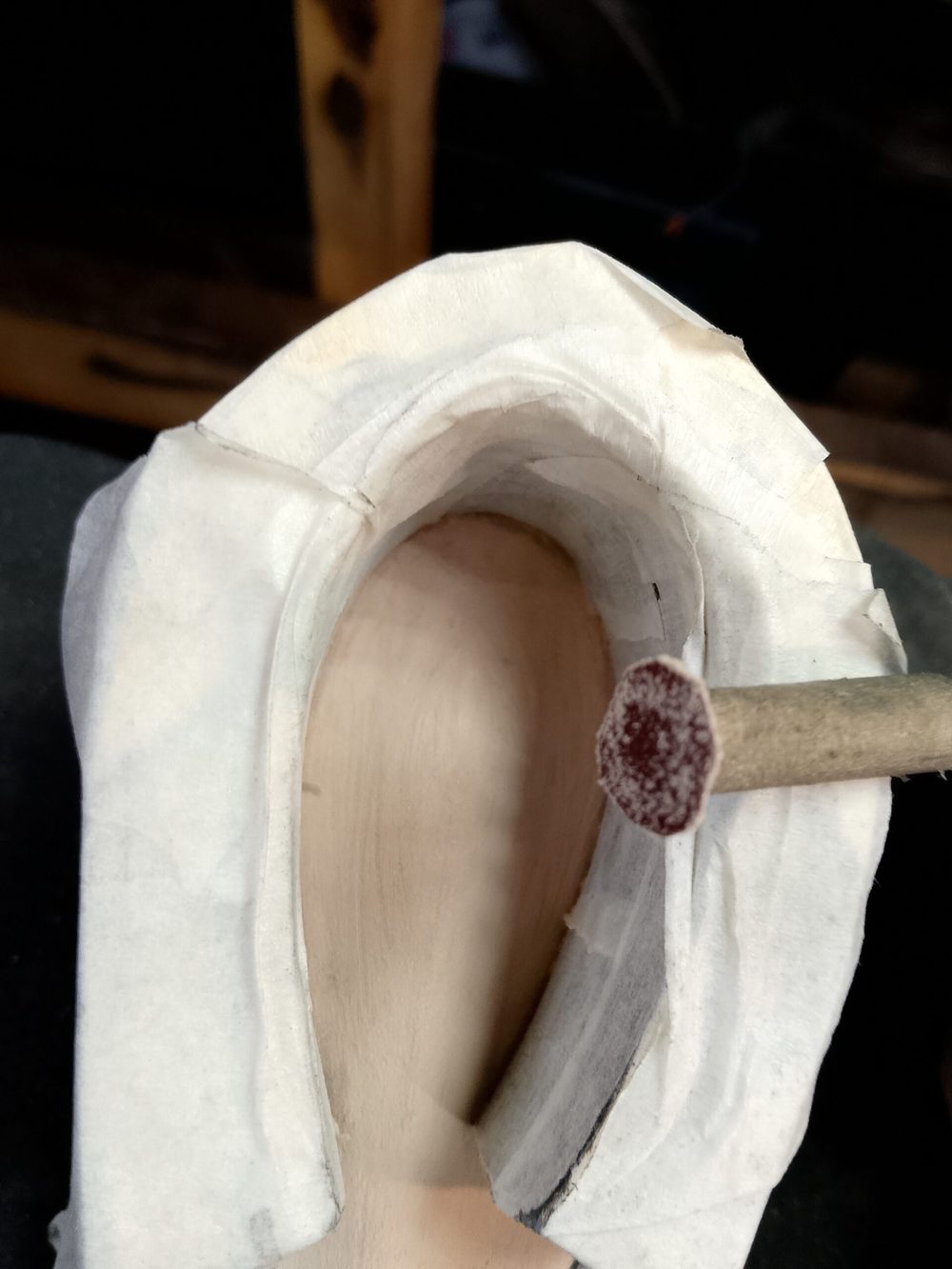
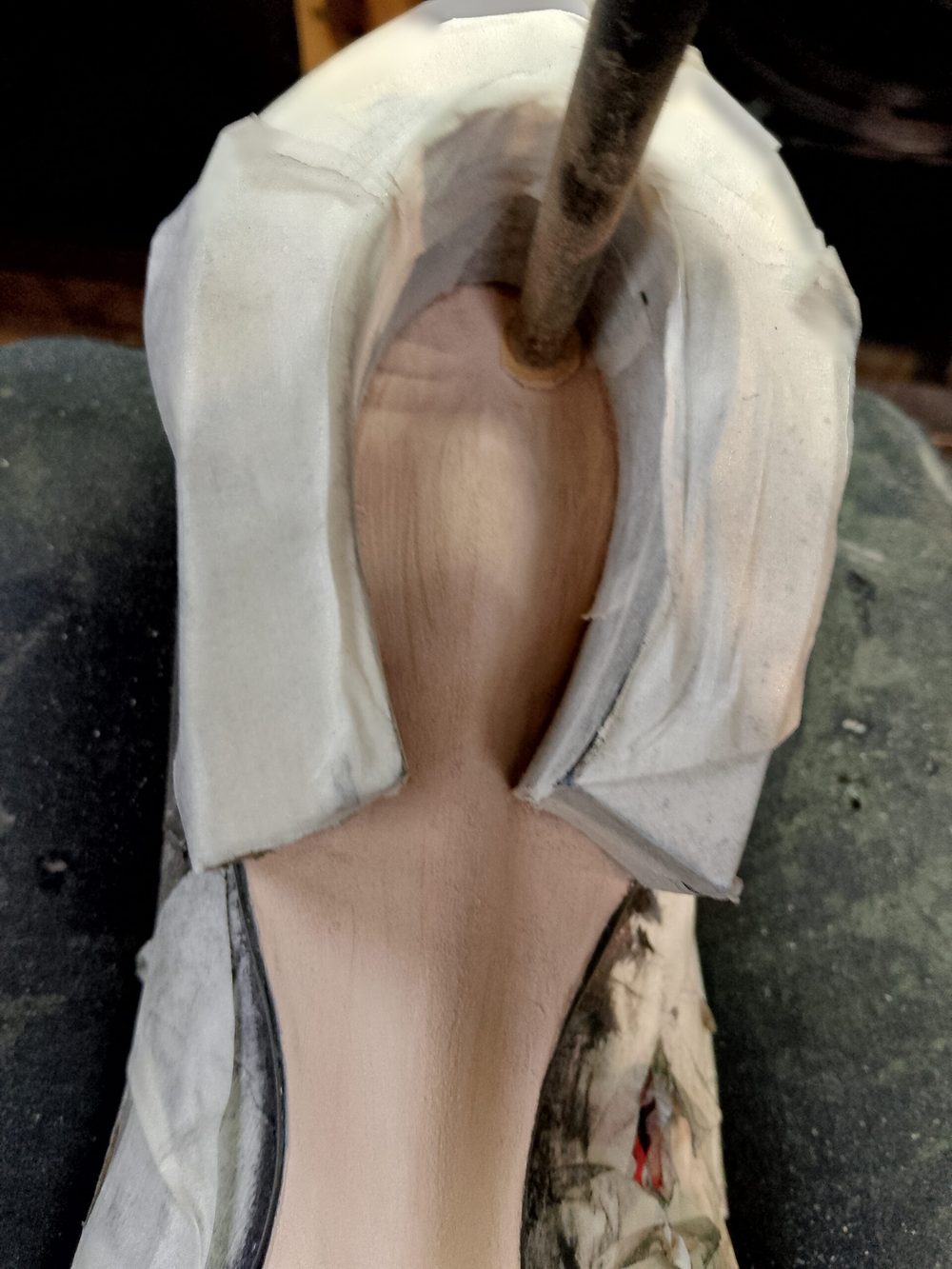
One thing these competition shoes regularly demonstrate is that makers often have to invent not only new techniques but new tools just to execute their ideas.
Alex constructed a special sanding apparatus specifically to reach and refine areas around the complicated heel that ordinary shoemaking tools could not access effectively.
That tells you a lot about what goes into creating footwear at this level.
The World Championships Continue to Evolve
Another year, another extraordinary group of shoes.
What I particularly enjoyed about the 2026 competition was the variation among the highest-ranked entries.
Ken Kataoka won with an unapologetic showpiece. Twinkima.G took second with something far more classical and restrained but executed to an extraordinarily high level. Dmitry Avdyukhov then landed somewhere between the two, combining traditional shoemaking with some genuinely unusual techniques and decoration.
That, to me, is exactly how this competition should work. There should never be just one formula for winning. I always like when we are surprised.
Difficulty matters. Execution matters. Beauty matters. And now originality has its own place in the scoring as well. And hopefully that will continue to keep the competition fierce yet fun.
The purpose of the World Championships has always been to encourage shoemakers to test themselves, showcase what hand shoemaking is capable of, and hopefully move the craft forward in the process.
This year’s entries certainly did that.
And remember, these are only the Top 10.
In Part 2, I will show the remaining entries from positions 11–20. There is still plenty of impressive work to see, and—as is always the case in a competition like this—a lower ranking does not mean there is not exceptional craftsmanship involved.
Stay tuned.
—Justin FitzPatrick, The Shoe Snob
Shop · Marketplace · Patreon