


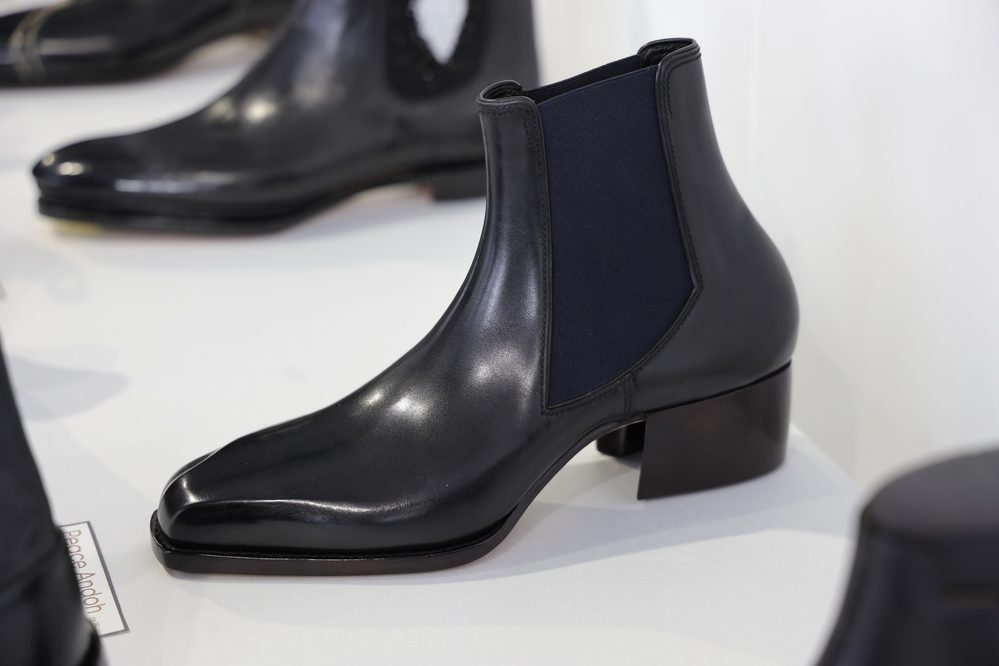
Here we have Part 2 of the World Championships of Shoemaking 2026, covering positions 11 through 20.
If you have not yet seen the Top 10, including the winning Chelsea boot by Ken Kataoka, you can find Part 1 here.
As always, ranking outside the Top 10 does not mean there is no serious craftsmanship involved. The overall level of this competition continues to rise, and several of the boots below contain highly original ideas, difficult construction techniques, and details that deserve a much closer look.
So, continuing from where we left off, here are positions 11–20.
Results
- Kim Junghwan
- Peace Andoh
- Naang Boots
- Ross Edwin Bell
- Shid
- Anietie Ette
- Petru Claymoor
- Taichi Yasuda
- Natalia Iokhvidova
- François Jardé
11. Kim Junghwan
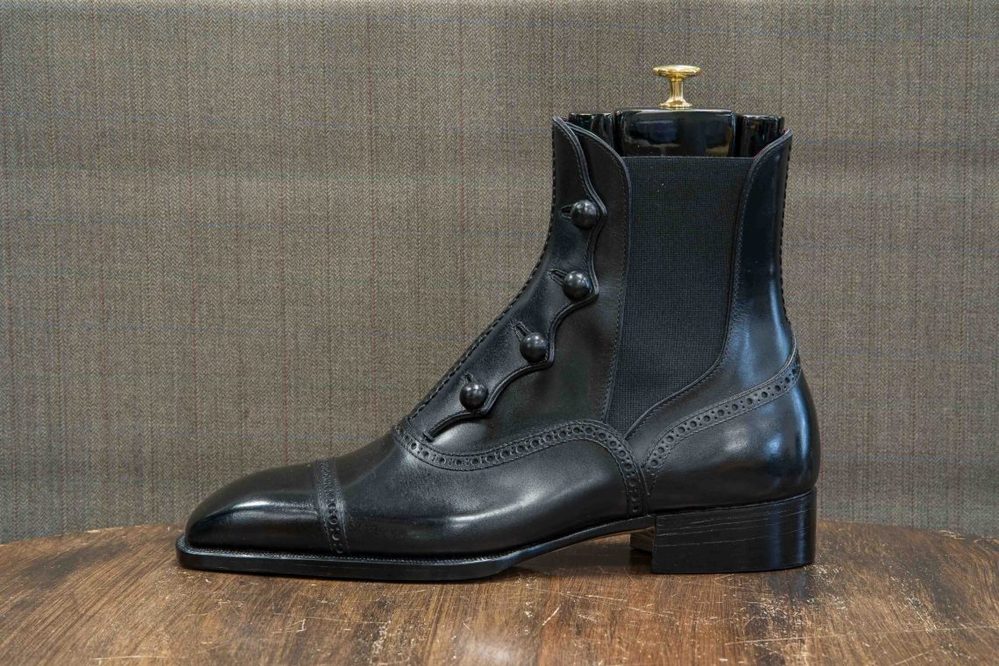
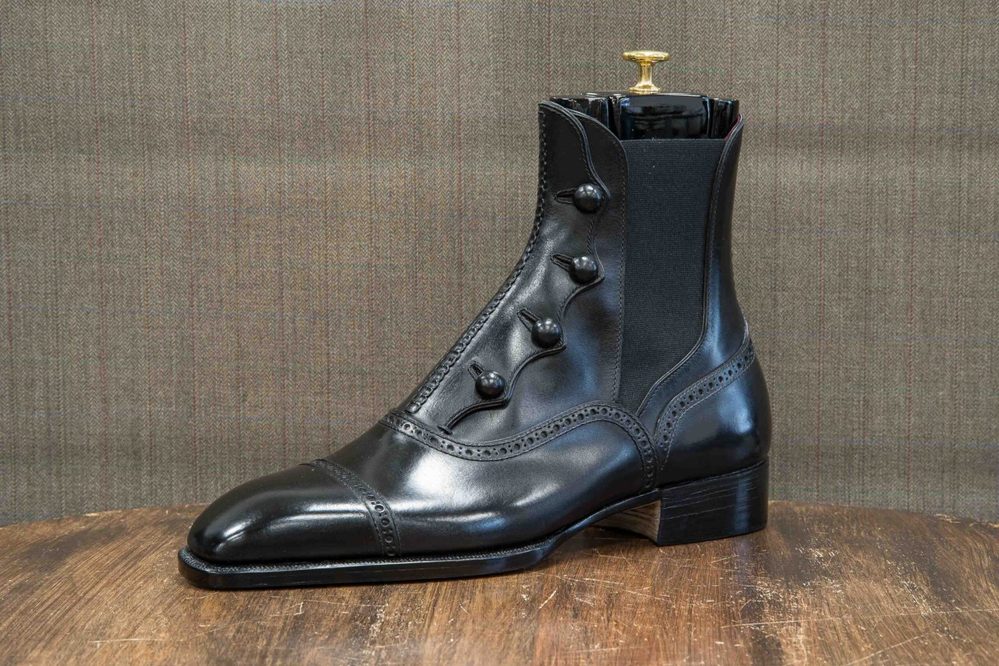
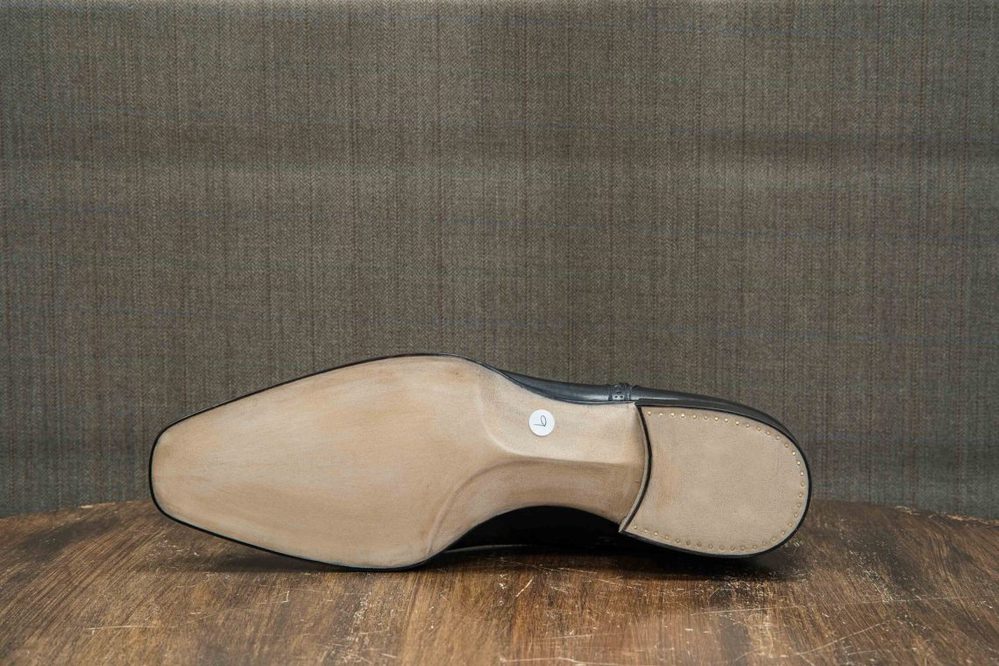
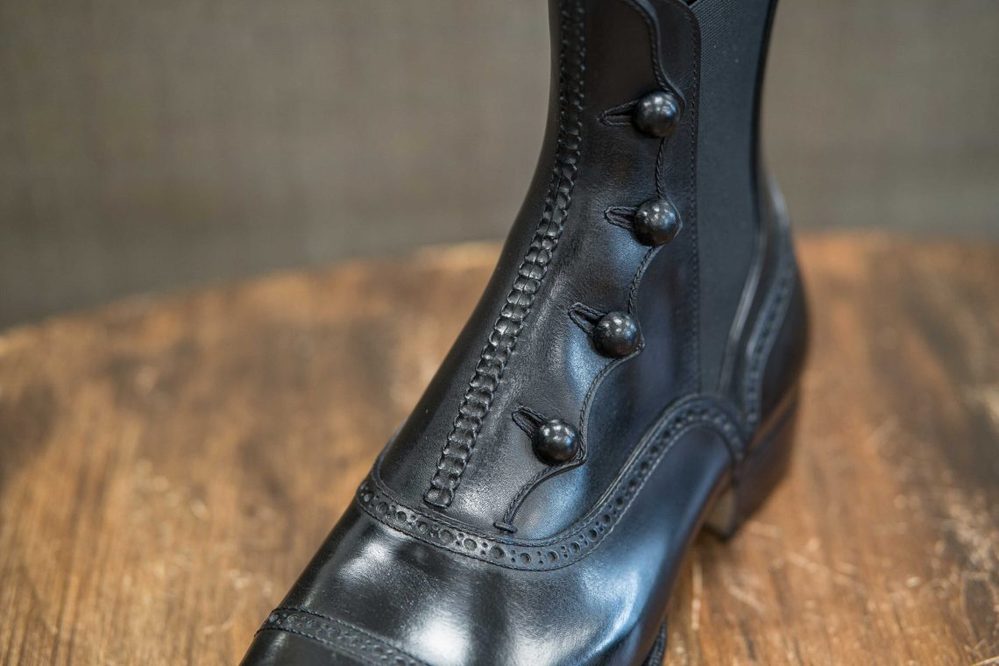
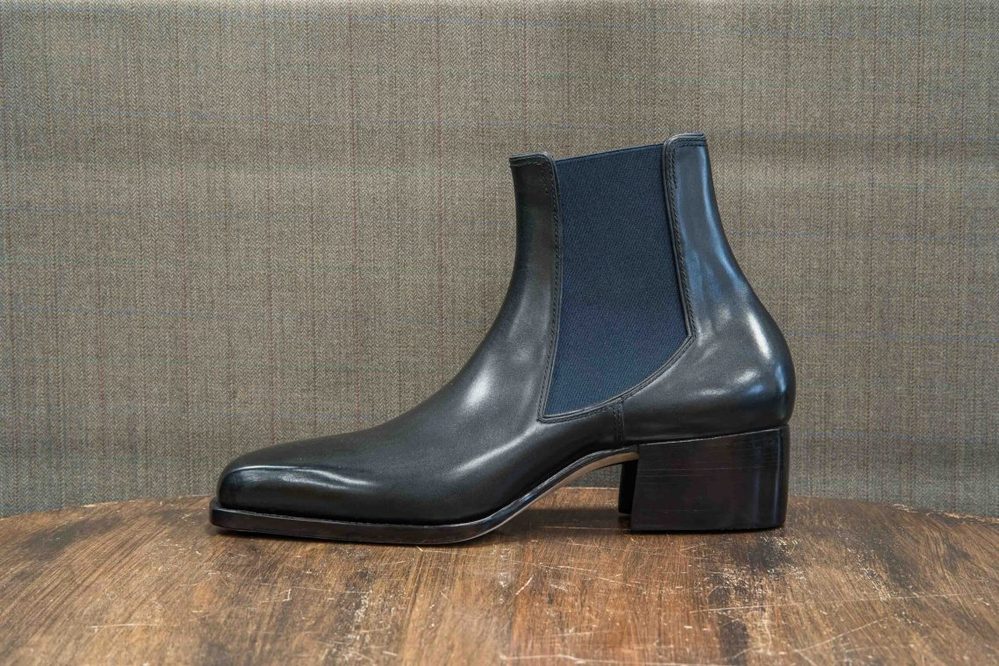
Kim Junghwan of South Korea takes 11th place with one of the more unusual interpretations of the Chelsea boot brief.
There were several faux lace-up designs in this year’s competition, but Kim’s was the only one to take inspiration from a button boot, which immediately gave it a different character and, of course, I thoroughly enjoyed
Kim has worked in shoemaking for 14 years and runs a factory producing footwear under the Kyle Kim Shoemaker brand.
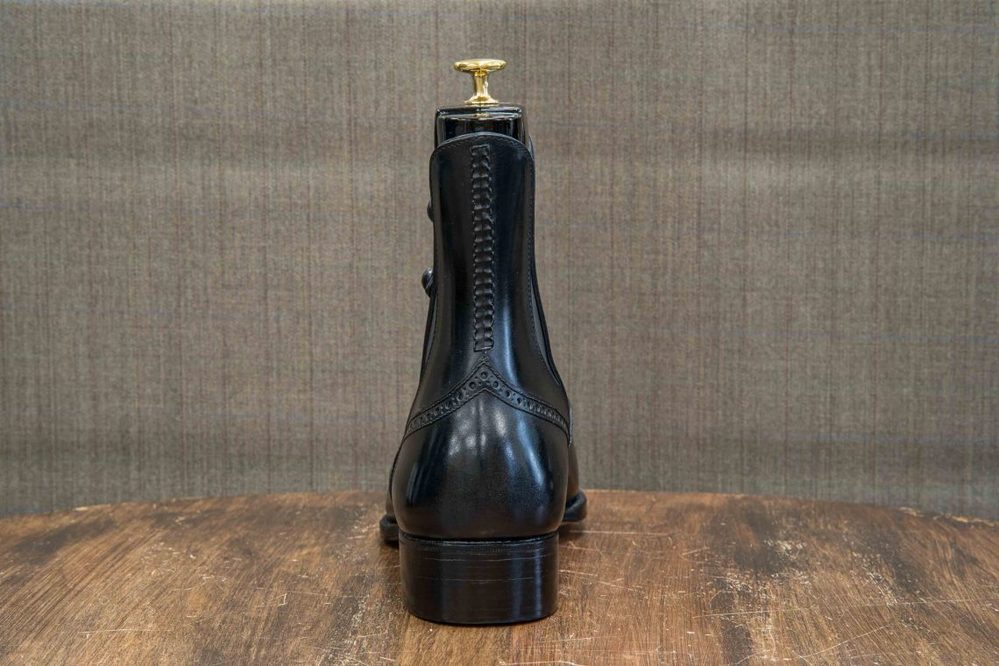
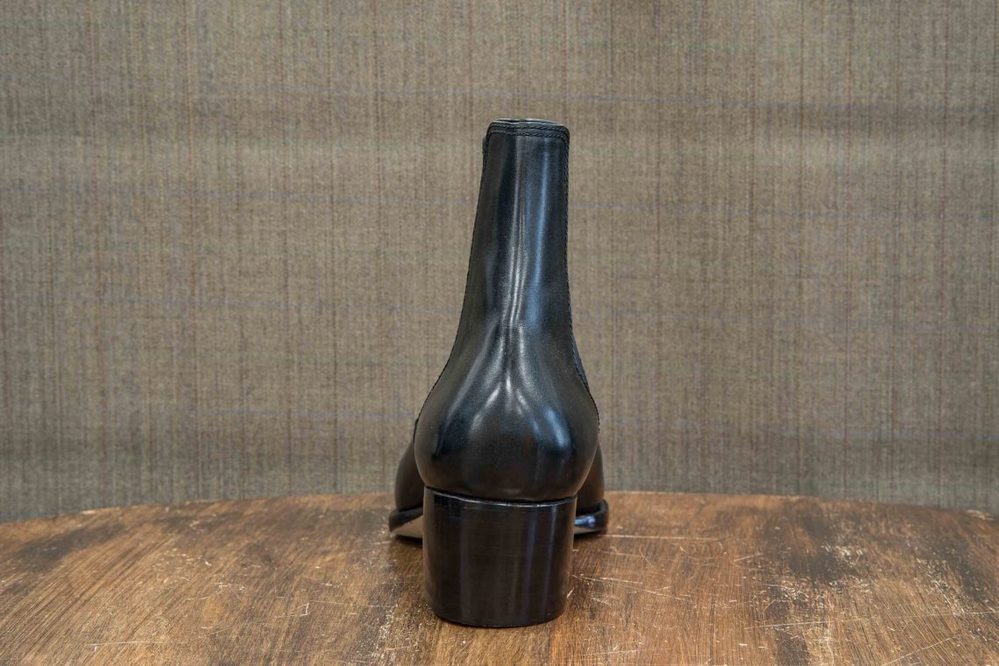
There is plenty of strong work here, including hand-stitched sections of the upper and a heel built from very thin leather lifts. The boot scored solidly across the judging categories.
Unfortunately, it also received a 5% deduction for using more upper pieces than the competition rules allowed.
Still, a distinctive entry with some very fine detailing and a boot I would definitely wear in my personal rotation.
12. Peace Andoh
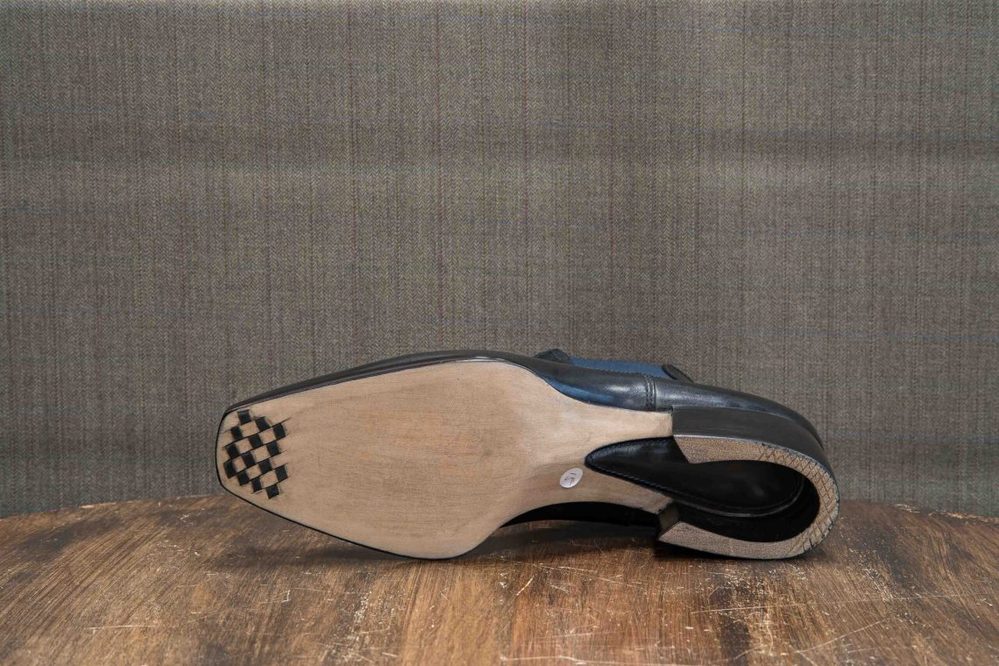
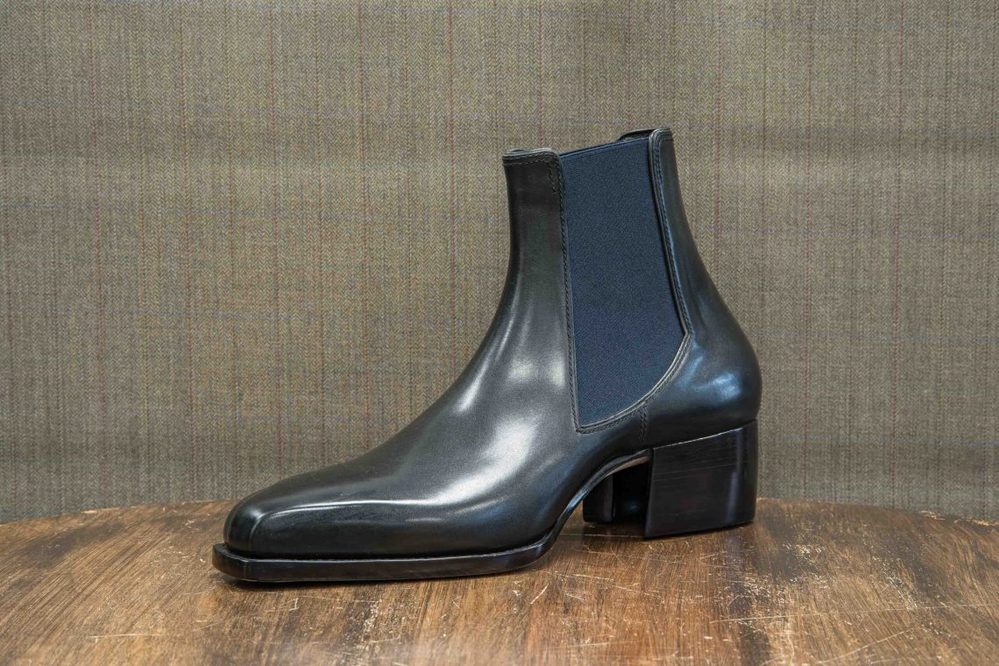
In 12th place is Peace Andoh of Ghana, who has entered the World Championships of Shoemaking before but achieved his best result to date this year.
His Chelsea boot takes a much more flamboyant route. Something John Travolta would have worn in Saturday Night Fever.
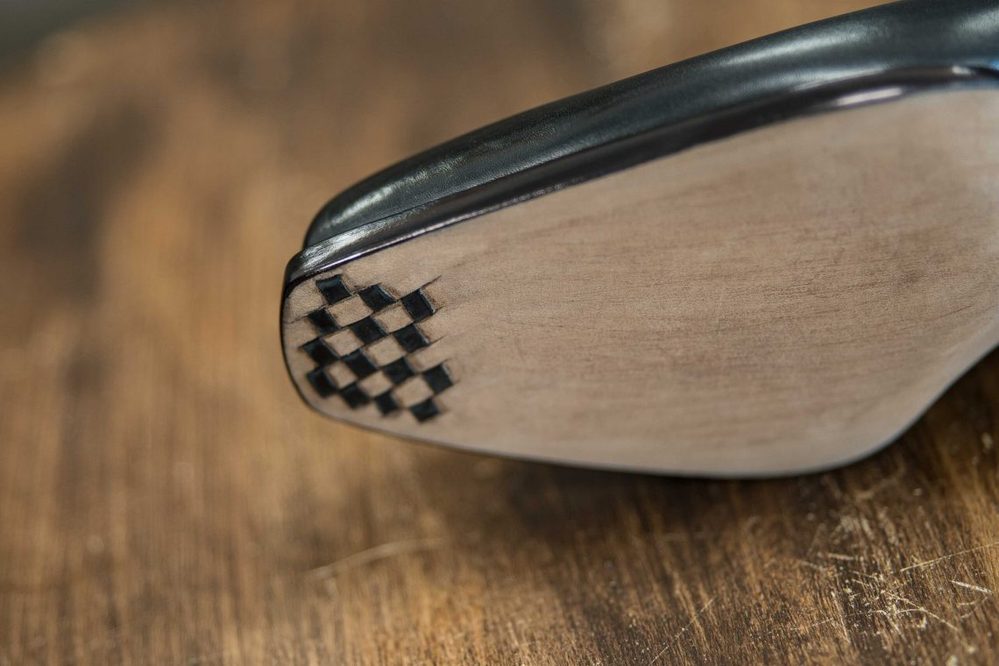
The high heel immediately gives it a very strong 1960s Swinging London character, while the horseshoe heel construction keeps one foot firmly in the traditional exhibition-shoe world.
The detail that really separates it, however, is the unusual braiding across the toe. A unique idea we have not seen before.
Peace made the entire boot himself.
The originality and overall concept are certainly memorable, although some issues with execution—including a horseshoe heel—cost him points.
Nevertheless, this represents a significant step forward from his previous competition entries.
13. Naang Boots
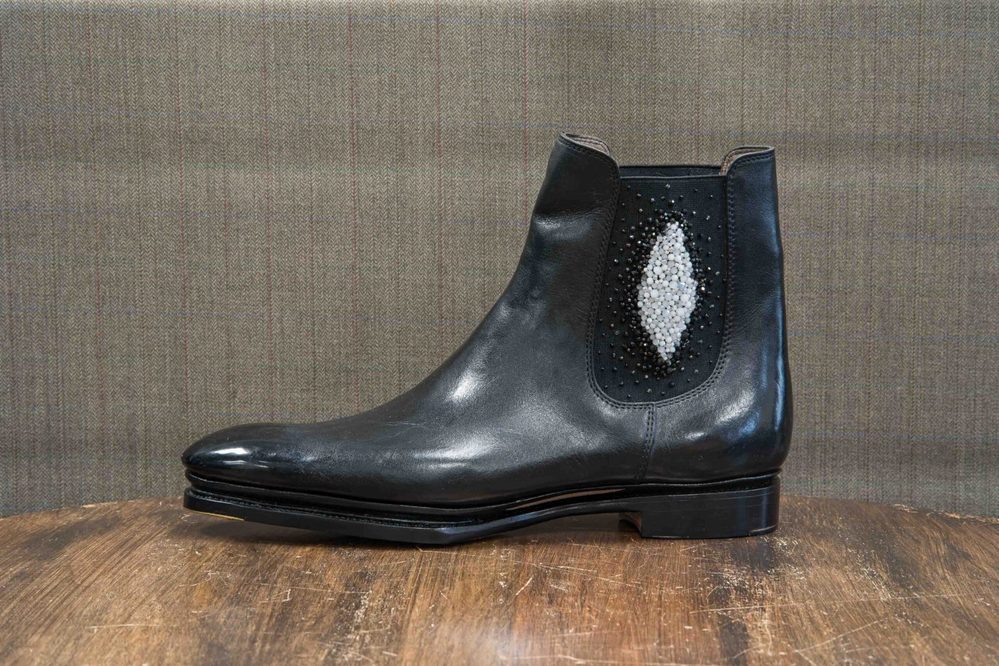
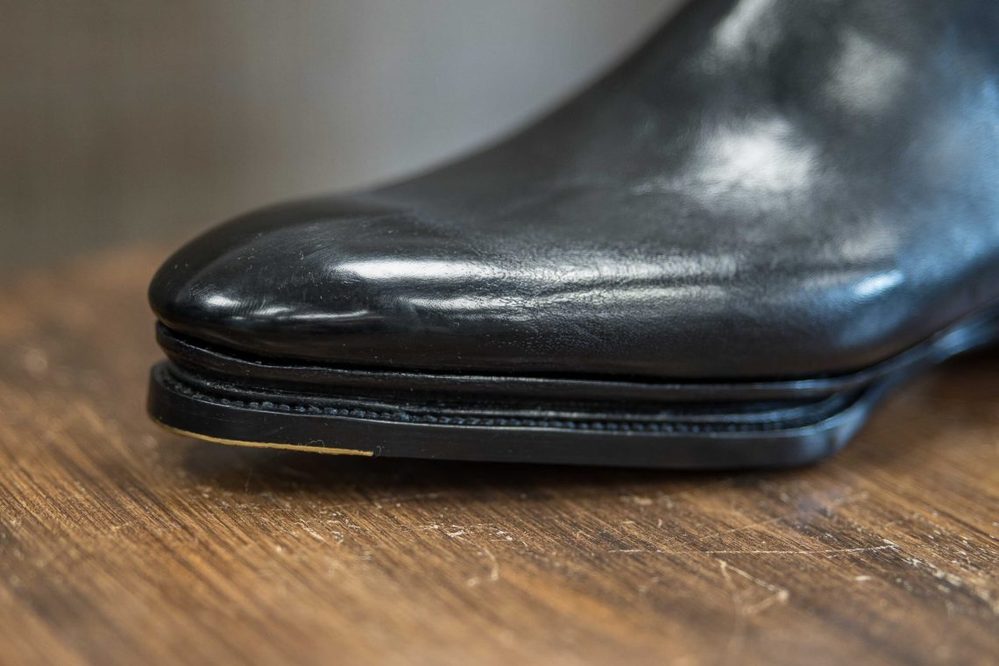
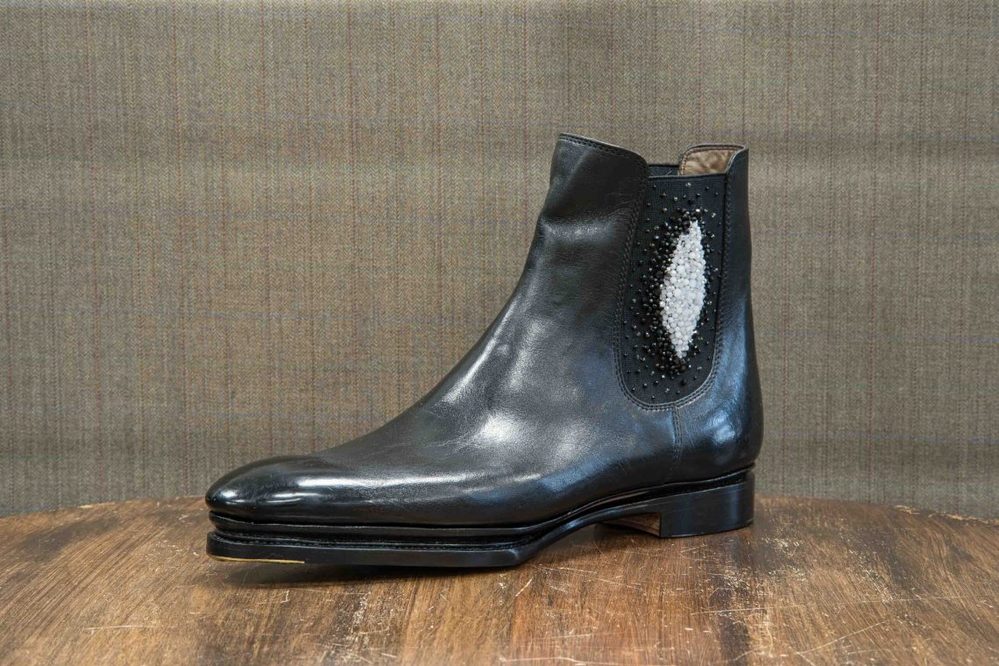
Naang Boots is a newly established brand founded by Allan Donnelly of The Last Shoemaker, who finished fifth in last year’s competition, together with Dana Blouin. Both are based in Thailand.
Their entry is one of the more technically unusual boots in this half of the rankings.
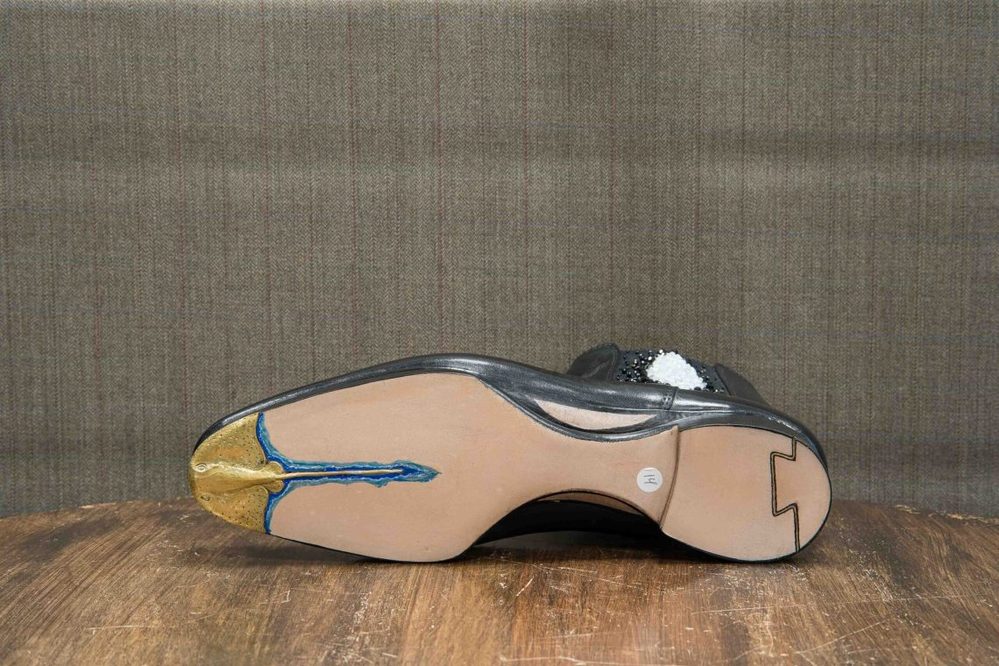
The construction uses a French pump stitch, with the second layer then hand-welted. It is not something you see very often at all, and certainly helped the boot score strongly for both difficulty and originality.
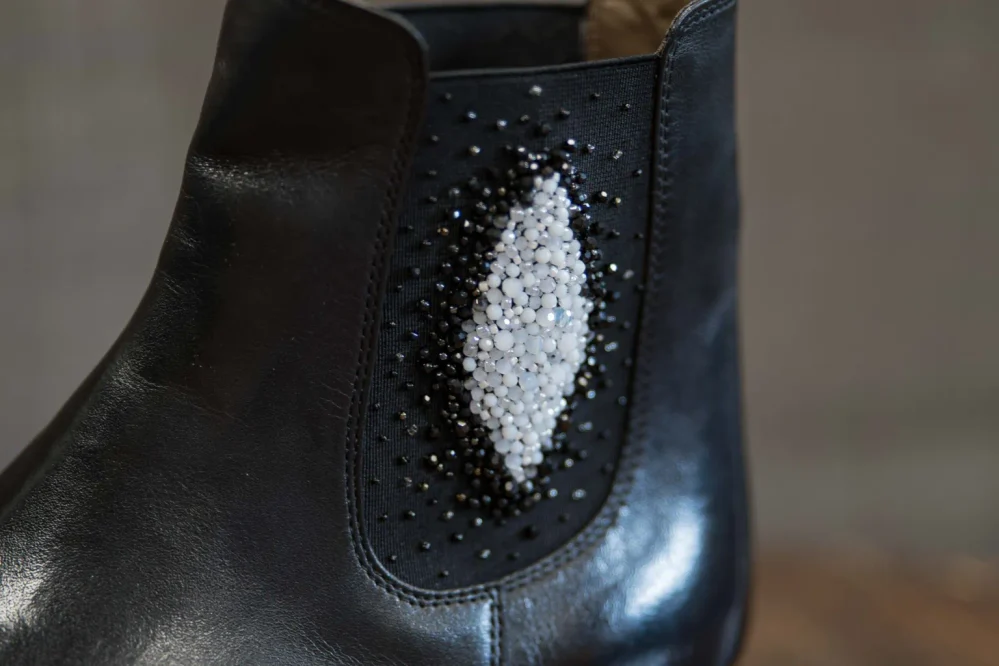
Stingray is used as a recurring decorative theme throughout the design.
This was also a collaborative build:
Allan Donnelly – last
Dana Blouin – pattern and toe plate
Jib Blouin – embroidery
Rang – upper
Hin – bottoming
The boot scored higher for difficulty and originality than it did for execution and overall design, but there is no question that they tried something ambitious.
And that is very much what this competition is supposed to encourage, and thankfully with one of the simplest patterns there is, we found a lot of originality!
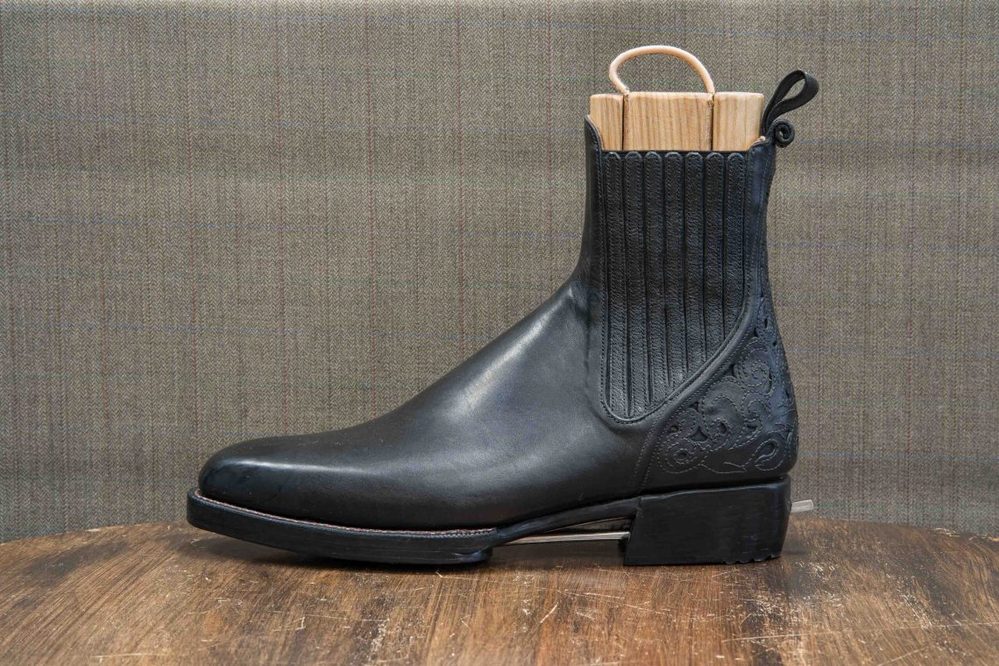
14. Ross Edwin Bell
Ross Edwin Bell, based in Norfolk, England, is primarily a leather craftsman specializing in hand-stitched work. Shoemaking is something he does in his spare time. And this was only the ninth shoe he has ever made.
That makes a 14th-place finish in a competition of this level pretty impressive in itself.
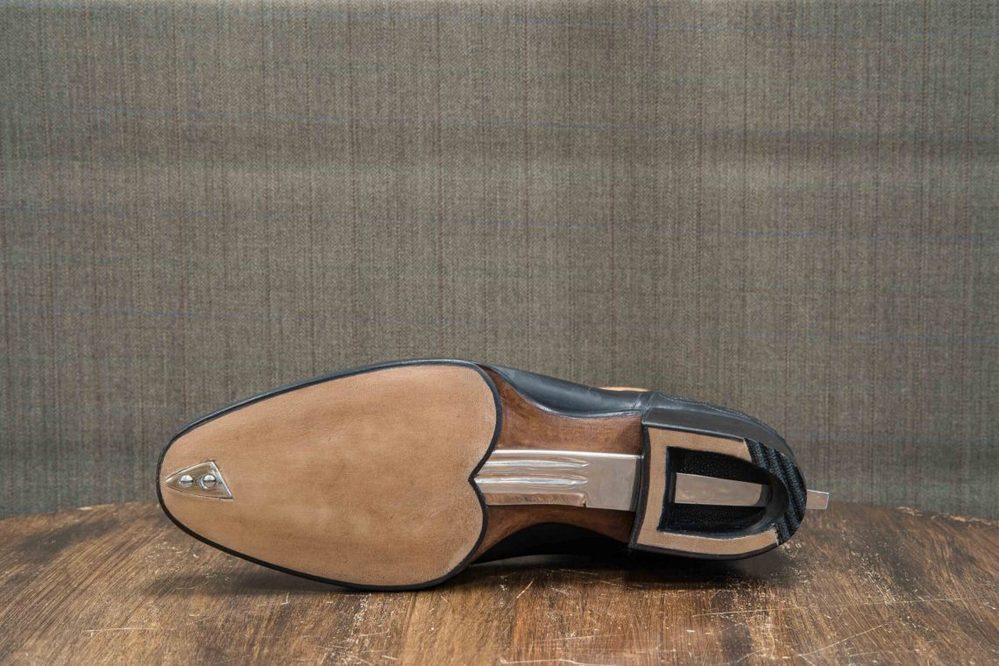
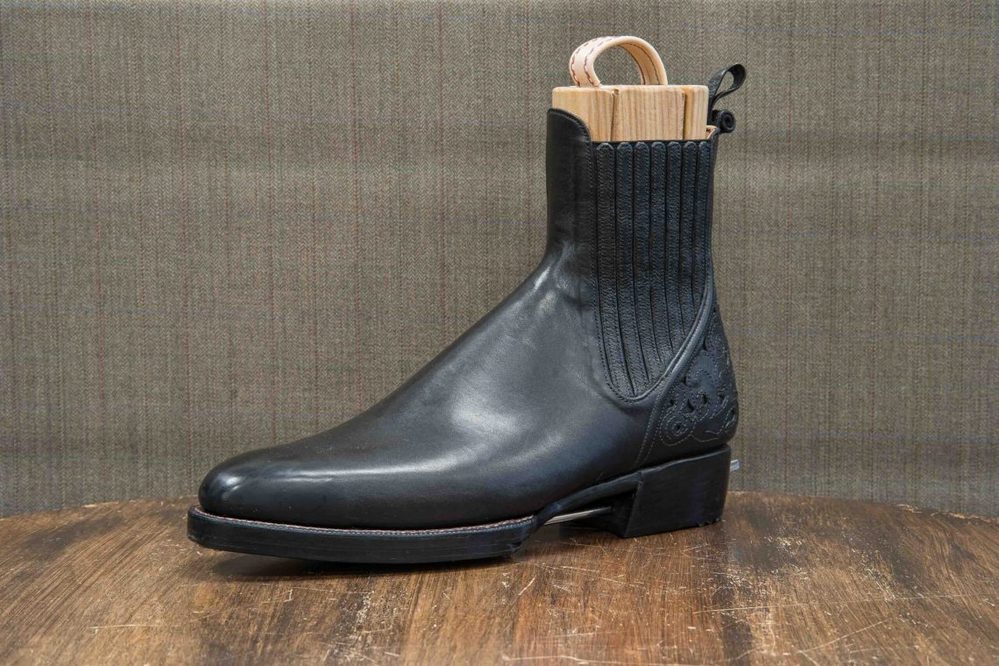
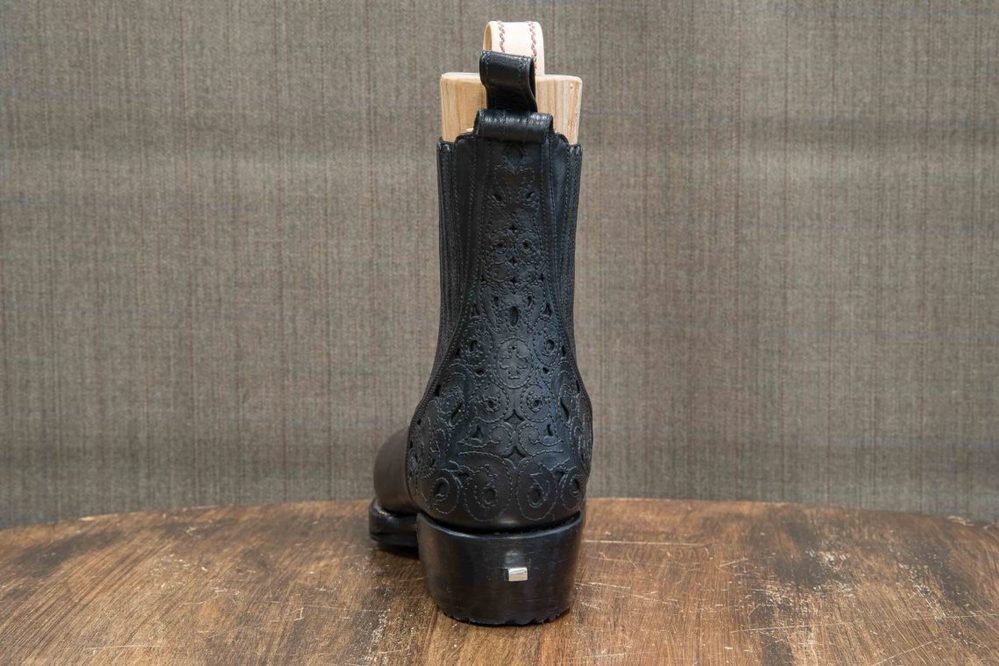
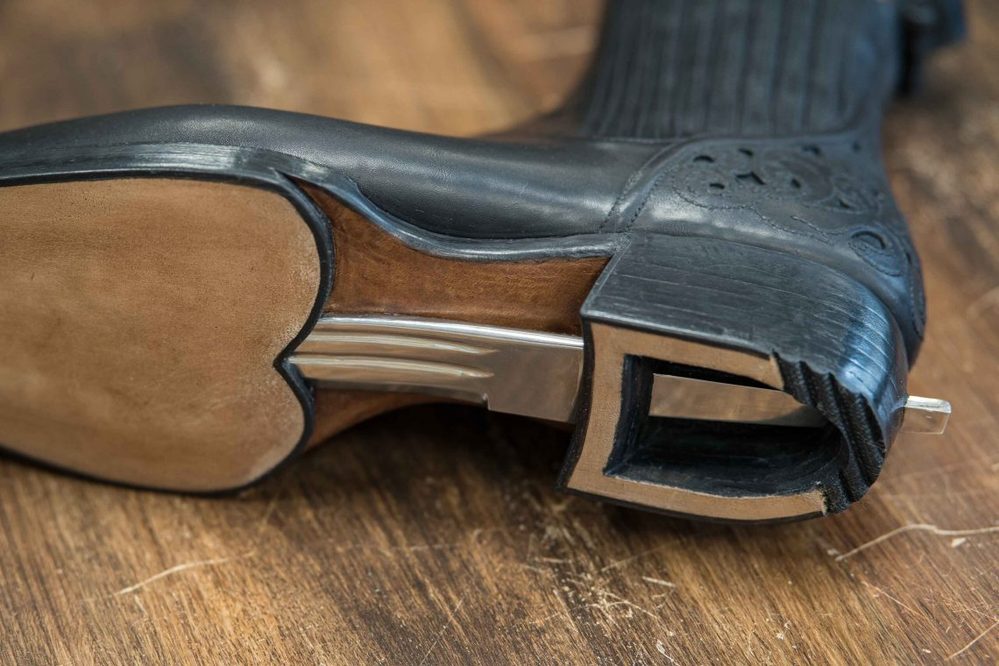
The boot was inspired by an 1899 Swiss military sabre, with perhaps the most obvious reference being the exposed metal shank.
There is a large amount of hand stitching throughout the construction, which naturally raised the difficulty considerably, alongside a number of unusual design details.
Ross made everything himself apart from the steel component.
For someone so early in his shoemaking journey, there is a lot to admire here.
15. Shid
This boot may look familiar to those who have followed the World Championships over the years.
At first glance, many might assume it was made by Paul Bogdan, whose previous competition entries have offered similarly extreme silhouettes, shapes and design.
But they were not by Paul. The maker is Mashid Shisheh Gar, who, interestingly, also lives in the Marche region of Italy and is a friend of Paul’s. So there is likely some influence there.
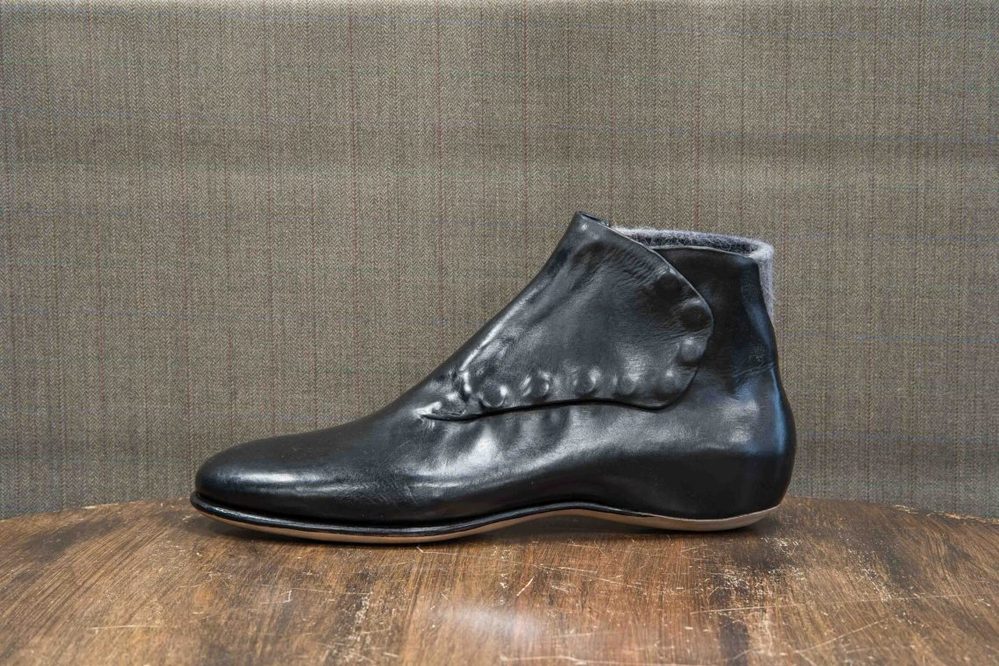
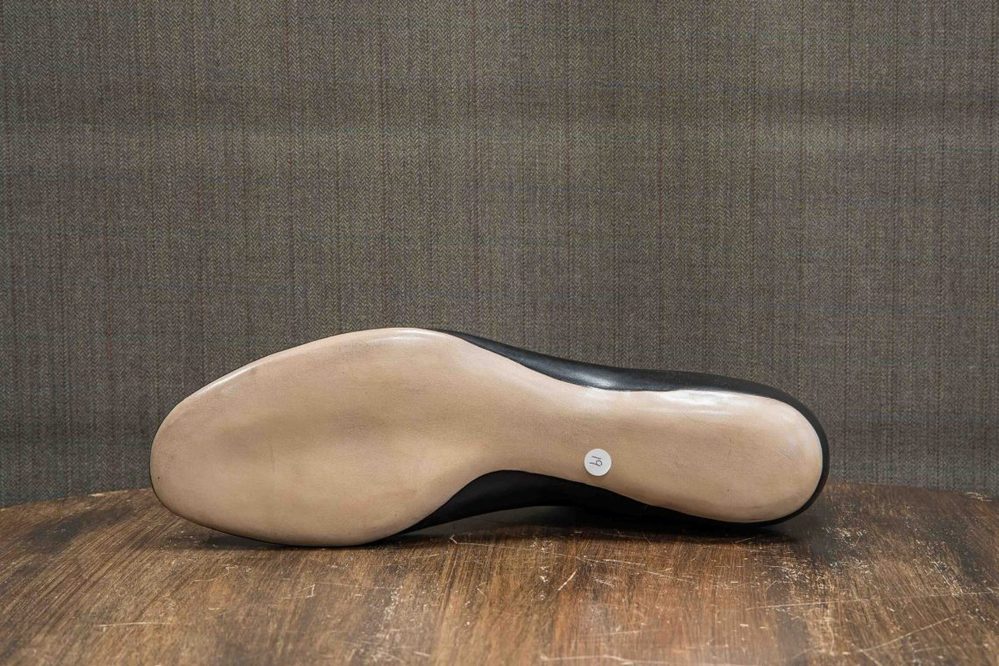
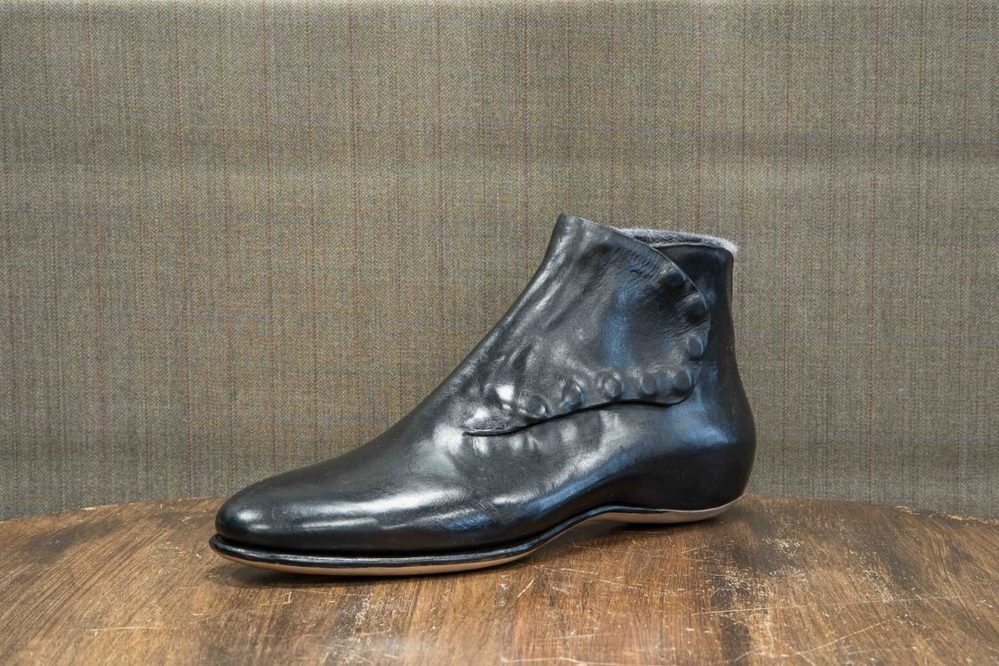
This is one of the more radical boots in the competition and arguably pushes the definition of a Chelsea boot about as far as it can go. Technically, however, it stayed within the rules.
Not surprisingly, it scored very highly for originality, while the other judging categories were somewhat lower.
It is certainly not a boot everyone will love aesthetically, but that is almost beside the point with something like this.
While many may not agree, we believe that competition shoemaking should occasionally produce footwear that makes you stop and ask, “What exactly am I looking at?” — if everything is the same, the competition becomes dull.
This one definitely makes you stop and think.
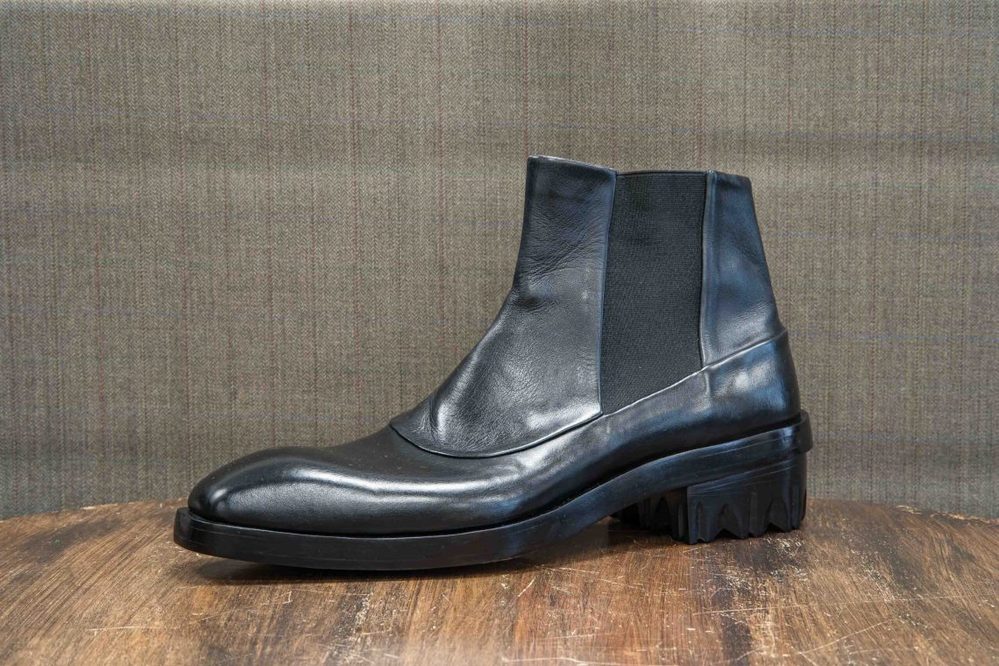
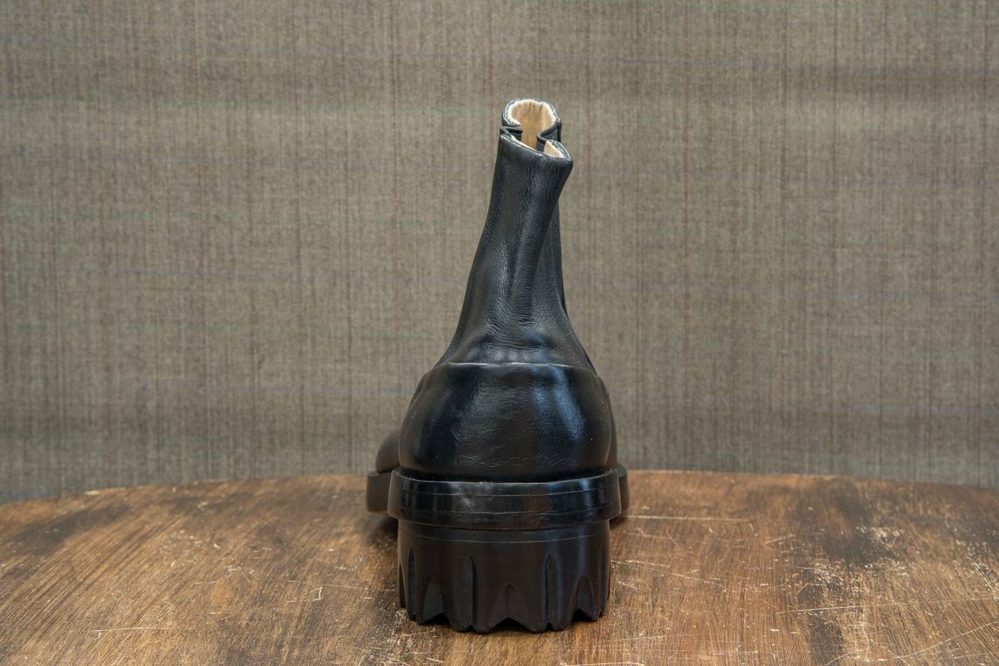
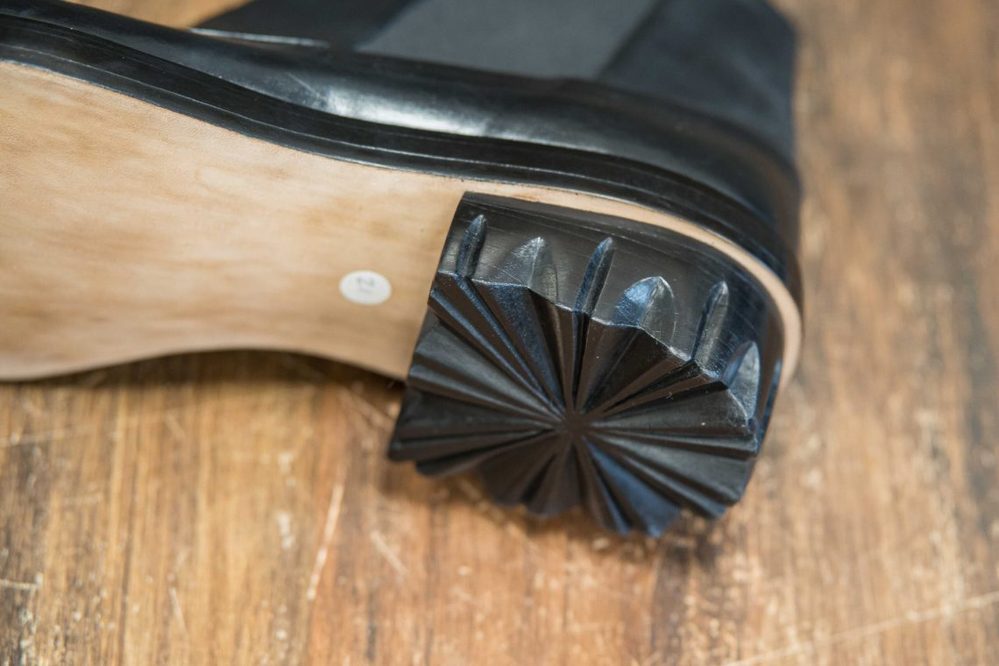
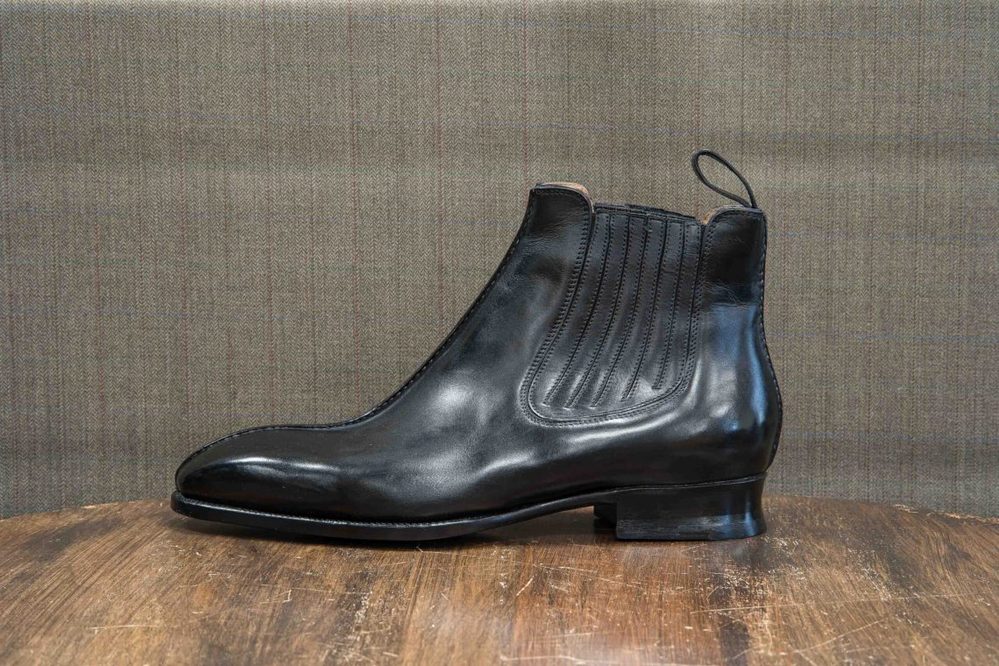
16. Anietie Ette
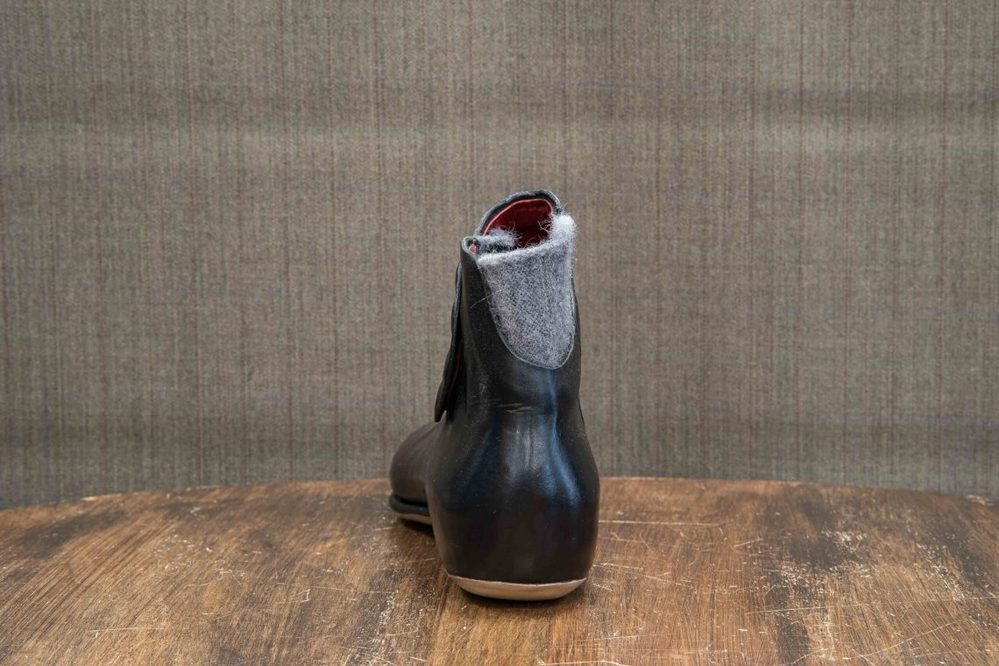
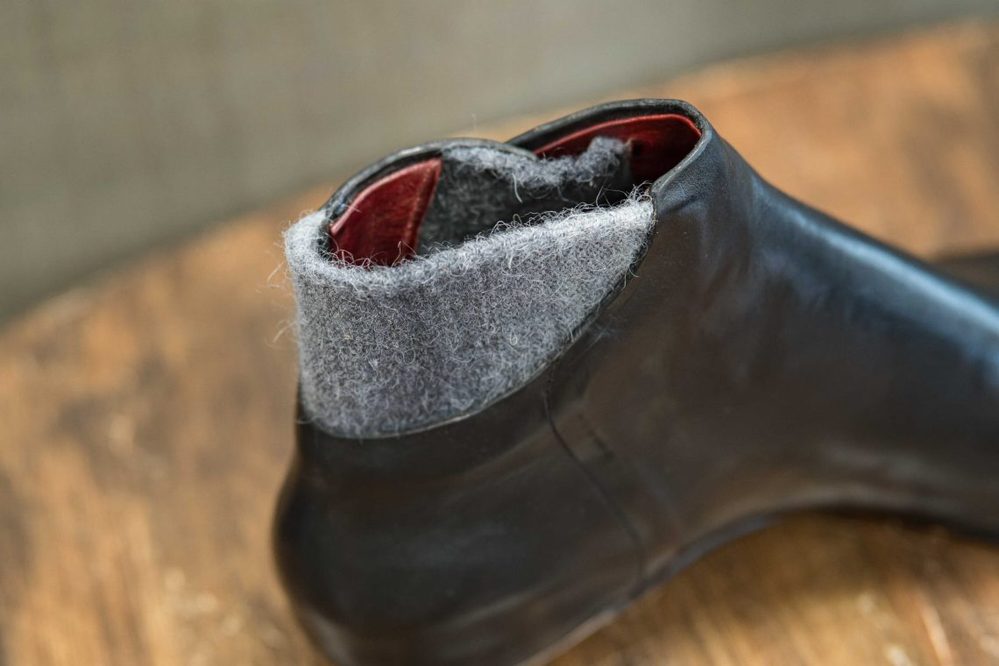
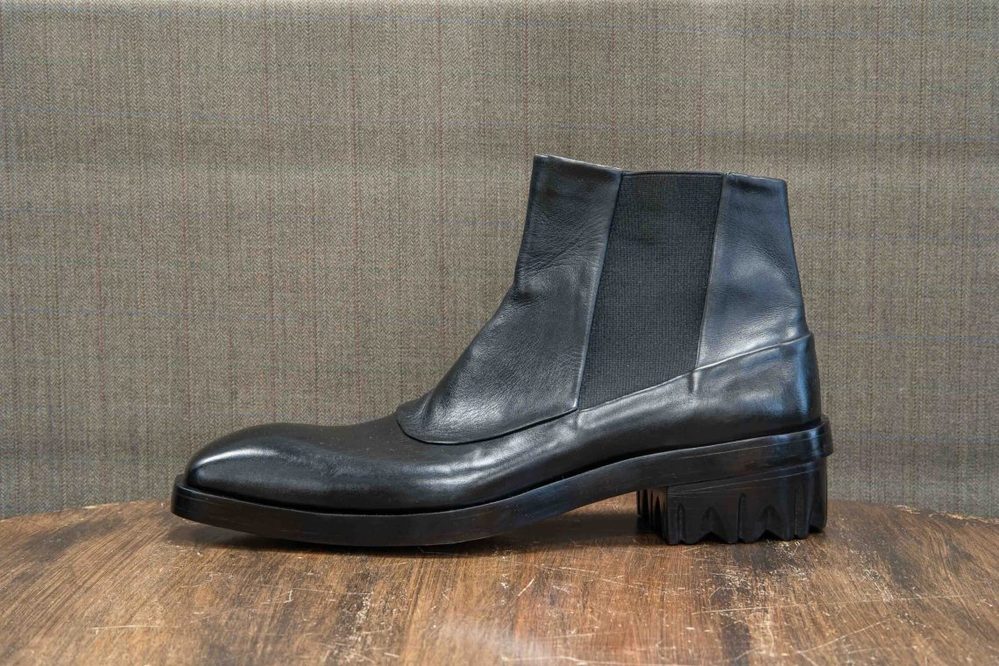
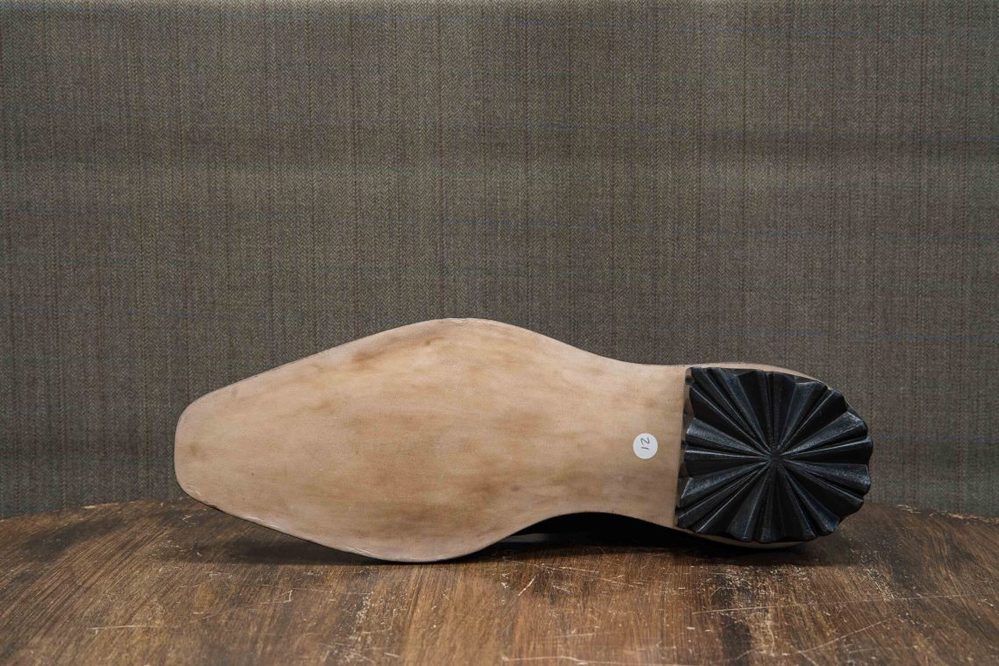
Anietie Ette takes 16th place with a boot built around two particularly striking ideas.
First, the entire upper uses completely hidden seams, giving it a remarkably clean appearance.
Then there is the heel. There is really no missing it. The unusual sculptural construction gives the boot a very distinctive silhouette and was clearly intended to push the technical side of the entry.
The judges rewarded the difficulty of the work more highly than the execution.
Anietie is a self-trained French shoemaker who runs the small hobby business Full Armour Leathercrafts.
It is another good example of how the World Championships attract not only established professional makers, but also people pursuing shoemaking on a much smaller scale who are willing to test themselves against some of the best craftspeople in the world.
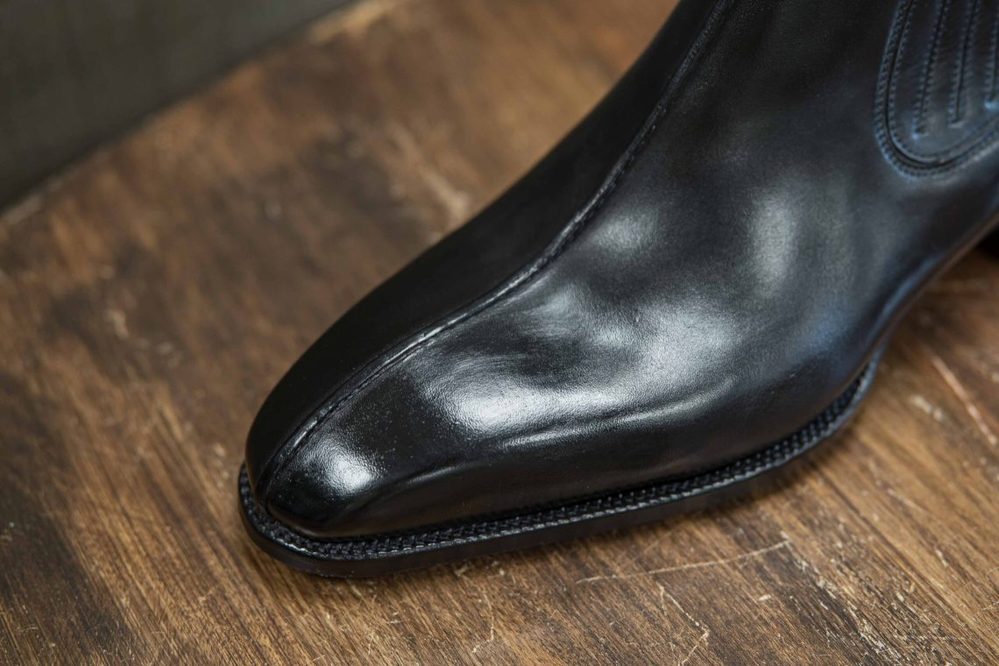
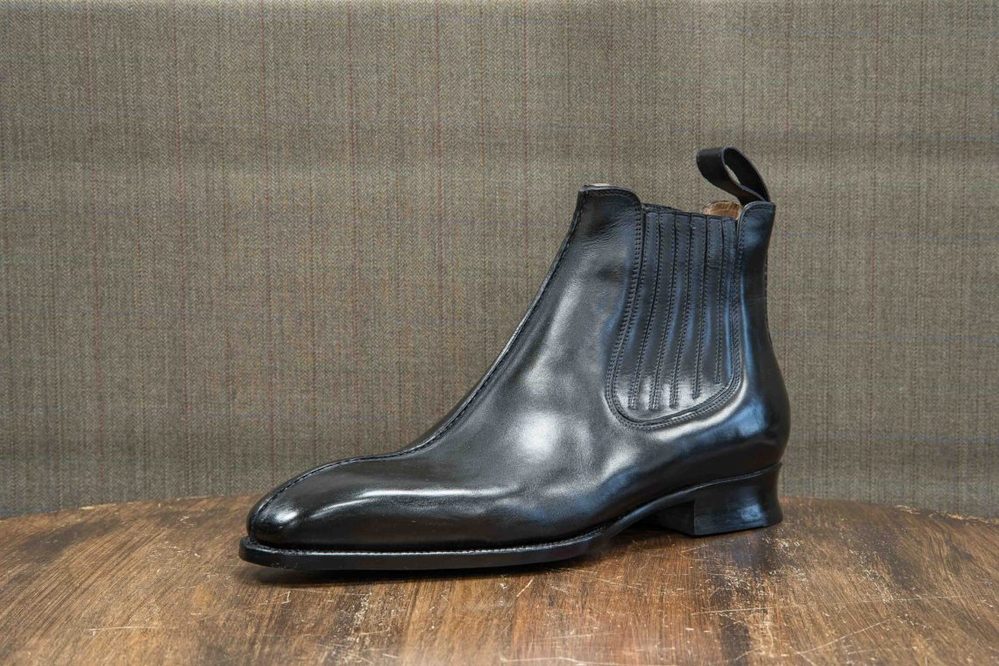
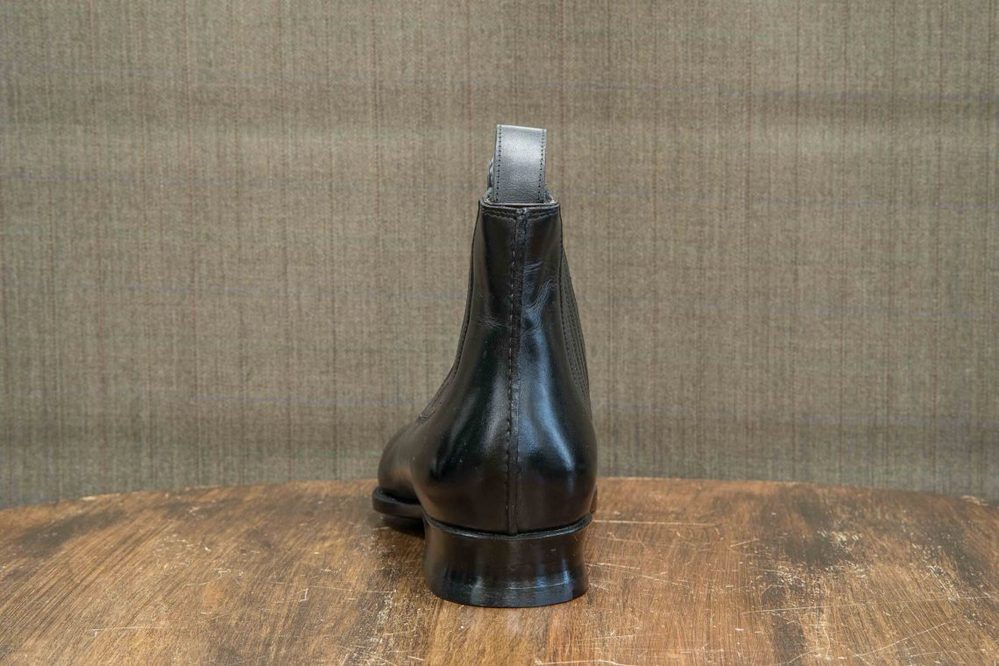
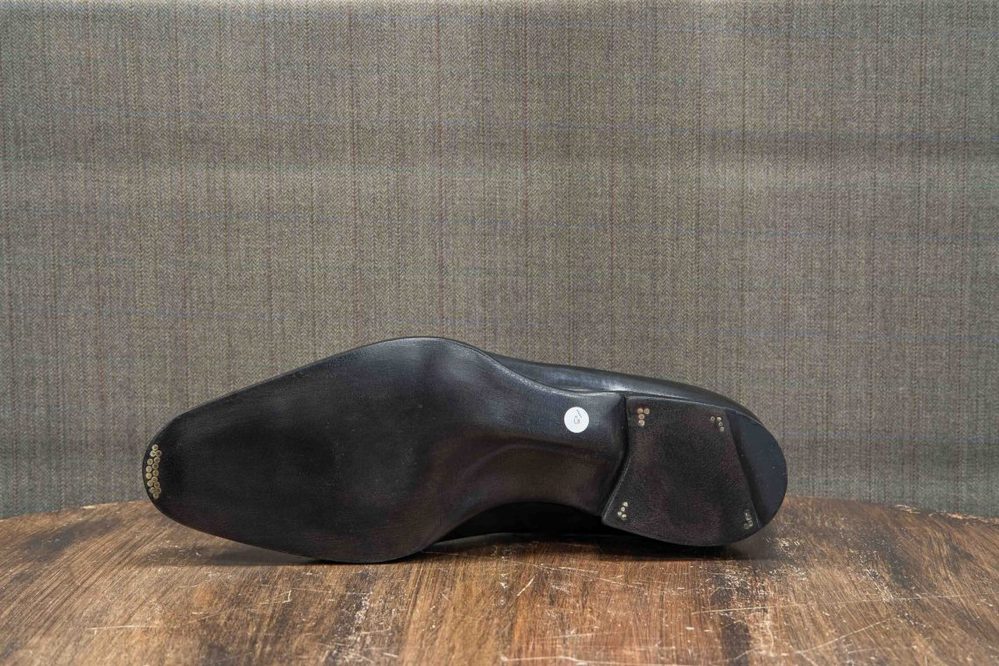
17. Petru Claymoor
In 17th place we have Petru Claymoor, the Romanian brand founded by Mircea Cioponea and Petru Coca.
Some long-time shoe enthusiasts may remember Mircea from the old Claymoor’s List shoe blog.
Petru Coca now runs the brand’s workshop in Transylvania and was responsible for making the competition boot.
Their entry is a relatively elegant interpretation of the Chelsea boot, featuring a central seam and an otherwise clean overall appearance.
The boot was made entirely by hand apart from the stitching of the lining.
It scored particularly well for difficulty and design/aesthetics, while execution and originality came in lower.
Unfortunately, the entry also received a 5% deduction because the sole was colored, which went against the competition specifications requiring a natural-colored sole bottom.
A shame, as without the deduction it would naturally have finished somewhat higher.
18. Taichi Yasuda
We actually have a tie for 18th place this year.
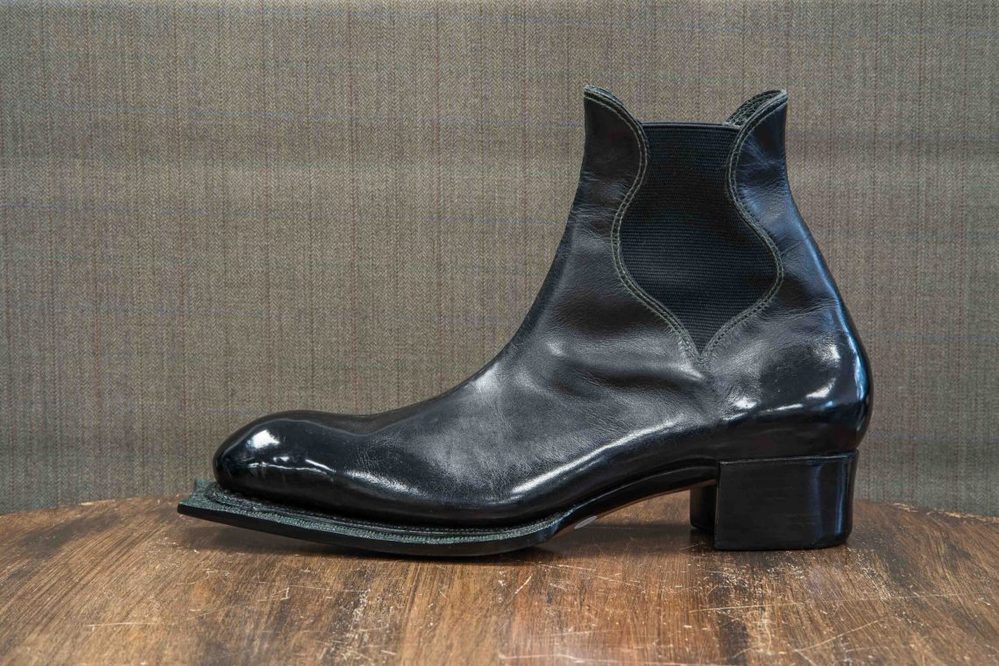
The first of the two is Taichi Yasuda of Japan.
This is an ambitious entry from a shoemaker who appears to still be relatively early in his development.
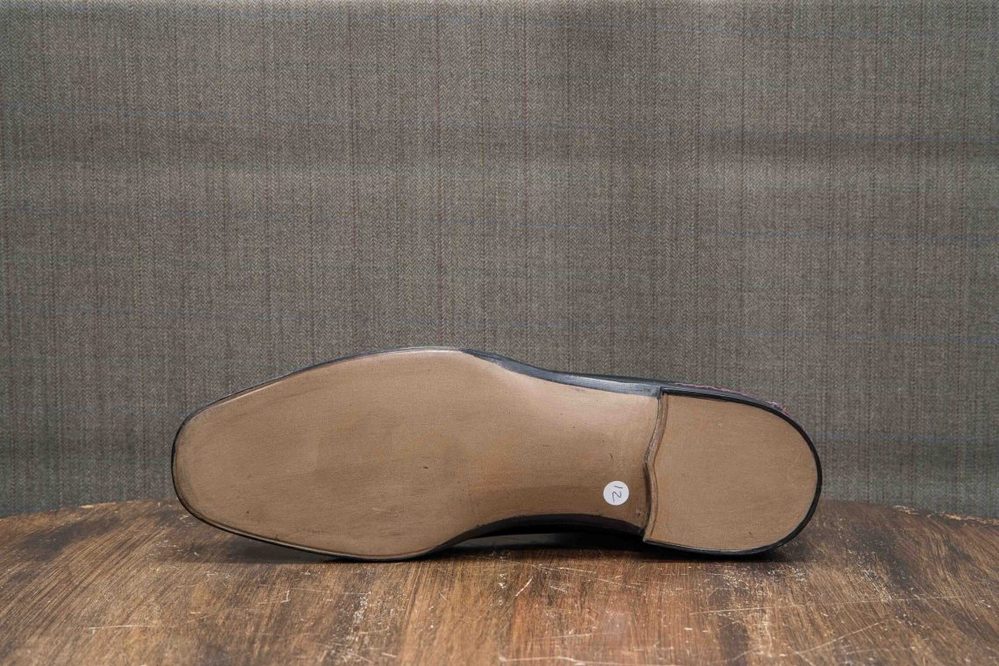
From underneath, the boot presents very nicely, with a strong-looking sole and very tight sole stitching.
The upper and welt finishing, however, are noticeably rougher in places, which likely contributed significantly to the final ranking.
The entire boot was hand stitched, and Taichi made every part himself.
There is obvious ability here.
As with many competition entries from newer makers, the ideas and difficulty sometimes run slightly ahead of the refinement of the execution—but that is also how people improve.
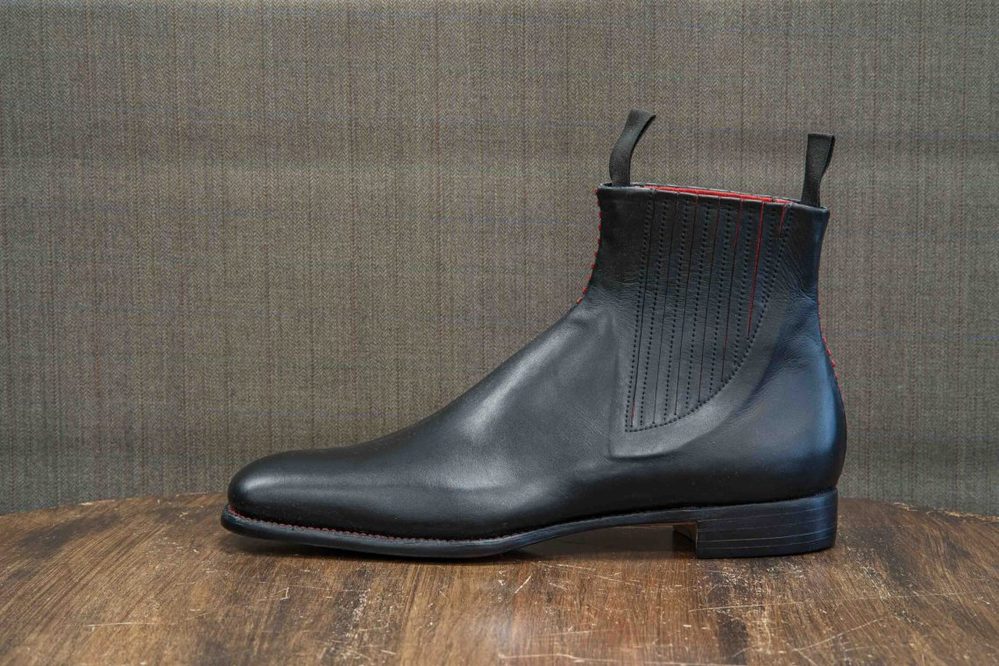
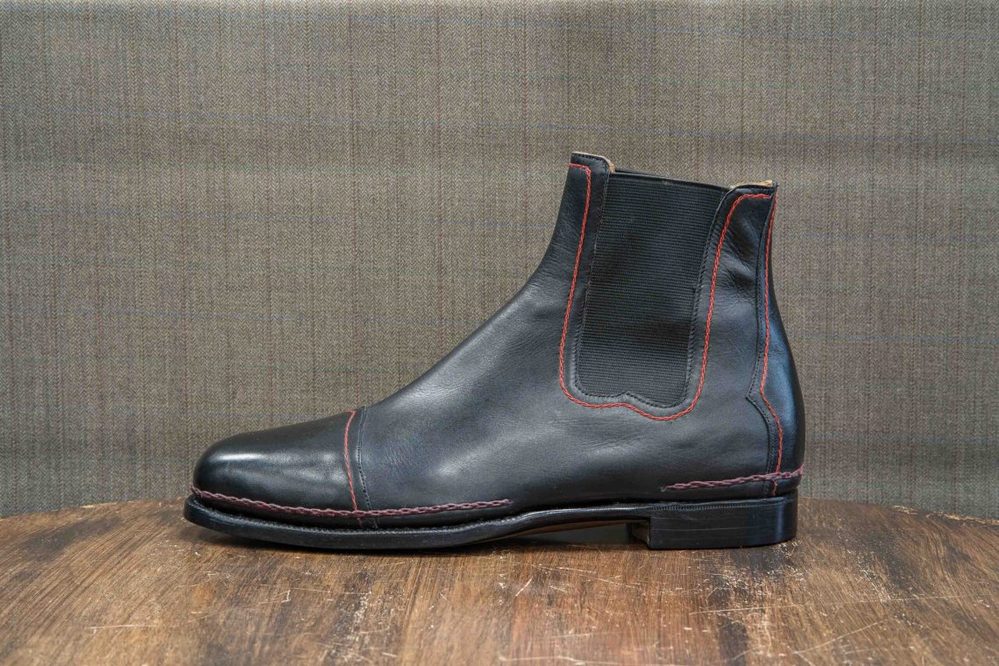
18. Natalia Iokhvidova
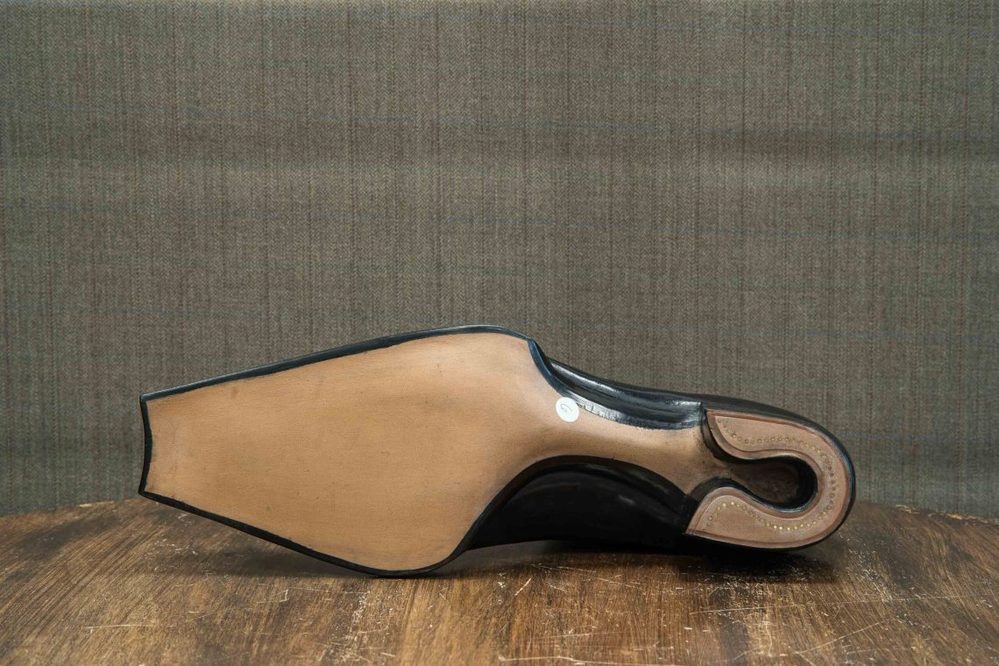
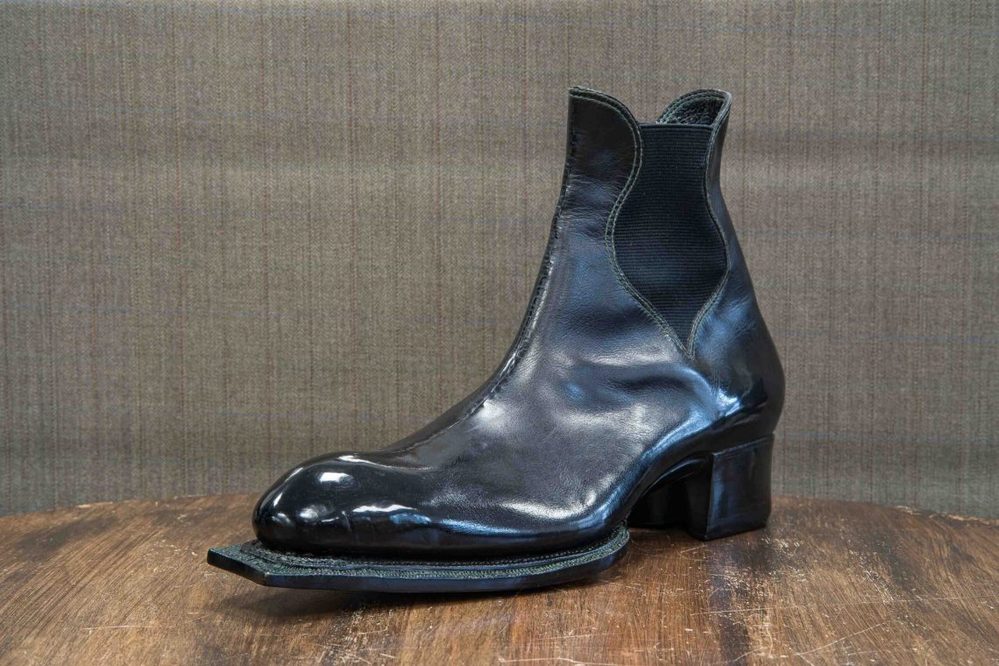
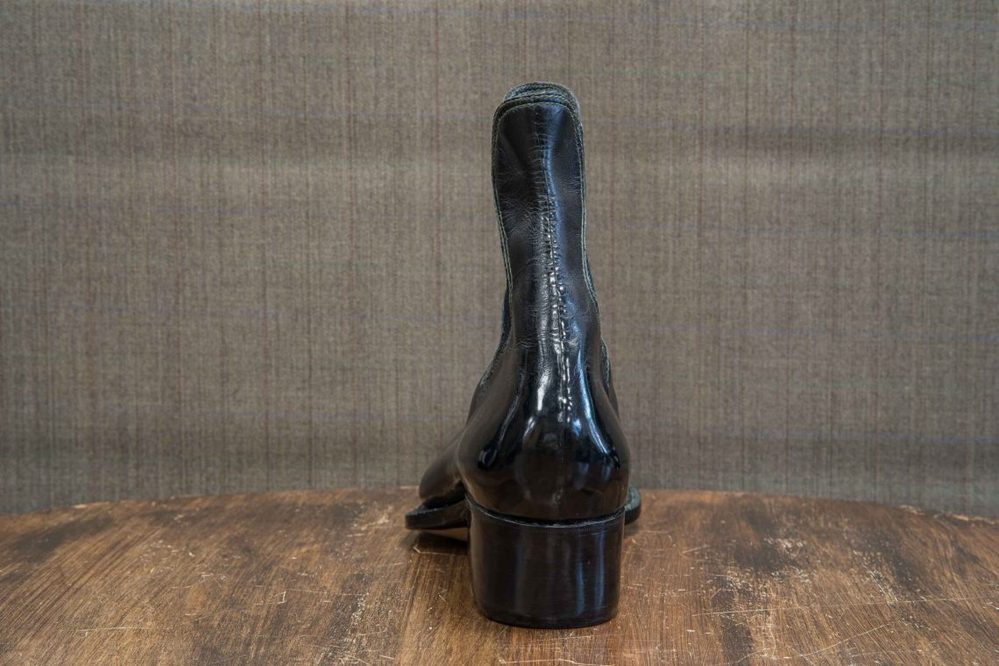
Sharing 18th place is Natalia Iokhvidova from Russia.
Her interpretation is much more traditional than many of the boots surrounding it.
It is a classic Chelsea shape, with red contrasting details used to give the otherwise black boot some additional character.
The upper work is the stronger part of the shoe, while the bottoming is less refined.
Natalia is learning shoemaking as a hobbyist and made the entire boot herself. That is worth emphasizing. Most shoemakers specialize in the finishing while others make the pattern, sew the upper, etc.
Entering something you have made yourself into a competition alongside full-time bespoke shoemakers and experienced professionals takes some courage, and the World Championships would not be nearly as interesting if only established masters participated.
20. François Jardé
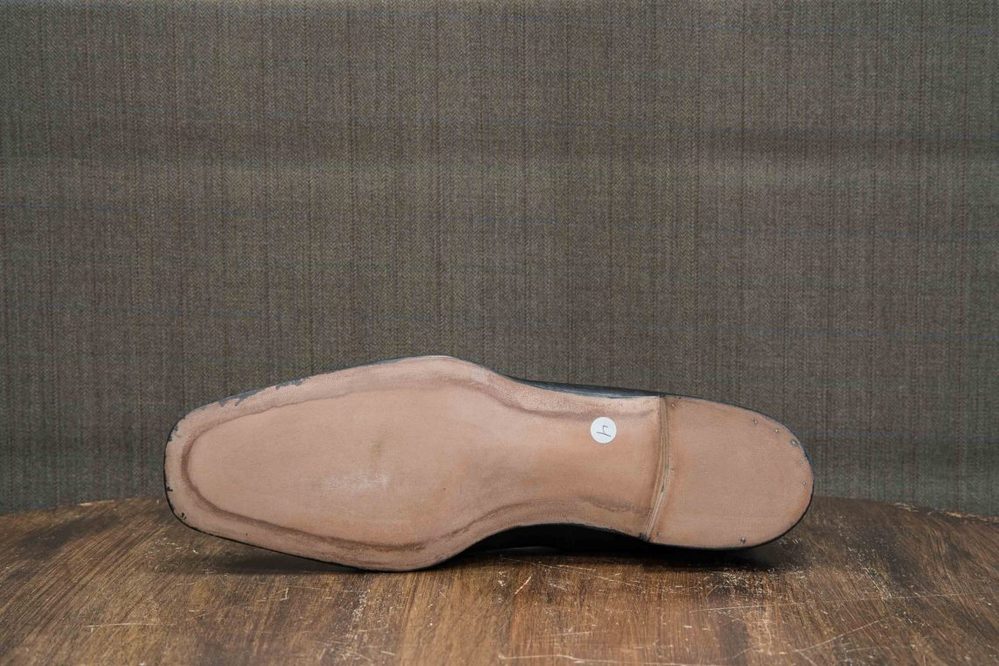
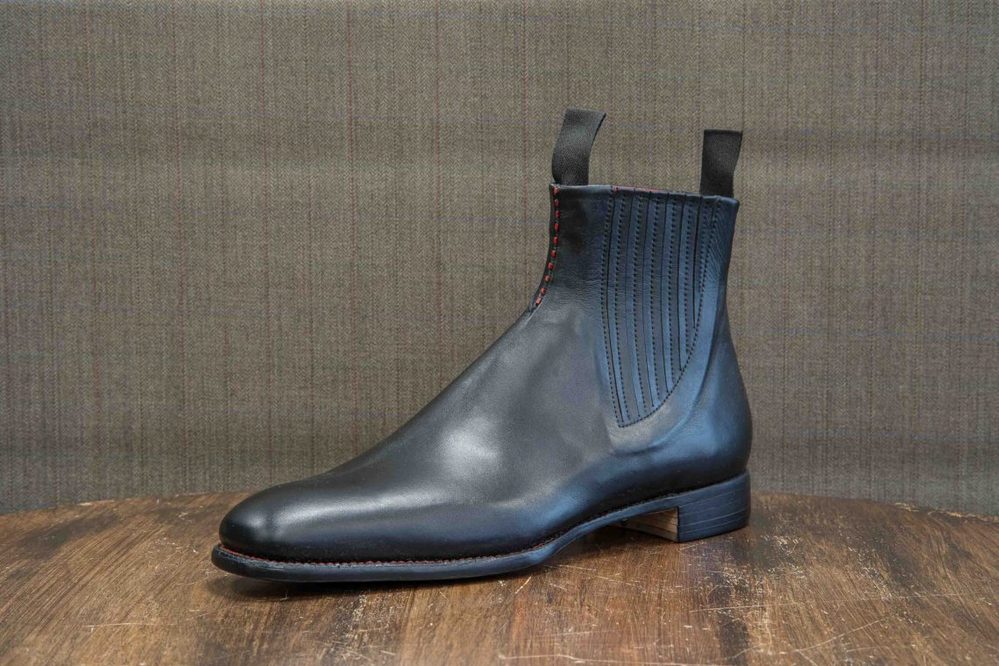
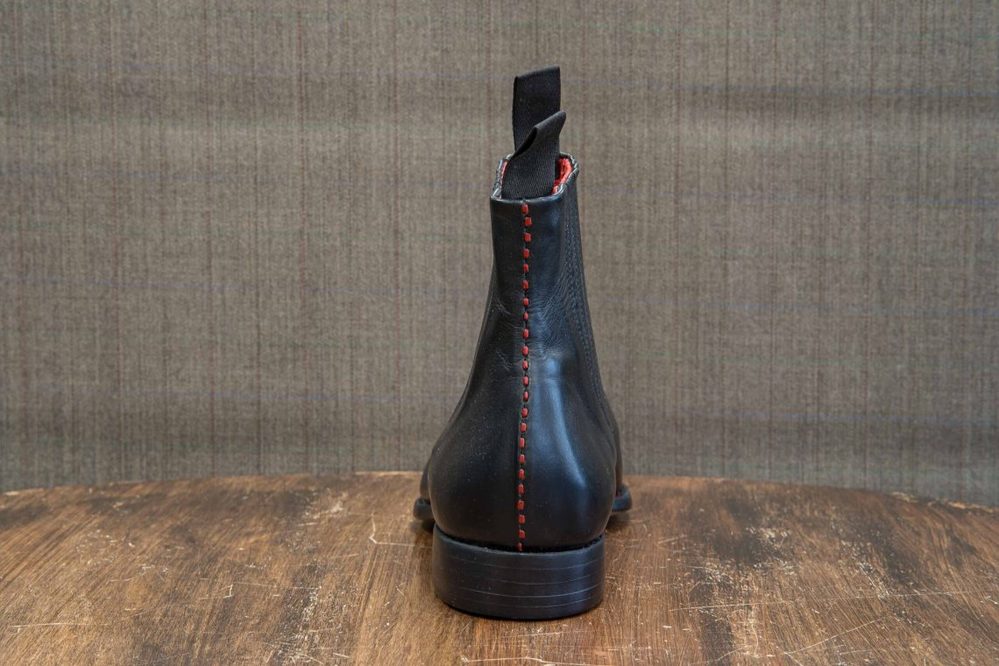
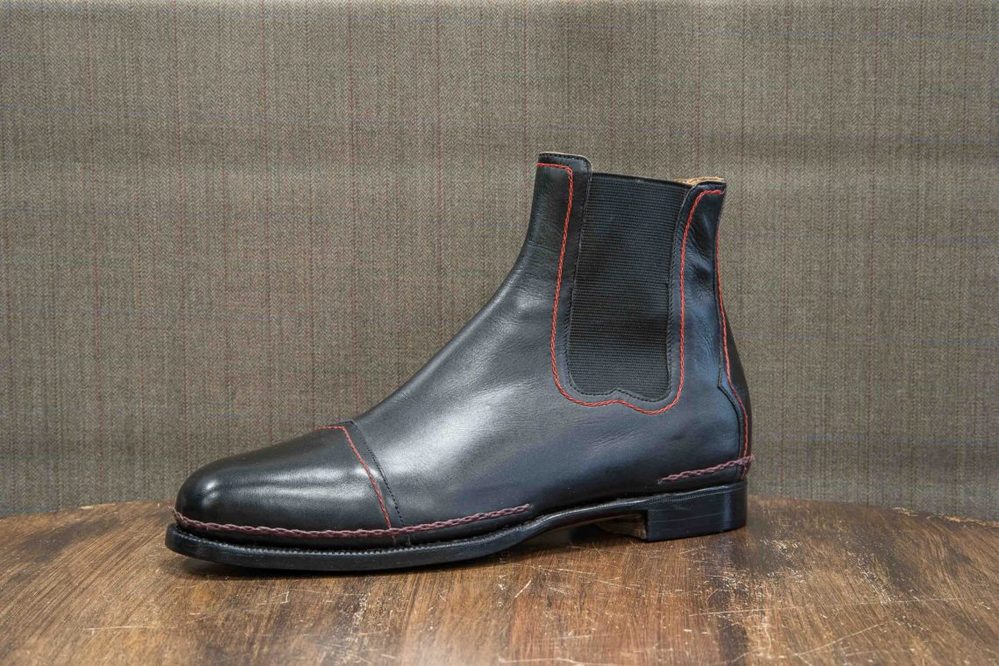
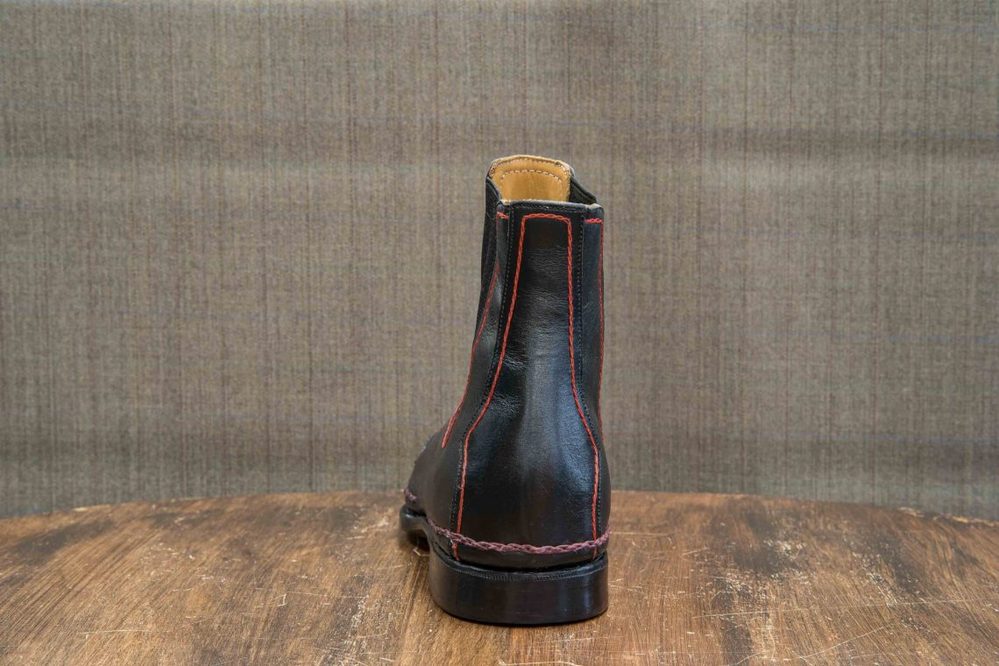
Rounding out the 2026 competition is François Jardé, a hobby shoemaker from France.
Like Natalia’s entry, this boot uses red contrast stitching against the black leather.
François also incorporated Norwegian stitching at both the front and rear of the boot, with the upper stitching braided by hand directly in place.
The sole itself is relatively straightforward but nicely executed.
The edge finishing is somewhat rougher, which is one of the areas where the boot falls behind the entries higher up the ranking.
Still, finishing 20th in this competition should never be interpreted as producing a bad shoe.
This is handmade footwear being judged against some exceptionally advanced work by shoemakers from around the world.
And that is really the point of showing every single entry.
That Completes the 2026 Competition
And with that, we have all 20 entries from the World Championships of Shoemaking 2026.
If you have only looked at the podium shoes—or even just the Top 10—I highly recommend going through the rest carefully.
There are always interesting ideas further down the ranking. Sometimes the concept is excellent, but the execution falls short. Sometimes an otherwise beautiful boot loses points because of a competition-rule infringement. And sometimes you are simply looking at the work of a less experienced maker competing against people who have spent decades mastering their craft.
That context matters.
These competitions are not only about finding a winner. They are also about encouraging shoemakers to experiment, challenge themselves, and push traditional craft in directions that normal customer work does not always allow.
This year’s Chelsea boot certainly achieved that.
If you have not already seen it, make sure to check out Part 1, where I cover positions 1–10 and take a much closer look at the winning boot from Ken Kataoka, runner-up Twinkima.G, third-place finisher Dmitry Avdyukhov, and the rest of this year’s Top 10.
Make sure to learn more about our Super Trunk Series.
—Justin FitzPatrick, The Shoe Snob
Shop · Marketplace · Patreon


