


Image source: Getty Images
HSBC (LSE:HSBA) has been a cracking investment since I bought this FTSE 100 share in early 2024. Now priced at 1,397p, the bank stock has more than doubled in this time (I paid 604p per share), while throwing off rising dividends.
Recently however, HSBC has come off the boil. It’s slipped 13% since August, with most of that decline coming in the past month.
Is it time to worry? Here’s why I’m holding my nerve and not selling my shares.
Souring sentiment
Alongside other FTSE 100 banks, HSBC has surged in recent years due to higher interest rates. This has allowed lenders to charge borrowers more interest, increasing the gap between what they earn and what they pay out.
Consequently, profits have boomed across the sector, making their shares more attractive to investors. Before this, bank stocks were deeply unpopular.
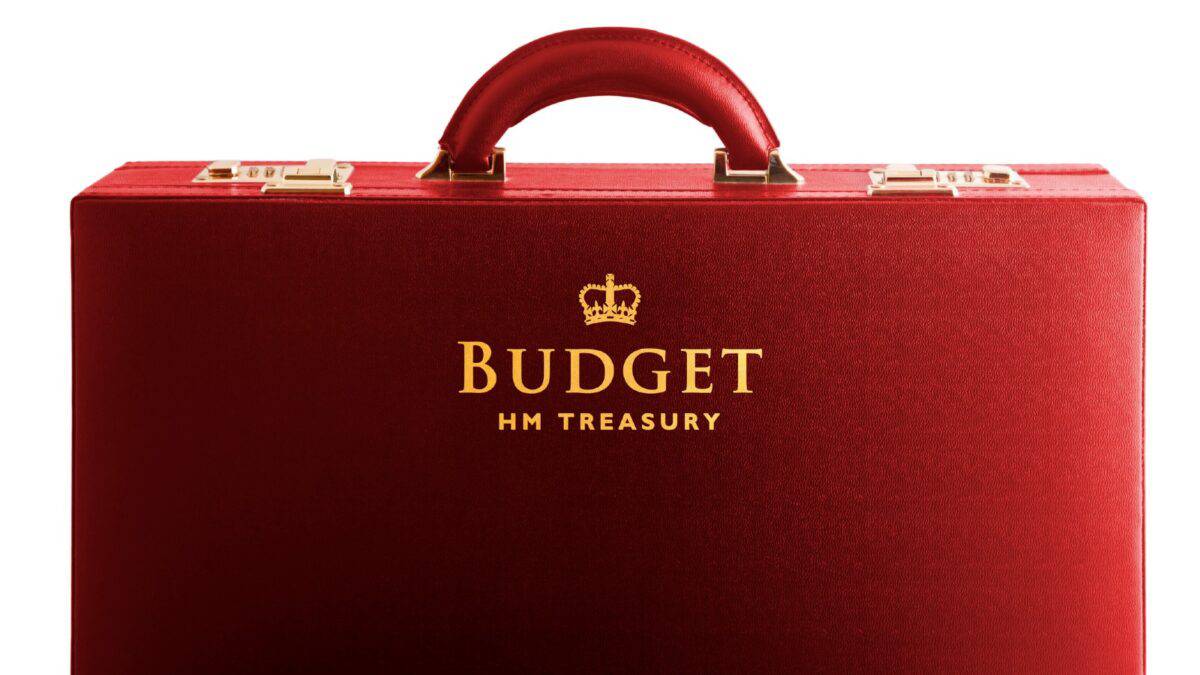
However, this hasn’t gone unnoticed by the cash-strapped government. Earlier this week, bank bosses were called in to Downing Street for a meeting with the chancellor and City minister.
As such, investors are now worried about a windfall tax on banking profits at the Autumn Budget later this month. This threat has soured sentiment for UK bank stocks, as has bond market turbulence.
It might not happen
Now, there’s no guarantee that bank profits will be targeted. According to figures cited by The Times, a typical corporate and investment bank operating in London in 2026 faces a total tax rate of 46.5%, compared with 27.9% in New York.
In other words, they’re arguably taxed enough already. Any further levies could make London less competitive while hampering economic growth efforts.
HSBC isn’t a stale old bank
Of course, another UK tax might lower headroom for share buybacks and special dividends. However, the vast majority of HSBC’s pre-tax profit is generated in Asia (mainly Hong Kong and mainland China). Only 20% of revenue came from the UK last year.
This global diversification is a key reason why I invested, with HSBC well positioned to benefit as Asian economies develop and become more prosperous over the long term.
It’s already a big player in wealth management in Asia. In the first half of 2026, wealth-related revenue grew by 18% on a constant currency basis.
Another thing that I like is that the bank is aggressively leaning into innovation. The government here selected HSBC to provide the technology for its first digital government bond, while it became one of the first banks to be granted a stablecoin issuer licence in Hong Kong.
Last year, it also announced the world’s first-known empirical trial of algorithmic bond trading enabled by quantum computing. HSBC is looking to apply quantum technology elsewhere across its business.
Finally, earlier this week, the Financial Times reported that HSBC is going to deploy AI more deeply across its UK wealth business, resulting in significant job losses. This is never nice to hear, but a pivot to AI-driven automation does show how the bank is using the technology to drive efficiency.
5% yield
After the pullback, the stock is trading at 10 times forward earnings while offering a 5% forecast yield.
I reckon HSBC’s worth considering, and it’s one I won’t be selling, no matter what happens at the Budget this month.
Should you invest £5,000 in HSBC Holdings right now?
When investing expert Mark Rogers and his team have a stock tip, it can pay to listen. After all, the flagship Twelfth Magpie Share Advisor newsletter he has run for nearly a decade has provided thousands of paying members with top stock recommendations from the UK and US markets.
And right now, Mark thinks there are 6 standout stocks that investors should consider buying. Want to see if HSBC Holdings made the list?
Ben McPoland owns shares in HSBC.


