


Artificial intelligence in Hollywood has been a debate with no expiry date. Every few months, a new tool, a new controversy, or a new round of backlash pulls the industry back into the same argument about where technology ends, and artistry begins. The moment a film lands, audiences and online sleuths go frame by frame, running scans and hunting for any trace of AI-generated content. David Fincher’s The Mis-Adventures of Cliff Booth is the latest to find itself in that spotlight.
When the outrage reached David Fincher, though, his response was far from defensive.
David Fincher reacts to AI backlash in The Further Mis-Adventures of Cliff Booth
Given the names associated with the project- Once Upon a Time in Hollywood, Quentin Tarantino, Brad Pitt, and David Fincher- The Further Mis-Adventures of Hollywood was expected to be the zenith of everything Hollywood. However, as audiences viewed the movie, the outrage against the AI usage in the movie was palpable. Despite all the pelting, David Fincher has delivered a very unbothered reply to the outrage.
“Well, it exists. Should we not use it?” Fincher told Los Angeles Times.
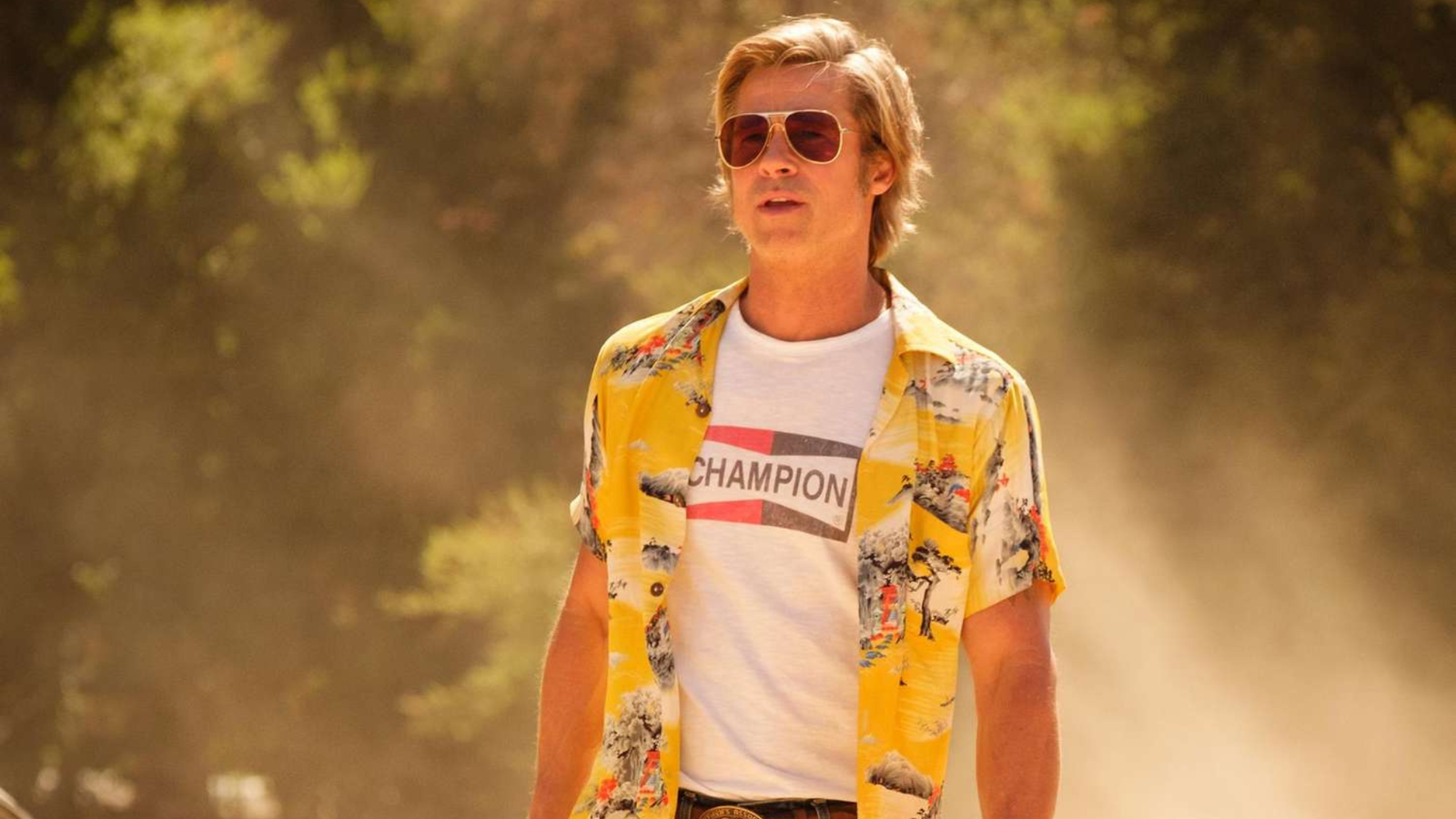
Fincher’s statement to the Los Angeles Times provides a peek into his views on the use of AI in filmmaking. Moreover, the fact that AI-generated content was used in the movie further shows that Fincher’s filmmaking will adapt to more AI tools. This, however, sits at crossroads with Quentin Tarantino’s notoriously traditional process.
Few filmmakers are as devoted to celluloid and old-school craft as Quentin Tarantino, which makes the situation all the more ironic.
Quentin Tarantino’s long standing relationship with old-school craft
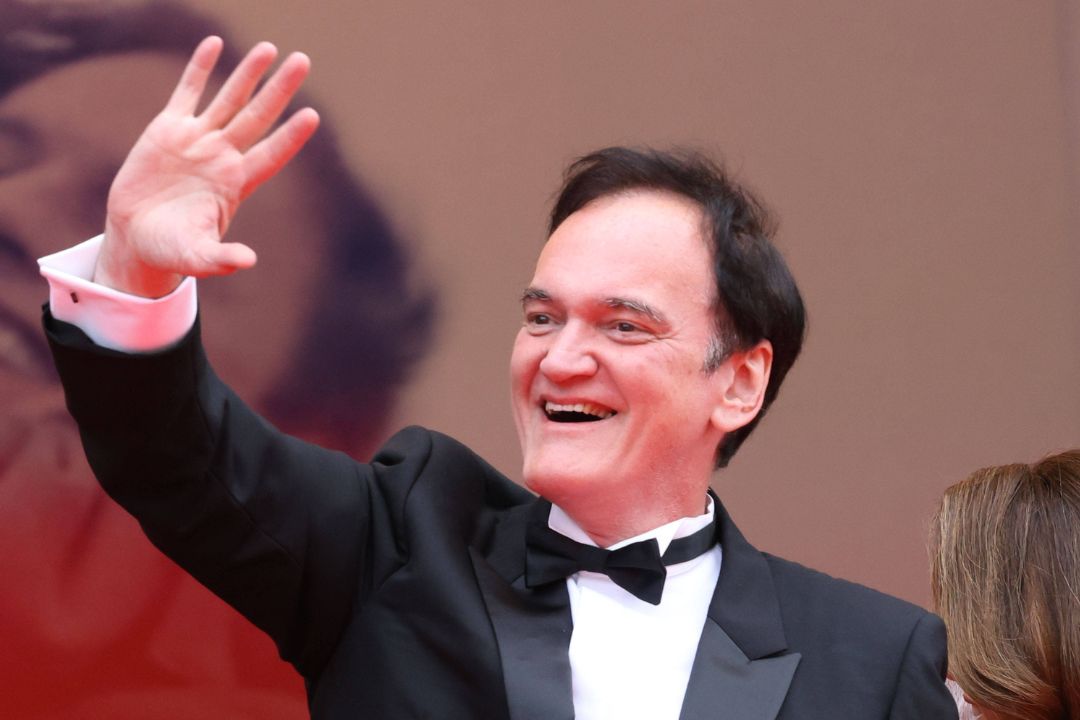
Quentin Tarantino has long been one of the loudest champions of old-school filmmaking. He shoots on celluloid, has built his reputation on practical effects, and has often spoken against the digital shift reshaping the industry.
The Hateful Eight was shot in 70mm, and his sets have long been known for favoring real stunts, real locations, and tangible craft over anything created after the fact. That is exactly why the discussion around AI in The Further Mis-Adventures of Cliff Booth feels so jarring. The character comes from a filmmaker whose identity is tied to doing things the hard, physical way.
One of the most talked-about examples of that devotion to practical filmmaking is the Uma Thurman case. During the making of Kill Bill: Vol. 2, Thurman was injured in a car crash while filming a driving scene, an incident that left her with lasting injuries. The footage later surfaced publicly in 2018, and Tarantino has since acknowledged it as a deep regret.
The episode remains a stark reminder of how far his productions have gone to capture the real thing on camera, for better and for worse. Against that history, the arrival of AI in a Cliff Booth story only sharpens the contrast.
What do you think about David Fincher’s attitude towards AI? Let us know in the comments.


