



The Albanese government will deliver a significant win for existing property investors in Tuesday’s federal budget, confirming that almost one million landlords will keep their negative gearing tax breaks, even as tough new restrictions hit future buyers.
Current investors will be fully protected under generous grandfathering provisions, retaining negative gearing concessions for properties already held.
However, from 2027, only newly built homes that meet strict government criteria will be eligible for negative gearing.
Sweeping changes will be introduced immediately.
From Tuesday, investors purchasing established properties will no longer qualify for tax advantages under negative gearing, unless they already own suitable investment properties.
Anyone who does not already own a negatively geared property will miss out on the tax benefit for established homes going forward.
Treasurer Jim Chalmers conceded the shift marks a departure from Labor’s previous pledges, but insisted the government was always transparent about reviewing housing tax settings.
Labor faces accusations of breaking an election promise, as both Prime Minister Anthony Albanese and Chalmers repeatedly ruled out negative gearing and capital gains tax changes ahead of the 2025 election.

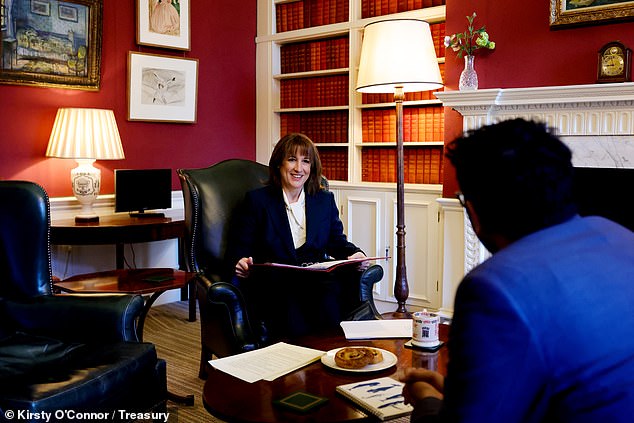
Jim Chalmers (pictured) said that current tax settings were ‘unfair’ and ‘unsustainable’
‘The commitment that I give you and I give the Australian people more broadly, is, if we come to a different view, we will explain why,’ Chalmers told Sky News on Sunday.
‘But people know there is an appetite in this government for ambitious tax reform.
‘Part of that is recognising that the status quo in housing and tax and the intersection of those two things is effectively broken because there aren’t enough homes in our local communities.’
Chalmers described the current system as unfair and unsustainable.
‘The status quo in housing and in tax is unfair and unacceptable, and so any responsible government like ours will respond to that,’ he said.
‘When it comes to comments that we have made in the past, I do acknowledge that during the election campaign, the focus was almost exclusively on supply, plus the 5 per cent deposits. I think our comments and commitments at the time reflected that.
‘Too many people are locked out of housing, and we need to address both of those concerns at once.’
Around two million Australians own investment properties, as many as 1.27 million currently negatively gearing.
The government insists existing landlords will not be affected and has rejected claims the policy will force rents higher.

Home owners who currently negative gear will be exempt from the government’s changes
At the same time, Labor will overhaul capital gains tax, returning to a pre-1999 model where the discount is indexed to inflation rather than a flat 50 per cent.
Investors will face a split system, capital gains earned before the change will remain under current rules, while new gains will be taxed under the revised regime.
The Coalition has criticised the move but hasn’t pledged to scrap it, with Liberal deputy leader Jane Hume branding it ‘a tax grab by a cash-strapped Labor government.’
‘And we know that when Labor runs out of money, they come after yours.’
The Opposition is yet to confirm its final stance, with Hume saying, ‘I want to see exactly what it is that Labor are proposing, because they’ve flown so many kites.’
Shadow Treasurer Tim Wilson accused Labor of falling into ‘disarray’ over its tax agenda, warning the reforms favour wealthy Baby Boomers and will block young Australians from entering the property market.
‘Boomers will be protected, but young Australians won’t be able to get their first foot on the ladder of opportunity,’ he said.
‘We need to be having a tax system orientated towards encouraging wealth creation, jobs and growth for the next generation of Australians.’

Tim Wilson (pictured) said the changes would favour older Australians with investments
‘Labor’s plan is to feed resentment and redistribution.’
Alongside the tax reforms, the government will commit $2 billion over four years from 2026-27 for local infrastructure, such as roads, sewerage, water and electricity, to unlock new housing developments.
The move is similar to Coalition policy proposed during the 2025 election, which was a larger $5billion infrastructure fund.
It estimates the funding could support up to 65,000 new homes over a decade, though not through direct construction.