


The United States government is looking into launching commercial rockets from sea-based launch sites, but some ocean advocacy experts say the move is part of a larger trend of allowing the spaceflight industry to use the ocean as a dumping ground.
The U.S. Bureau of Ocean Energy Management (BOEM) on Tuesday (July 7) announced a Request for Information (RFI) to look into launching rockets and recovering spacecraft from the Outer Continental Shelf (OCS), a region of the United States that extends 200 nautical miles (370 kilometers) out from America’s coastlines. “Offshore launch, reentry, and recovery infrastructure could expand operational flexibility, increase capacity, reduce constraints on growing launch demand, and strengthen the nation’s commercial and national security space capabilities,” acting BOEM Director Matt Giacona said in a bureau statement announcing the RFI.
But while BOEM lauds the development of facilities on the continental shelf as a way to bolster America’s space economy and support its ambitious space exploration goals, at least one ocean conservancy group says the plan could have disastrous effects on the ocean.
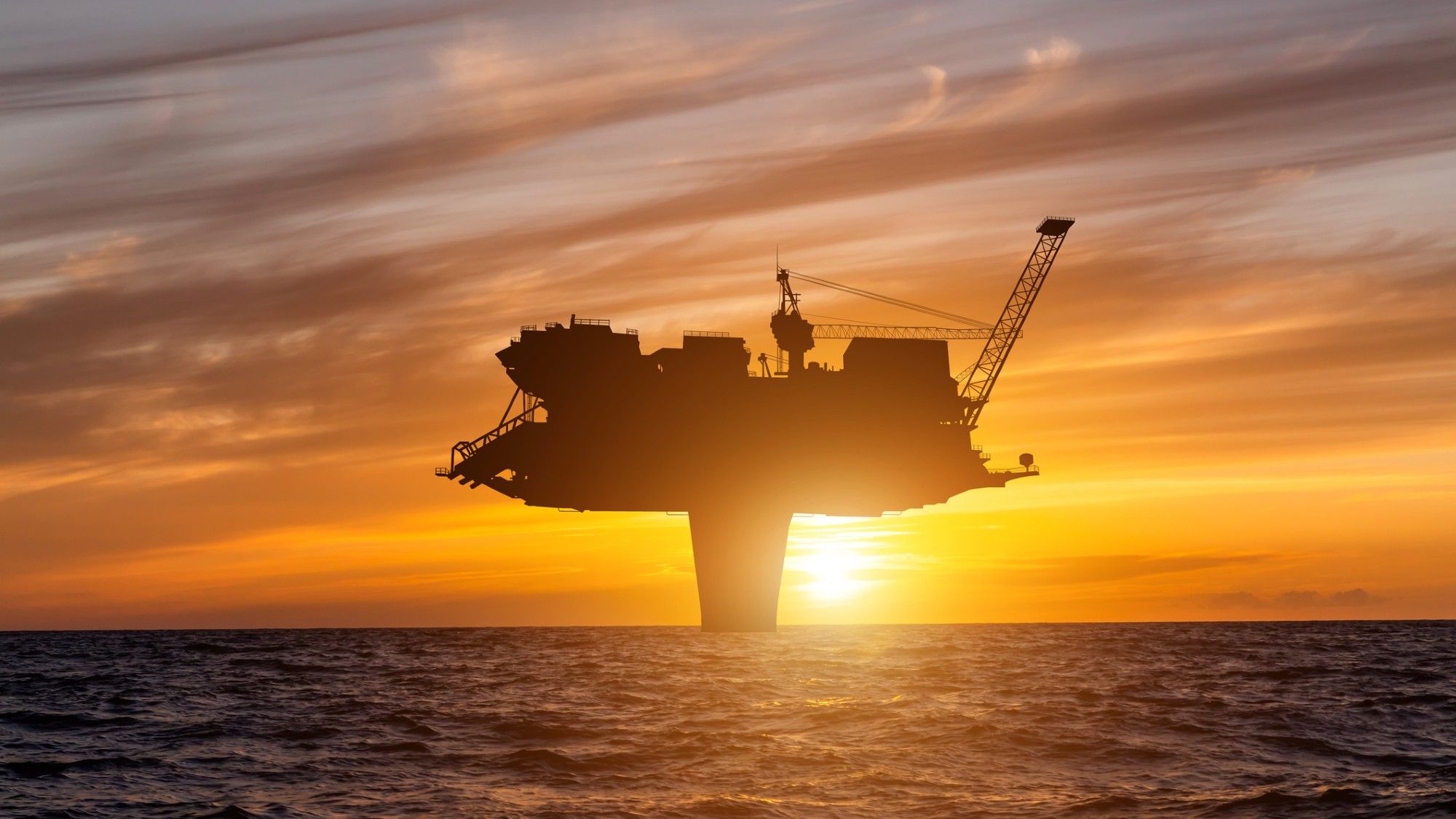
According to the RFI, BOEM is looking for ideas from private industry on how to use existing offshore infrastructure such as oil and gas drilling platforms, as well as how to establish “new, purpose-built offshore facilities dedicated to commercial space launches, space re-entry, and related activities” on the Outer Continental Shelf. BOEM has jurisdiction over some 3.2 billion acres (1.3 billion hectares) of the shelf.
The announcement builds on a White House Executive Order signed in December 2025 titled “Ensuring American Space Superiority” that aims to boost investment in the American space industry and “unleash commercial development and lay the foundation for a new space age.”
The order does not list offshore launches specifically, but it does aim to increase the frequency of launches and reentries through “new and upgraded facilities” and policy reforms.

But some critics are already speaking out against the idea. “Space junk and rocket explosions have already been trashing our coastal wildlife refuges, and now Trump wants to expand that destruction farther into our oceans,” said Miyoko Sakashita, oceans program director at the Center for Biological Diversity, a nonprofit based in Tucson, Arizona.
Sakashita added that the initiative is “likely another Trump excuse for allowing the oil industry to leave its rusty old junk in the ocean” and avoid imposing regulations on the energy sector.
“The whales, sea turtles and other marine wildlife off our coasts deserve better than to suffer for Big Oil and the pet projects of trillionaires and billionaires,” she said. “It’s the administration’s job to protect our public waters, not turn them into playgrounds for pipe dreams and profit.”
BOEM’s RFI will be open for 30 days, closing on Aug. 7, 2026.