



Transcript:
Vast, squishy bogs in northern Canada and western Siberia and muddy, humid swamps in the Congo Basin will help shape the future of the world’s climate.
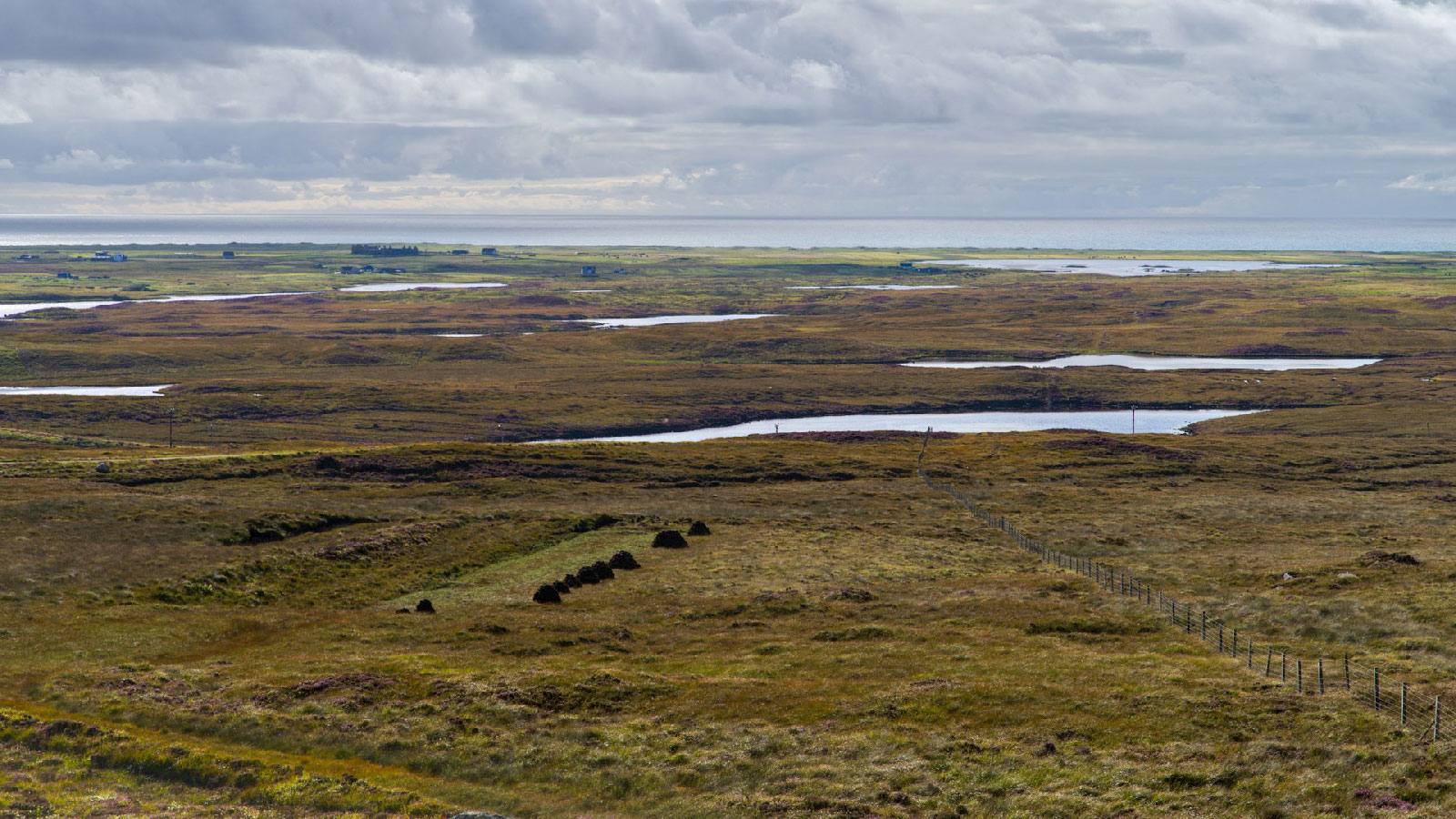
These waterlogged landscapes are types of peatlands, which form as plants break down slowly in watery, low-oxygen conditions. Over hundreds and thousands of years, this dead plant material builds up into thick layers of peat.
This process keeps much of the carbon in those plants stored underground. So the carbon is not released to the atmosphere, where it would contribute to global warming.
And despite covering just 3% of the world’s land surface, peatlands store more carbon than all the world’s forests combined.
But in recent decades, many peatlands have been drained for agriculture or other development, and some have burned in wildfires.
When peatlands are damaged or destroyed, much of their stored carbon escapes into the atmosphere. Scientists estimate that degraded and destroyed peatlands produce about 4% of all climate-warming emissions.
So efforts to conserve and restore peatlands around the world are critical to helping reverse that trend.
Reporting credit: Ethan Freedman / ChavoBart Digital Media