
The 1970s were an evolutionary step for global science fiction films, with some of the most pivotal and game-changing releases helping to expand the genre by addressing environmental issues, political unrest, technology anxiety, societal decay, and existential questions of life and death.
“Star Wars” and “Close Encounters of the Third Kind” will, of course, be remembered as the eventual heavy hitters of the ‘70s, but there were a multitude of other bold standouts that might have been left in the dust, yet deserve our rapt attention.
British director Nicolas Roeg’s “The Man Who Fell To Earth” is one such pioneering gem, and we’re celebrating the film’s 50th anniversary today to remind cinephiles of its dreamy atmosphere and poignant portrait of a benevolent extraterrestrial visitor ruined by human vices. It was a role so beautifully captured by rock legend David Bowie in his very first film appearance… and it was a banger!

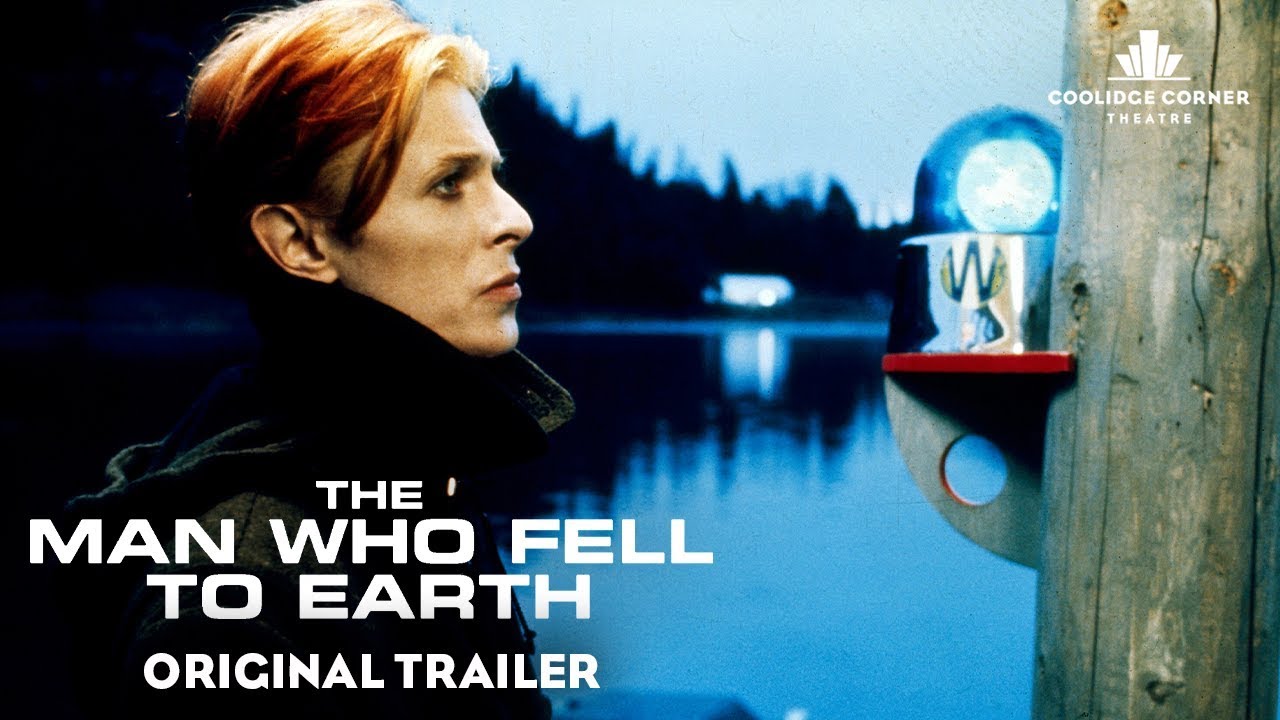
Watch On
The plot chronicles the sudden arrival in New Mexico of an elegant alien being masquerading as a human named Thomas Jerome Newton, who lands on planet Earth in an attempt to rescue his own distant drought-ruined homeworld.
Originally released in the U.S. on May 28, 1976, and adapted from Walter Tevis’s bestselling sci-fi novel, “The Man Who Fell To Earth” is a curious cinematic experience that lulls you into its artsy surrealism to empathize with this strange family man on a mission of mercy. By employing his knowledge of advanced technology to achieve his goal of crafting a spaceship to transport life-giving water back to his planet, Newton creates enormous wealth for his insane aqua-project.
However, as these mega-projects often go, internal and external forces around him — represented by excessive drinking, exploitative influences, soulless corporate interests, and governmental distrust — cause his watery dream to slowly die. It’s incredible to realize how timely this movie has become with today’s billionaire titans paving the way to the stars and humanity fixated upon UAPs in the sky.
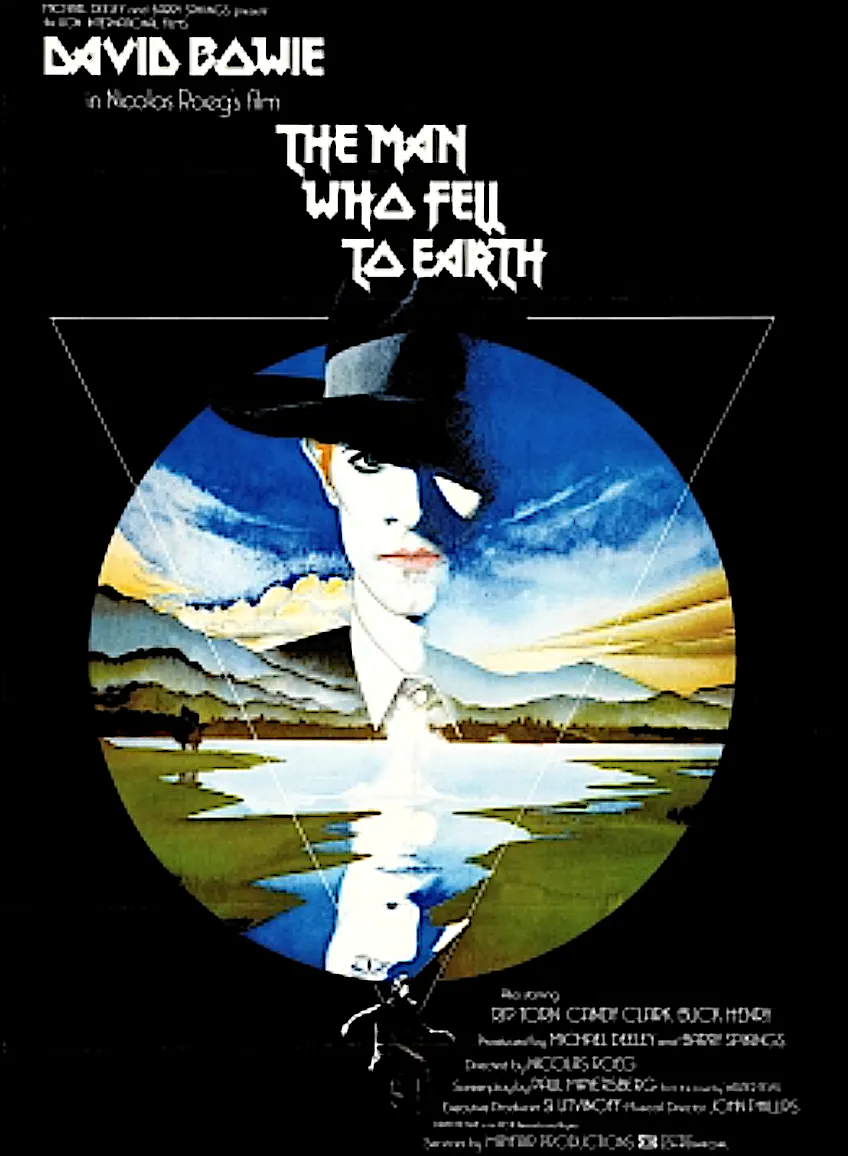
Amid more serious, pre-“Star Wars” sci-fi movies of the period like “The Andromeda Strain,” “Solaris,” and “Westworld,” Roeg’s melancholy interpretation of Tevis’s book feels like a movie far ahead of its time.
But “The Man Who Fell To Earth” is certainly still a product of its own years as well, with the counter-culture movement spilling out of the ’60s, the Apollo era wrapping up, and the Cold War raging up toward potential nuclear armageddon just as the environmental crisis was gaining awareness across the world.
Roeg has gone on record in interviews to reveal that he cast Bowie for the role of Thomas Jerome Newton due to his mercurial, alien-like appearance — something rock fans were familiar with in Bowie’s transformative, genderless Ziggy Stardust days.
Bowie was also a heavy indulger of booze and recreational drugs during that decade, which mirrored the character’s descent into the destructive nature of fame and fortune and humankind’s lesser angels. With its themes of isolation and alienation, ideas often addressed in Bowie’s music in cosmic songs like “Space Oddity” and “Life on Mars?,” the project seemed tailor-made for our superstar.
Co-starring Candy Clark, Rip Torn, and Buck Henry, the occasionally confusing movie also has its share of controversy. U.S. distributor Cinema 5 notoriously meddled with the director’s original final cut of the film and sliced off some of the more graphic sexual scenes and character-building sequences that neutered the original intent of the filmmaker’s vision. A re-stitched version seen in the U.S. was even more disjointed than Roeg’s, but the actual restored uncut version does survive today.
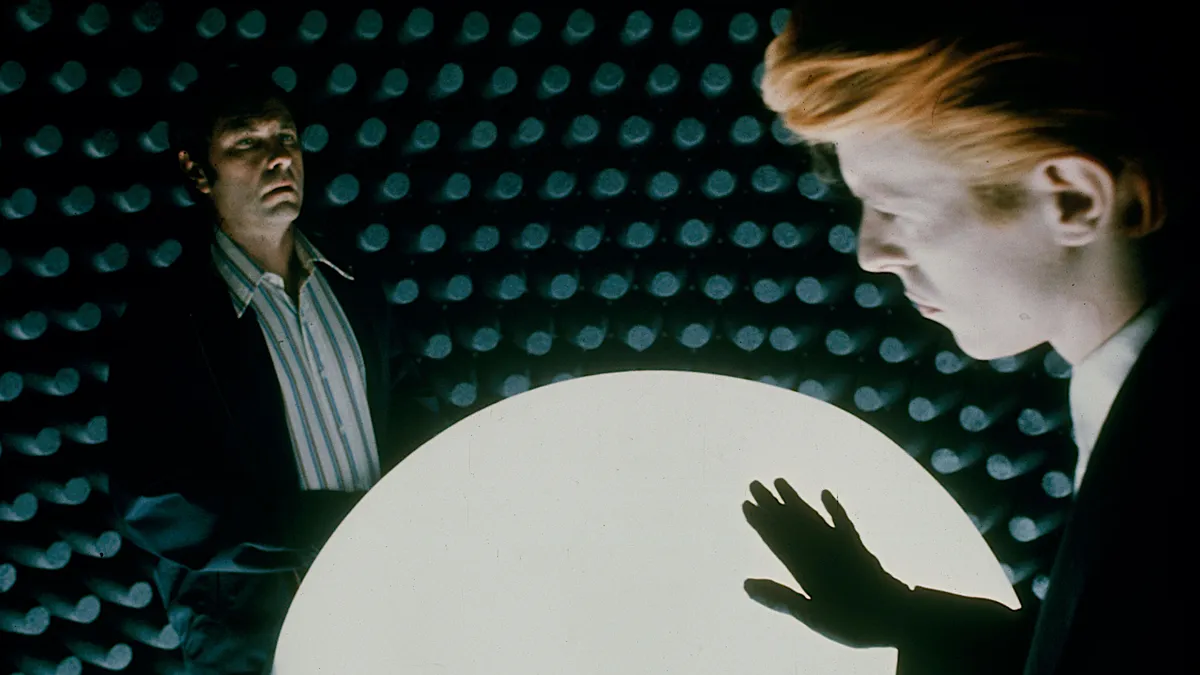
Bowie’s Thomas Jerome Newton is absolutely magnetic, and this must be one of the greatest performances of his cinematic career (but I do see you in “The Hunger” and “Merry Christmas, Mr. Lawrence!”).
His fragile starman is a strange, complex being navigating his way through Earth’s obstacles, including love, lust, addiction, greed, and ambition in his plight to save his planet and survive the chaos caused by his arrival. It’s probably Bowie’s most personal film, as his own real-life stardom at the time was eerily reflected in his thin, pale person from another solar system.
On the occasion of “The Man Who Fell To Earth’s” 50th anniversary, now is the ideal time to indulge in Nicolas Roeg’s non-linear, enigmatic sci-fi masterpiece about a sad, stranded alien hauntingly played to total perfection by the great David Bowie.