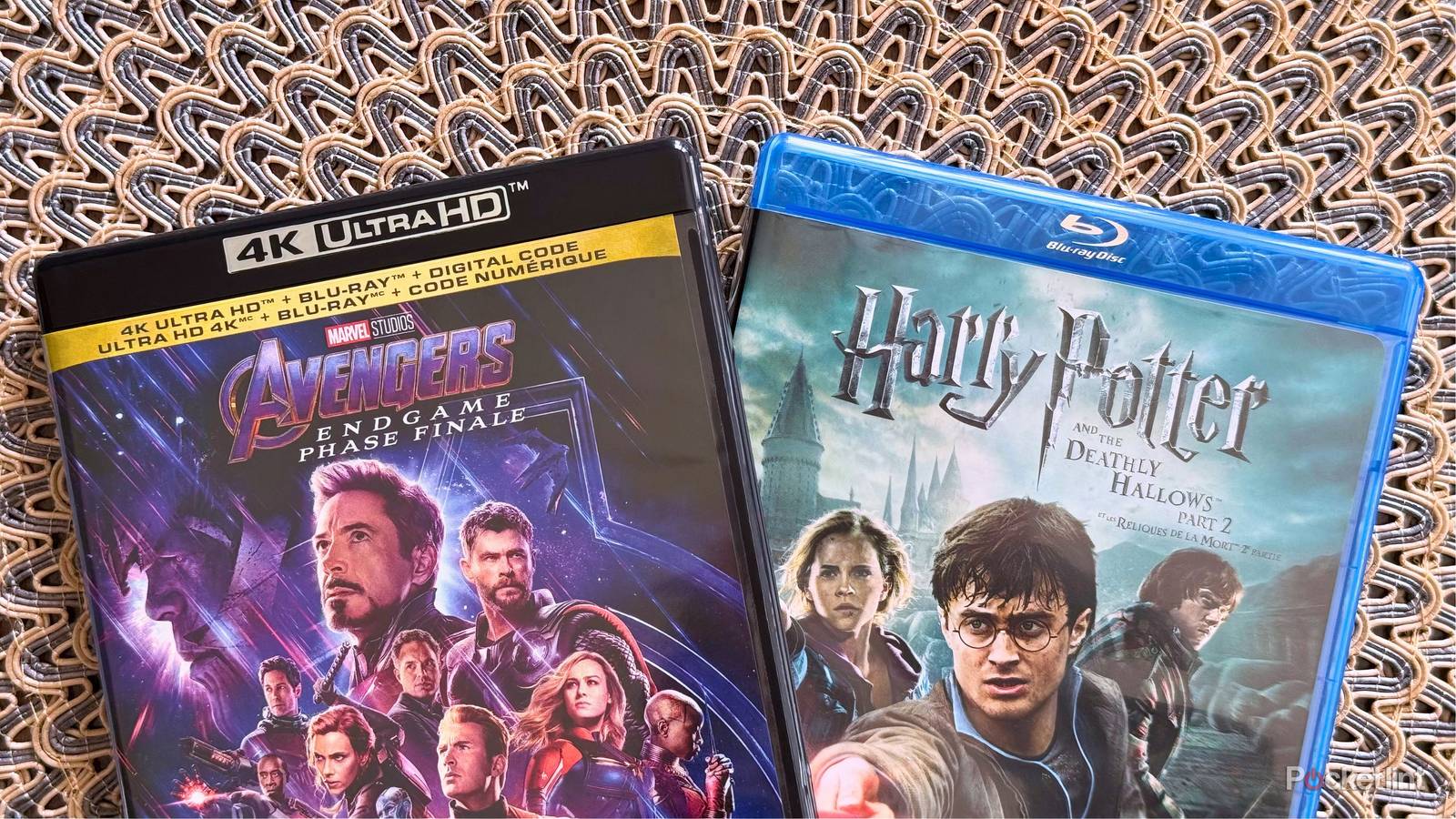
I love physical media, and I have a large collection of both Blu-ray and 4K Blu-ray discs. Both of these are fantastic formats, but I’d give the edge to 4K. Not only is there a resolution boost, but you also get access to HDR that helps colors pop off the screen. Those are two big advantages that 4K has over Blu-ray, but I wouldn’t even say it’s the biggest upgrade.
It’s obviously subjective, but what I’ve found myself enjoying the most from 4K discs is Dolby Atmos. Yes, Blu-ray discs can have Atmos mixes as well, but since the Blu-ray format came before Atmos was a thing, many of my older discs are stuck with regular 5.1 surround sound mixes. You also run into companies like Disney typically keeping the Atmos mix locked behind the 4K Blu-ray paywall.
I went through the trouble of building out a Dolby Atmos surround sound setup in my living room, so I enjoy it when I pop something into my 4K Blu-ray player that has an Atmos mix. I would argue this sound format is more transformative than making the leap from 1080p to 4K.
Atmos is well worth the price of admission
Listen to the upgrade

We’ve seen numerous audio formats over the years, and Dolby Atmos is just the latest one to hit the scene. Fortunately, it’s also a situation where the newest thing is the best thing, which isn’t always the case. Atmos takes advantage of directional sound, so if you have height speakers in your setup, which is required for true Dolby Atmos, then you’ll hear overhead audio from your movies and TV shows. Now, it won’t automatically force audio to come out of those speakers if there’s no reason for it to. However, there are some movies like Spider-Man: Homecoming and Top Gun Maverick that feel like they are tailored for Atmos.
Even if you’re not getting overhead sound effects like that all the time, Atmos is still worth splurging for. The sign of a good mix doesn’t always mean loud noises. It’s that ambience like birds chirping in the woods or hearing knocks on the door from your left surround speaker. Moments like that really get me into a movie, and that’s part of what makes Atmos so good. To be fair, surround sound can do this as well, but I think Atmos squeaks out a victory.
Audio is just as important, or if not more, than picture quality. So many people value getting a new TV just to use the built-in speakers. I used to be like that too, but I found out that excellent audio elevates everything. This doesn’t only apply to discs either. If you watch something on Netflix, YouTube TV, etc., it’ll all sound better if you have an Atmos setup at home. While I don’t typically recommend getting an Atmos soundbar, it’s still better than using your TV speakers. If you get a decent one that’s able to bounce the audio off the ceiling, it works very well.
Picture quality is important too
4K is still 4K

I don’t want to sound like I’m only focusing on the audio quality, because the picture quality is still a big reason why you should buy a 4K disc. If you’re coming from streaming 4K to disc 4K, it’s an illuminating experience. The big difference is the fact that the blacks on your screen are actually black instead of a cloudy color. It really stands out in darker movies and shows like Game of Thrones, and you’ll be left wondering why you were ever a fan of streaming in the first place.
Streaming services have a lot of compression, and that applies to both the picture and the audio. For a lot of people, that doesn’t matter, but it definitely detracts from the experience. If you have a nice TV and sound system, it’s a clear step down from a disc that it’ll start feeling like you’re getting nowhere near the value out of your setup that you could otherwise.
There’s really no comparing a disc to streaming, and you could even take that and extrapolate it to other discs. A 4K Blu-ray blows away a DVD in both picture and audio quality. The gap closes quite a bit once you compare 4K to Blu-ray, however. The biggest difference is resolution and HDR. If your player or TV upscales 1080p well, it might not be as wide as it could be. It’s for this reason that I’m not really sure if it’s worth ditching your Blu-rays and upgrading to 4K. I’ve done it with some of my most-watched movies, but I don’t think I’ll do it with my entire collection. Not only is that very expensive, but I don’t think the quality jump is big enough to justify doing that. Yes, it means a lot of my stuff doesn’t have Dolby Atmos, but it’s something I’ll live with.