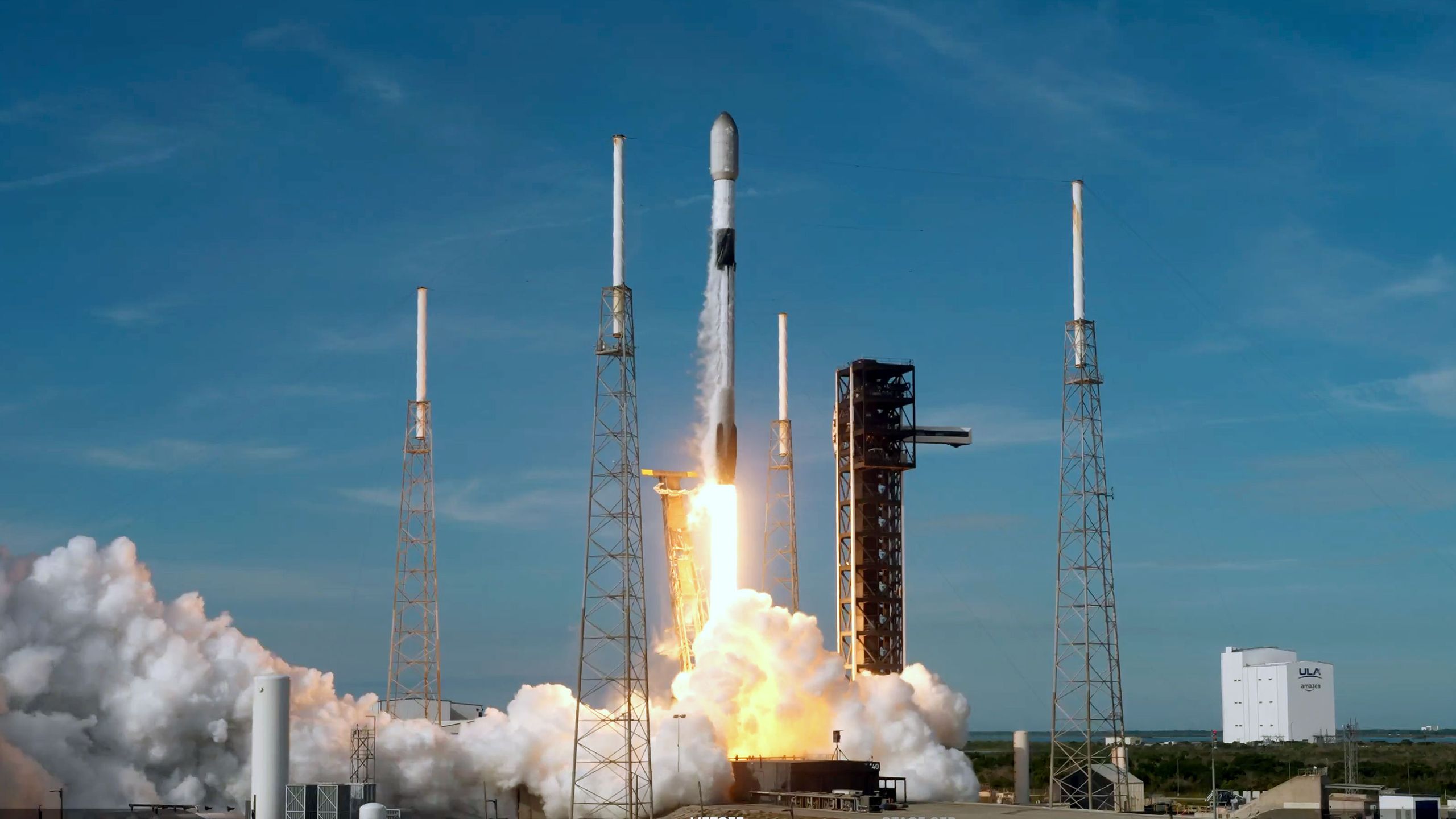
SpaceX has 29 new Starlink satellites in low Earth orbit today (May 29), after their launch from Florida.
A Falcon 9 rocket carrying the broadband internet relay spacecraft lifted off at 8:57 a.m. EDT (1257 GMT) from Space Launch Complex 40 at Cape Canaveral Space Force Station. SpaceX confirmed a successful deploy of the 29 Starlink satellites (Group 10-53) about an hour after they left the ground.
The liftoff came about 12 hours after an explosion rocked a different pad at Cape Canaveral: On Thursday night (May 28), Blue Origin’s New Glenn rocket detonated during a static fire test at Launch Complex 36, creating a massive fireball that was visible more than 100 miles (160 kilometers) away.

Other Missions for Booster B1085
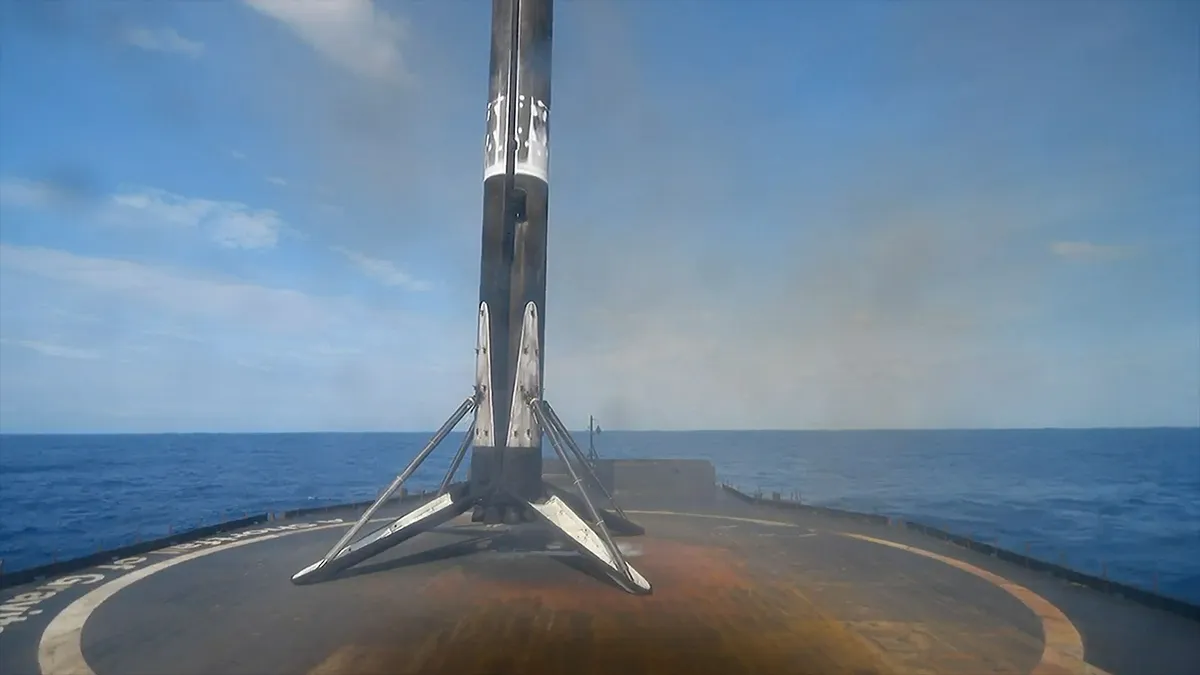
The Falcon 9 first stage (Booster 1085) completed its 16th reuse by landing again on the Atlantic Ocean-based autonomous droneship “A Shortfall of Gravitas.” It will be returned to the shore and SpaceX’s facilities to be serviced and prepared for another launch.
The launch raised the total count of active Starlink satellites to over 10,400, according to satellite tracker Jonathan McDowell. The network provides access to the internet to those in areas where other means of connection is scarce, as well as supports in-flight WiFi and direct to cell service on some carriers.
Friday’s launch was the 61st of 2026 for the Falcon 9 and the 644th overall for the workhorse rocket, which debuted in 2010.
Editor’s note: This story was updated at 11:30 a.m. ET on May 29 to include a mention of the New Glenn rocket explosion.