Every now and again, a new maker appears on the scene with an ethos that feels different enough to pay attention to. Peter Qu is one of those makers.
If you read the blog, you may have already seen my introduction to the brand via an interview with the owner. Peter Qu is a Chinese shoemaker specializing in cordovan footwear, and that alone makes the brand stand out. It is not often that you see a shoemaker place such a specific focus on one type of leather, especially when that leather is cordovan. It is a leather can be expensive and not loved by anyone. It takes great confidence to only offer your shoes in that specific leather.
Cordovan has always had a particular pull in the shoe world, like a cult-classic film. It is rich, vivid, dense, and visually different from calfskin. Whether you are a full-blown cordovan enthusiast or simply someone who appreciates interesting leather, it is hard not to notice when a brand builds its identity around it.
And that is exactly what makes Peter Qu interesting.
👉Watch the full unboxing video here:
A Cordovan-Focused Shoemaker
Peter Qu appears to be focused almost entirely on cordovan footwear. They do not seem to be offering the usual spread of calfskin, suede, and exotic leather options that most shoemakers rely on. Instead, the brand is carving out a more specific lane. That is a bold move.
Cordovan is not a small commitment. It is more expensive, more niche, and appeals to a very particular customer. But when done well, it also creates immediate identity. You know what the brand is about. There is no second guessing.
Peter Qu is not trying to be everything to everyone. They are leaning into cordovan, and that gives the brand a clear point of view and a simple course of action.
The Packaging and Presentation
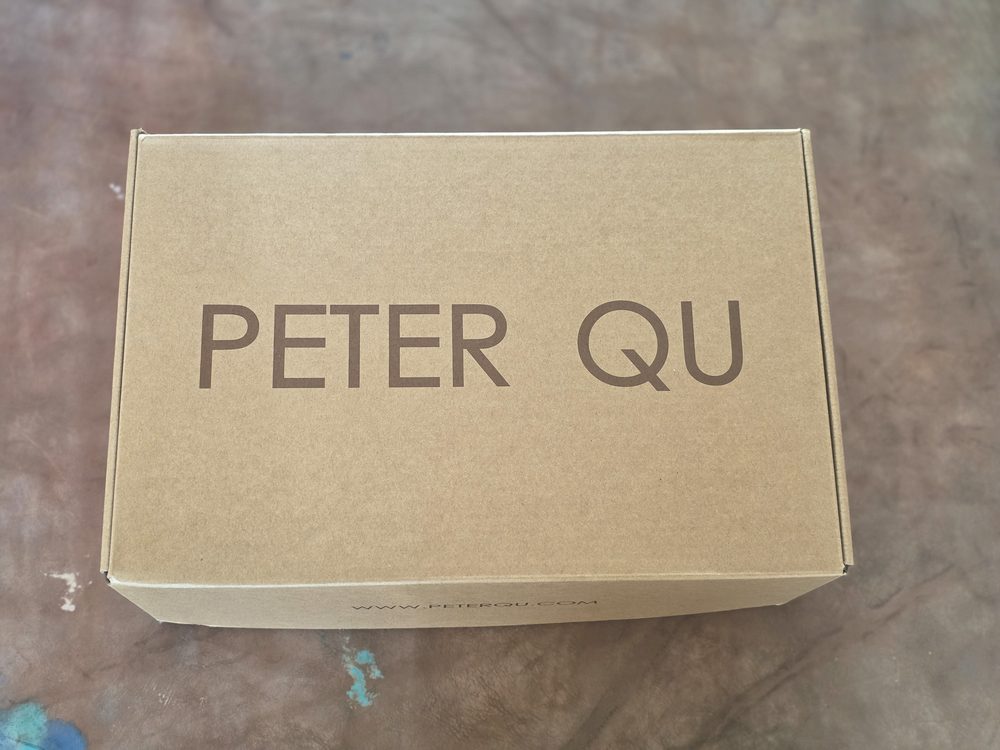
The unboxing experience starts with a sturdy, clean, well-presented box. The box itself mentions recycled material, including the idea that it is made from more than six recycled plastic water bottles, which is an interesting detail and not something I recall seeing often on a shoe box.
The branding is simple and clear: Peter Qu, unique handmade, with the phrase “traditional shoemaking is art.” The box feels sturdy, practical, and well considered.
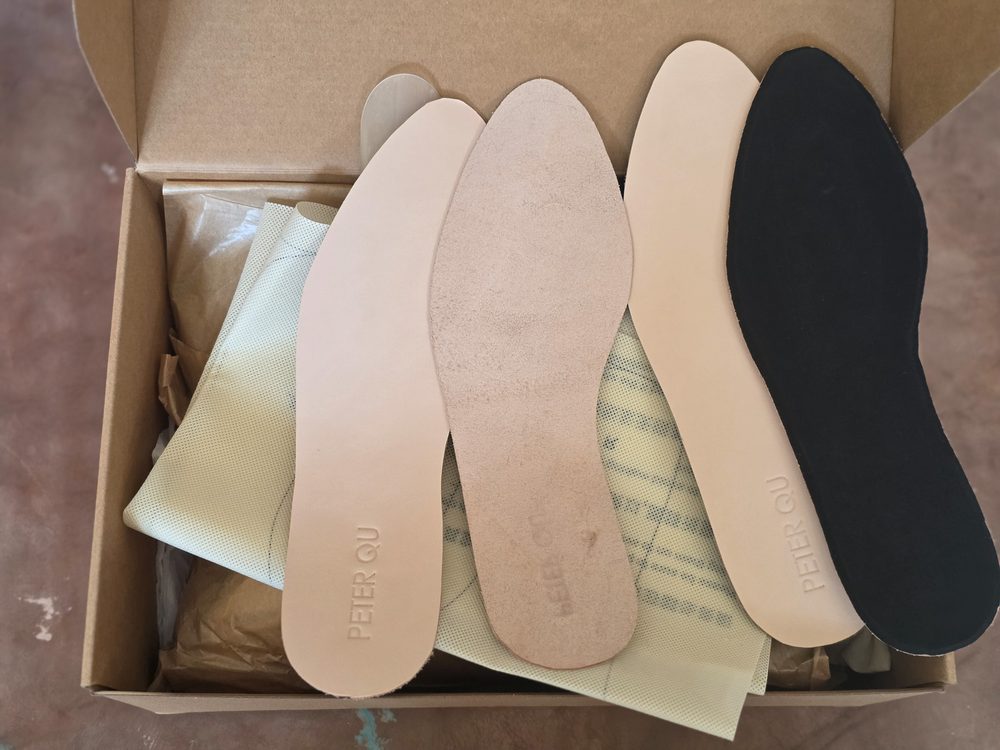
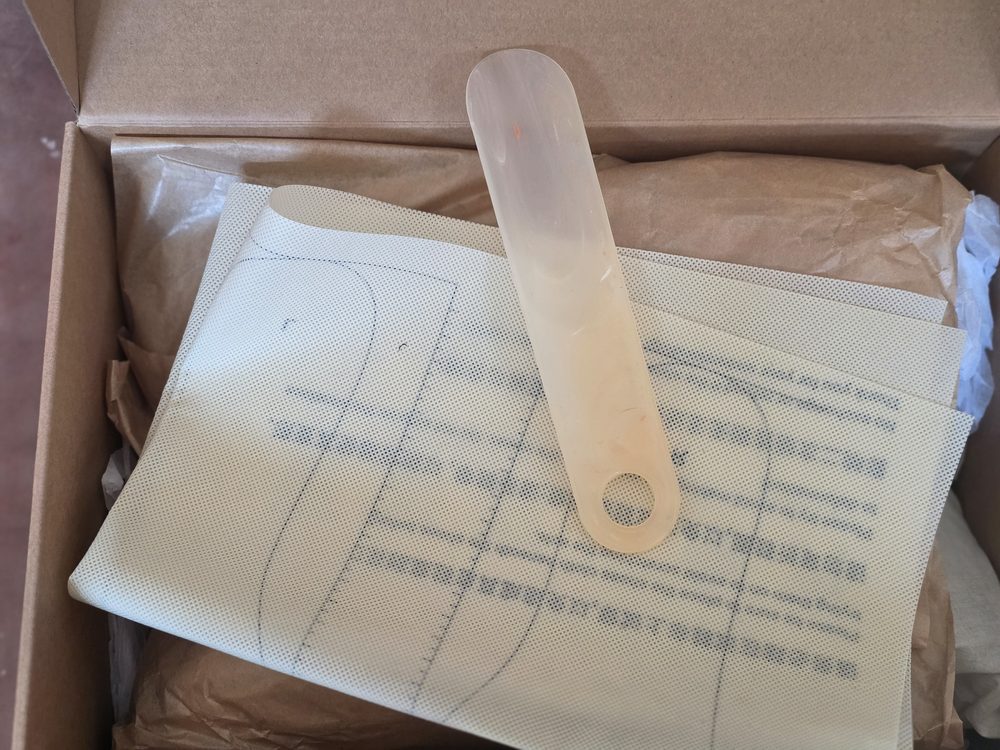
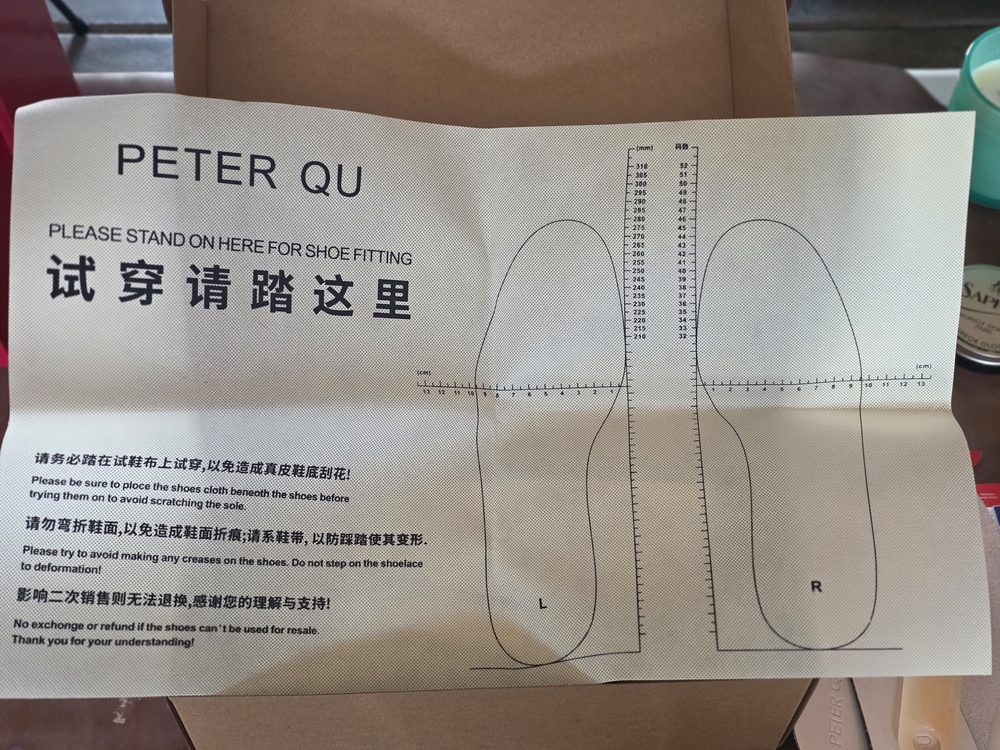
Inside, there are a number of extras. There is a simple plastic shoehorn, extra insoles of different thicknesses, and even a cloth intended to be placed beneath the shoes when trying them on. That last detail is smarter than it may sound.
When people buy shoes online, many will try them on at home without thinking about what the soles are touching. A hardwood floor with dust, grit, or small debris can mark a sole very quickly. Once that happens, the shoe may no longer be returnable or resellable as new.
Peter Qu clearly understands this and includes a cloth to help protect the shoes during the try-on process. It is a small detail, but a thoughtful one.
Well-Packed Shoes
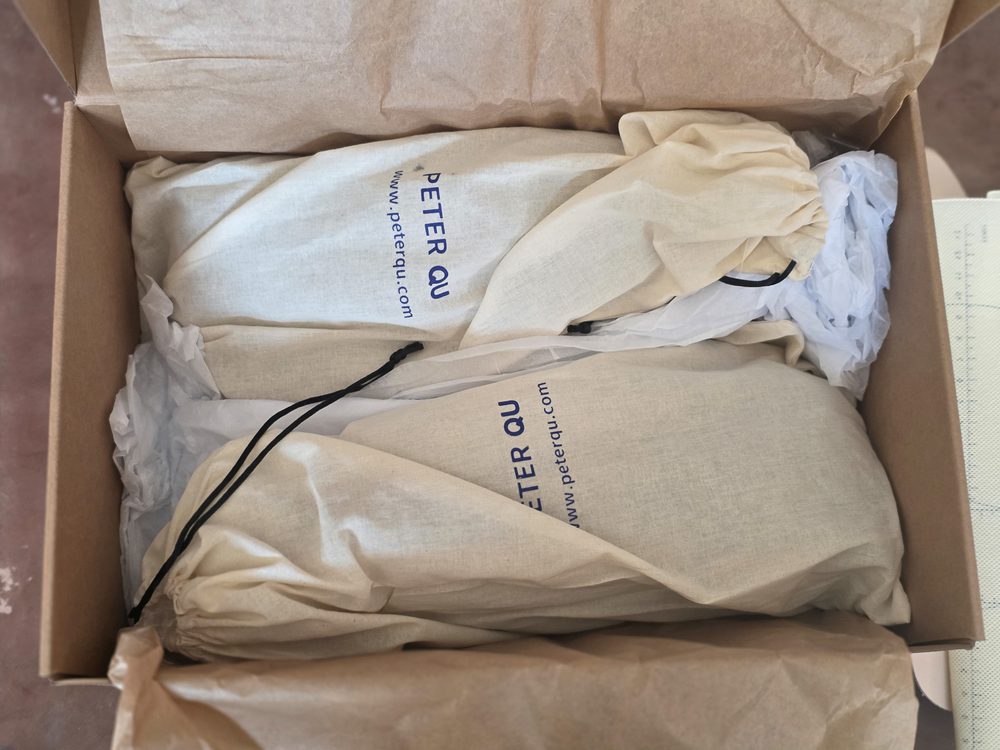
The shoes themselves were very well packed. The shoe bags are a thin linen-style material with simple Peter Qu branding, and the shoes were also wrapped in plastic for extra protection.
That extra protection matters, especially when the shoes come with shoe trees. Lasted or substantial shoe trees can sometimes cause dents or pressure marks if the shoes are not packed properly. In this case, the shoes arrived cleanly, without any noticeable dings, marks, or damage.
The overall presentation gives the impression that Peter Qu has thought through the customer experience, not just the shoe itself.
The Cordovan Butterfly Loafer
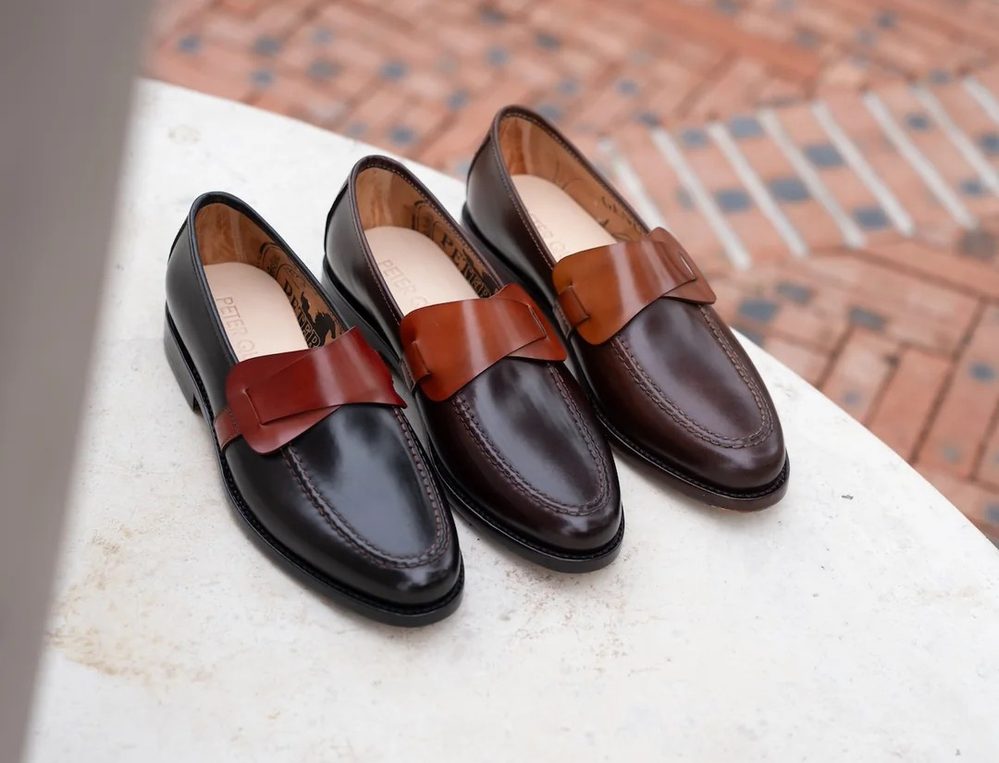
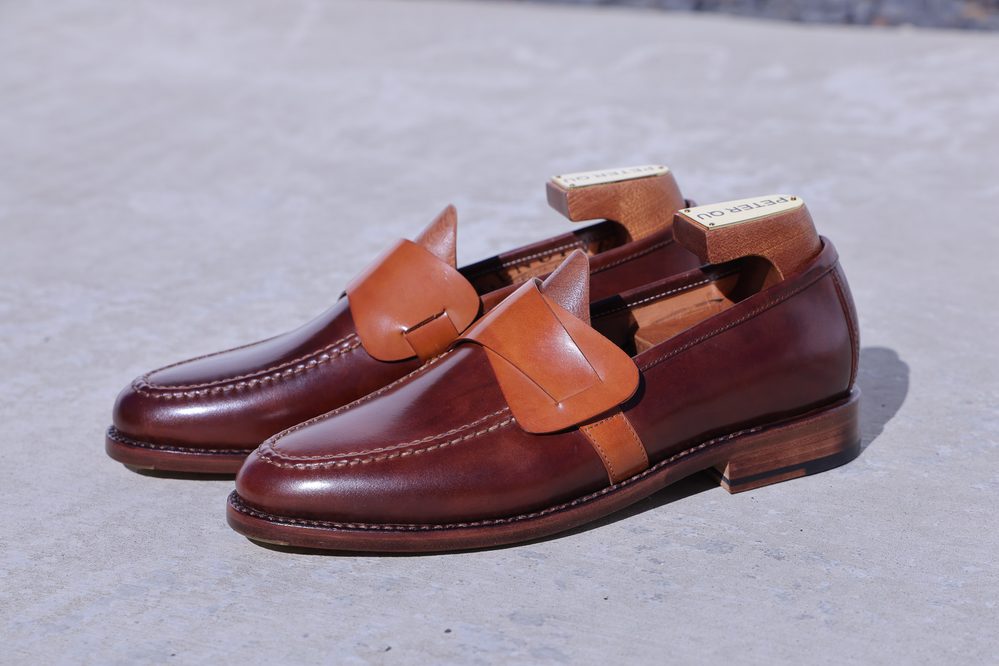
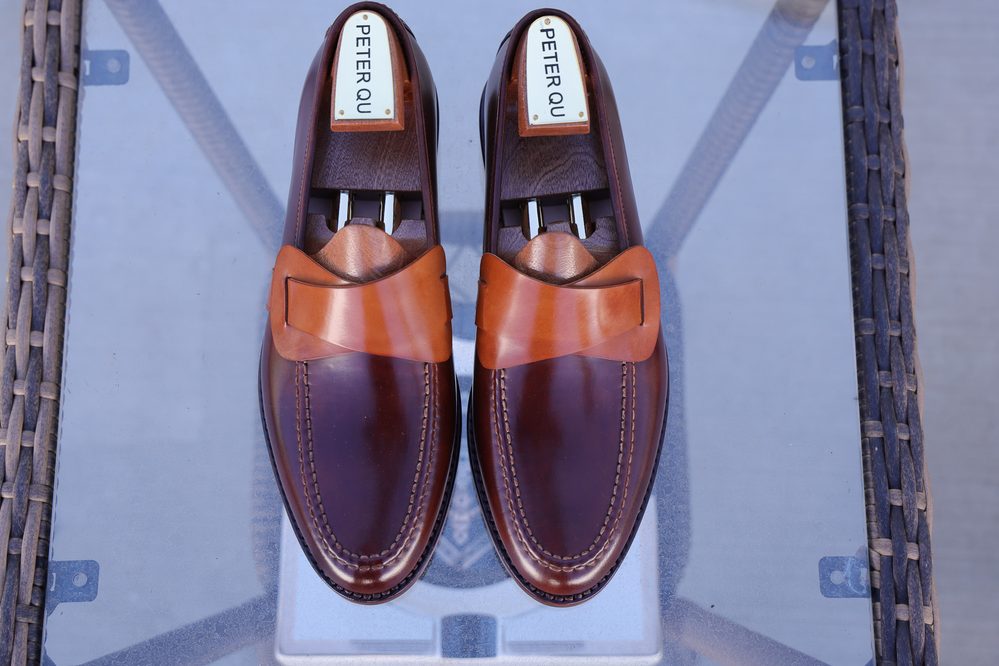
The model I received (chose, really) is a butterfly loafer, which naturally caught my attention.
As many of you know, I love butterfly loafers. These days, they make up a large portion of what I actually wear. As I get older, I find myself gravitating more and more toward the same types of shoes, and butterfly loafers have become one of those styles I reach for constantly when the weather allows.
So when Peter Qu had a butterfly loafer available, that was naturally the model I wanted to see.
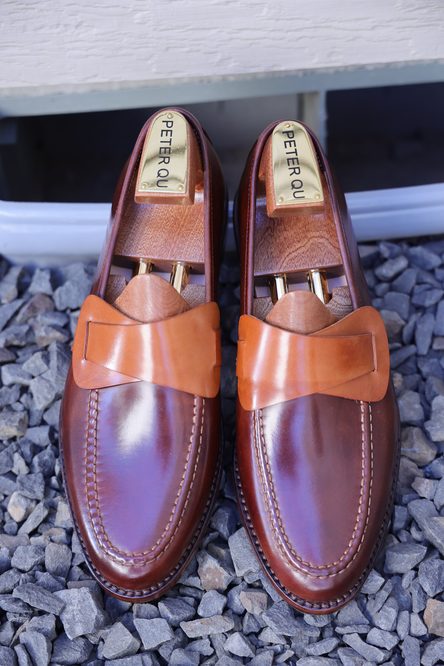
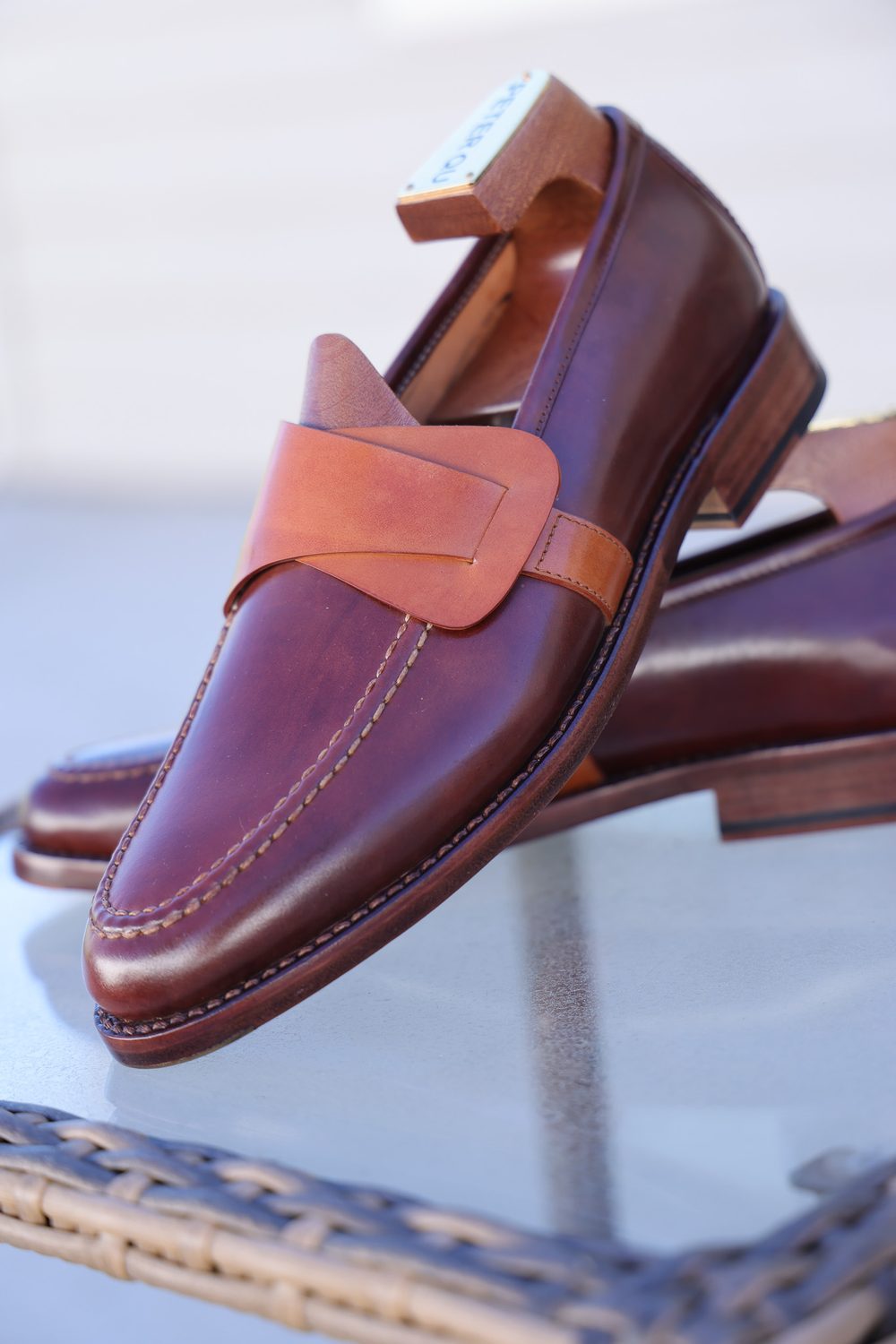
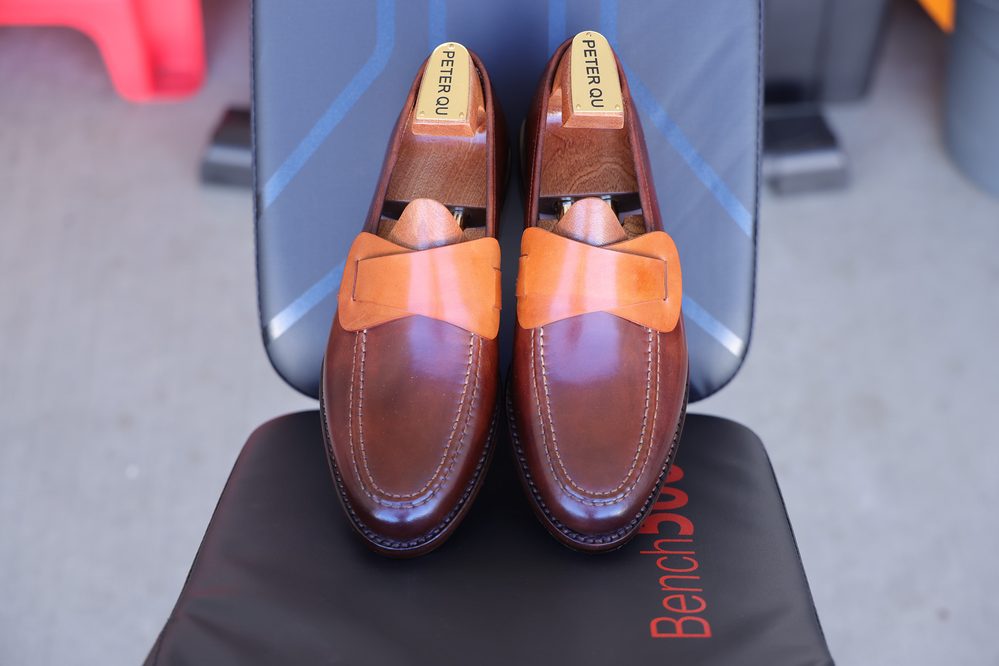
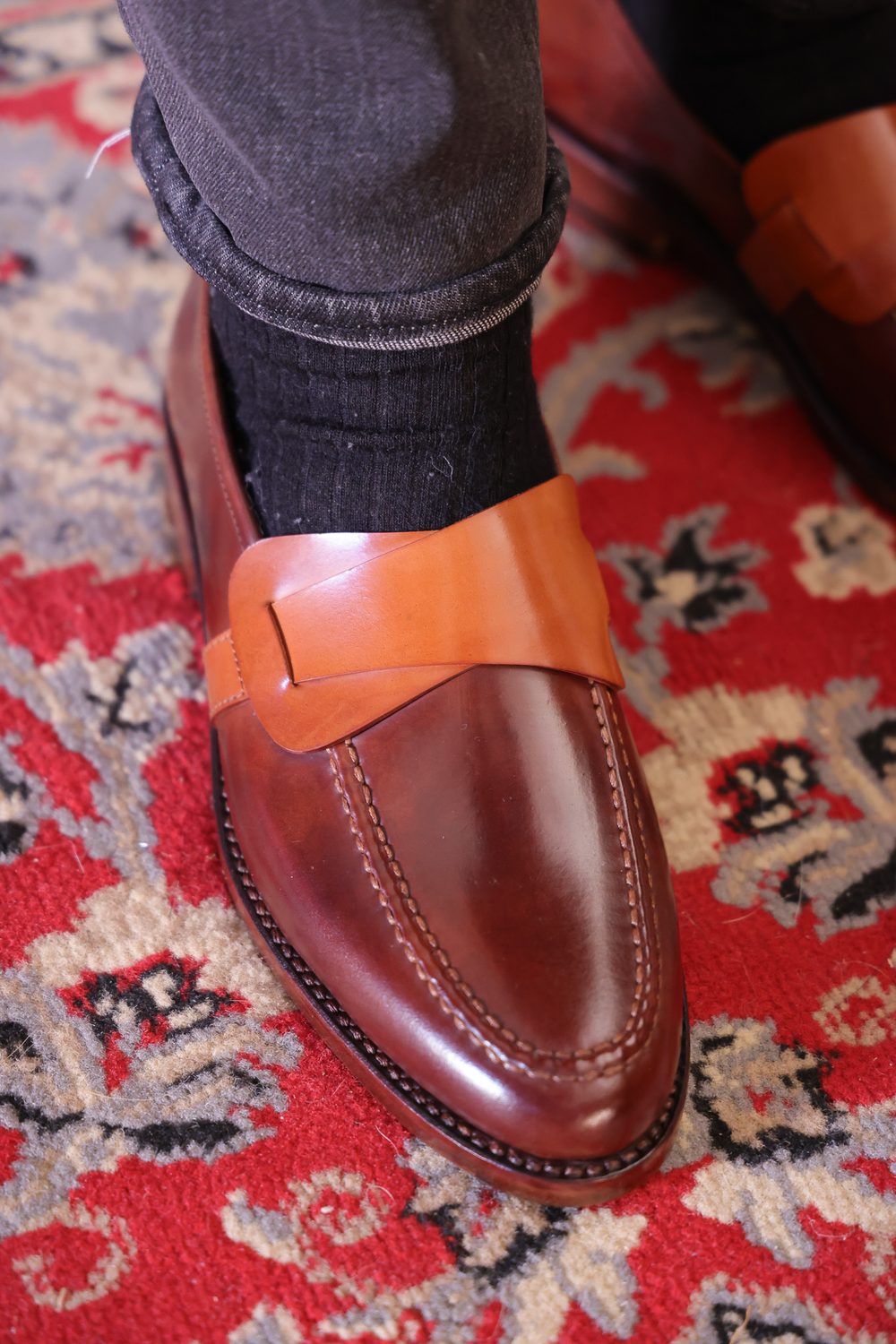
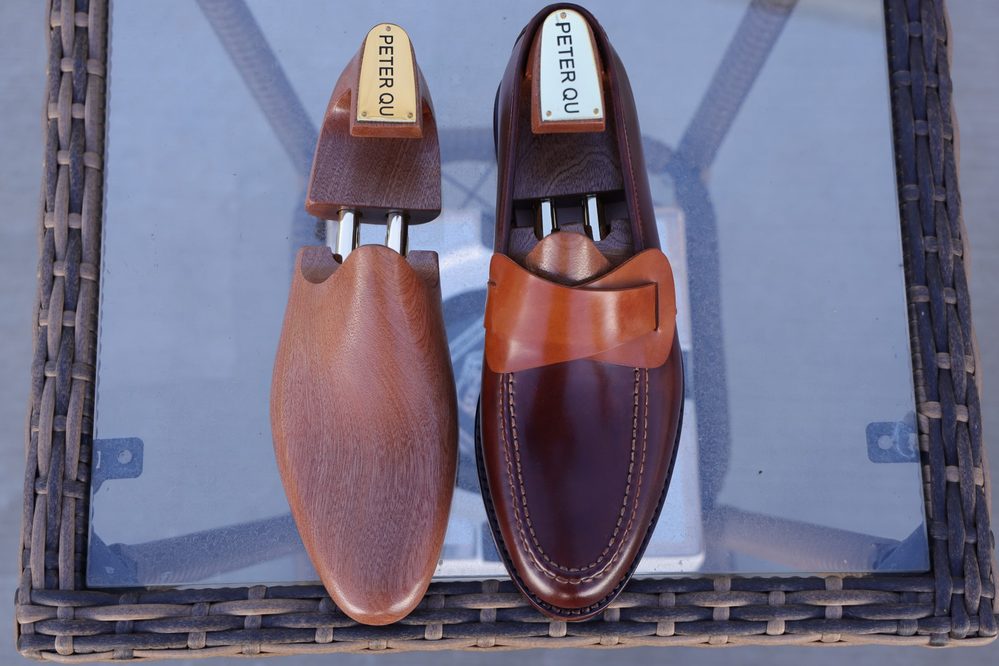
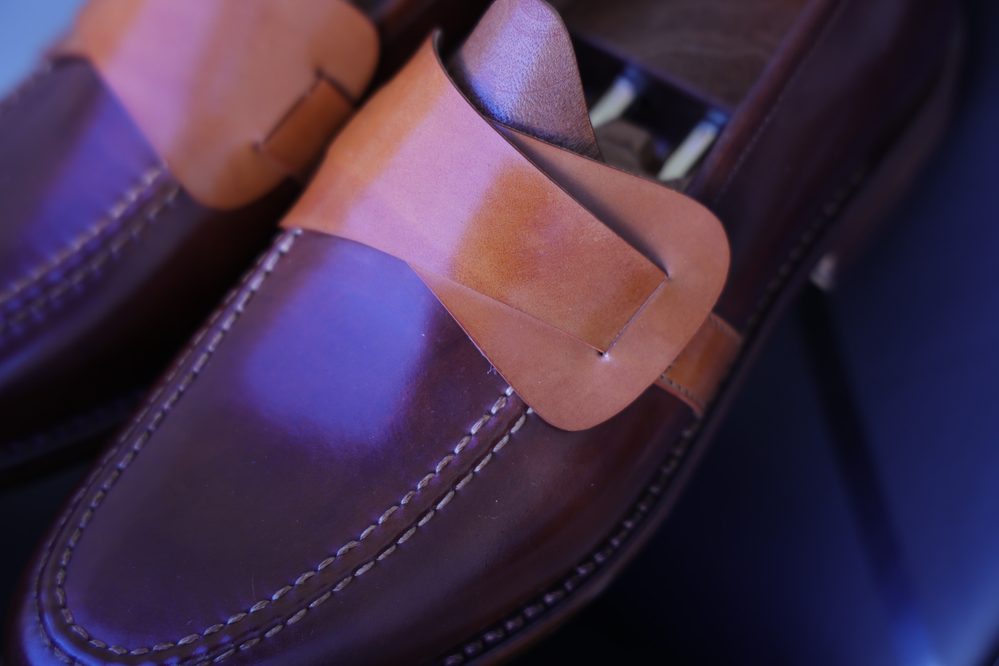
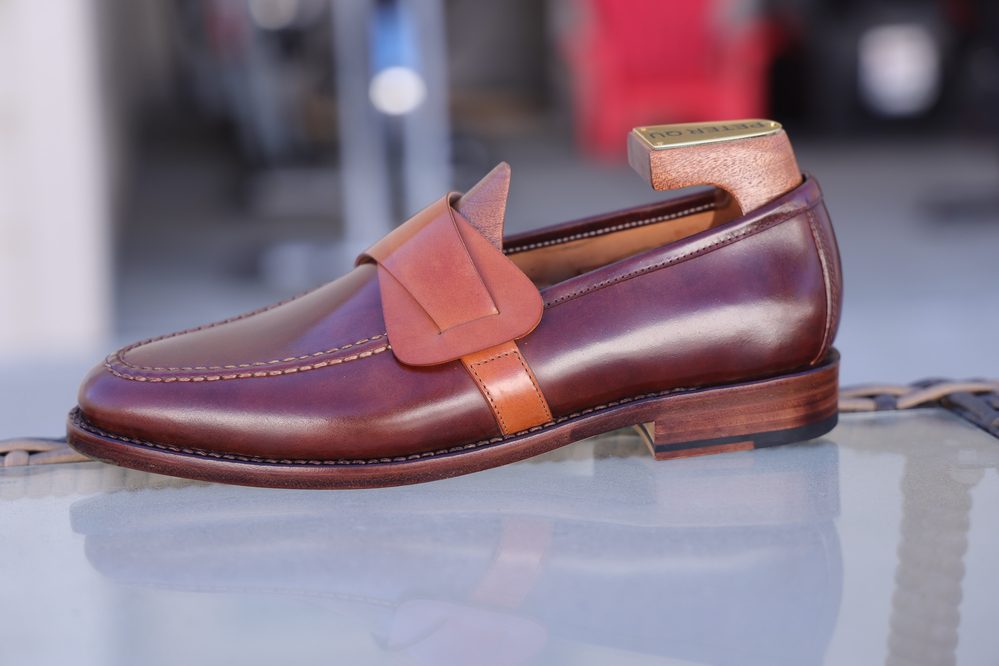
This pair is especially interesting because of its two-tone cordovan strap. The strap design is one of the main ways a maker can differentiate a butterfly loafer, and Peter Qu has approached it in a slightly different way.
The strap is seam-free across the top, which is not something you see every day. It is also a full-strap butterfly loafer, meaning the strap continues down the sides rather than simply sitting as a short decorative piece across the vamp.
That gives the shoe a different feel.
A More Conservative Butterfly Loafer
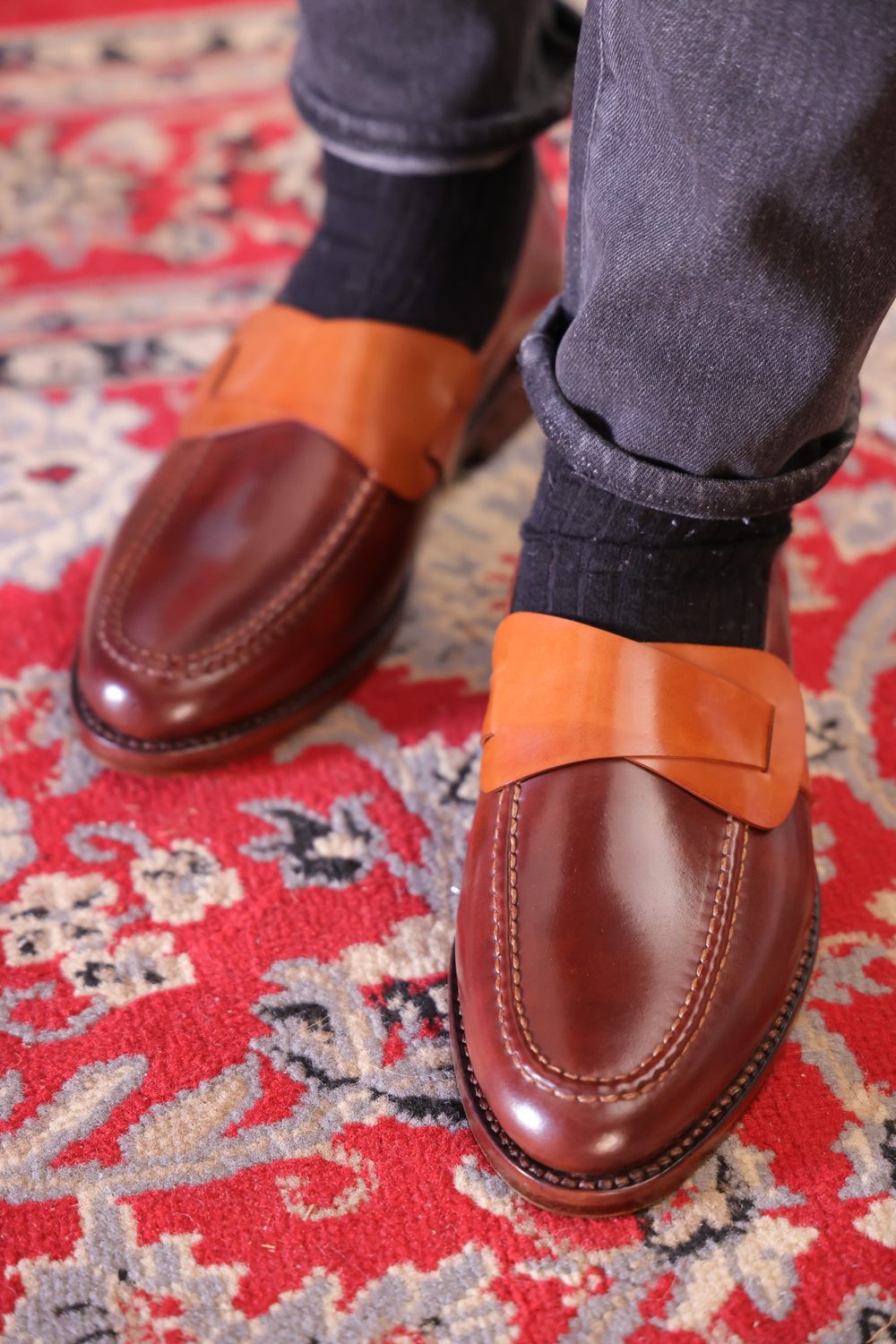
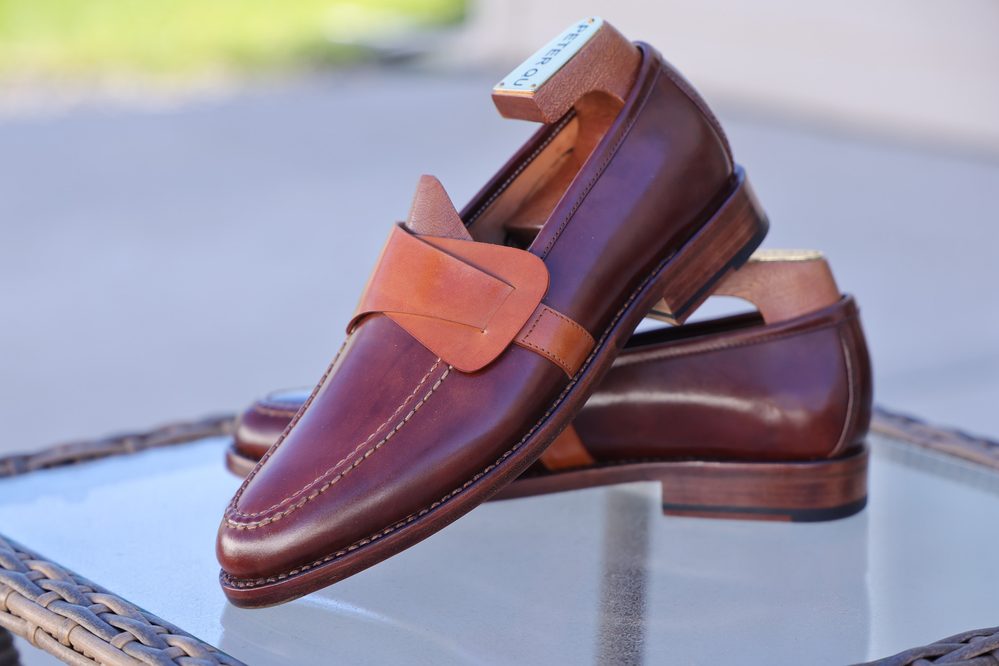
Many butterfly loafers tend to sit a bit lower on the foot and can have a more flamboyant look. This Peter Qu model is cut a little higher, almost giving it some of the character of a penny loafer while still clearly being a butterfly loafer.
That makes it feel slightly more conservative and classic.
It is not overly sleek or overly dressy. It has a rounded shape and a more casual elegance to it. This is not a loafer I would describe as sharp, narrow, or formal in the traditional European dress-shoe sense. Instead, it sits in that dress-casual world that makes sense for how many people dress today.
Jeans, chinos, knitwear, casual jackets, even a T-shirt — this is where I think the model works well.
Details That Matter
Peter Qu has included a number of details that add real value.
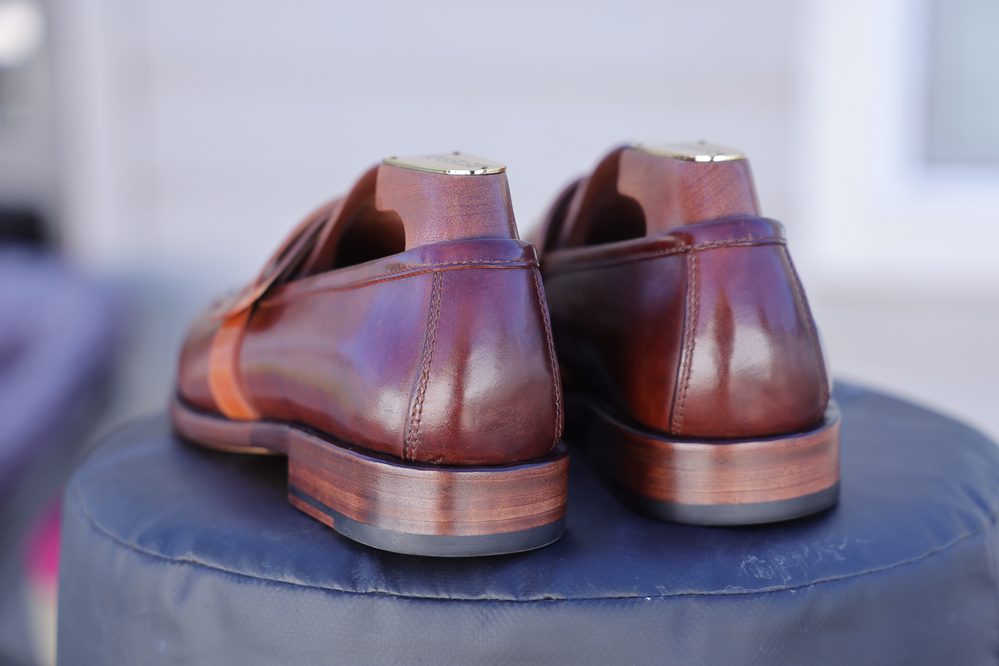
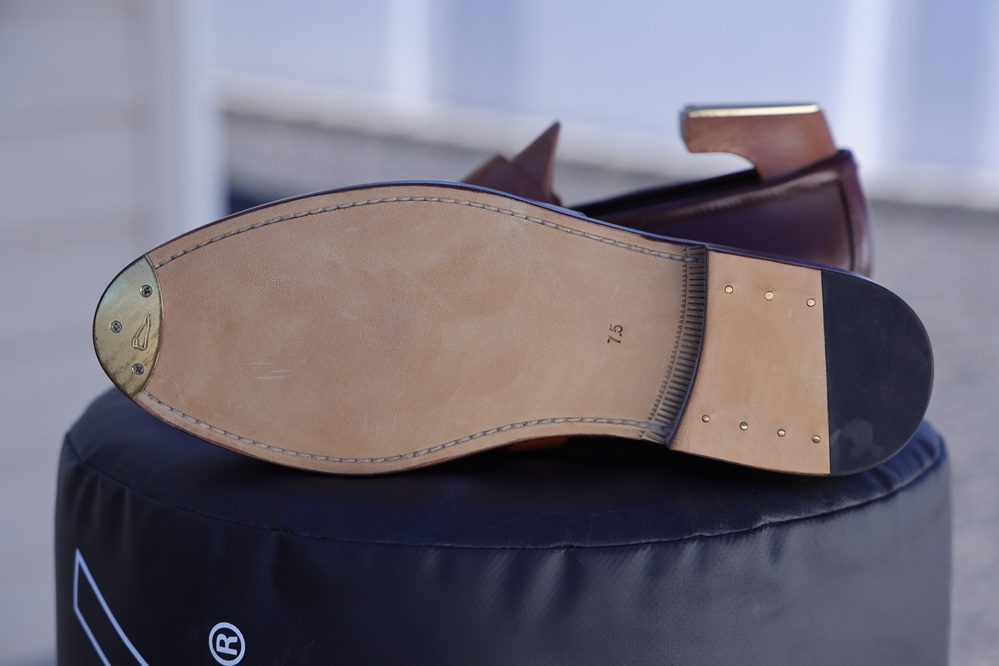
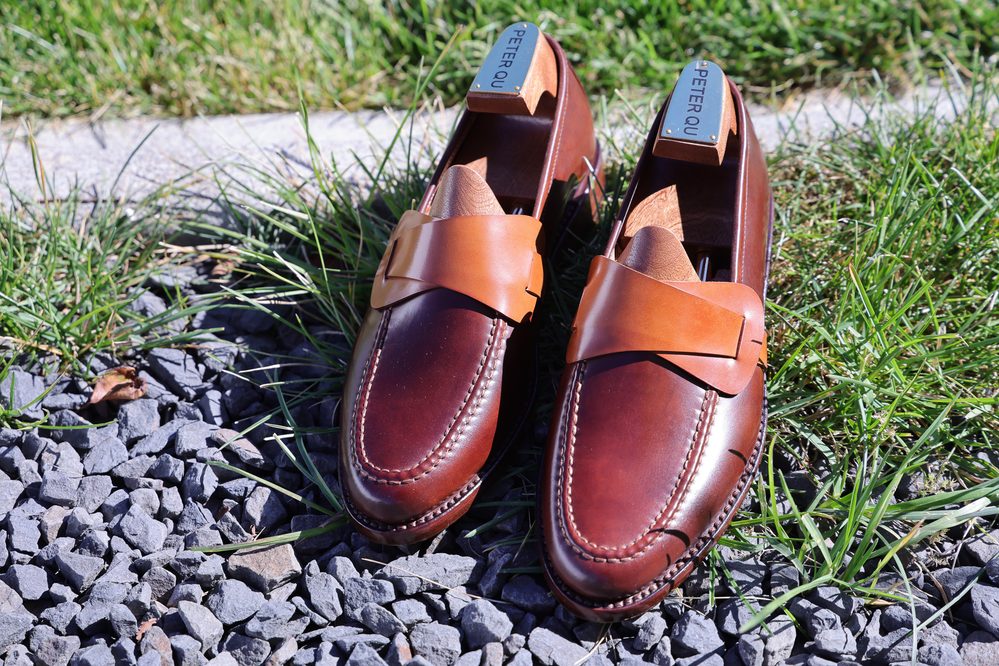
The shoes come with toe plates. They also come with lasted shoe trees, which are hollowed out and branded with Peter Qu detailing. That is not insignificant. Lasted shoe trees can be a meaningful extra, both from a value standpoint and from a presentation standpoint.
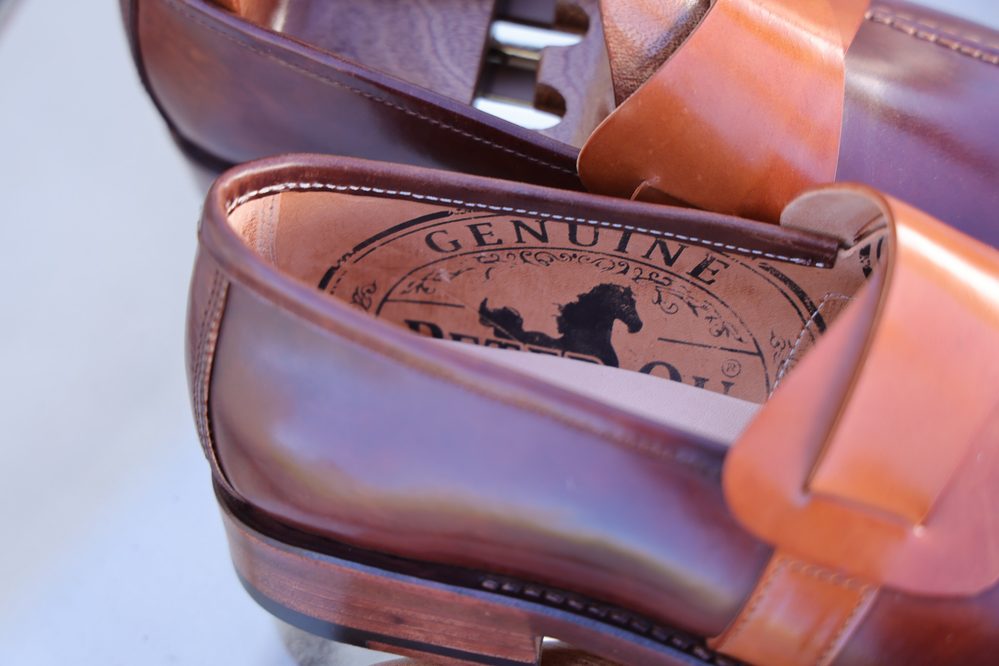
Inside the shoe, there is branded lining with genuine cordovan detailing. You can also see the hand-welted marks inside, which is always interesting for those who appreciate construction details.
The sole is natural, with an open channel. And while I enjoy the finer details of shoemaking as much as anyone, I also understand why certain choices are made. A closed channel, fiddleback waist, beveled waist, or painted sole finish all add time and cost. They are beautiful details, but they are not always necessary.
Peter Qu seems to have chosen to focus the value where many customers will actually feel it: cordovan leather, toe plates, lasted shoe trees, and clean overall finishing. That is a sensible approach and a smart way to keep the costs down on the making side of things.
Value for Cordovan
Peter Qu’s shoes fall between $677–$877 which offers a strong value proposition for cordovan footwear.
Cordovan shoes, especially hand-welted cordovan shoes, can easily move above $1,000 these days. When you add in lasted shoe trees and toe plates, the value becomes even more compelling.
Shoe trees alone can represent a meaningful cost. Toe plates are another added expense. Then you factor in the leather itself, the construction, and the finishing, and the price begins to make sense.
The important thing is knowing what you are paying for. You are not getting an ultra-refined dress shoe with every possible finishing detail. You are getting a robust, well-made cordovan loafer with thoughtful extras, good finishing, and a strong dress-casual identity.
That is a different proposition, and I think it is a compelling one. It is not always about stitches to the inch, fiddleback waists and the like.
Cordovan Quality
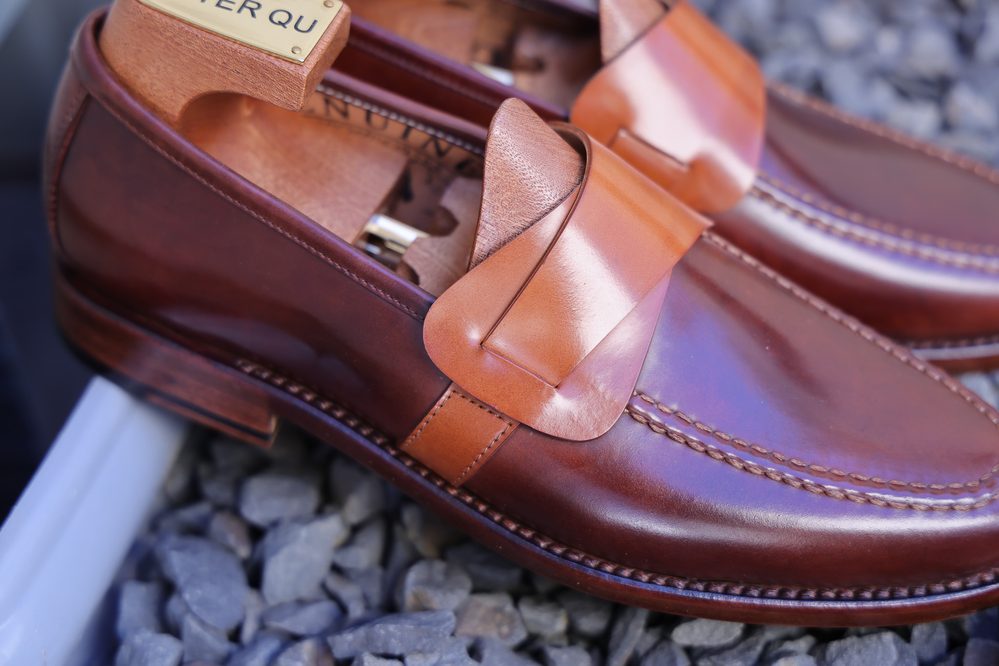
The cordovan itself looks beautiful.
Cordovan has a richness and depth that is hard to describe. It often appears more vivid than calfskin, almost as if it absorbs and reflects color differently. I am not claiming to be a technical leather scientist, but visually, cordovan has a character that is difficult to replicate.
This pair has a lovely depth to the leather, and under natural light, the color comes alive nicely.
Peter Qu apparently uses multiple cordovan tanneries, and I believe Rocado is one of them. Rocado has become more recognized in recent years, and the cordovan on this pair looks very good. It even has a slightly museum-like effect in certain lighting, which adds to the visual interest.
Fit and Sizing
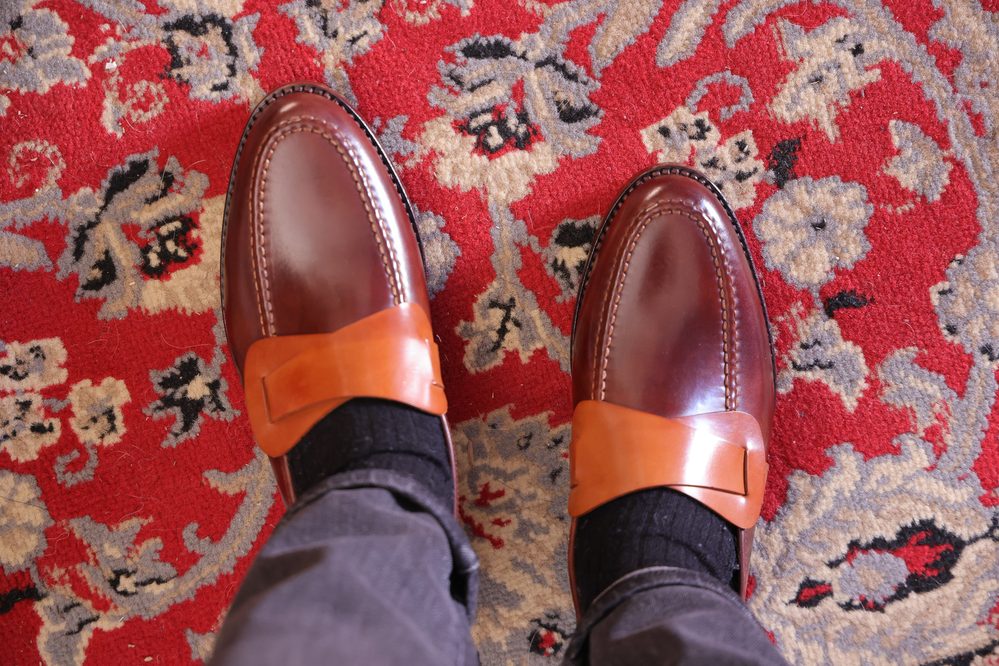
For sizing, I went with my standard 7.5, and it was the correct size for me.
Interestingly, Peter Qu lists sizing in US sizing, which is less common among non-American makers. I am more used to seeing UK sizing from many brands, so seeing a 7.5 listed as such felt a little different.
The fit was good overall. The forefoot felt generous without being sloppy. The instep was on the lower side, but not in a painful or problematic way. It helped hold the foot in place, which is important in a loafer.
Peter Qu also appears to offer a measurement service where they can adapt the last to your measurements. I did not go down that route for this pair because I wanted to test their standard sizing. For me, the standard 7.5D worked well.
As always, sizing is subjective. What works for me may not work for everyone. But in this model, my standard size was the right choice.
Construction and Finishing
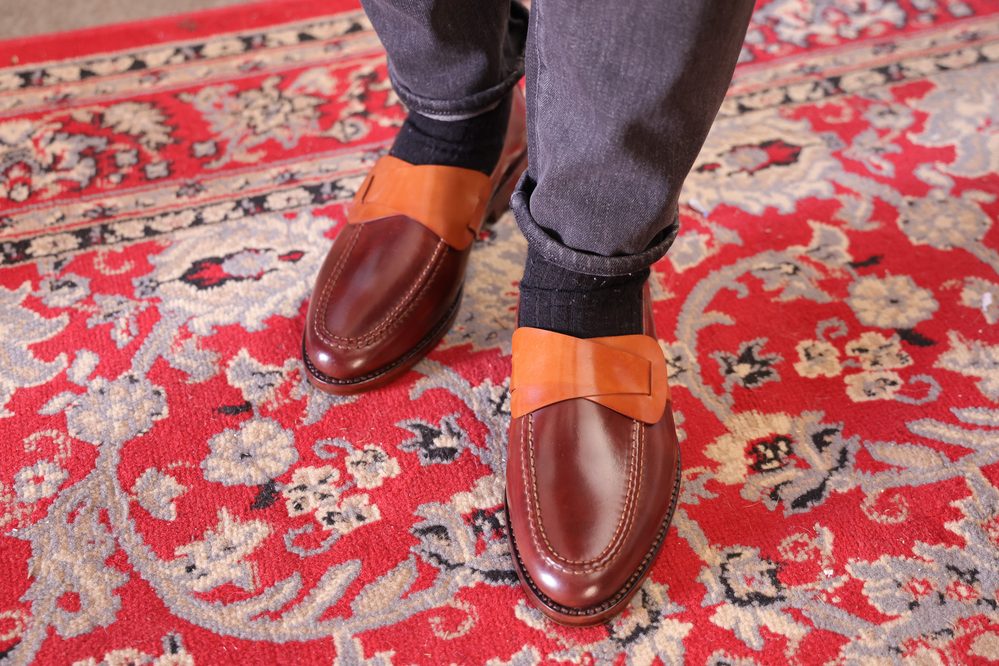
The sole stitching appears more casual in density, around five or six stitches to the inch. That makes sense for the style.
This is not meant to be an ultra-fine, highly formal dress loafer with delicate, tight sole stitching. It is a more robust cordovan dress-casual shoe. A very fine, overly refined sole stitch would almost feel out of place here.
That is an important point when judging shoes.
Not every shoe should be judged by the same standards. A casual cordovan loafer does not need to have the same finishing language as a fine black cap-toe oxford. The make, style, purpose, and price all matter.
In this case, the finishing is clean. I did not find any flaws. The leather looks good. The shoe trees are a nice addition. The toe plates are useful. The overall package feels well considered.
A Brand to Watch
I think Peter Qu is going to grow quickly.
The brand has a clear niche, and that matters. There are many shoemakers out there trying to offer everything. Peter Qu seems to have found a specific lane: cordovan footwear with a dress-casual sensibility.
They also have some interesting models on the website, including tanker boots in striking cordovan colors. Some of the shades, including gold-marble-like cordovan tones, are quite eye-catching.
And for those who want to see the brand in person, Peter Qu will be coming to the United States for the Chicago Super Trunk Show x Stitchdown Expo collaboration event on November 6th and 7th in Chicago. That will be a great opportunity to see the shoes up close and meet the man behind the brand.
Final Thoughts
Peter Qu is an interesting new name in the world of cordovan footwear.
The brand has a clear focus, the shoes are well finished, the cordovan looks beautiful, the packaging is well thought out and executed, and the added details — toe plates, lasted shoe trees, extra insoles, and try-on cloth — show that the customer experience has been considered.
This butterfly loafer is not trying to be a sleek, ultra-formal shoe. It is more relaxed, more casual, and more in line with how many people dress today. It feels like the kind of shoe you wear with jeans, chinos, and an easy wardrobe rather than saving only for formal occasions.
For someone who likes cordovan, butterfly loafers, and the idea of a well-made dress-casual shoe with good value built in, Peter Qu is worth paying attention to.
It is a niche proposition, but that is exactly what makes it interesting.
Learn more here: https://www.peterqu.com/
—Justin FitzPatrick, The Shoe Snob
Shop · Marketplace · Patreon