


Transcript:
In 2023, a tsunami wave taller than the Statue of Liberty crashed back and forth in a Greenland fjord – a narrow inlet carved between steep mountain slopes.
Kristian Svennevig of the Geological Survey of Denmark and Greenland says the tsunami was triggered by a massive landslide that sent more than 800 million cubic feet of rock plunging into the water.
Svennevig: “You put something into the water very fast, and it displaces the water and creates a wave.”
He says this sort of event is growing more likely as the climate warms.
The Arctic’s frozen ground – or permafrost – is thawing, which can destabilize mountain slopes. And glaciers, which help buttress eroding mountainsides, are getting thinner and weaker.
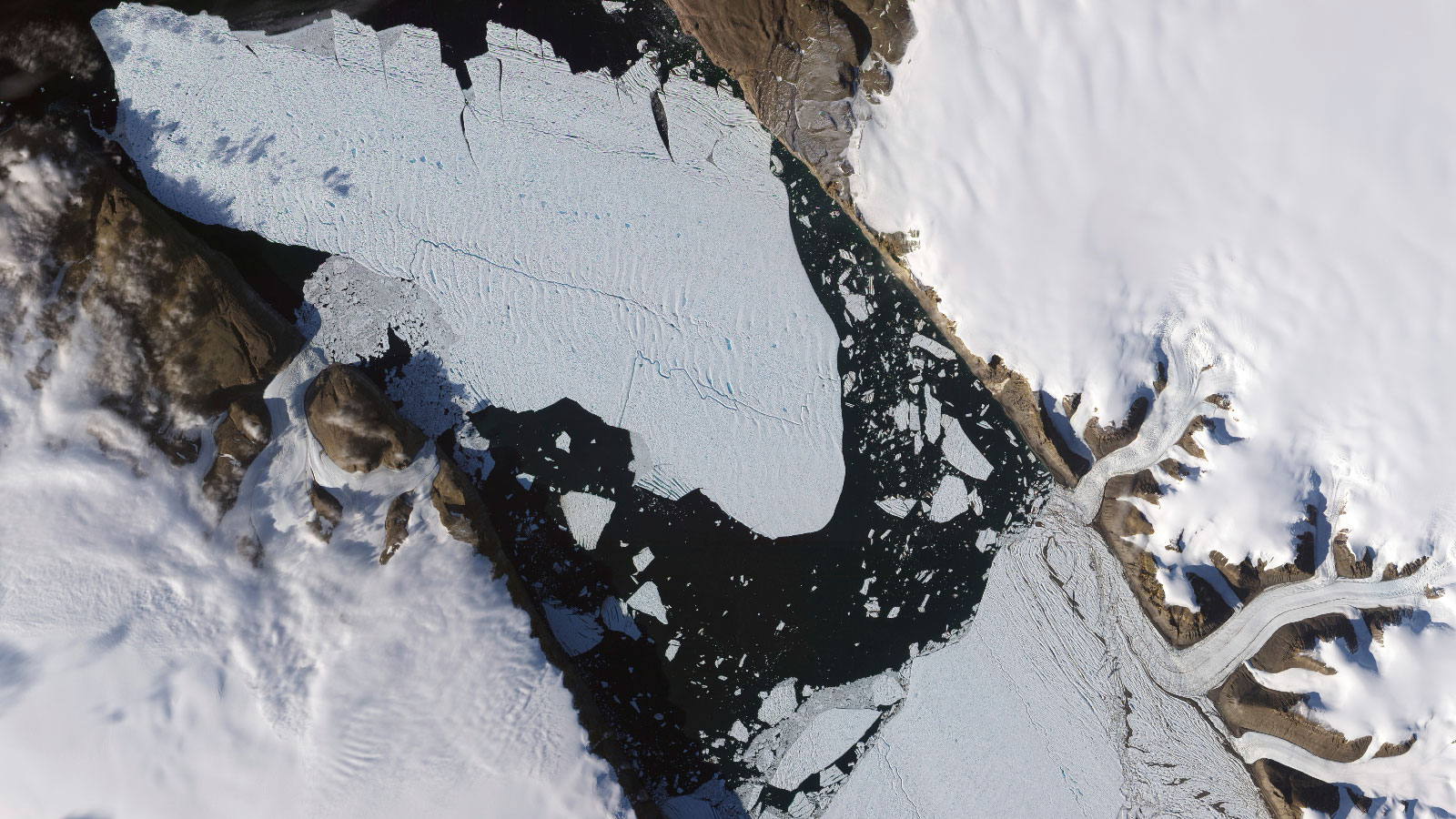
Aerial photos show that a glacier at the site of the Greenland landslide had been thinning for decades.
This event occurred in a remote area. But Svennevig says in some parts of Greenland, Alaska, and beyond, communities are at risk from landslide-induced tsunamis.
Svennevig: “We know the Arctic is warming much faster than the rest of the globe, and we know that that warming will continue. So it’s … indeed an emerging hazard but also one that will accelerate in the future.”
Reporting credit: Sarah Kennedy / ChavoBart Digital Media