


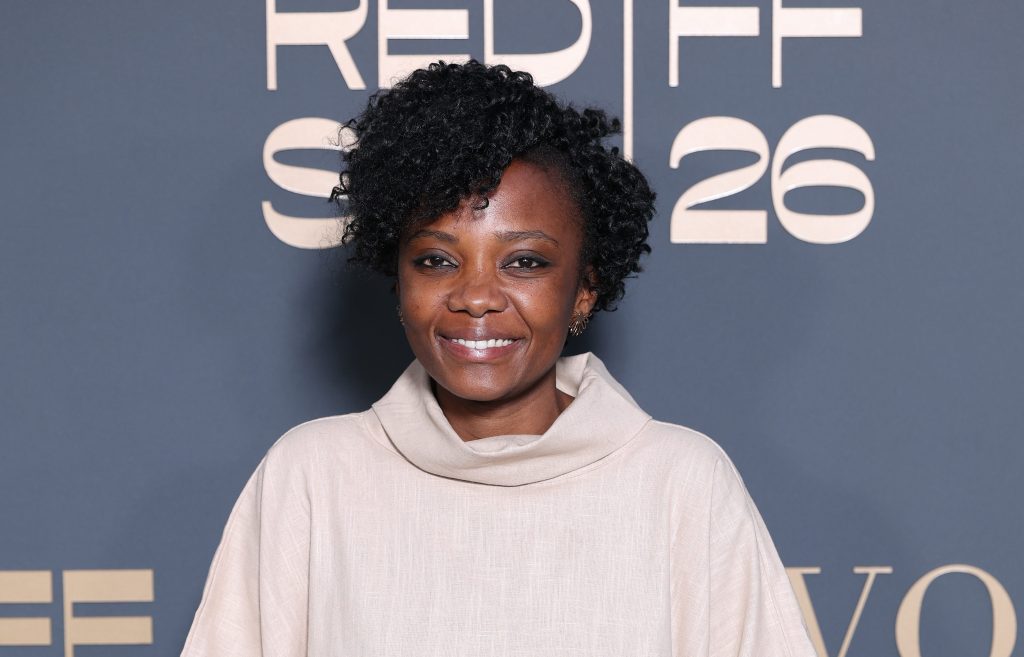
“I feel relieved,” Marie-Clementine Dusabejambo says with a relaxed smile. After more than a decade in development, she has just wrapped on Ben’imana, a bold and formally inventive film about Rwanda and the complex bonds that connect its citizens following the brutal 1994 Tutsi genocide.
Ben’imana is Dusabejambo’s first feature credit as a director. Ben’imana is also the first Rwandan film to screen at the Cannes Film Festival, where it will debut tomorrow as part of the Un Certain Regard competition.
“This is a real joy and relief, especially when you’ve worked on a project for as long as I have,” Dusabejambo continues. “I’ve had time to really get prepared for this moment.”
Born and raised in Kigali, Dusabejambo has been described in various press notes about her debut feature as a “self-taught filmmaker.” But she happily dismisses the description while speaking with Deadline ahead of her trip to Cannes for the premiere. Dusabejambo instead cites what she describes as the “important lessons on filmmaking” she has received from two filmmakers, Lee Isaac Chung and Haile Gerima, whom she has encountered separately, over the years, thanks to a series of miraculous events.
As Dusabejambo recalls, Chung was living in Rwanda in the early 00s with his wife, who was working as a counselor in Kigali. During that time, he developed the story for his first feature film, Munyurangabo (2007), and began production.
“It was shot in my neighborhood,” Dusabejambo recalls. “At the time, I was waiting to attend University. I had no thoughts about making films. But I went along to the shoot because I had free time.”
Dusabejambo says she kept in contact with Chung, and some years later, after he’d returned to the U.S. and she was prepping for a telecommunications job after completing her maths qualification, she received a note from Chung with a link to a short film script submission posted by the Tribeca Film Festival. She submitted and won, but initially had no interest in directing the script herself.
“I thought someone else could direct it. But Isaac insisted that I make the film. He said the world needed more women making films. That’s how I got started, ” Dusabejambo explains.
“Tribeca then sent Isaac to Rwanda to give us the basics. I had never looked into a camera. I started from scratch with Isaac. He came to accompany his wife, but he ended up making a film and starting a new generation of filmmakers in Rwanda.”
After a few years on the festival circuit with various shorts, Dusabejambo began developing and pitching Ben’imana. Gerima, the legendary Ethiopian filmmaker behind seminal titles like Sankofa and Teza, by chance happened to be sitting in the back of a pitching session Dusabejambo took part in and heard her speak.
“I got all the bad feedback one can get, so I was sitting down trying to decide whether I would continue or not,” Dusabejambo recalls. “Then Haile came up to me and said, ‘Oh, sister, I didn’t hear anything you said because you were speaking in French, but go home and send me your script in English.’”
Dusabejambo admits she didn’t know Gerima or his work but decided to take up his offer. In return, he sent her a complete DVD collection of his works.
“He told me to share them with my colleagues. That’s how I discovered his work,” Dusabejambo says.
“After that, every year for five years, he would invite me to his filmmaking workshop in Luxembourg along with other young African filmmakers. I would attend with Ben’imana, and we’d sit and talk. He’s very tough and often gives you comments you don’t want to hear. But I learned so much, not only about filmmaking but about myself and Rwanda.”
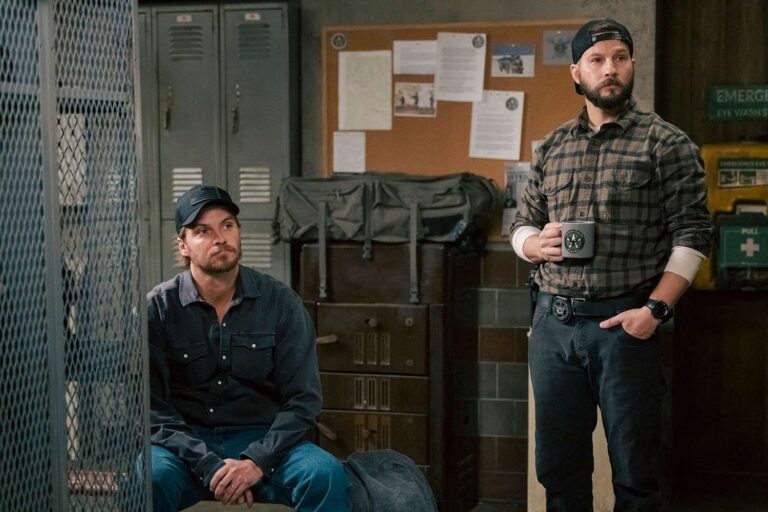
It’s not difficult to see Gerima’s influence on Dusabejambo. Ben’imana, like all of Gerima’s work, has very little interest in upholding any conceived ideas about narrative structure. The film unravels slowly, at its own pace, and from various angles. The story opens in 2012, almost 20 years after the Tutsis genocide. The Rwandan government has established community courts to enforce justice and reconciliation. Veneranda, a genocide survivor, believes in the process. But when she learns of her daughter’s unexpected pregnancy, she is forced to confront her own contradictions and the dark parts of her past.
“Everything about this project evolved over time. I didn’t have it all in the original script,” Dusabejambo says. “There’s so much nuance when it comes to stories about the genocide against the Tutsis in Rwanda. It was a crime that was made within families, and in the aftermath, they wanted to find the solution within the same broken families. That was my foundation for everything.”
Ben’imana is a co-production between Rwanda, Gabon, France, Norway, and the Ivory Coast. Dusabejambo produced the film alongside Samantha Biffot, Marie Epiphanie Uwayezu, and Pierre-Adrien Ceccaldi. mk2 is handling international sales. The project is also one of the first titles created with funding from Rwanda’s new state-backed Film Fund. Dusabejambo describes the process of working with the fund as seamless.
“The Fund is completely independent. I submitted like everyone else, and we got the money. There were no strings attached,” she says. “I was able to hire a big local crew and take risks. It was the first time many of the crew had worked on a big project. They were heads of departments and were being paid.”
Dusabejambo expresses great pride in Ben’imana being what she describes as a “100% African” project.
“Our DoP is from Egypt, for example, and his second assistant is from Gabon. Gabon also participated in the financing of the film,” Dusabejambo said, adding that she hopes the process can serve as a case study in financial and artistic independence for fellow Rwandan and African filmmakers.
“We just need more financing from home so we can work without having to apply for foreign funding,” Dusabejambo says.
She added: “We can do this ourselves.”
Check out a first look clip from Ben’imana above. Cannes runs until May 23.