


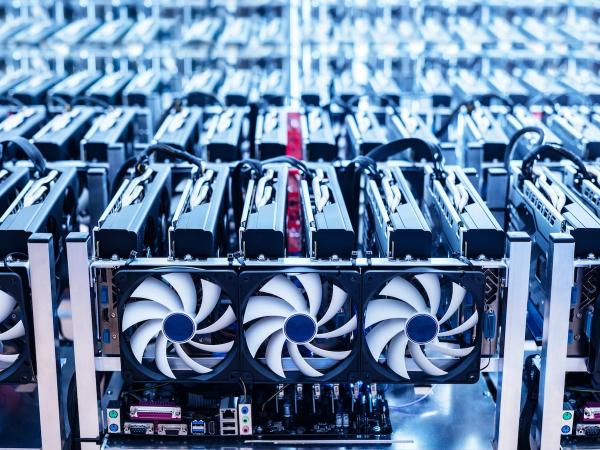
Not everyone is moving away from bitcoin mining. Nasdaq-listed NIP Group (NIPG) announced plans last week to essentially increase its mining capacity by about 48%. The company said it expects to generate about 195 bitcoin a month at full deployment.
Moving into AI also requires more than access to electricity. Ethan Vera, Luxor’s chief operating officer, told CoinDesk that its software business works with bitcoin miners representing nearly two gigawatts of power capacity.
After assessing more than half that capacity, Luxor found that most sites had sufficient electricity and fiber connections for AI workloads but would require new data centers.
Luxor is also expanding into contracts that allow buyers and sellers to agree on future computing prices, much as bitcoin miners use financial contracts to manage changes in mining revenue.
Sam Hallene, a partner at CMT Digital, said AI companies have different reasons to protect themselves against price changes, including the possibility that expensive computing equipment remains useful longer than expected.
“We don’t know exactly what the market structure will look like at the end of the day,” Hallene told CoinDesk.
Luxor already offers privately negotiated contracts tied to computing rental prices, although the market is still developing. Vera said transparency remains a problem, particularly around AI hardware prices.


