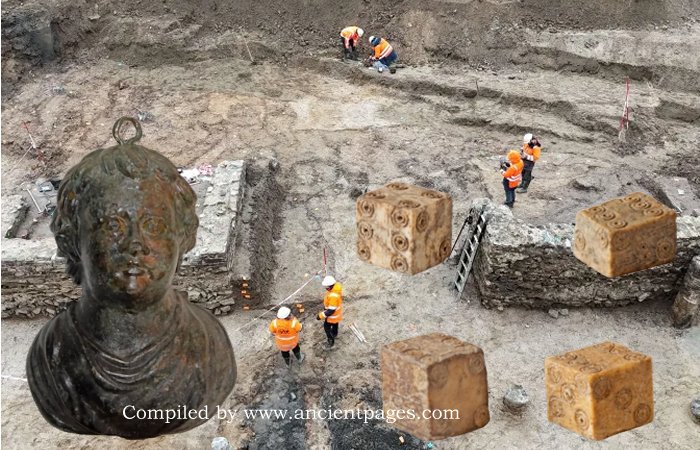
Conny Waters – AncientPages.com – Excavations in Nijmegen-West have revealed extensive remains of a Roman bathhouse, the largest of its kind in the Netherlands. Stephan Mols, a researcher from Radboud University, regularly visits the site. These discoveries indicate that the Romans considered the city significant, with buildings larger and more impressive than previously believed.
Although Mols does not conduct the excavations himself, which are managed by archaeologists from RAAP and BAAC, he closely monitors the work. Based at Radboud University, Mols and his team collaborate with these archaeologists and the Valkhof Museum to enhance understanding of Roman Nijmegen, Ulpia Noviomagus.
The excavations began in September last year and are scheduled to continue through the end of July. The site, developed by BPD | Bouwfonds Gebiedsontwikkeling, has yielded not only the bathhouse but also adjacent residential blocks, townhouses, and a tower. Notable artifacts include hairpins, jewelry, coins, and a bronze bust of Bacchus, the Roman god of wine.
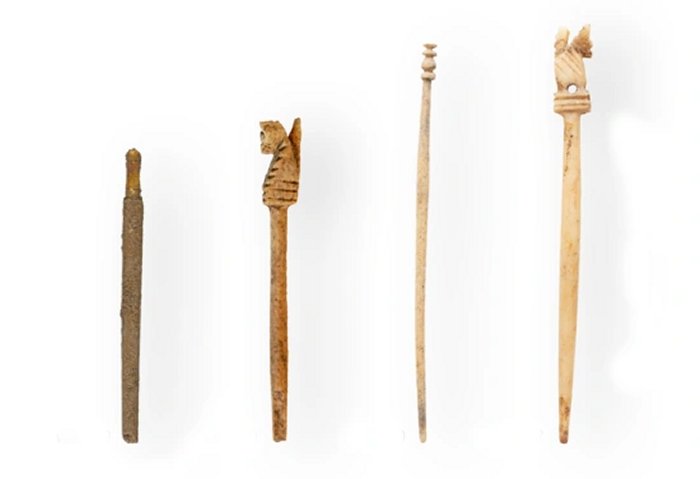
Roman hairpins found in Nijmegen. Credit:nijmegen.nl, RAAP
“A bathhouse was an integral part of a Roman town,’ says Mols. ‘During the excavations, we only see the lower parts of the buildings, often the foundations or sometimes just the spot where they once stood. But from this, we can deduce just how large and imposing this bathhouse complex must have been in 3D.
This shows that Roman Nijmegen was a city of considerable stature, well into the third century.” With a floor area of at least 4,900 m², the entire bathhouse complex at Ulpia Noviomagus was certainly twice as large as the previously investigated public bathhouses of the Roman towns of Forum Hadriani (2,200 m², Voorburg near The Hague) and Coriovallum (2,500 m², Heerlen).
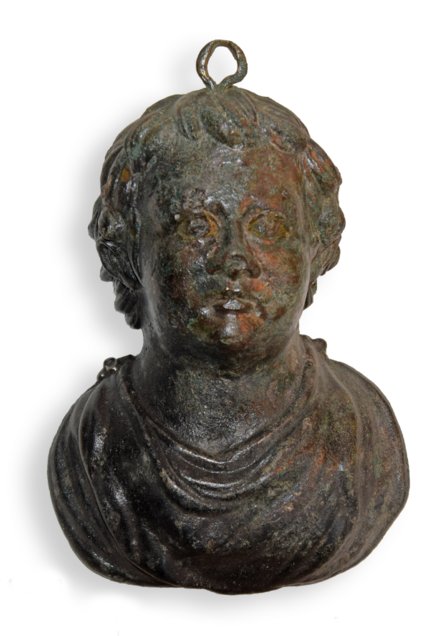
Bacchus figurine. Credit:nijmegen.nl, RAAP
Part of the bathhouse was discovered in 1992, though only a small section could be investigated at that time. The Roman settlement on the River Waal, now Nijmegen-West, is believed to have received city rights from Emperor Marcus Ulpius Trajanus around 100 AD.
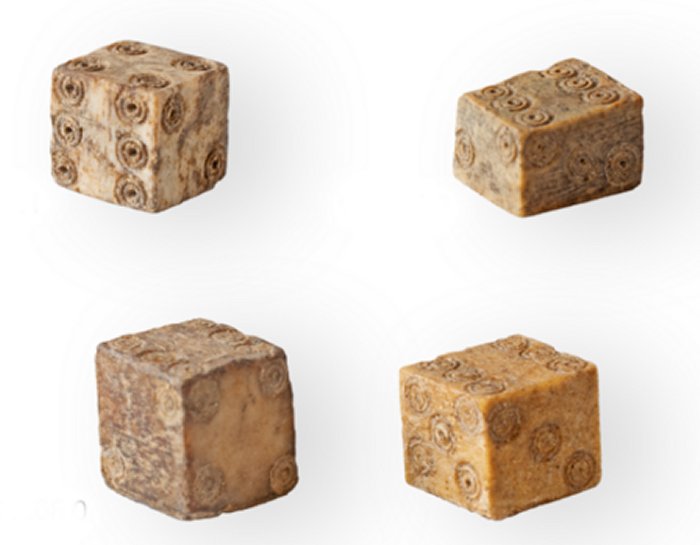
Roman dice. Credit:nijmegen.nl, RAAP
Soon after, several large public buildings, including the bathhouse, were constructed using natural stone. Excavations show that expensive materials such as marble, limestone, and sandstone were used.
During the Middle Ages and later, the complex served as a quarry, leading to the demolition of many walls. Despite this, large portions of the drainage channels and floors remain, including a concrete floor with small brick pillars from a hypocaust, the Roman underfloor heating system.
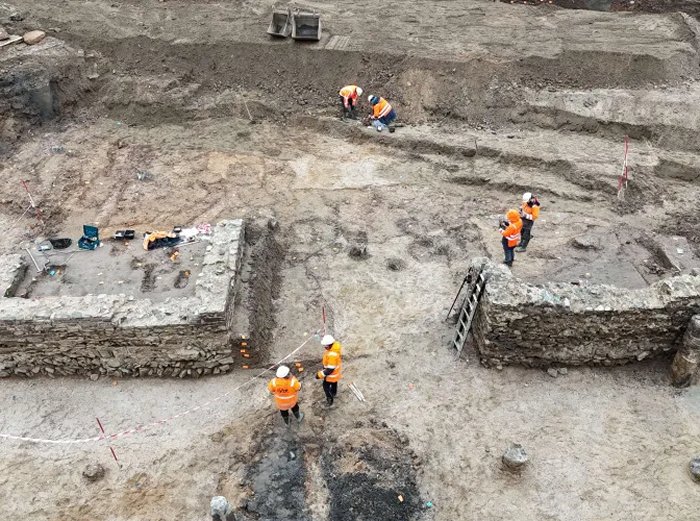
Excavation of the Roman bathhouse complex in Nijmegen. Credit: RAAP
“If you’d been walking around here back then, you wouldn’t have got the impression that you were on the edge of the Roman Empire, such was the luxury and scale of the buildings,” says Mols. “The Romans didn’t regard this city as a backwater. There were a lot of soldiers here. When they weren’t fighting, they needed something to keep them occupied, so they built complexes like this.”
See also: More Archaeology News
Mols and his colleagues aim to study the technology used in the bathhouse, including the underfloor and wall heating systems. Mols states, ‘We can still learn a thing or two from that today. The same applies to the mortar – Roman concrete – which was self-healing: if it cracked, it could repair itself. Knowledge of this is also very useful for scientific research into self-healing materials.’
Source: Radboud University
Written by Conny Waters – AncientPages.com Staff Writer