
Reading Time: 2 minutes
There are two big things to know about what Serena Williams has been up to.
The first is that she has confessed to using GLP-1 medications for luxury weight loss, even posting paid promotions.
The second is that she has returned to tennis several years after retiring.
But there’s growing buzz about banning BLP-1 as a performance-enhancing drug. Is she going to have to choose between them? Should she?
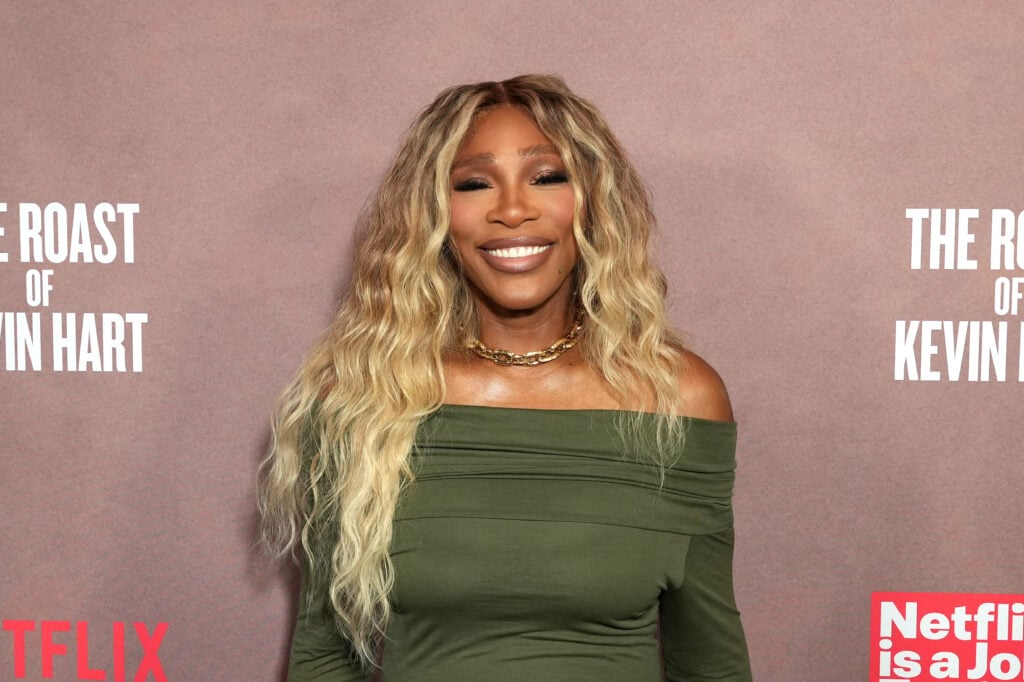
GLP-1s among athletes is relatively new territory
The New York Times is talking about it, so we are, too.
Last year, Serena announced her partnership with Ro — a company in which her husband, Alexis Ohanian, has invested.
According to her narrative, she struggled to lose weight after giving birth to two daughters, which led her to trying Zepbound.
Now, Serena has last weight and returned to the world of tennis — though she says that she’s only playing doubles for fun.
This does make her the most prominent athlete to have openly used GLP-1 drugs for luxury weight loss.
Anti-doping authorities in the tennis world and beyond have been monitoring GLP-1 drugs since 2024, shortly after the fad took off.
For now, they are not a prohibited substance.
They are also not currently classified as a performance-enhancing drug by WADA (World Anti-Doping Agency).
It is possible that this will never change.
There are arguments for banning the use of GLP-1s in sports, allowing it, and also for something in between.
Do they actually enhance anyone’s athletic performance though?
In Tennis, anti-doping protocols are managed by the International Tennis Integrity Agency (ITIA). WADA oversees compliance.
Serena claimed that, despite being one of the greatest athletes on Earth, she struggled to lose weight through diet and exercise until she began using a GLP-1 medication.
(Again, there is a financial stake given her husband’s investment, leaving some to question the credulity of her paid statements.)
Now, if GLP-1 use were to be considered a performance-enhancing medication, it might be for fat loss.
However, studies have shown that GLP-1 patients experience muscle loss. Obviously. Which would, if anything, sound like it would detract from an athlete’s performance.
Ultimately, this discussion sort of misses the point, doesn’t it?
First of all, politics can play a bigger role in what is and is not banned from competitions.
Marijuana could not reasonably enhance anyone’s athletic performance, yet it is generally banned for athletes.
Trans women on estrogen may be banned, even though their HRT would, if anything, reduce their athletic performance. Meanwhile, cis women with higher levels of testosterone could also be banned, simply for being themselves.
Medicalized starvation — which, ultimately, is what GLP-1 medication does — probably doesn’t give an athlete an edge on the field.
But athletes are maybe the last people who should be promoting this as a “healthy” option for those who do not medically need it, such as diabetes patients.