

Transcript:
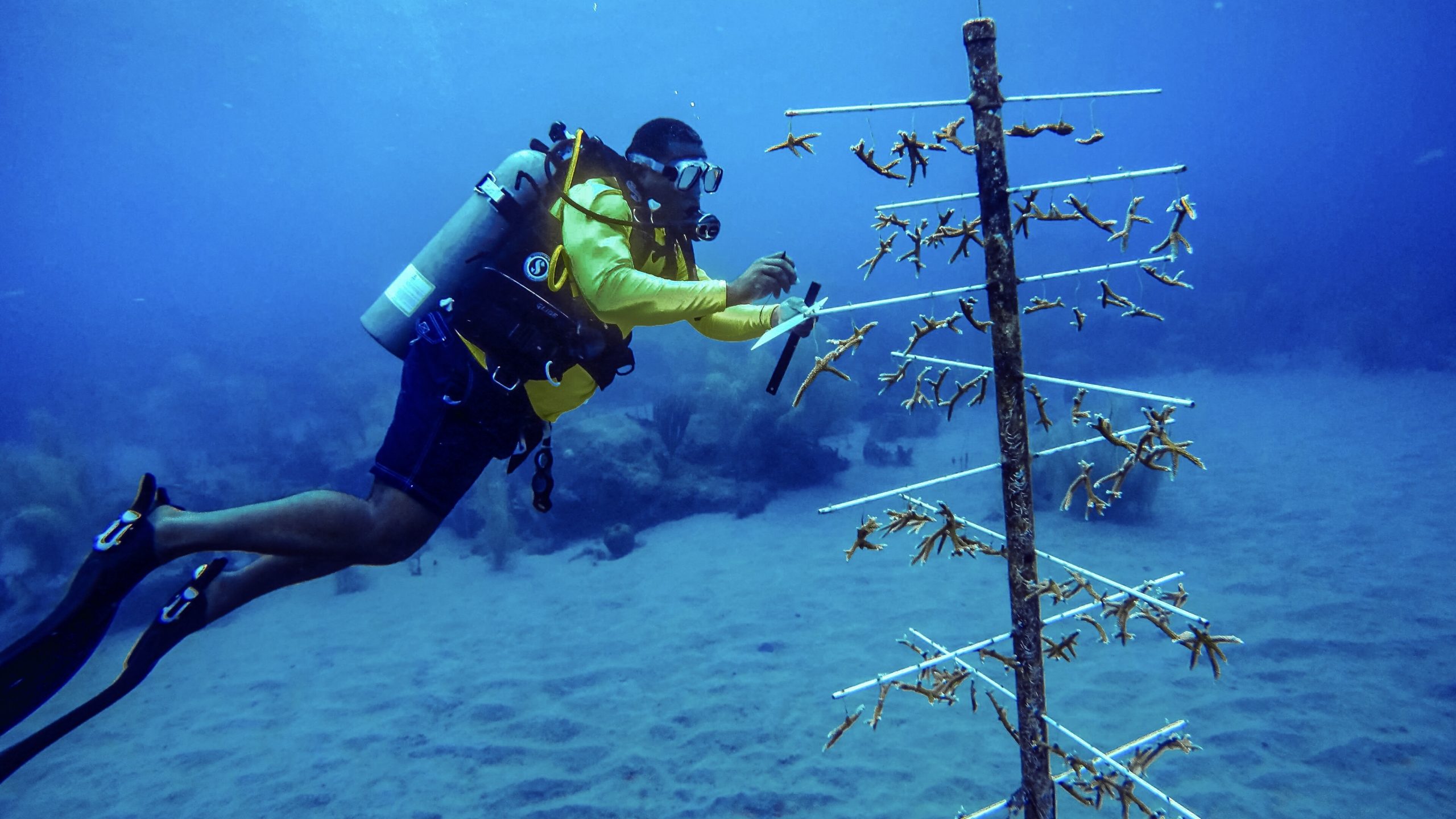
Two years ago, Indonesia announced a plan to spend millions of dollars protecting and restoring coral reefs.
Indonesia’s reefs are some of the most extraordinary ecosystems on Earth.
And this new conservation effort was made possible by something called a debt-for-nature swap.
Most countries spend a lot paying off debt to banks, institutions, or other countries.
But with a debt-for-nature swap, countries can off-load some of that debt by committing to environmental protections.
To protect its coral reefs, Indonesia struck a deal with the U.S. to turn $35 million of debt into conservation funds.
Nonprofits can also facilitate debt-for-nature deals. Recently, for instance, the Nature Conservancy helped Ecuador refinance some bonds, freeing up money to protect forests, rivers, and wetlands in the Amazon.
Debt-for-nature swaps can be especially useful for low-income countries struggling with high debt burdens.
And as the climate warms, conservation is becoming even more important.
Projects like Indonesia’s could protect reefs as the ocean warms and becomes more acidic.
And deals to protect forests could help ensure that they continue absorbing carbon pollution and slowing global warming.
Reporting credit: Ethan Freedman / ChavoBart Digital Media