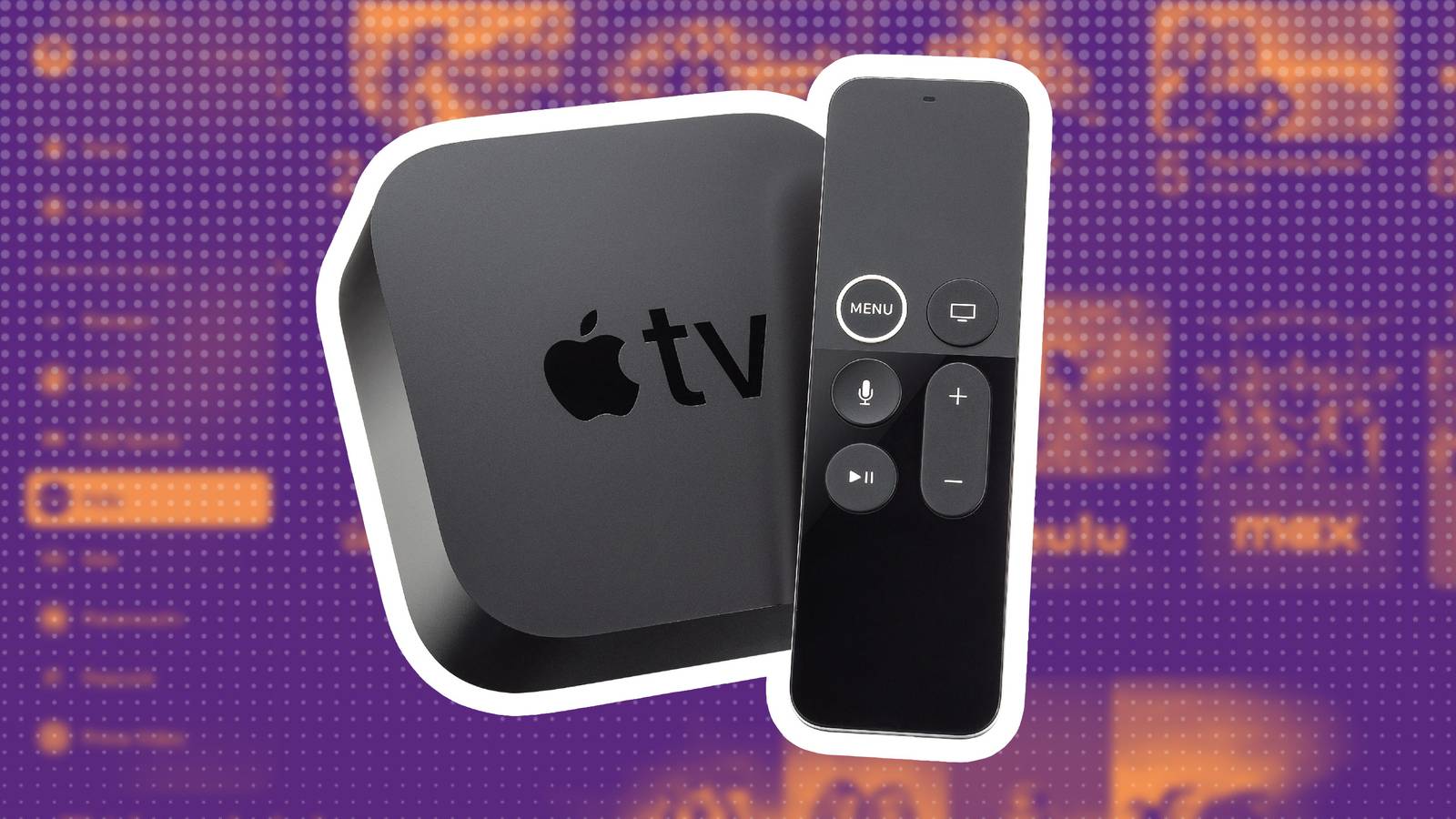
Apple surprised a lot of people this year by increasing the prices of several of its products. Unfortunately, the Apple TV wasn’t spared either, with the streaming box now starting at $199 in the U.S.
That’s a tough sell for what’s now almost a four-year-old streaming device. Don’t get me wrong, I still think the Apple TV 4K is the best streaming box you can buy. It’s faster than anything from Roku, Amazon, or Google, the interface is clean, and after using it for nearly two years, it’s the streaming device I keep coming back to.
However, it looks like a replacement isn’t far away. Bloomberg’s Mark Gurman has reiterated that Apple is preparing to launch a new Apple TV later this year, and while I’m not expecting a major overhaul, there are a few meaningful upgrades I’d love to see.

- Brand
-
Apple
- Bluetooth codecs
-
5.0
- Wi-Fi
-
6
- Ethernet
-
Gigabit (128GB model only)
Apple’s third-generation 4K set-top box ships with an A15 Bionic chipset, HDR10+ and Dolby Vision support, and a rechargeable USB-C Siri Remote.
Give me programmable shortcut buttons on the remote
This is probably an unpopular opinion, because I know plenty of people dislike the branded shortcut buttons on TV remotes. I, on the other hand, actually love them.
Whenever I use a Samsung smart TV or a Roku streaming device, I really appreciate the convenience of having quick shortcut buttons to streaming services like Netflix and Disney+ right on the remote.
Sure, the Apple TV 4K is incredibly fast, but launching an app still means going back to the home screen, finding the app, and opening it. It’s not exactly difficult, but having a dedicated button to jump straight into my favorite streaming service would make the experience that little bit quicker.
That said, I’m not asking Apple to clutter the Siri Remote with branded buttons. Instead, give us a couple of programmable shortcut buttons that we can map ourselves.
Maybe one could launch a streaming service, while another could trigger a Siri Shortcut or open a favorite app. It would preserve the clean, minimal design of the Siri Remote while making it far more useful day-to-day.
It’s finally time for proper audio passthrough support

This one won’t matter to everyone, but if you’ve invested in a serious home theater setup, it’s probably near the top of your wishlist.
The Apple TV still doesn’t support full audio passthrough for formats like Dolby TrueHD Atmos or DTS. Instead, Apple decodes the audio itself before sending it to your receiver.
For most people, especially those streaming Netflix, Disney+, or Apple’s own TV+, this isn’t a huge issue because those services already use compressed audio formats. I fall into that category myself, so it hasn’t been a deal-breaker.
But if you watch Blu-ray content, or you’ve spent thousands of dollars building a surround sound system, the Apple TV still isn’t the perfect media player.
Apple has positioned the Apple TV as the premium streaming box, and at $199, that’s exactly what it should be. Proper passthrough support would finally remove one of the few compromises that home theater enthusiasts still have to make.
AV1 hardware decoding and 4K 120Hz support would future-proof the box

The other two hardware-related upgrades I want on the next-generation Apple TV are AV1 hardware decoding and 4K at 120Hz. Neither is available on the current model, and both are becoming harder to ignore.
Many streaming services, including Netflix and YouTube, have already adopted the codec because it delivers better image quality while using less bandwidth, and it feels like an obvious addition for a premium streaming device in 2026.
4K at 120Hz is the more niche ask, mostly from people who game on their Apple TV or just want a snappier interface, but the current box is capped at 4K 60Hz because of its HDMI 2.0 port. A move to HDMI 2.1 would fix that, and it would finally bring the Apple TV in line with what modern TVs are already capable of.
Overall, these are the three upgrades I’m hoping Apple finally brings to the next Apple TV. Even after two years, it’s still my favorite streaming device, and I don’t see myself switching to anything else.
But now that the starting price has climbed to $199, I also think Apple has to do a little more than it did last time.