
Credit where it’s due — the cameras on current smartphones are a major technical achievement. In the pre-smartphone era, “camera phones” were their own niche, and not terribly useful, since all you got was a low-resolution file, and typically an ugly one unless you shot under perfect conditions. Today, the best phones can produce images comparable to pro cameras, and have actually been used to shoot A-tier music videos and movies.
There’s a reason that pro gear still exists, however. There are fundamental advantages to a dedicated camera body, and those will probably continue to exist for years, if not decades, owing to the laws of physics. In fact you don’t need a pro camera to see the difference, since the better point-and-shoots out there illustrate the points below just as well. If you’re serious about photography, you need to graduate to a separate camera sooner or later.
Larger sensor sizes mean superior images
Always more to work with

One way in which smartphone cameras have progressed is sensor tech. Their sensors have increased in size and density, not only allowing for more pixels, but better light sensitivity with less noise. Sometimes, the fact that I can get usable low-light photos from my iPhone 16 Pro still feels like a miracle.
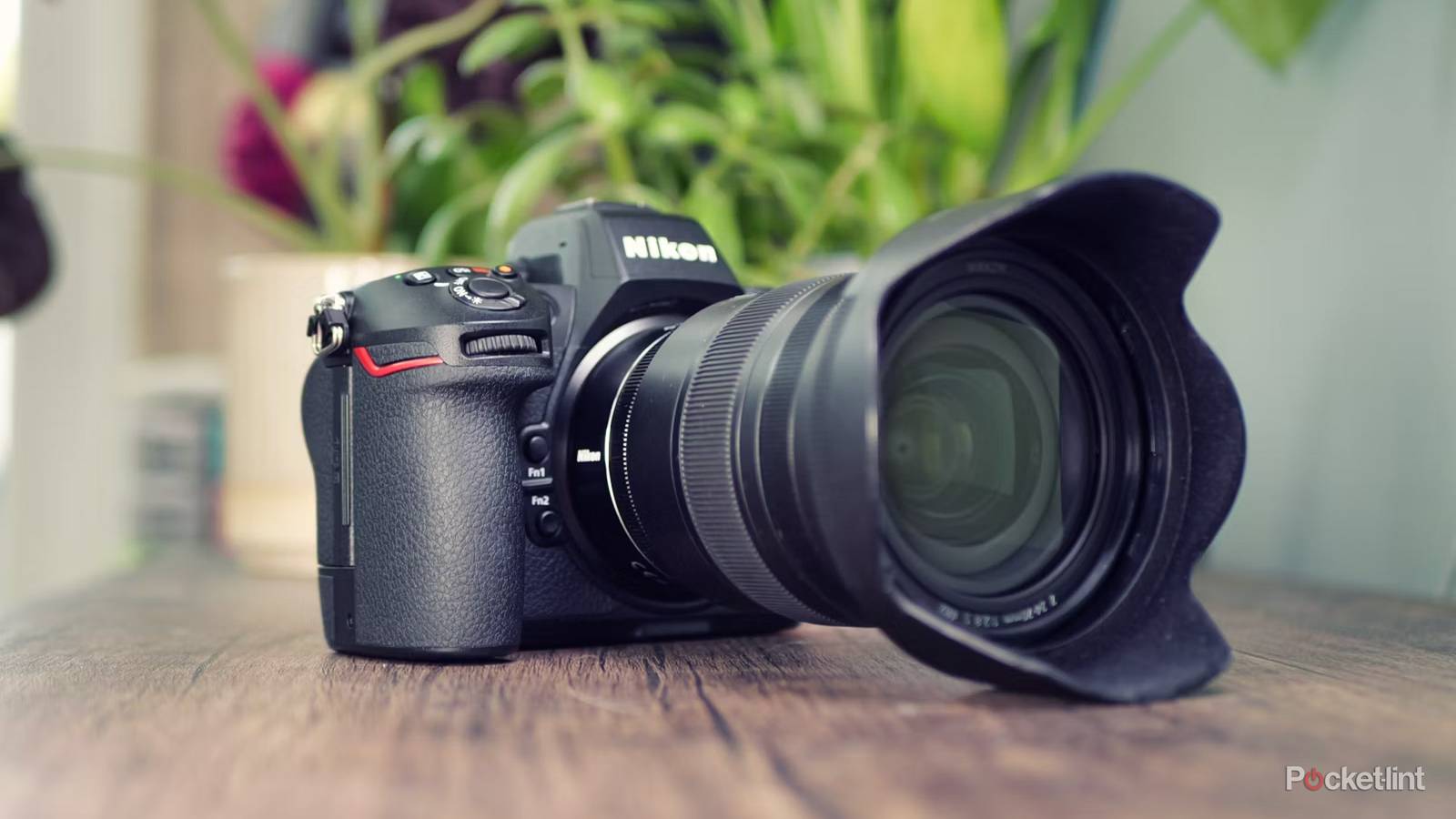
Unfortunately, the need to cram a sensor into such a tight space alongside other components means that standalone cameras will always have access to larger sensors. Whereas the iPhone 17 Pro’s main (wide-angle) camera has a 71.5mm² sensor, something like the Nikon Z8 steps up to 860mm² — about 1.7 inches diagonally. You can make other comparisons that are more favorable to smartphones, but realistically, there will always be a gap.
This mostly matters when it comes to getting clean images in low light, for the reasons I explained above. When you’re shooting at night with a phone, there’s a lot of AI wizardry at work to produce a usable image, and even then many shots will come out noisy and/or blurry. Conversely, high-grade standalone cameras can shoot sharp and clean on a regular basis, no matter if you end up fiddling with aperture, shutter, and ISO settings to do it. During the day this translates to improved action photography, since it’s easier to freeze the fastest motion.
I’m expecting smartphones to continue making progress in this area. As they do, though, you can be sure that standalone cameras will stay a step ahead.
Full-size lenses offer way more flexibility
And nicer bokeh to boot

Photography is ultimately about collecting light. Naturally, then, having a large, protruding lens is going to help. On a simplistic level, it’s the difference between catching rainwater with a bucket instead of a coffee cup.
There’s a lot more going on, obviously. For one, those larger lenses offer more aperture control, affecting not just the amount of light but depth-of-field. That means that you can potentially keep everything in focus in one shot, but in the next, throw the aperture wide open to blur out everything but your main subject, increasing shutter speed and/or decreasing ISO to balance exposure. That focal-based blur is known as bokeh.
Wait a minute, you might be thinking — I’m already getting a cool bokeh effect on my phone. Unfortunately, due to the optics of smartphone lenses, it’s difficult to achieve shallow depth-of-field in all the same situations that standalone cameras can. Instead smartphone makers are usually simulating bokeh through software, and it’s less appealing than the real deal. If you pay close attention, you’ll often notice botched edges where your phone didn’t accurately separate the background.
Standalone cameras also tend to support interchangeable lenses, and their glass does a better job of correcting for aberrations. Most importantly to me, those lenses frequently allow for greater zoom ranges without resorting to cropping or AI “enhancement.” Using the iPhone 17 Pro as an example again, its native optical zoom tops out at the equivalent of a 100mm lens. Many standalone cameras shoot further than that with ease. Back when I was doing wedding shoots and model portfolios, my favorite lens was a Nikkor 80-200mm, and of course you can get 400mm, 600mm, or even bigger telephoto lenses if you’re trying to cover sports or wildlife.
Dedicated controls and processors speed things up
What would you choose to cover an F1 race?

You can actually exercise a lot of control over your smartphone camera if you download third-party apps. Though stock ones are meant to keep things simple, advanced third-party options will unlock hidden functions like manual shutter, ISO, and white balance settings. When it comes to pro video, apps like Filmic Pro are the only way to fly.
All of these apps share a fundamental limitation however, which is that you’re expected to shoot using touchscreen gestures, or at best a combo shutter/zoom button. It’s tough to exercise spontaneous creative control, since you can end up digging through menus to make relatively basic changes. That delay may not matter if you’re shooting a static subject — but if you’re covering a live event, it can mean the difference between scoring an all-time classic image or missing a shot completely. All the extra knobs, dials, and buttons on standalone cameras make it possible to change things like aperture, shutter, ISO, and focus without taking your eyes off the prize.
More than that, standalone cameras are engineered for a single purpose, and so often do it faster, thanks in part to specialized processors. Phones can shoot in bursts, but often for just a few seconds and at slower speeds. You might run into similar limitations with some standalones — yet the best ones can shoot faster and for several times as long. On top of this, they regularly offer superior subject tracking, even prioritizing eyes when you’re within portrait range.
AI doesn’t get in the way
A matter of degrees

To cope with all the limitations I’ve talked about, smartphones are heavily dependent on AI-based processing, as I’ve touched on a few times already. They play with highlights, shadows, noise reduction, and more to salvage dark or blown out images. They correct for perceived color issues. They fake bokeh. In some cases, they fake detail where it doesn’t exist to keep digital zoom looking like more than a blurry mess.
Standalone cameras do plenty of processing, to be sure, but only when you’re shooting in a non-RAW format like JPEG, and even then it tends to be more conservative. The benefit of this isn’t just more natural-looking images — it’s reduced lag, since there’s less processing to do. When you hit the shutter on a Canon, Nikon, or Sony camera, the results are instant, whereas there’s often a brief delay with smartphones.
It’ll be interesting to see how this situation evolves. While there’s not much call on a pro camera for, say, something that adds a kitten to the background or fakes a close-up of the Moon, it’s probably just a matter of time before more in-camera editing options creep in.

- Brand
-
Nikon
- Sensor Size
-
Full frame
- Video Resolution
-
up to 4K60 cropped / 4K30 full frame
- Photo Resolution
-
24.5MP