

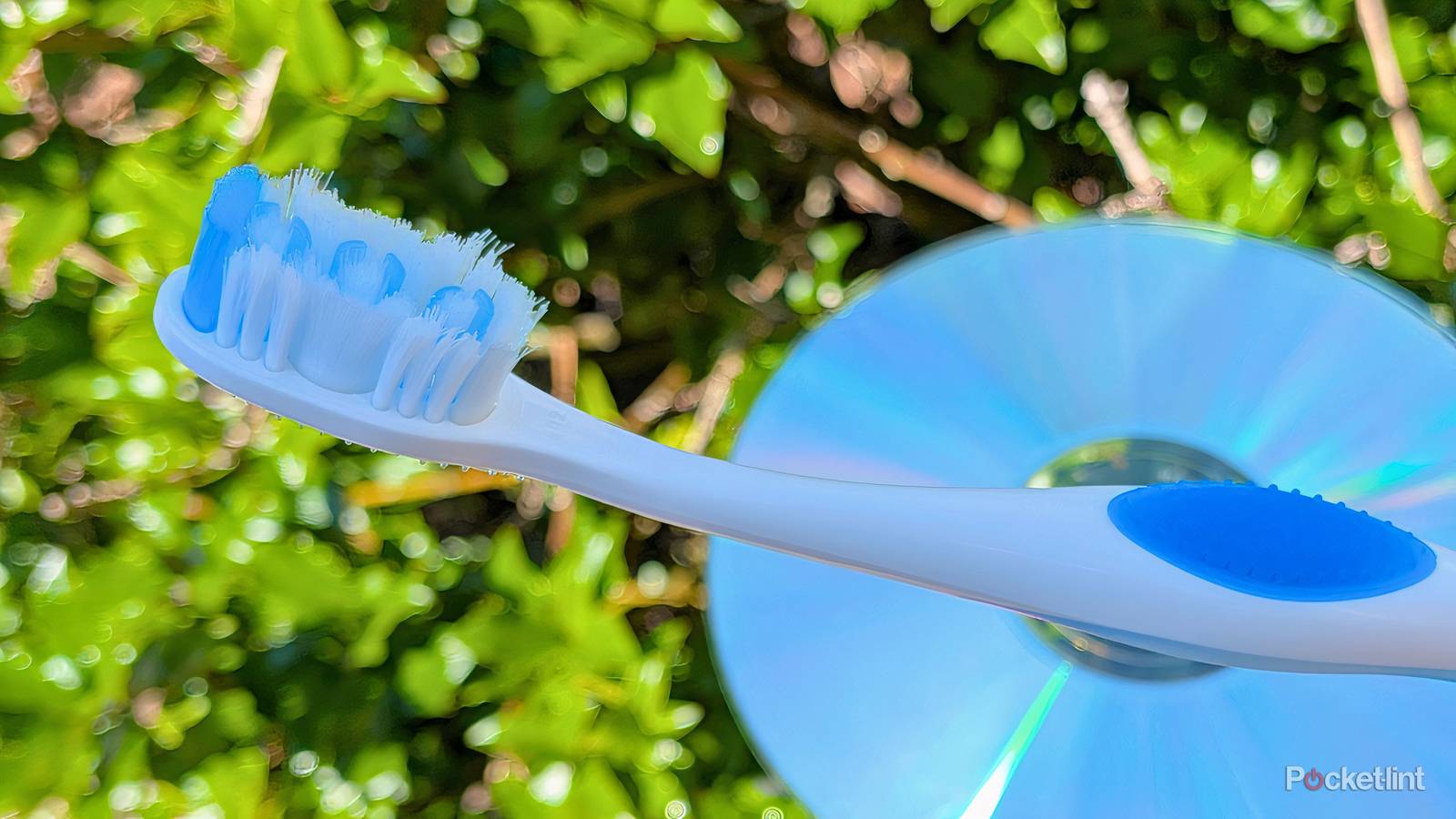
Modern-day Blu-ray and 4K UHD discs come standard with an anti-scratch layer, but this isn’t the case for CDs and DVDs. If you have a well-worn collection of the latter disc types, you’ll be all too familiar with how easy it is to scratch their readable sides.
Previously, I had assumed that the scratches on my discs were a permanent fixture, but, as it turns out, it’s more than possible to polish them out — all you need is a little time and know how. With the right tools, you can have your CDs and DVDs looking almost brand new in a jiffy.
How to restore your scratched-up discs
There are several ways to go about the restoration process
Now, with that out of the way, here are the steps to remove disc scratches using what I like to call the toothpaste method:
- Place a (very, very small) dab of toothpaste onto a spare (soft bristled) toothbrush.
- Using the toothbrush, rub the toothpaste into the scratches of your disc, and do so in small, circular motions.
- Wipe the disc with a damp microfiber cloth or towel, and then let it air dry.
In lieu of toothpaste, you can also use other products like dish soap, car wax, or plastic polish. The efficacy of each product in question is highly subjective, with some people swearing by one solution or the other. There are also purpose-made repair kit solutions that can be purchased from retailers.
Note that in some cases, a scratch-free disc can theoretically have trouble being read by a player due to micro abrasions that aren’t visible to the naked eye. Likewise, there are times when a scratch-filled disc will play back its contents without issue. Scratches aren’t always a one-to-one indication of a disc’s ability to be read.
Consider a repair machine or a resurfacing service
For added peace of mind

Relying on the toothpaste method comes with risks, as it’s possible you’ll accidentally damage the delicate data layers of your discs while polishing out the scratches. Personally, I’d recommend having your discs professionally resurfaced, which is a service that is sometimes offered at computer stores and game stores.
Likewise, you can purchase your own purpose-designed polishing or resurfacer machine for your discs from online storefronts like Amazon, though I’d be cautious: cheap models are unlikely to produce desirable results, and high-quality machines can cost upwards of hundreds of dollars on average.
Having your old disc collection resurfaced professionally is the best route, in my opinion, if you have surface-level scratches on your discs. You get some added peace of mind, and the resurfacing process only sands down the disc by a small amount. For deeper scratches, I’d recommend starting off with the toothpaste method, which will fill in the scratches without the need to sand down the disc by a more substantial amount.