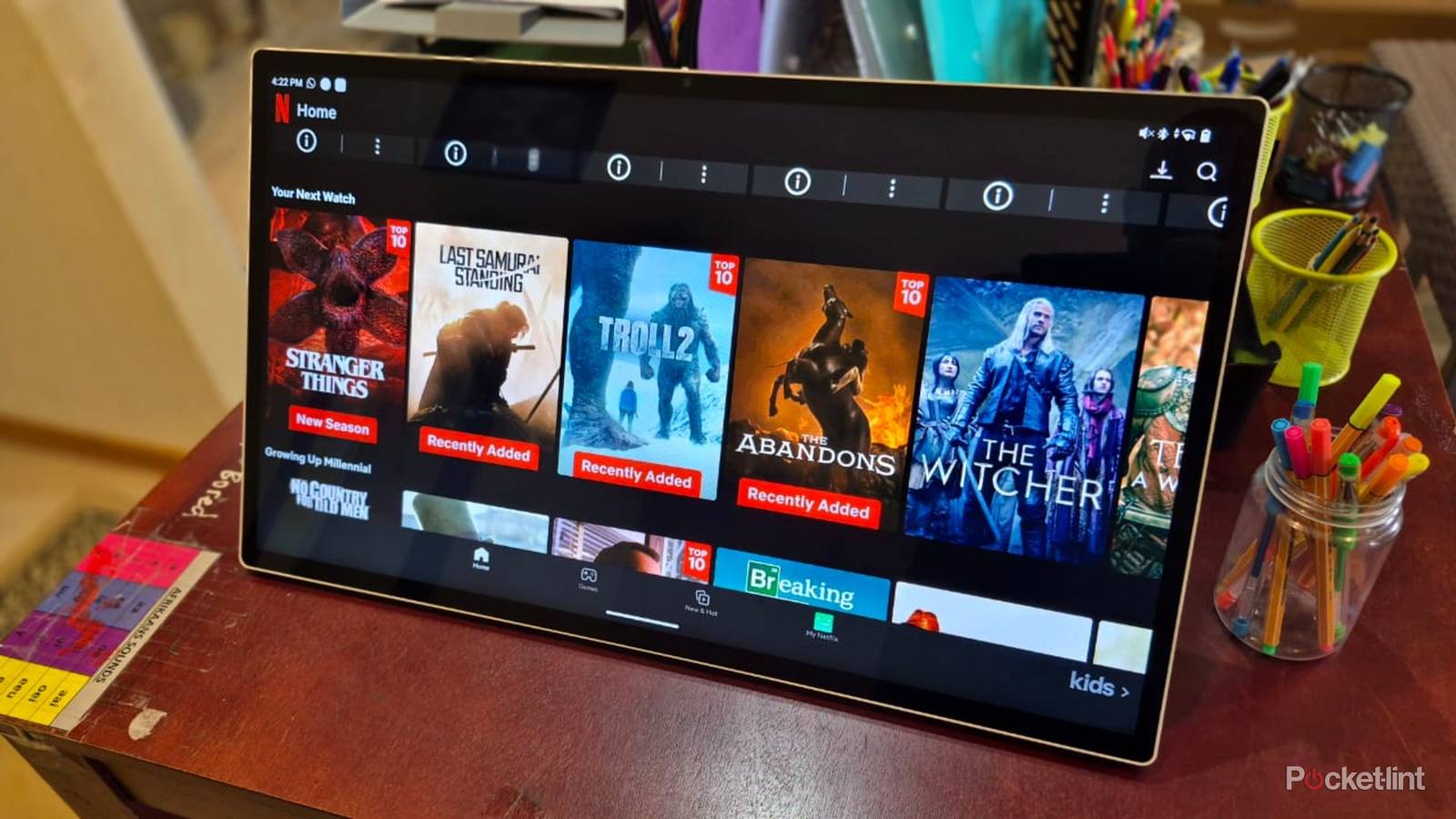
Streaming services may be convenient, but they can remove the movies or series I like at any time and force me to look elsewhere for my favorite titles. I’m jumping back into physical media to solve this issue, but cheap Blu-ray and 4K UHD discs aren’t readily available where I live. Buying digital copies is the same as renting, and also carries risks.
Digital copies from platforms like Amazon Prime Video and Fandango aren’t cheap, and there’s a risk of losing them if there’s an issue with the platform or if the studio’s licensing rights expire. We’ve all seen platforms remove titles, and my digital copies aren’t safe despite spending my hard-earned cash on them. This brings up the question of ownership. Do you own the digital content you buy? It’s more complicated than you think.
What’s the difference between buying a physical and a digital copy?
Copyright and licensing rules

You own the copy when you buy a physical disc, like Blu-ray or 4K UHD. You can watch it as many times as you like, but the first-sale doctrine still binds you. This means you aren’t allowed to make copies and lose ownership of the copyright if you decide to sell, swap, or trade it with someone else.
Most disc media are sold for home and private use, and playing them in public usually requires a license. The best thing about physical discs is that they’ll work as long as you have a player and there’s no way for the studio to recall or disable them due to licensing or other issues.
You aren’t authorized to create another copy, and reselling, swapping, or trading your digital media is forbidden.
Digital copies are subject to different copyright laws from physical discs. When you buy a digital copy, you are not buying the physical product; you are only purchasing a license to view the content, subject to terms and conditions. You aren’t authorized to create another copy, and reselling, swapping, or trading your digital media is forbidden.
It’s easy to get confused because streaming services market digital copies as one-off purchases and hide the terms and conditions in complicated user agreements that we don’t bother reading. If we did read them, we’d understand that digital media purchases can be canceled or revoked at any time without compensation.
What do I get when I buy a digital movie?
Different rights to physical discs

As mentioned earlier, you get a license to view the movie on the platform. You may be able to transfer it between your various devices and store a copy for offline viewing. You can also use platforms like Movies Anywhere to transfer all your digital movie purchases into a single library for convenient access.
The digital movies you download are usually encrypted and only viewable within the compatible app. You can’t watch them on unauthorized devices or copy them onto USB sticks or external drives. Buying a digital movie is essentially a long-term rental you can view without paying extra fees for its duration on the platform.
What do I get when I buy a digital video game?
Play while you can

It’s a similar situation to movies. When you buy a digital game, you get a software license to play it on a platform, and it’s usually linked to a specific storefront, like Steam or the PlayStation Store. You can’t trade, sell, or share these games with friends because you don’t have a physical disk.
You will also lose any characters, skins, and other purchases you’ve made when live-service games eventually shut down.
The games you buy can be updated or removed from the platform at any time. You will also lose any characters, skins, and other purchases you’ve made when live-service games eventually shut down. Stores eventually end support for older consoles, and you won’t be able to access titles without a physical disc.
What do I get when I buy a digital book?
It depends on the book and platform

This varies depending on the platform. For example, if you buy a book on Amazon, you get a license to access it on compatible Kindle devices or apps. You might still be able to share certain titles with friends and family members under strict rules and timeframes. Other platforms, like eBooks.com, offer downloadable PDF or EPUB files that can be viewed on various hardware using the compatible reader apps.
The stores or publishers can remove books from their platforms at their discretion and even edit the online versions if they like.
Most ebooks have Digital Rights Management (DRM) protection. This means they are locked to certain hardware, apps, or user accounts. You can view them in the authorized ecosystems, but aren’t allowed to resell or trade them. The stores or publishers can remove books from their platforms at their discretion and even edit the online versions if they like.
Do you own the digital content you buy?
You won’t like the answer

In most cases, you don’t own the digital copies you buy and only have a license to access them. You aren’t allowed to share the content because you don’t own it, and there’s no guarantee it will be available in the future. I can’t own physical copies of all the media I like, but I still do my best to acquire my favorite books, games, and movies to keep forever.

- Brand
-
LG
- Display Size
-
42, 48, 55, 65, 77, or 83 inches
- Operating System
-
webOS
- Display Type
-
OLED
- Display Resolution
-
4K
- Refresh rate
-
165Hz (with VRR)