What is Dolby Vision Filmmaker Mode?
If it ain’t broke, don’t fix it

If you’re unfamiliar with Vision itself, the short version is that it was the first consumer HDR standard, and remains the king as far as a lot of cinephiles are concerned. Like any other HDR (high dynamic range) format, it enables brighter highlights, better shadow detail, and a broader color gamut. There are a few things that make it special, beginning with the fact that unlike HDR10 or HLG, it’s dynamic — metadata can adjust on a scene-by-scene or even frame-by-frame basis, giving filmmakers high control. In theory, on a TV with the right specs and settings, you should never see a scene with blown-out highlights or crushed shadows.
Vision also supports 12-bit color, and brightness up to 10,000 nits. HDR10+ can handle these things too, contrary to some myths, but Dolby was ahead of the game. In fact we’re only now entering the era of TVs that can reach 10,000 nits, and you simply won’t find a consumer set with a 12-bit color pipeline. There’s not much incentive for one, given that even 10-bit color contains shades your brain can’t detect.
Commonly, TVs offer two modes for Dolby Vision: Bright and Dark. Dark is the default, working on the assumption that you’re going to be viewing in a dim or pitch-black space. In practice, of course, many people should switch to Bright, since we’re not all vampires, and if your TV isn’t the best, some scenes could appear too dark regardless. That’s something Dolby is looking to fix with Vision 2, which I’ll elaborate on later.
The trouble with these modes is that if you care about accurate representation, they may still be leaving some of your TV’s post-processing options intact. That probably sounds alright to you if you’re a casual viewer, even preferable — but too often, that processing actually wrecks image quality. Excessive brightness, contrast, saturation, and/or sharpness can reduce detail, as can noise reduction. There might also be an unusually hot or cold color temperature. The worst offense, in my books, is having motion smoothing on. In 2026, it’s often unnecessary, and with anything but movie-oriented presets, it’s liable to produce the dreaded “soap opera effect” for video running at 24 frames per second. This can make a $200 million blockbuster look like it was shot on a videotape camera from the ’90s — hence the name.
Vision’s Filmmaker Mode is similar to the general Filmmaker Mode your TV might have. It disables any contrast, saturation, or sharpness enhancements, along with noise reduction and motion smoothing. It also locks your TV to the D65 white point, which is an industry standard. The goal, ultimately, is to save you time — if you’re after a director’s intended look, you don’t need to bother changing anything else once Vision’s Filmmaker Mode kicks in.
Which TVs have Dolby Vision Filmmaker Mode?
A limited but growing selection

The first TVs to carry the mode were a handful of LG OLED sets released in 2024, namely the C4, G4 and B4. Since then the tech has spread to other models and brands, such as Philips and TCL, but you may have to do some digging to discover which ones, for instance by talking to existing owners or contacting tech support. It’s not exactly a flagship feature like RGB mini-LED.
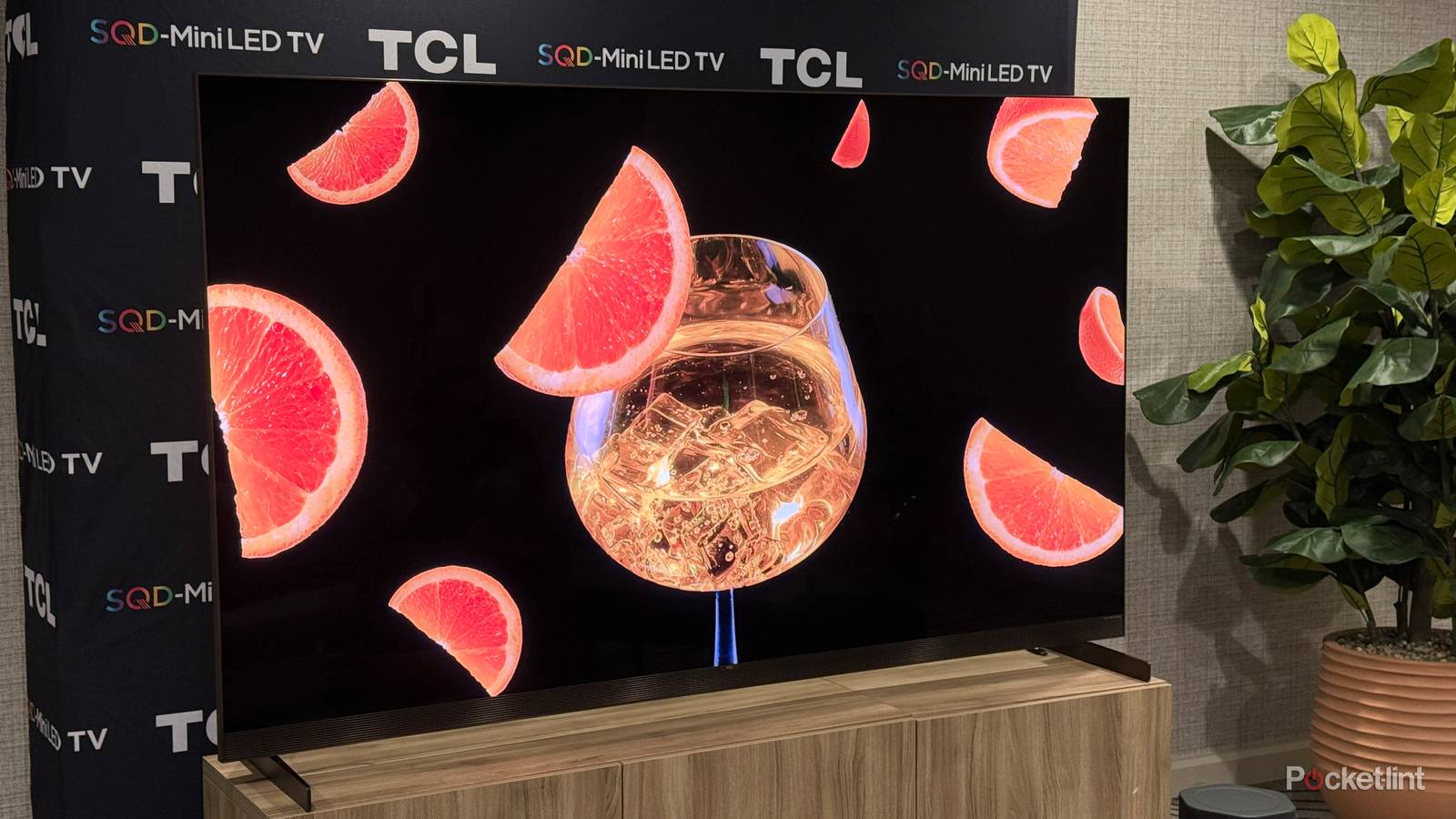
In May 2026, however, TCL announced a firmware update for a variety of its TVs, including models dating back to 2023. What you’re looking for is v643 or later, which is coming to the following models:
- X11K
- C8K
- QM8K
- C7K
- QM7K
- C6K
- QM6K
- C855
- C805
- C955
- X955
- QM851G
Don’t panic if you’re not seeing the update yet. It’s not uncommon for TV makers to pursue a slow rollout, which eases the infrastructure burden and gives the company a better chance to fix things if a bug is discovered.
A common factor with the TCL sets is MediaTek’s Pentonic 700 processor. As HDR and AI features evolve, the demands on TV processors are becoming more intense, even if they can’t hold a candle next to your console or gaming PC.
Are there any downsides to the mode?
Your mileage will automatically vary

There can be, just as there are with any other version of Filmmaker Mode. If you’re used to more heavily altered picture modes, it’s liable to seem “flatter” at first, drained of some of the contrast and saturation you’ve experienced up to this point. You should get used to that, hopefully. You’ll appreciate the extra texture in images, and the whole point of Vision is to deliver strong colors and contrast no matter what.
Also, when it appears, Filmmaker Mode is effectively a replacement for Dolby Vision Dark. If you’re already having problems with unintelligible scenes, Filmmaker isn’t going to solve them, and may actually make them worse — you are, after all, losing any tweaks you may have made to compensate. Consider trying Bright mode first, and dialing back processing on your own terms. The good news is that if you do choose Filmmaker Mode, you should still be able to make adjustments to basic aspects like brightness and contrast.
A more permanent solution to Vision’s darkness problems may have to wait until you buy a TV with Dolby Vision 2. Improving shadow detail consistency is a major focus of the upgrade, helped in no small part by better tone mapping across a wide range of TV specs. To translate, you won’t necessarily need a high-end OLED or mini-LED set to appreciate the improvements.
Vision 2 also offers expanded metadata for creators, including the ability to adjust motion smoothness levels on the fly. That should hypothetically provide the benefits of smoothing without the downsides, though I’ll have to wait to see how that pans out in progress.
Unfortunately, it’s not just my budget I’m waiting on. Vision 2 is only rolling out to TVs later this year, and most existing models don’t have the necessary horsepower. On top of that, studios have to remaster their content to take advantage, so it could be a while before your favorite movies and shows are enhanced. You probably won’t be watching anything in Vision 2 until 2027 or later.