At the time of their most recent filings with the Federal Election Commission, the collection of related PACs had about $164 million on hand at the end of April, though they were spending at a rapid clip.
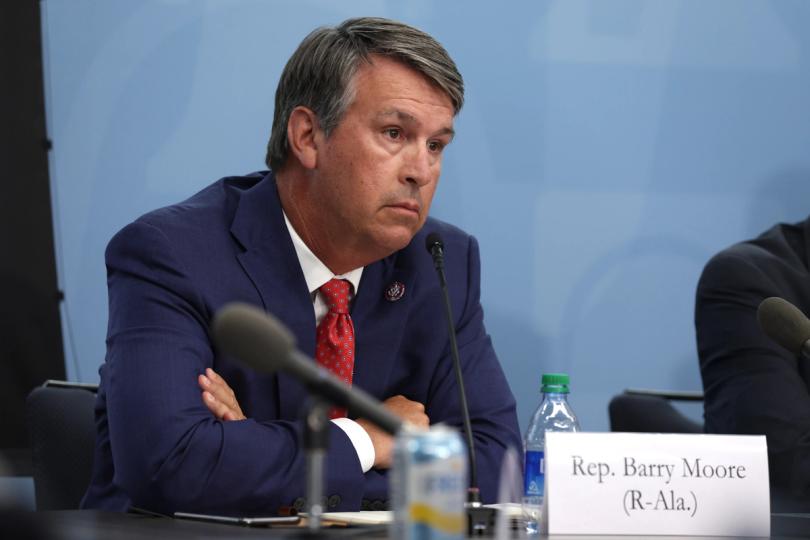
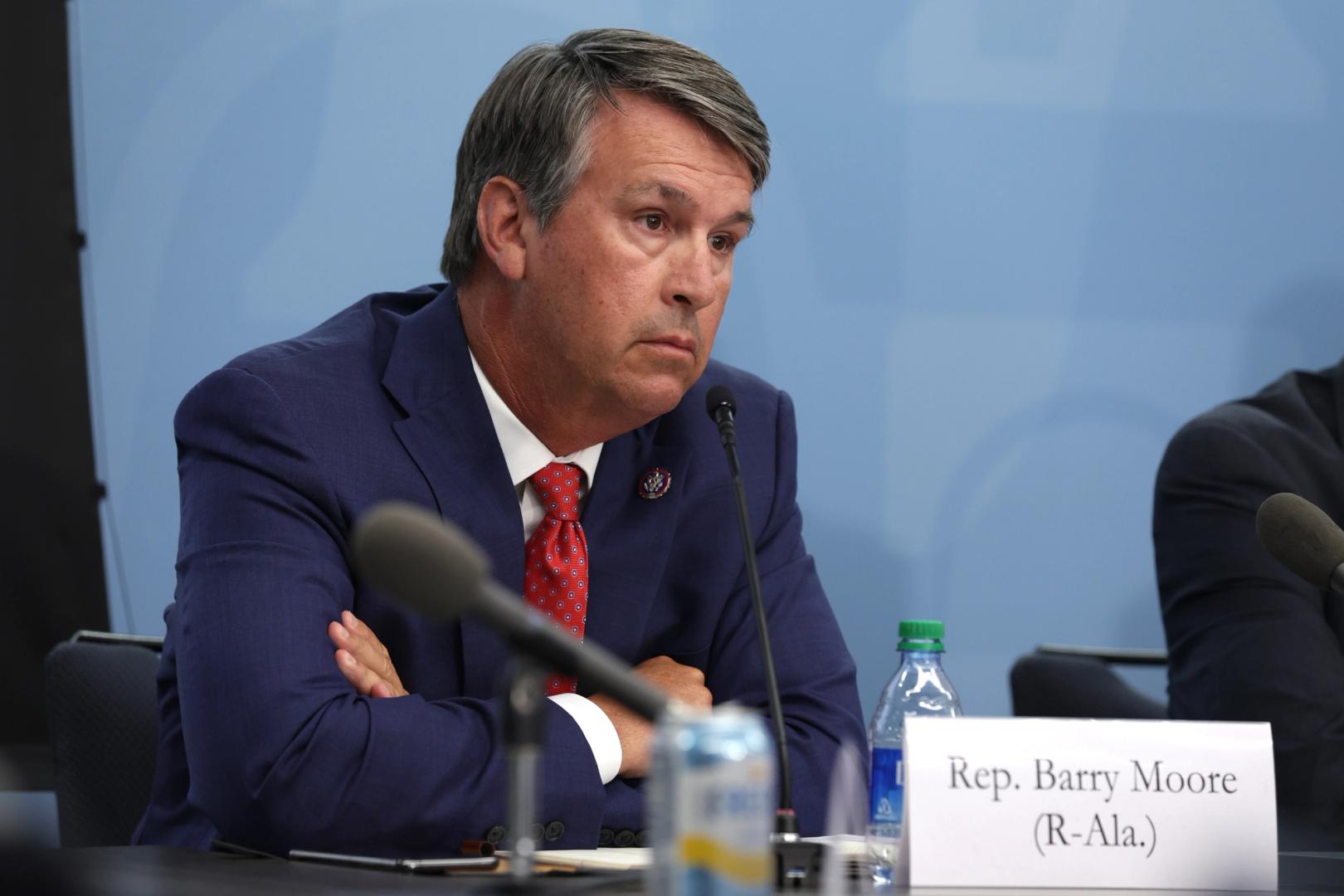
Tuesday’s result — with Moore taking almost 56% of the vote — will likely counter the industry’s setback in Illinois, where Fairshake spent more than $10 million trying to defeat Lt. Gov. Juliana Stratton, who went on to claim victory in the Democratic primary, all but guaranteeing that the next Senate would have a member who crypto interests spent heavily against. Most of Fairshake’s outcomes have been successful, though, and the latest win joins what’s shaping up as a full roster of successful primary candidates backed by the super PAC.
Moore, who was also backed by the crypto-tied Fellowship PAC, hopes to trade his seat in the U.S. House of Representatives with the Senate position held by Republican Senator Tommy Tuberville, who made a bid for governor.
Fairshake also devoted $735,000 to U.S. Representative Kevin Hern in this week’s Oklahoma Republican primary, where he won his party’s Senate nomination. Like Moore, Hern was also endorsed by President Trump.
Fairshake is mostly backed by three crypto-world contributors: Coinbase, a16z Crypto and Ripple. The PAC made a name for itself in the previous congressional campaign cycle, when it supported more than 50 pro-crypto candidates (from both major parties) who’ve participated in this session of Congress, outpacing a number of leading industry PACs and even some of the largest party organizations.