

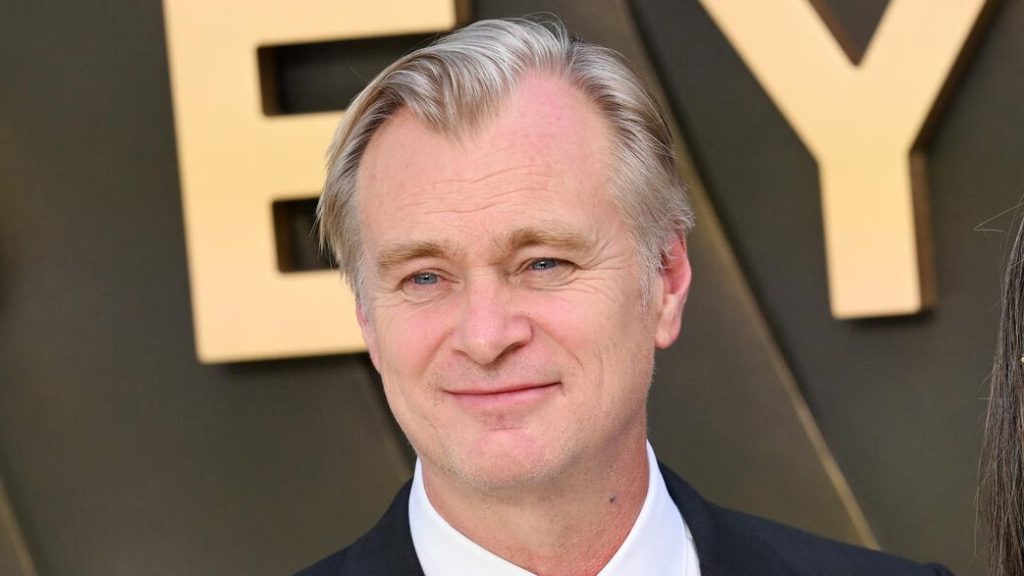
As Christopher Nolan prepares to take viewers on an Imax odyssey, he’s hopeful for the future of filmmaking without the use of AI.
The 2x Oscar winner admitted that not all applications of artificial intelligence are “useless of meaningless,” he explained that generative AI is “hitting at exactly the wrong time” for Hollywood.
“I’ve never seen a more rapid wholesale dismissal of a supposedly foundational jump in technology in my lifetime,” Nolan told The Telegraph. “So much energy has been expended on bringing in AI, but if you look at that generation’s reaction, they’re utterly rejecting it.”
Citing his own kids as an example, Nolan added, “Their judgment of AI slop has been immediate and harsh. They see it for what it is very quickly – and it’s much easier for them to identify it, because it grew out of an online world they know really well. And while that doesn’t mean that every aspect of the technology is useless or meaningless, in film-making it’s hitting at exactly the wrong time. After years of driving towards heavily virtual environments, we’re seeing a renewed interest in more tactile, more real forms of storytelling.”
Nolan praised young filmmakers like Obsession director Curry Barker and Backrooms‘ Kane Parsons for their use of practical effects when possible, noting “young people can’t get enough of” their work.
“I think cinema is vital and essential and continues to transform itself – we’ve got all these great new young voices in movies, making the medium their own and moving it forward,” added Nolan.
The use of AI in Hollywood continues to be a hot-button topic in recent years. SAG-AFTRA has endorsed the Trump administration’s AI policy framework, which calls for Congress to enact legislation that includes parental controls, intellectual property rights protection, First Amendment protections, expanding AI workforce development, allowing data centers to generate their own power and removing legal barriers that limit AI innovation.
Last month, Trump signed an executive order for voluntary framework in which AI companies would provide the government with access to new models for a 30-day review period before their release.