Huw Edwards was lambasted by child abuse campaigners yesterday after using his new blog to try to excuse his behaviour.
The disgraced former BBC newsreader, convicted of making indecent images of children, suggested a mental disorder eroded his judgment.
But his debut post drew an immediate backlash.
Emma Jane Taylor, founder of sexual abuse charity Project 90-10, told The Mail on Sunday: ‘Why would anyone want to read about a registered sex offender’s ‘poor me’ story? What about listening to the victims?
‘And why he is entitled to a platform? Remember, every one of those images represents a real child who has been harmed.
‘Accountability matters but so do the victims, and what troubles me is that this is all about Edwards and not the children exploited in those images, how they were harmed, how it has affected their families.’
In 2024, Edwards admitted to accessing 41 images of children, including seven of the most serious type, and was given a six-month sentence, suspended for two years. Two of the images were of victims aged seven to nine.
In the Substack blog Edwards says he took ‘full responsibility for my reprehensible actions’.

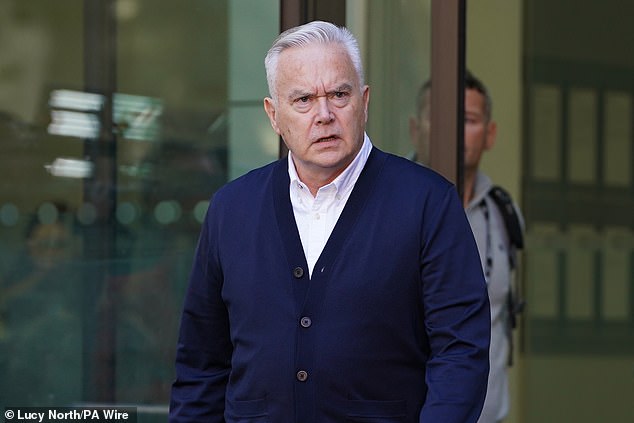
Campaigners have lambasted Huw Edwards as he uses a new blog to explain his sex crimes. Pictured: Edwards leaving Westminster Magistrates’ Court in September 2024

Edwards launched his Substack on Wednesday, stating he wanted to make a ‘positive contribution’ to ‘current affairs and cultural analysis, but also in the areas of mental health, overcoming trauma, and attempting to rebuild some kind of worthwhile life’
He adds: ‘Indecent images of children represent innocent victims. I am repelled by such images, and my sincere and profound apologies to every person affected do not diminish with time.’ Edwards, who presented News at Ten for decades, was one of the BBC’s highest-paid newsreaders but resigned in 2024 after his guilty plea.
Insisting that he was offering an explanation, not an excuse, he goes on to say that, while he has been open about his ‘struggle with persistent mental illness’, its severity was less well known.
‘For a long time it was managed,’ he says. ‘Then it wasn’t. The downward spiral that followed led to an appalling outcome, and the wreckage of that outcome is something I live with every day.’ He stressed, however, that mental illness was not an excuse for criminality.
But Ms Taylor, a survivor of child sexual abuse, said: ‘I know loads of people with mental health problems but not one of them did what he did.
‘It’s always about himself. What an ego. He groomed an entire nation into believing he was something he wasn’t and now he’s still trying to do it.
‘Go away, Huw, and use your energies to do something useful like working with offenders to try to stop them reoffending.’
In his blog, Edwards stresses that ‘mental illness can never be an excuse for criminality’.
Fflur Emlyn, of the Rape and Sexual Abuse Support Centre, said: ‘These images document the abuse of real children, and many survivors live with the long-term effects of that exploitation . . . We recognise that recent developments in this case, including a return to public platforms, can have an impact on survivors.
‘If anyone has been affected, support is available.’