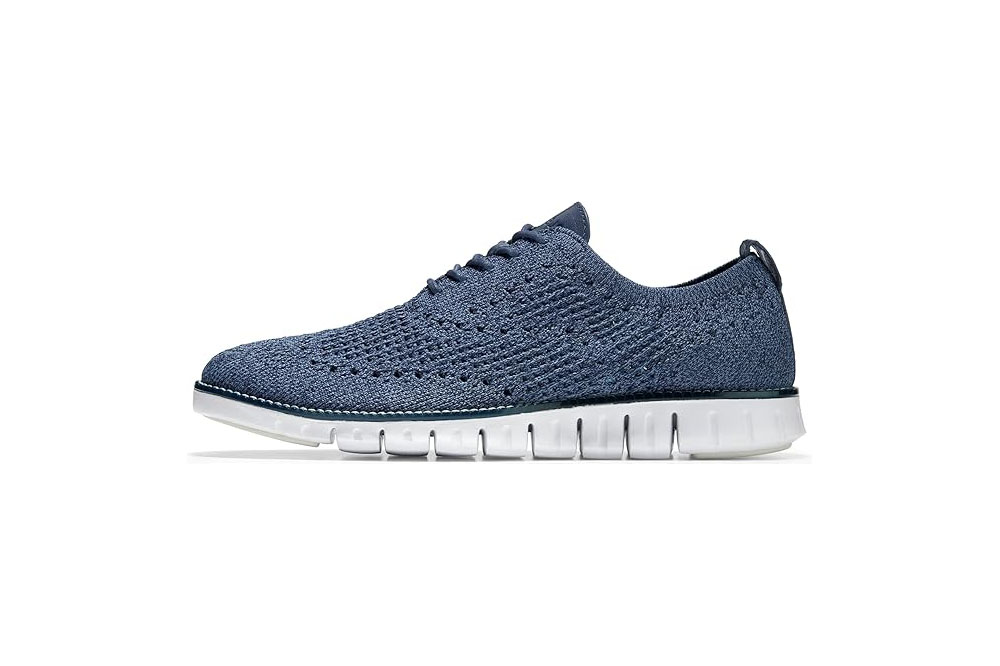

The conversation around athleisure vs classic style is no longer theoretical—it’s playing out in real time, on every street, in every airport, and increasingly, in places where a certain level of dress used to be expected. It is now noticeable without trying to notice it. That’s how in-your-face it has become.
There was a time—not that long ago—when stepping outside meant putting yourself together, not in an over-the-top way, but in a way that showed a baseline level of care. Proper trousers. Leather shoes. A shirt with structure. When dressing was a sign of respect for everyone else, let alone yourself.
Now, comfort has taken the lead. And athleisure has become the default. Just take one trip to the airport, where everyone is either in pyjamas or a sweat suit.
Where Athleisure Took Over
Athleisure wasn’t originally meant to replace classic style—it was meant to complement it. Performance wear that could transition into casual life. Brands like Nike and Lululemon built their identity on that flexibility.
But somewhere along the way, the balance shifted. And people decided to adapt weekend comfort for weekday wear.
Sneakers stopped being casual—they became universal. Sweatpants left the gym and entered daily life. The idea of “dressing up” started to feel optional, then unnecessary. If I even remotely dress up where I live, people ask me Where are you going?, as if I need a reason to look smart.
In the debate of athleisure vs classic style, athleisure didn’t just gain ground—it removed the boundaries altogether. The shift happened quicker than any other trend in style has before.
Classic Style Requires Effort—And That’s the Problem
Classic style asks something of you: To be purposeful.
It asks you to understand fit. To recognize materials. To accept that a proper pair of leather shoes might take time to break in, but will reward you for years afterward.
Athleisure asks very little. It’s immediate. It’s forgiving. It’s easy. It’s thoughtless. The issue is that when you are thoughtless in your self-presentation, where else are you ‘thoughtless’ in your life? Does thoughtlessness take over your being?
And when ease becomes the priority, effort naturally declines. That’s where the divide between athleisure vs classic style becomes most apparent—not in appearance alone, but in mindset.

When Comfort Becomes Entitlement
This is where the conversation around athleisure vs classic style goes beyond clothing and into mindset.
As a society, we’ve become increasingly resistant to anything that asks something of us. The default response now is: “Why shouldn’t I be comfortable? Why shouldn’t I dress how I want?”
And on the surface, that sounds fair. Of course, you should be free to dress how you want. But freedom without context tends to ignore something important—the environment.
Dress codes, whether spoken or unspoken, were never about restriction for the sake of it. They exist to balance the individual with the collective. To create a baseline of presentation that shows consideration for where you are and who you’re around. This level of decorum used to be second nature. Now, everyone treats it as if you are asking them for the world.
Sometimes that standard requires a bit of discomfort. But that discomfort serves a purpose. Remove it entirely, and you don’t get freedom—you get a gradual erosion of standards where everything becomes acceptable, and therefore, nothing feels intentional.
Yet, the idea that dress clothing causes discomfort is usually 1. In the mind, and 2. If real, is due to a bad fit. Dress attire fit properly can be just as comfortable as athletic clothing.

How Standards Disappear (Quietly)
Most people don’t consciously choose athleisure over classic style. They drift into it without even knowing it, until it nearly takes over.
We absorb what we see. If you grow up seeing your father wear proper shoes, chances are you’ll do the same. If you grow up seeing him in Crocs and gym wear as everyday clothing… well, the outcome tends to follow. It’s not a hard rule, but the pattern leans heavily toward replication over rebellion.
Scale that up, and you get something larger. Call it groupthink, call it social conditioning—either way, people tend to follow what they see around them. If you’re walking down the street and suddenly everyone starts running, you don’t stop to analyze it. You run too. The same logic applies here, just at a slower pace.
You walk into a shop, you see what’s being marketed, you look around and see what everyone else is wearing—and before long, what once felt casual becomes normal. What was once normal starts to feel overdressed. You feel awkward if you are the only one not doing it.
And just like that, the baseline shifts.
The Trap of Effortless Dressing
That’s the real trap. Athleisure presents itself as a harmless upgrade—more comfort, more flexibility, less effort. But over time, it quietly removes the expectation of effort altogether.
And once that expectation is gone, so is the curiosity to learn what came before it.
Why understand proper footwear if sneakers “work with everything”?
Why learn fit if everything is elastic and forgiving?
Why invest in quality if disposability is easier?
This is where the conversation of athleisure vs classic style becomes less about preference and more about awareness. Because most people didn’t actively reject classic style.
They just stopped thinking about it.
What Each Style Represents
This isn’t just about clothing/shoes—it’s about intention.
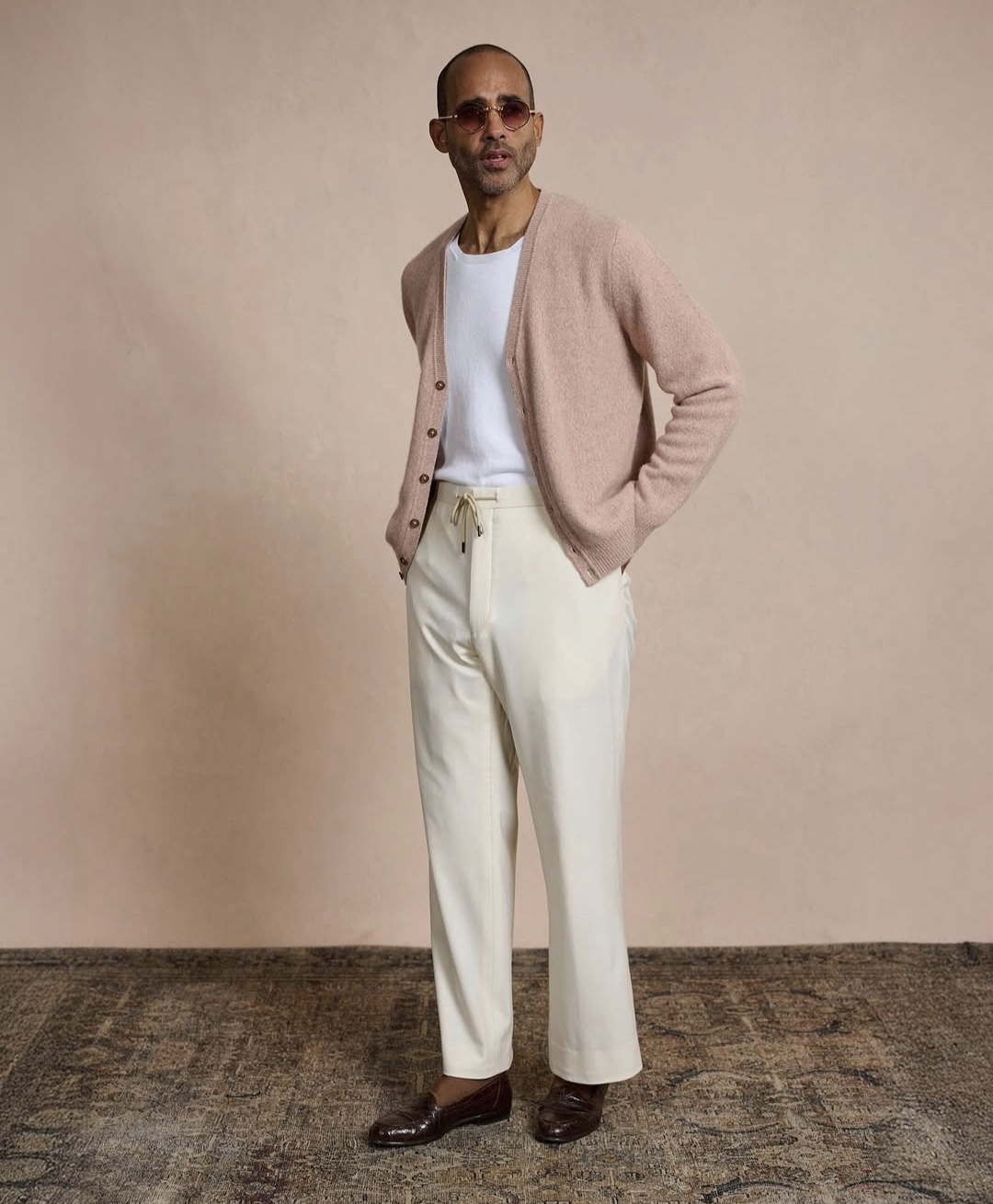
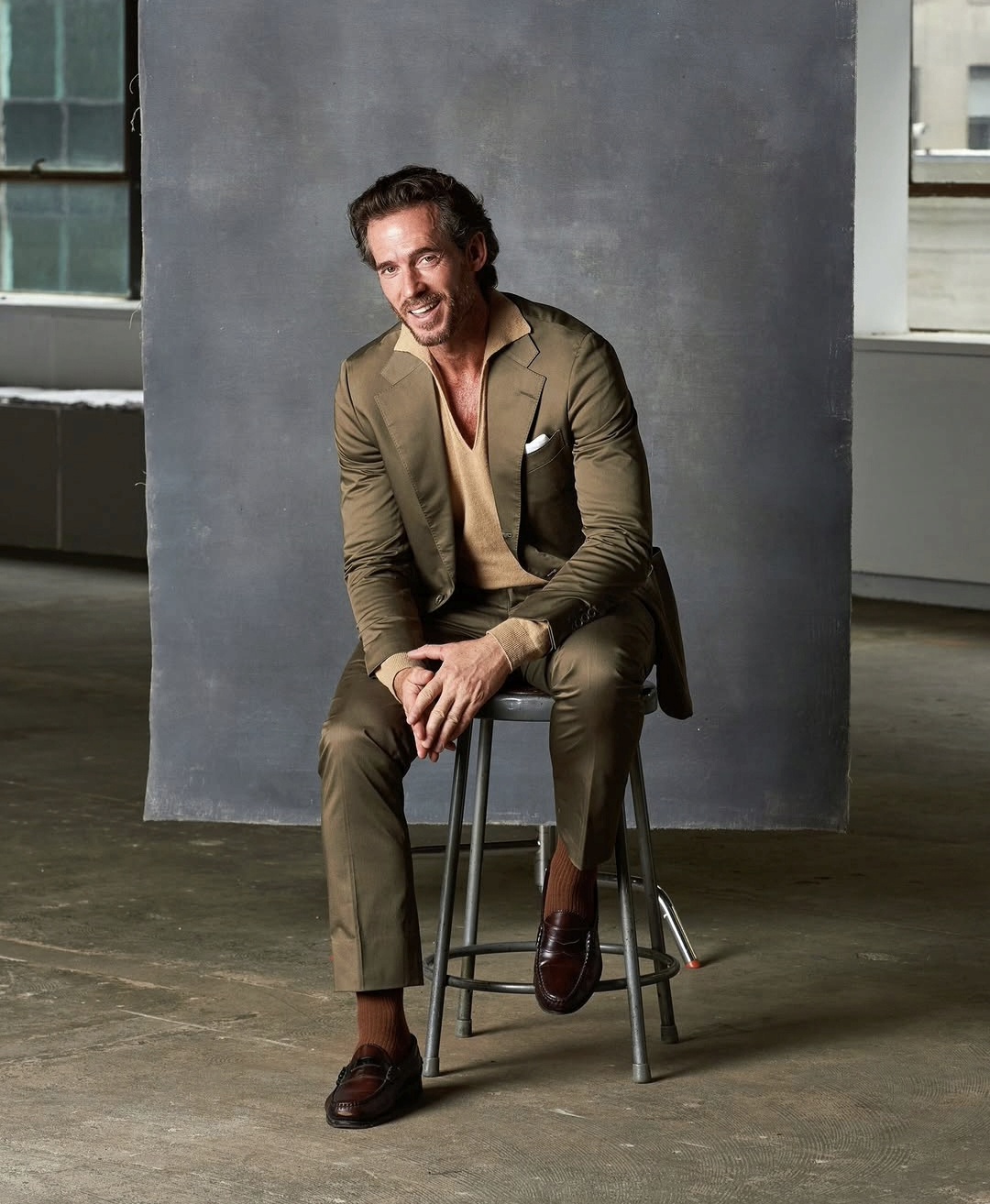
Classic style is built on:
- structure
- durability
- craftsmanship
- purpose
A well-made shoe, whether Goodyear welted or Blake stitched, exists to be worn, repaired, and worn again. It improves with time. It is the real definition of ‘sustainability’ – not throwaway attire.
Athleisure, by contrast, is built on:
- comfort
- convenience
- flexibility
- speed
There’s nothing inherently wrong with that. But it rarely prioritizes longevity or character in the same way.
So when you compare athleisure vs classic style, you’re really comparing two completely different philosophies of dress.
The Sneaker Shift
No discussion of athleisure vs classic style is complete without addressing sneakers.
They’ve become the universal solution. Worn with everything from denim to tailoring, often justified under the umbrella of “modern style.”
And yes, it can work. But more often than not, it’s not a stylistic choice—it’s a default.
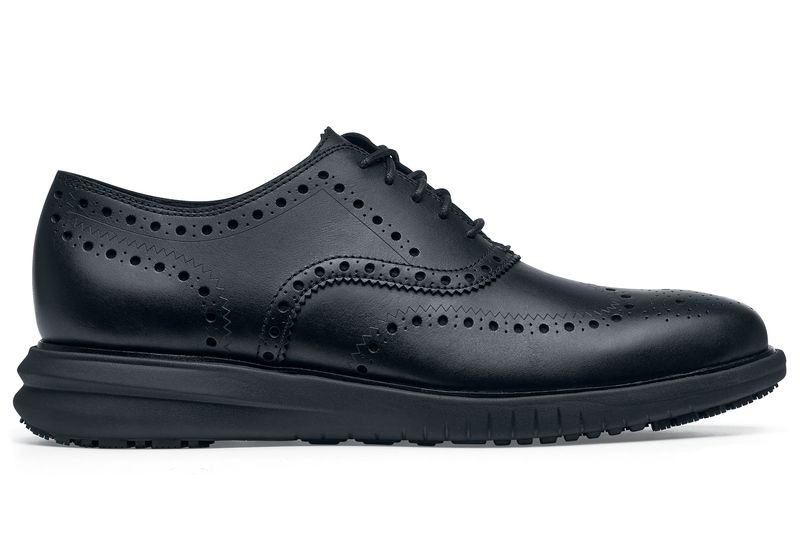
Because a proper leather shoe requires:
- the right fit
- the right last
- an understanding of sizing
Most people skip that learning curve entirely. So they choose foam over form.
And don’t get me wrong. I love sneakers. My love of shoes started with sneakers. But along the way, I grew up and learned when to wear sneakers and when to wear proper shoes. Each serve their purpose, occasion, and destination. Each worn to the extreme can be silly. It’s all about balance.


Is Classic Style Actually Disappearing?
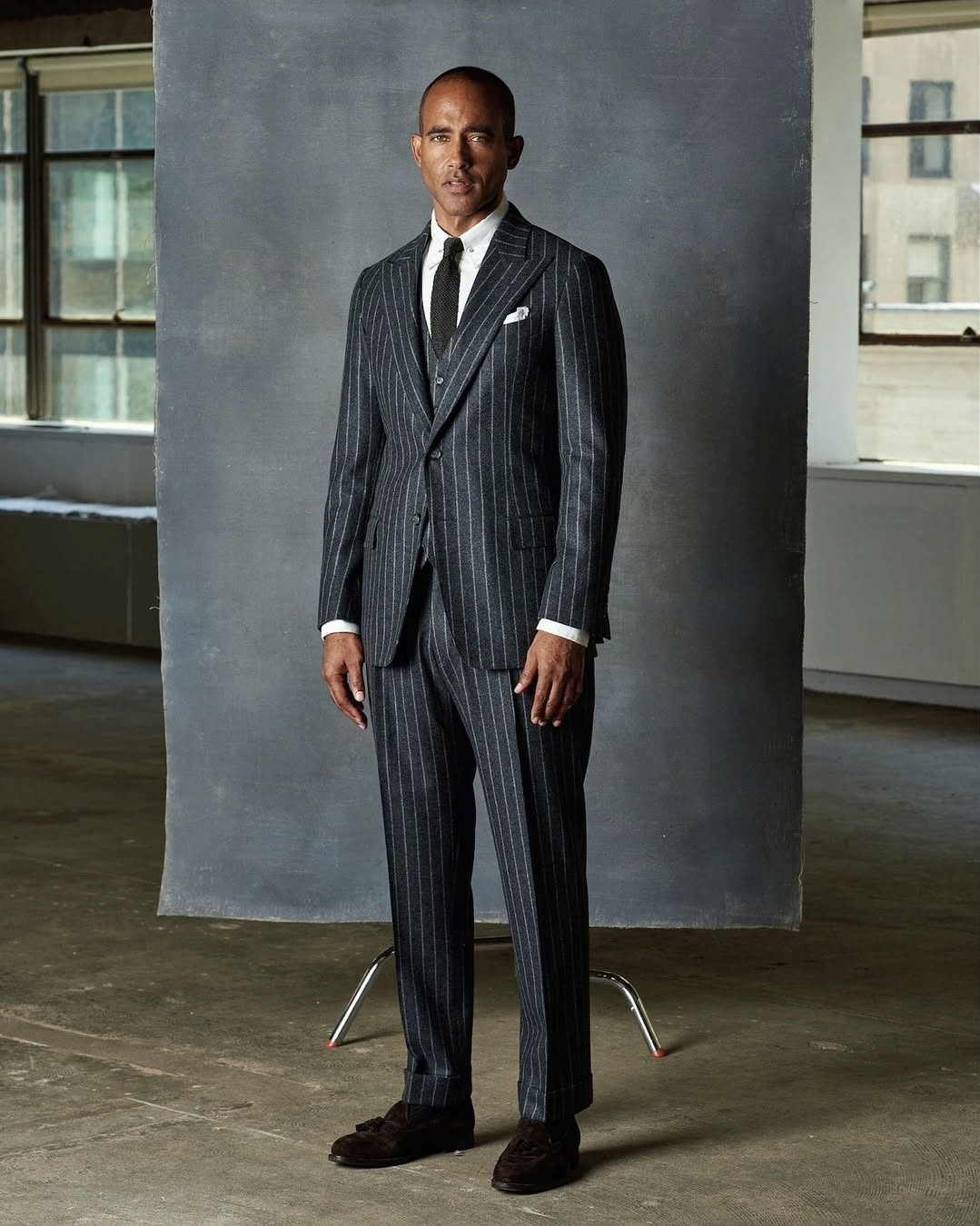
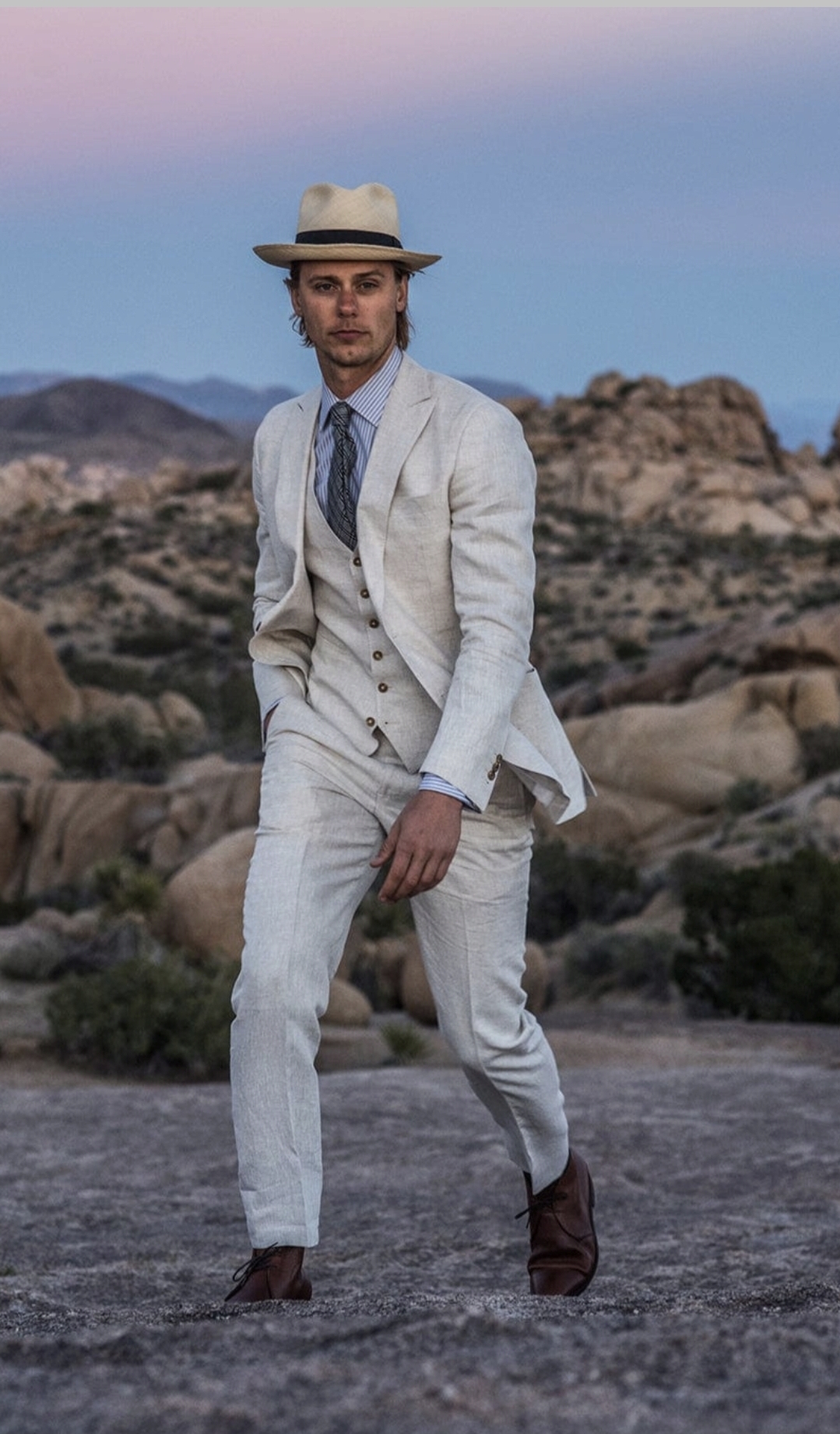
Despite how it may seem, classic style isn’t gone. It’s just no longer the baseline.
Instead, it’s becoming a point of distinction. The more athleisure dominates, the more noticeable it is when someone takes the time to dress with intention.
In a world of uniform comfort, effort stands out. And that’s where classic style quietly regains its value.
As long as men continue to dress well, it cannot die. No one in the history of the world ever stopped to say, ‘Wow, that guy dresses well’ when wearing a full tracksuit and sneakers. And that is what will keep classic style alive: The yearning to continue to impress (ideally for oneself, but ultimately for others).


Final Thoughts
The conversation of athleisure vs classic style doesn’t need a winner. Athleisure has its place. It serves a purpose. But it was never meant to define everything.
Classic style, on the other hand, represents something deeper—an understanding of quality, proportion, and presence.
The real issue isn’t that athleisure exists.
It’s that too many people stopped knowing when to choose something else.
For more thought-provoking posts, make sure to check out my Educational Section of archived blog posts.
—Justin FitzPatrick, The Shoe Snob
Shop · Marketplace · J.FitzPatrick · Patreon