



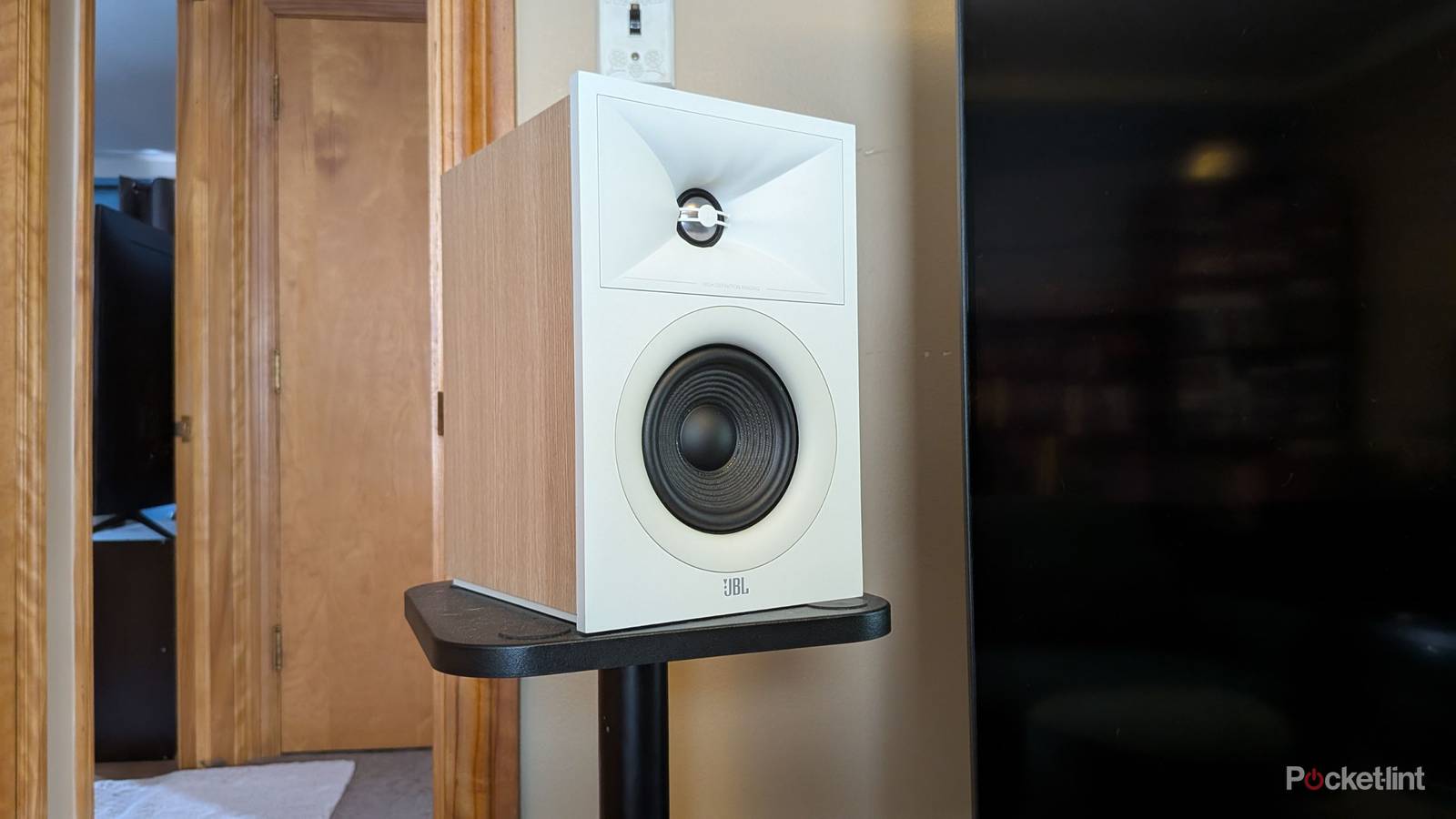
Soundbars are an excellent way to upgrade your TV audio, and it’s no wonder you see so many of them around considering how poor TV speaker quality has become over the years. My Sony Bravia X90J has abysmal speakers, and I couldn’t wait to get them upgraded. I ended up putting together a full Dolby Atmos surround sound system, so audio problems are a thing of the past for me. However, that’s not in the cards for a lot of people. Surround sound takes up a lot of space, and if you don’t want speakers and wires going all over your living room, you have to look elsewhere.
This is where soundbars come in. Soundbars take up far less space, and for a lot of people, they are good value. Many soundbars don’t break the bank, but there are quite a few high-end options out there. The TCL Q75H is a good option for a lot of people. It’s a 5.1 soundbar that comes with a dedicated subwoofer. The problem here is that it costs $600, although it’s available on Amazon for $500 at the time of this writing. Budget ranges get all sorts of mixed up these days, but I think many people would consider this to be a mid-range soundbar. The high-end model would be the Q85H soundbar, and that bumps the price up to $700 without a sale. The lower end option in this same line is the S45, which comes in under $200.
If that’s the budget you’re dealing with, you can actually put together a very solid speaker setup without going into a full-blown home theater. I’m talking about a 2.0 speaker setup, but you can even stretch it to a powerful 3.1 setup for the same price as one of those high-end soundbars. Yes, you’ll be missing out on the surround sound these bars offer, but you can easily argue the Q75H soundbar doesn’t actually have surround sound since all the audio is coming from the bar itself. It might sound like surround sound. but it’s achieving this through trickery.
Soundbar replacements aren’t all expensive
Modest, but powerful

For the sake of this article, I’m going to focus on the $600 price range. Many soundbars worth their salt fall into that price range, so I think it’s a fair price to target. Now, let me get the good news out of the way first — a soundbar killer will often cost less than that, and it’ll give you something to grow into. The problem with soundbars is that there’s no upgrade path. If you want something better, you have to ditch your old soundbar and get a new one.
A sound system isn’t like that. I started with a pair of Sony SSCS5 bookshelf speakers paired with a Denon S760H receiver when my journey began. I picked the speakers up for $113 back in June 2022 from Amazon, and at the time of this writing, that same set costs about $200. When I upgraded from those speakers, I just switched them to my surround speakers, where they still get used daily. Upgrading a soundbar means you have to plug it into a different TV or get rid of it completely.
The receiver will be the biggest purchase, and with the way prices are nowadays, it’s difficult to find them at great prices like you could just a few years ago. If you have no plans to add Dolby Atmos speakers or build a 7.1 surround sound system, you can settle for a 5.1 receiver and save some money. A quick browse through Crutchfield’s website shows that new receivers worth the time can’t really be found for under $500. This means you either have to up your budget, or search for something refurbished or used. The S760H has been a workhorse for several years, so while it’s older, it’s still a formidable option. You can find that very same receiver on Denon’s website for $400, albeit a refurbished version.
I would say that you’re probably better off with a 7.1 receiver, even if you don’t play to ever use a 7.1 surround sound system. I was in that very same situation, but I still grabbed a 7.1 receiver because you can just reprogram the last two speaker ports into Dolby Atmos ports. This results in a 5.1.2 system. That’s a great option for many people, and it’ll take up less space in your room. You also don’t have to add these speakers right away, or ever if you want to. I just like knowing that I could add to my setup instead of having to go out and buy new equipment.
Also, depending on what you’re okay with and not okay with, you can save even more money. I found a used Yamaha receiver from Goodwill for just $15. It’s a 7.1 receiver, but it’s an early HDMI receiver that only supports 1080p, and it doesn’t have Dolby Atmos, or any modern format for that matter. That’s a dealbreaker for my main setup, but I use this receiver in my spare room where I just have a pair of bookshelf speakers hooked up to it. It started off paired with some old KLH 911B speakers that I found on eBay for $40, so you can get a good stereo setup for well under $100 if you are patient enough.
A true soundbar replacement supports modern audio formats, so I’d rule this one out unless you really don’t care about the audio format you’re listening to. The point I’m making is that you can upgrade your audio, complete with a receiver, for way cheaper than you’d initially think.
Start small if you have to
Small beginnings aren’t a bad thing

I didn’t run out and buy a full 5.1.2 Dolby Atmos right off the bat, mainly because that would be very expensive for something I didn’t even know I’d like. A much more affordable route is to buy a receiver you like and then a pair of speakers. This keeps your budget small, and you’ll find that even a budget 2.0 speaker setup can rival, or even outperform, a 5.1 soundbar. For starters, bookshelf speakers are simply much larger than what you find in a soundbar, and you can properly space them apart to get a good soundstage, something a soundbar isn’t able to do.
Once you’re happy with a 2.0 setup, you can get a matching center channel speaker, and if you’re happy, you can just stop there. There’s nothing wrong with a 3.0 setup, although adding a subwoofer to make it into a 3.1 setup would give it a nice kick. You could also go the route I took and buy a whole new 3.0 set and move your initial speakers to surrounds. This is a path many people take, and it ensures that any purchase you make while on a budget doesn’t go to waste.