Transcript:
During heavy downpours, stormwater can wash over roads and lawns, picking up pollution, and flooding streets and homes.
As the climate warms, many areas will get more extreme rain.
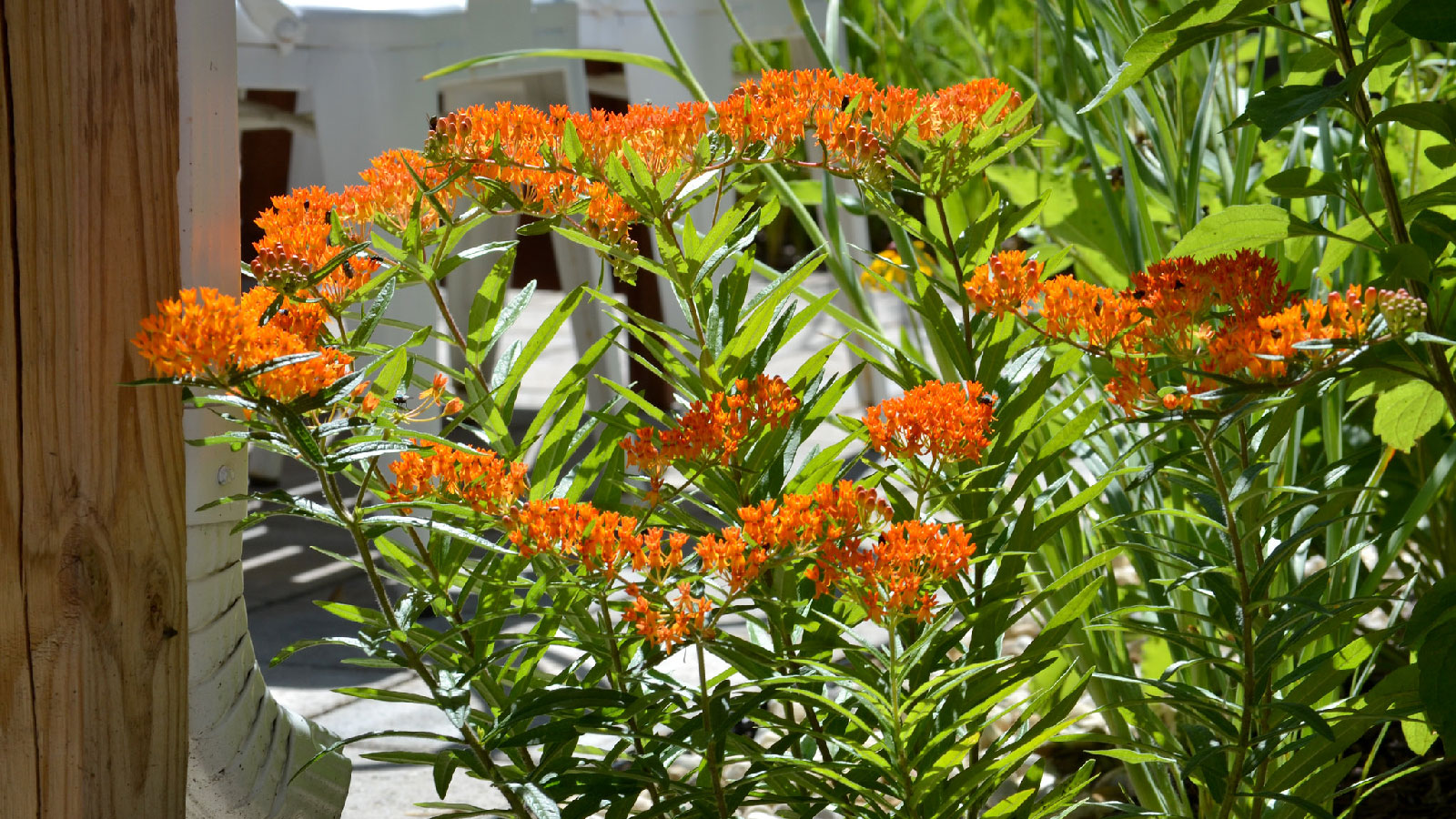
But homeowners can help limit flooding with a simple and attractive bit of landscaping – replacing lawn grass with native plants.
Native plants are species that are indigenous to a region and a natural part of the local ecosystem.
In Western states, for example, that might include riverbank lupine or blue elderberry. In the Northeast, that could mean Joe Pye weed or winterberry, a type of holly.
Many native plants, like coneflowers, big bluestem, and Indiangrass, have longer roots than lawn grass. These roots help absorb and filter stormwater and stabilize the soil to prevent erosion.
And local birds, insects, and mammals often rely on native species for shelter and food.
So replacing even part of your lawn with native plants can provide many benefits.
For help, you can reach out to a local environmental conservation group. Many offer lists of native plants and species recommendations.
So you can learn how to make your yard beautiful, wildlife-friendly, and more resilient to flooding.
Reporting credit: Ethan Freedman / ChavoBart Digital Media