People who know me know that I’m prone to stubborn opinions. That’s a bad thing, so I’m working to unlearn it — any worthwhile stance should be calmly supported by logic and evidence, whether you’re talking about science, history, or just how good iPhones are versus Android devices.
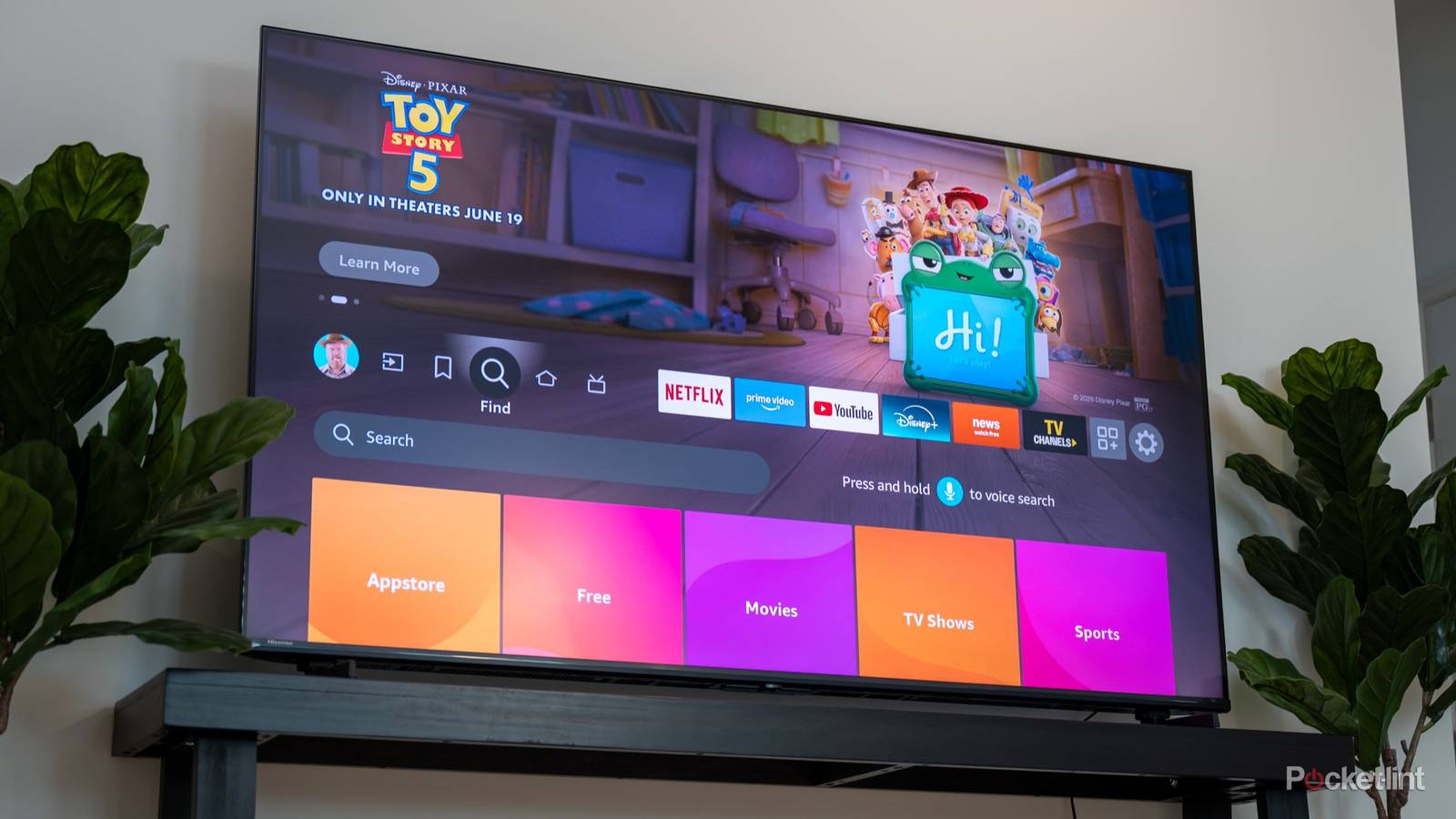
One topic I do feel qualified to talk about is Amazon’s Fire TV. I’ve used multiple Fire devices over the years. While it gets the job done, I feel like most devices based on the platform are adequate at best, and a bottleneck at worst. You should be extremely picky if a Fire TV set or add-on streamer is on your theater build’s shortlist.
A tale of two misguided priorities

When everything comes together, Fire TV delivers well enough. Fire OS and the newer Vega OS are cluttered with ads, but that’s an issue with Google and Roku devices as well. They have most or all of the apps you could want, and on the hardware side, the best Fire devices support all the major standards, such as HDR10+, Dolby Vision, and Dolby Atmos.
That leads me to the first catch, which is that many Fire products are budget models with subpar specs. Consider Amazon’s own Ember TVs. The 2025 and 2026 models are all 60Hz QLED products, at a time when many competing TVs are 120Hz-plus mini-LEDs. If you opt for an Ember 4 — the cheapest 4K model — you lose Dolby Vision, and get a single HDMI 2.1 connection, which doubles as its ARC/eARC port. If you’ve got a PC or game console, in other words, you’re going to have to find a workaround to keep an HDMI soundbar connected at the same time, never mind hooking up multiple high-end devices.
You can buy a few Fire-based mini-LEDs from Amazon and other brands. Beyond that, panel options are limited. I see that Panasonic did take a crack at OLEDs, but it seems to have abandoned ship, and I can promise you that it’s going to be a while before the software shows up on RGB mini-LED or MicroLED sets, if ever.
Traditionally, my biggest problem with the platform has been speed. You may be fine if you buy a higher-end TV, or one of Amazon’s better add-ons, like the Cube or 4K Max. The cheaper your device, however, the more likely it is to have a mediocre processor and far too little storage. Even that wouldn’t be such a big deal except that Fire devices can get progressively slower over time. I dealt with this issue on an Insignia TV — it was fine when my wife first brought it home, but within a few years, we were avoiding its native software like the plague. It’s a good thing most of our time with it involved an Apple TV 4K. While Amazon is trying to remedy these issues with an ongoing software overhaul, it’s too early to say if that will pay off.
Under the “irritating” category, I’d file Amazon’s occasionally awkward menu systems, and its attempt to promote Prime Video wherever possible. These things are tolerable, and it’s not like the company’s rivals don’t promote their own content. Still, Prime Video isn’t usually a cinephile’s top pick. For people like myself, it’s akin to being pushed ads for McDonald’s when you’d rather eat at Wendy’s or a local indie restaurant. I do watch things on Prime Video — but you’re more likely to find me on YouTube or Disney+.
Are there any advantages to Fire TV?
Your mileage may vary

If you’re a fan of the Alexa smart home ecosystem, Fire devices may be a natural choice. They’re unnecessary, to be clear, since third-party TVs do support Alexa controls in many cases. With Fire TV, though, you get those controls from the jump, plus deeper integration, including the ability to check security cameras without picking up your phone. You can even pair Echo speakers with a Fire TV to create a stereo or Dolby Atmos-capable sound system.
Some of you may appreciate Alexa+. It’s a generative AI assistant, so you do have to be careful about trusting its facts. Yet it’s surprisingly good at carrying on a conversation, not to mention intepreting complex commands. That can make it a handy tool for finding movies and shows, or creating smart home automations without having to spend several minutes in the Alexa app. I might prefer an Apple TV 4K set-top regardless of which TV I’m using, but Apple is still way behind Amazon in exploiting AI in your living room. We’ll see if that’s solved if and when the rumored 2026 Apple TV shows up.