

Stage: Building · Momentum: High · Forecast confidence: Moderate
The cafe next to the handbag display isn’t a coincidence. It’s strategy. Retailers from Coach to Uniqlo are wiring coffee counters into their stores to pull in Gen Z shoppers, extend dwell time and keep customers tied to the brand between big-ticket purchases. The model, part of a broader trend towards experiential retail, is spreading fast enough that the next 12 months should tell us how far it goes.
What’s Happening
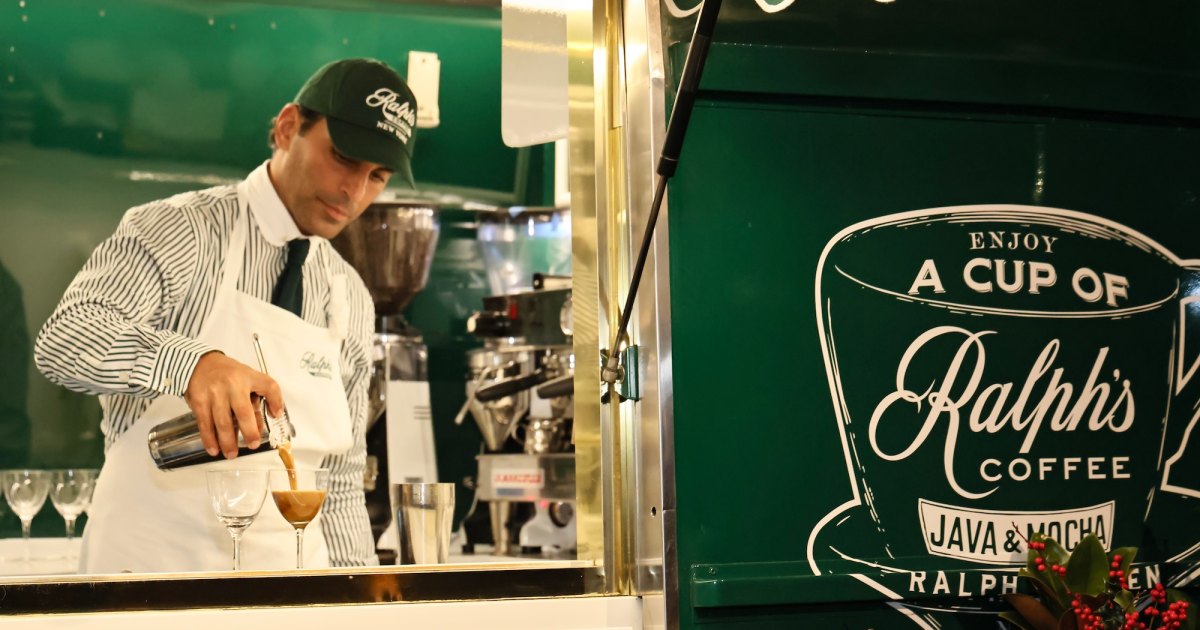
Coach opened four locations of The Coach Coffee Shop in 2025. Uniqlo launched its first U.S. Uniqlo Coffee the same year, inside its Fifth Avenue global flagship in New York City. Ralph Lauren, which opened its first cafe in 2014, now runs more than 40 Ralph’s Coffee locations worldwide, including a new opening in Boston’s Seaport that joins 30 existing U.S. sites across New York City, Chicago, Miami, D.C. and Newport Beach.
Target set the template earlier. It first partnered with Starbucks in 1999 and by 2002 committed to a Starbucks inside every new Target location.
The data backs the experiential retail strategy. A study by Pathintelligence, reported by Retail Sensing, found “a 1 percent increase in dwell time resulted in a 1.3 percent increase in sales.” Separate McKinsey research found that “improving the customer experience has increased sales revenues by 2 to 7 percent and profitability by 1 to 2 percent,” with shareholder return up 7 to 10 percent.
Why It’s Happening
Three forces are pushing the trend.
Dwell time converts to sales. The Pathintelligence figure gives retailers a direct arithmetic case: every extra minute a customer lingers pushes revenue up. A latte buys minutes.
Coffee is the affordable entry point to a premium brand. Most customers of a luxury or near-luxury label can’t buy something every week. A $6 drink solves that problem — cheaply, and often.
“You can afford a coffee more often. So I think that’s what we’re excited about is our customers being able to visit us more often.”
— Marcus Sanders, Vice President of Global Food and Beverage, Coach
Experience-led retail is the operating model now. Joe Pine, coauthor of “The Experience Economy,” has told CNBC that a cafe is the fastest on-ramp to experiential retail because “it engages all five senses and it gets customers to spend more time with you.” Coach CEO Todd Kahn told CNBC that customers, “particularly the young consumer,” want a full experience when they come to shop.
Shopping alone no longer draws crowds the way it once did. After years of e-commerce dominance and pandemic-era isolation, the malls and retail districts pulling in the biggest weekend crowds are the ones that treat a visit like a day out, with theme parks under the same roof as flagship stores, immersive art installations next […]
What Could Be Next
The cafe-inside-a-store model is still expanding, and the direction over the next 12 to 24 months looks clear. Expect three moves.
Rollouts push from flagships into secondary markets. Ralph Lauren has already left the gateway cities, planting a Ralph’s Coffee in Boston’s Seaport. Coach’s four 2025 openings read like a proof-of-concept run, and the brand’s own leadership has framed cafes as central to reaching younger shoppers — an argument for more locations, not fewer. Uniqlo’s Fifth Avenue coffee bar will almost certainly get siblings in other flagship cities.
Reader action: If a favorite brand doesn’t have a cafe near you yet, watch its flagship announcements. Cafe openings often arrive with early-access loyalty perks, limited merchandise drops or menu items tied to the store.
More brands copy the Target-Starbucks partnership blueprint. Building an in-house coffee program is expensive. Christina Hennington, chief growth officer for Target, told Modern Retail in 2023 that Starbucks has “become part of the shopping ritual for many of our guests.” Mid-tier retailers that can’t justify a Coach-style buildout will license the format instead.
Reader action: When a department store or big-box chain announces a shop-in-shop food or beverage partnership, treat it as a signal the retailer is chasing dwell time — and expect store layouts, hours and loyalty programs to shift around it.
The cafe becomes a data and loyalty engine. Every coffee order is a low-friction way to capture an email, a payment token or an app sign-in. Brands that historically saw a customer twice a year at the register can suddenly see them twice a week at the counter. That reshapes marketing, sizing recommendations and inventory buys.


Reader action: Read the fine print before opting into a retail-cafe rewards program. The value of the free drink is real; so is the marketing footprint you’re handing over.
The takeaway: If you shop a brand often enough to notice its cafe, you’re the customer this strategy was built for. Decide now whether you want to become a regular at the coffee bar — and how much of your data you’re comfortable trading for the perks that come with it.
THREE SIGNALS TO WATCH
1. Coach announcing Coach Coffee Shop locations beyond the four opened in 2025.
2. Another Uniqlo Coffee opening in the U.S. outside the Fifth Avenue global flagship in New York City.
3. A mid-tier or mass retailer — outside the existing Target-Starbucks model — announcing its first in-house or partnered cafe.