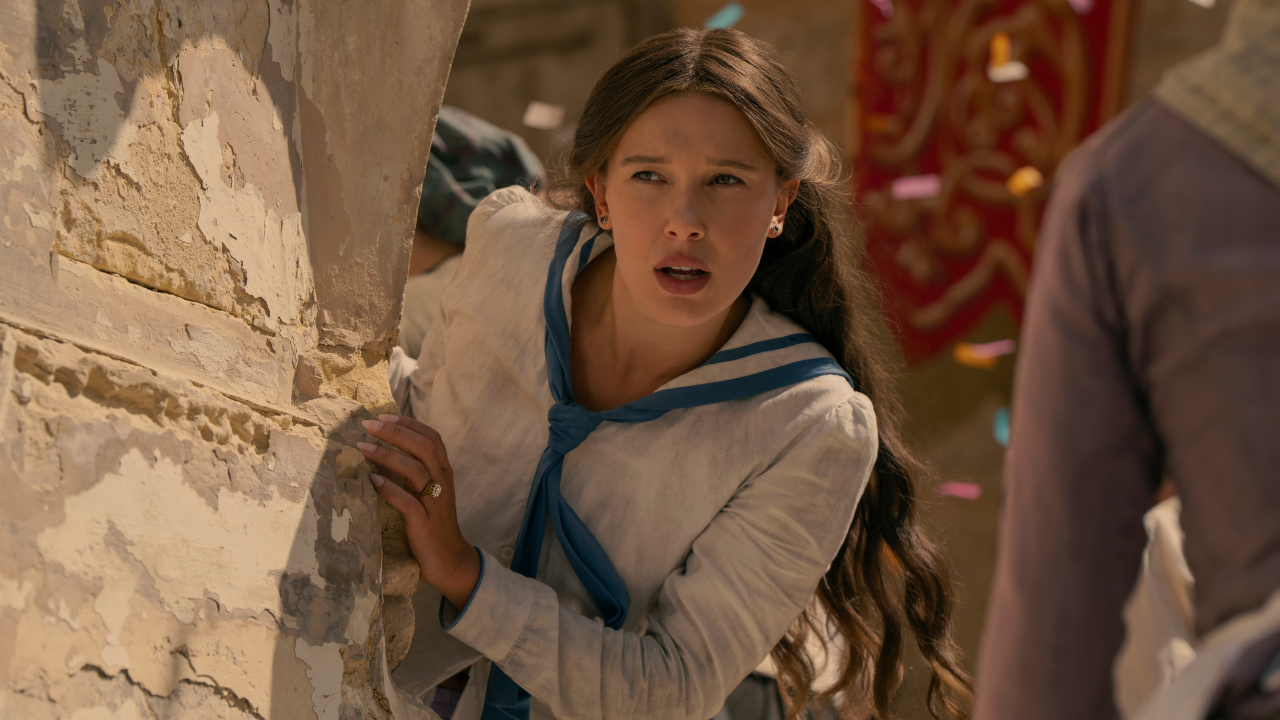
When Millie Bobby Brown first broke the wall as Sherlock’s fiercely independent younger sister in Enola Holmes 3, she did not just solve a missing person’s case, she breathed fresh life into Victorian London. The franchise quickly cemented itself as a clever, high-energy blend of classic mystery and feminist history. Now, with the detective’s latest outing, a tangled web of stolen gold and international conspiracy has audiences asking a familiar question.
As the teenage sleuth dives headfirst into a dangerous plot stretching from London to the Mediterranean, the high stakes feel remarkably intense. The film weaves such a intricate web of political intrigue that it leaves viewers wondering where the history books end and the fiction begins. Is the young detective’s newest trial rooted in actual events?
Is Enola Holmes 3 based on a true story?
ADVERTISEMENT
Article continues below this ad
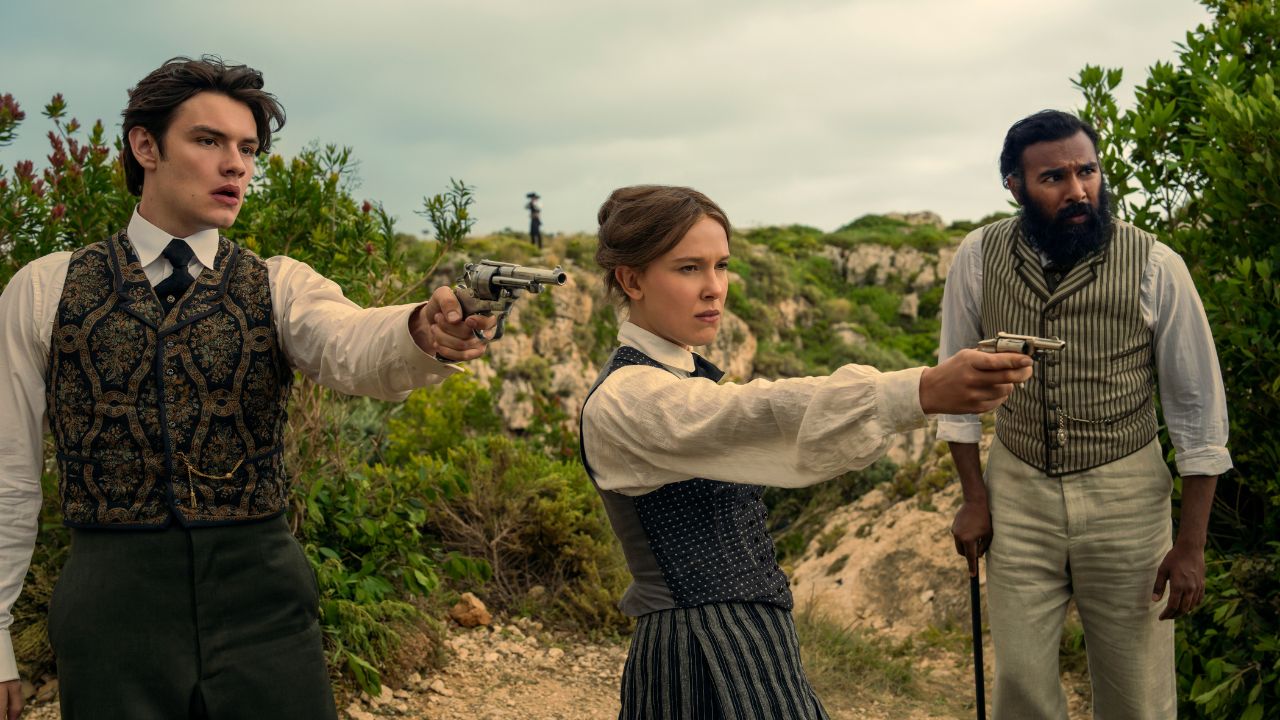
The short answer is both yes and no. The central mystery, including Enola, Sherlock, Viscount Tewkesbury, the kidnapping plot, and the specific conspiracy surrounding the “Battle of Khost”, is entirely fictional. Screenwriter Jack Thorne crafted an original story not found in Nancy Springer’s books, inventing a plot about stolen Afghan gold secretly transported to Malta to drive the mystery forward. However, the backdrop is deeply grounded in real history.
Credits: John Wilson/Netflix
Credits: John Wilson/Netflix
The film accurately reflects Malta’s status as a strategically vital British Crown Colony following the 1869 opening of the Suez Canal. Furthermore, the fictional Battle of Khost draws heavy inspiration from the real, brutal Anglo-Afghan Wars. By mixing real colonial exploitation with a made-up mystery, the filmmakers highlight the dark truths of the British Empire without exploiting real historical trauma.
While this blend of fact and fiction gave the story a rich sense of atmosphere, the creative risks taken this time around didn’t quite land the same way with everyone.
A new creative direction and mixed reviews
Enola Holmes 3 debuted with a 70% Tomatometer on Rotten Tomatoes and an initial 69% audience score, making it the lowest-rated installment in the franchise on both fronts at the time of release. While those numbers are expected to fluctuate as more critics and viewers submit reviews, the opening reception has already placed the threequel behind its predecessors. The comparison makes the shift even more noticeable.
The original Enola Holmes earned an impressive 91% critics’ score, while Enola Holmes 2 climbed to 93%. By contrast, the third film has stumbled out of the gate despite bringing back screenwriter Jack Thorne. A major catalyst for this shift was behind the camera: Adolescence director Philip Barantini replaced Harry Bradbeer, whose distinct, energetic visual style originally defined the series’ charm.
ADVERTISEMENT
Article continues below this ad
Credits: Netflix
Credits: Netflix
Ultimately, Enola Holmes 3 remains a fictional caper draped in the very real, complex fabrics of 19th-century history. While a new directorial vision and a darker political plot led to a softer critical reception than past films, Enola’s growth into a mature detective marks an ambitious step forward for the series.
ADVERTISEMENT
Article continues below this ad
What did you think of Enola’s latest case? Do you prefer the true-history focus of the second film, or did you enjoy the global stakes of the third? Let us know in the comments!