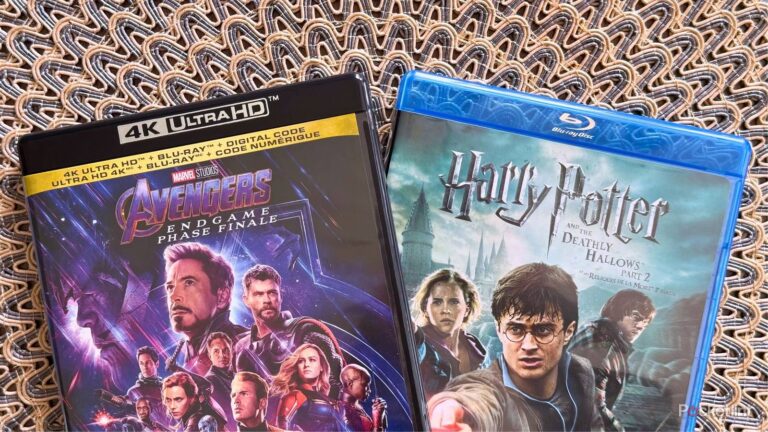



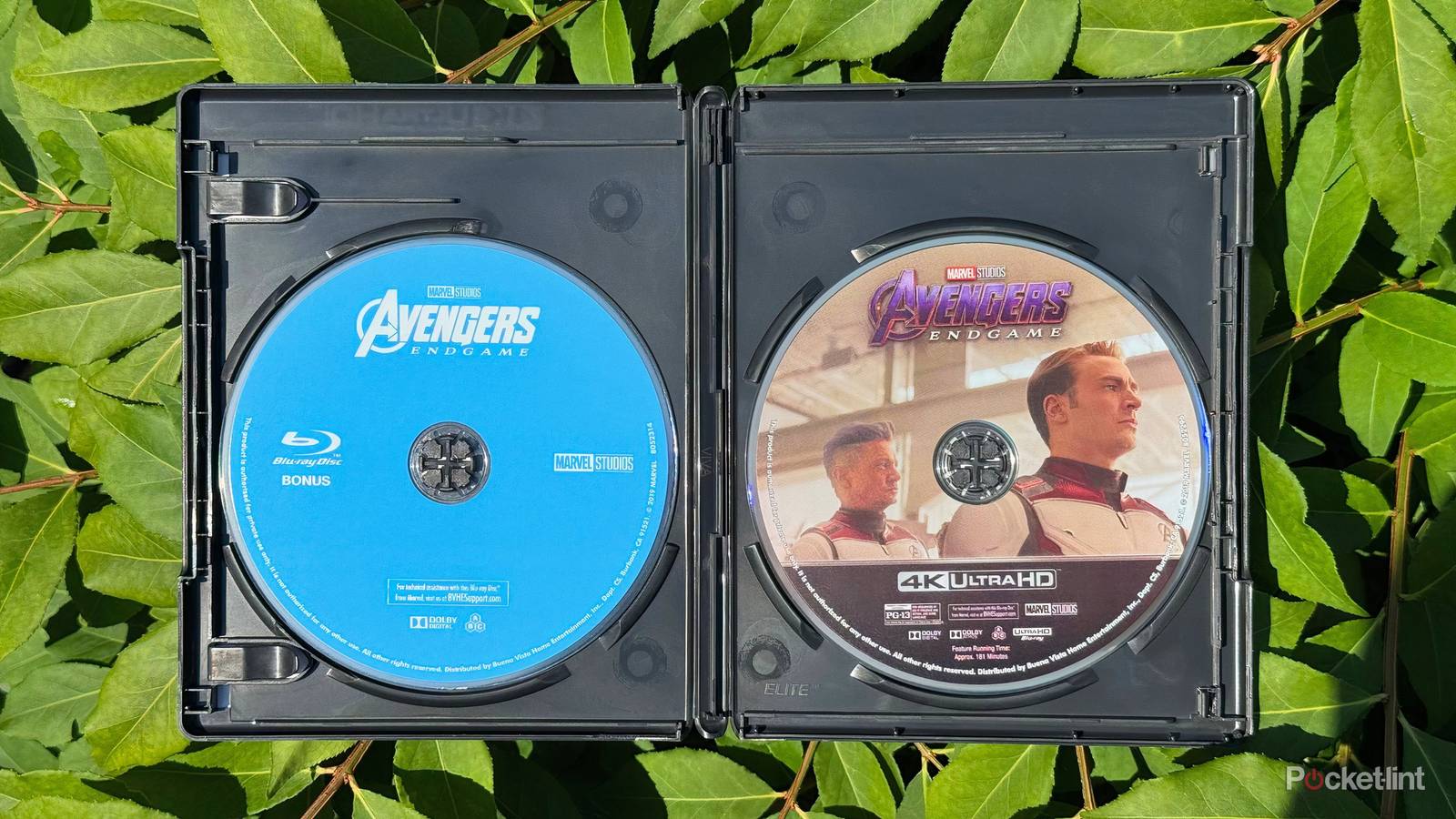
When considering between purchasing a bog-standard Blu-ray copy of a movie or TV show and its 4K UHD Blu-ray counterpart, the answer may seem obvious: the latter is the superior choice thanks to its additional resolution, its high dynamic range (HDR), and its improved spatial audio prowess.
On the surface, this analysis makes logical sense, but the reality is actually rather messier. There are a variety of factors at play that can influence the overall audiovisual fidelity of a piece of media distributed on disc, meaning that the jump from Blu-ray to its 4K UHD successor isn’t always a cut-and-dry upgrade.
Now, as a general rule of thumb, I do tend to purchase new multimedia content exclusively on 4K UHD. It’s arguably the best physical media standard to have ever made its way to the consumer market, and it features all the latest technological bells and whistles that older storage mediums simply lack.
That being said, when it comes to upgrading older films and shows that I already own on regular Blu-ray, I don’t always pull the 4K trigger. In fact, I only make the upgrade under one specific circumstance, and it’s one that varies on a movie-by-movie or a show-by-show basis.
When should you upgrade a Blu-ray disc to 4K UHD?
It depends entirely on the movie or TV show in question

When deciding whether to upgrade my Blu-ray discs to 4K UHD, I do so on a case-by-case basis. You see, not all media is mastered equally: older movies that made their way to traditional Blu-ray were often originally mastered at 1080i or 2K resolution, which makes the jump to 4K UHD noticeable. On the other hand, newer media is often mastered at 4K UHD from the get-go, which means it downsamples to regular 1080p Blu-ray in a cleaner fashion.
Generally speaking, newer content will look better on standard Blu-ray than older content will, owing to improved source material quality. Yes, 4K UHD gives you even more resolution and dynamic range to play with, but it’s of diminishing returns unless you have a particularly massive (and HDR-compatible) flat-screen television set in your living room.
…whether I upgrade a disc is contingent wholly on the contents within and not on the medium itself.
And, so, whether I upgrade a disc is contingent wholly on the contents within and not on the medium itself. I research whether a film I own on Blu-ray was mastered, scanned, and/or restored in 4K to begin with, and if it was, then I sleep easy knowing that my disc is adequately downsampled. By contrast, if I learn that my Blu-ray’s source material is of lower quality, I tend to make the upgrade to 4K to benefit from some added visual fidelity.
Of course, there are other factors at play that make it so some movies and shows will benefit from 4K UHD more than others (was it shot in IMAX? How was the disc encoded? Is the HDR convincing? What’s the color gamut? Does the regular Blu-ray support Dolby Atmos? Does the 4K variant come with extra scenes?).
Thankfully, there are plenty of online resources like Blu-ray.com that can help in making an informed purchasing decision, and I always recommend doing a bit of research prior to committing to any physical media disc upgrades. 4K UHD Blu-ray is excellent, but, at the end of the day, it isn’t always entirely the sort of linear upgrade you might expect.