Back around the turn of the millennium, a new home video recording technology was released to market: DVD recorders. These newfangled DVD players were capable of accepting DVD-R (recordable) and DVD-RW (rewritable) discs, and could be used to record television shows and movies for playback at a later date.
The ability to burn media right onto a digital disc for personal use was an exciting proposition, and for a while, it looked like the technology might take off in the audiovisual space. However, while disc burning found its footing in the PC industry, it never became the sort of mainstream success in the TV space that some had hoped it would.
Here are three overarching reasons why DVD recorders never exploded in popularity upon their introduction to market, despite the cost of new players decreasing over time, and despite an abundance of models becoming available for purchase.
VHS was pre-established
Transitioning to a new format comes with growing pains

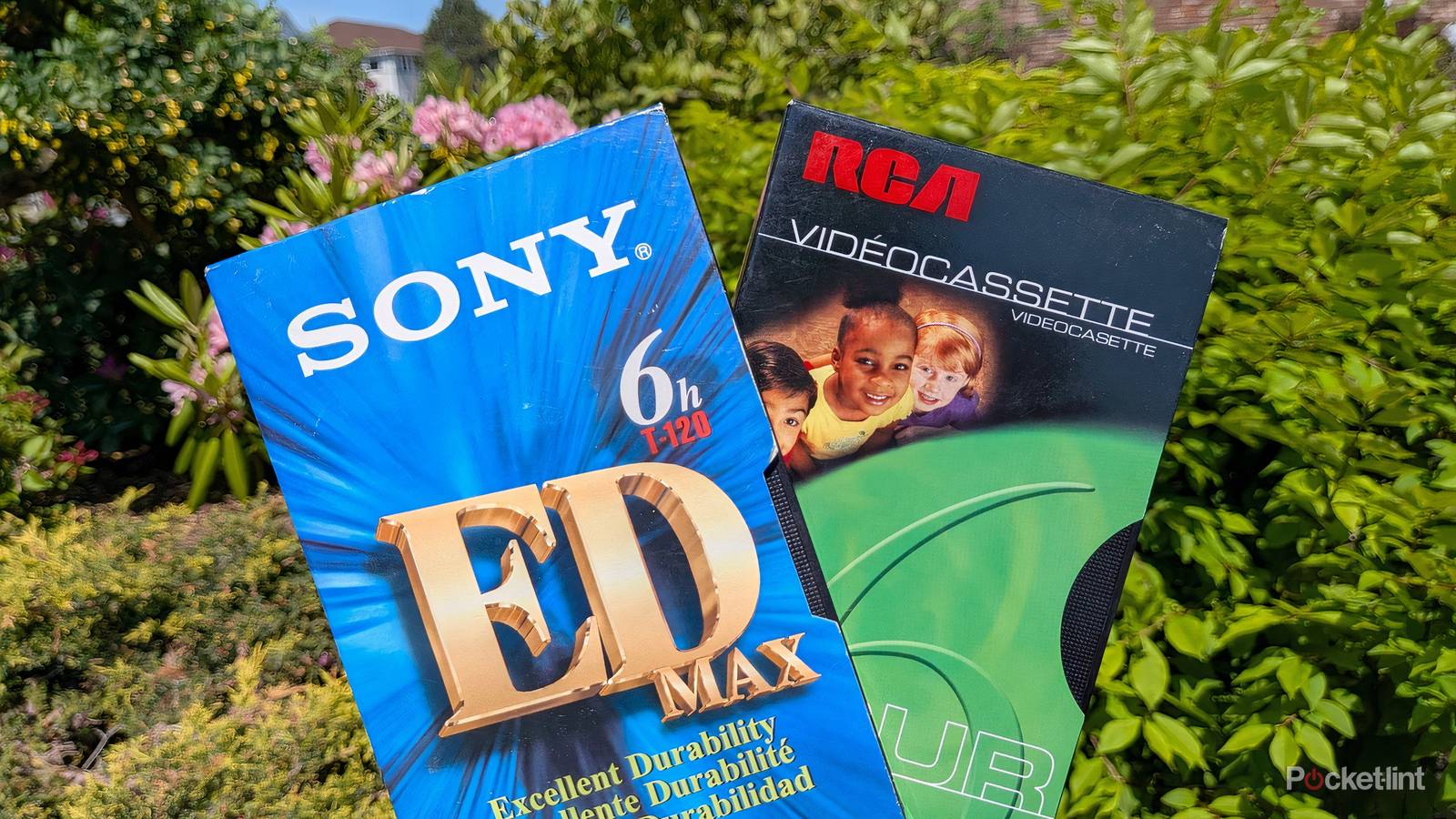
When DVD recorders first hit the scene, the consumer market was already saturated with VCR players capable of recording shows and films right onto VHS tapes. Simply put, recording onto tape was a more accessible, familiar, and pragmatic option for most people at the time.
The transition to a new physical media format always comes with associated teething pains, and while DVD did eventually overtake VHS as the go-to format for playing back videos in the living room, VCR recorders remained a staple well into the 2000’s.
Adding to this, many DVD players released at the time were two-in-one models capable of accepting VHS tapes for both playback and recording, meaning that there was less market pressure for consumers to adopt DVD recording in lieu of the former technology.
DVRs hit the scene
Digital recordings that tie into your cable or satellite package

Digital video recorders (DVRs), sometimes referred to as personal video recorders (PVRs), are set-top boxes that can record and play back TV shows and feature films in an entirely digital fashion, all while sidestepping the need for optical discs and lengthy burning processes.
DVRs came out roughly around the same time as DVD recorders, but with the added advantage of receiving institutional support from cable and satellite television providers. Most cable and satellite set-top boxes to this very day feature built-in DVRs, allowing for a level of convenience and integration that separate DVD players can’t quite compete with.
Convenience tends to win out in the end when it comes to consumer tech, and the frictionless experience provided by DVR-capable cable and satellite boxes is the perfect example of this principle. These days, the convenience factor is even more pronounced, with DVR providers often allowing for internet-based syncing of saved programming onto other devices.
Streaming soon conquered all
Internet-based streaming services hit the ground running

Speaking of convenience, the introduction of internet streaming services like Netflix spelled the ultimate end for DVD recorders as a category. Suddenly, on-demand shows and movies became a reality, negating the need to sift through clunky guide interfaces, while also providing the ability to sync playback progress across devices in an instant.
As the streaming era took off in the 2010s, the popularity of optical media formats like DVD flatlined and then began to plummet. DVD players became less important than in the past, PCs stopped shipping with optical drives, and burning and ripping media became something of a lost art.
These days, of course, physical media is experiencing a renaissance in popularity, fueled by rising subscription costs, streaming fatigue, nostalgia, a desire for real ownership, and a variety of other factors. Out of pure practicality, DVD recorders are unlikely to ever experience a true market revival, but DVD discs themselves, on the other hand, appear to have caught an unlikely second wind.