


I live under heavily light-polluted suburban skies in Nottingham, U.K., where the glow of streetlights often drowns out all but the brightest of stars. My backyard — boxed in by rows of terraced houses — offers only a small window of visible sky, and on most nights I’m lucky if I can spot the Pleiades with the naked eye.
Astrophotography always felt out of reach. So when I set up the Vaonis Vespera Pro telescope for the first time, I wasn’t expecting much.
While Vaonis loaned me the Vaonis Vespera Pro telescope for testing, I wasn’t expecting to be nearly this impressed by what it could do under my suburban skies. All opinions in this article are my own.
Not long after setting up the Vaonis Vespera Pro, I watched on my phone as the telescope began to capture light. Within minutes, I could make out the delicate wisps of the Veil Nebula appear in the Vaonis Singularity app. Then came the color — vibrant ribbons of red slowly painting the cosmos across my screen.
There it was, the Veil Nebula, around 2,100 light-years away in the constellation Cygnus. Yet watching it gradually reveal itself in the palm of my hand made it feel closer than ever.
It wasn’t long before the typical English weather rolled in and clouds swallowed the sky. But thanks to the telescope’s multi-night exposure mode, I could simply pause my observations and continue them another evening. That quickly became one of my favorite features. It meant I could build up hours of exposure time over multiple nights without needing a single perfectly clear evening — something that can feel almost impossible in the U.K. at times!
Want to know more?
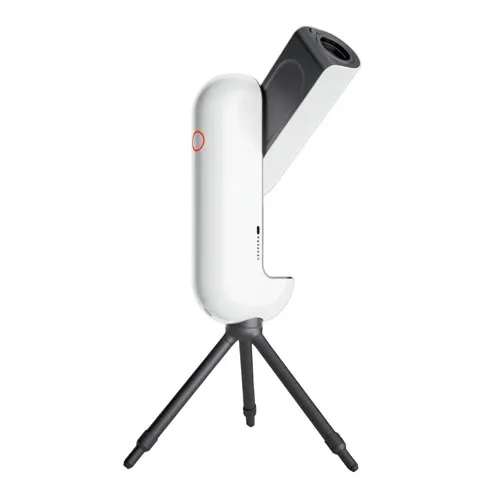
Check out our Vespera Pro review for a more detailed look at the smart telescope.
It also worked perfectly with my limited view of the sky. My backyard, boxed in by terraced houses and neighboring trees, offers only a narrow viewing window before targets disappear behind rooftops due to Earth’s rotation.
Oddly enough, those limitations turned out to be helpful.
As a first-time smart telescope user, I was initially overwhelmed by the sheer number of objects available in the Vaonis’ Singularity app — galaxies, nebulas and star clusters all just a tap away. But with Cygnus sitting high overhead for weeks, I naturally focused my attention there before eventually moving on to Orion, the Pleiades and whatever else I could squeeze into my tiny patch of sky.
What surprised me most was the level of detail I was able to capture with just an hour or two of exposure time with the Vespera Pro. The images below were automatically stacked by the telescope, with final edits made afterward in Adobe Lightroom.
Nebulas
I quickly became obsessed with imaging nebulas. Watching delicate structures and vivid colors slowly emerge in front of my eyes felt like completing a cosmic paint-by-numbers kit.
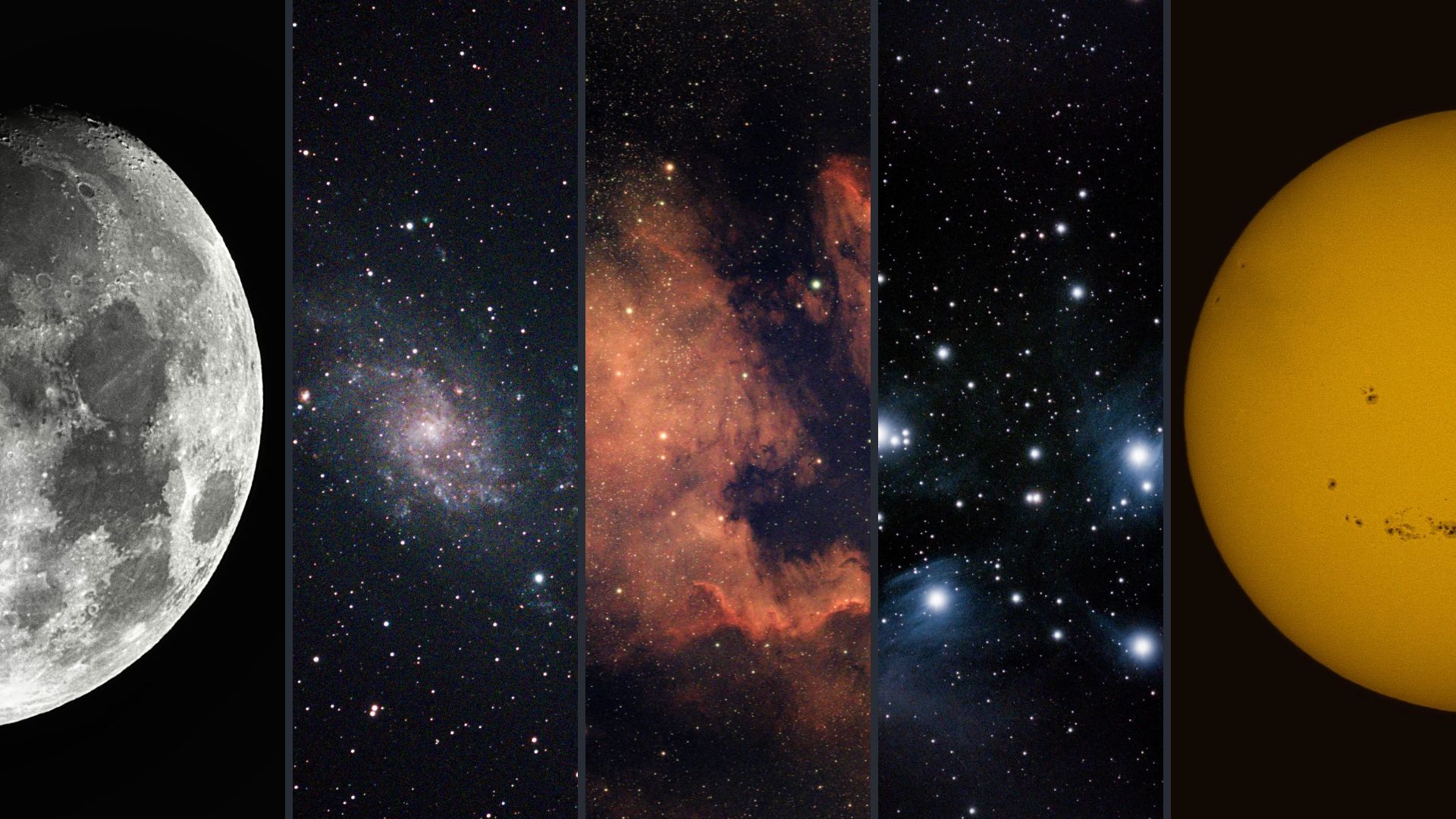
For targets like the North America Nebula, I used a dual-band filter to better highlight hydrogen emissions, increasing the contrast of the nebula against my light-polluted suburban sky.
Veil Nebula
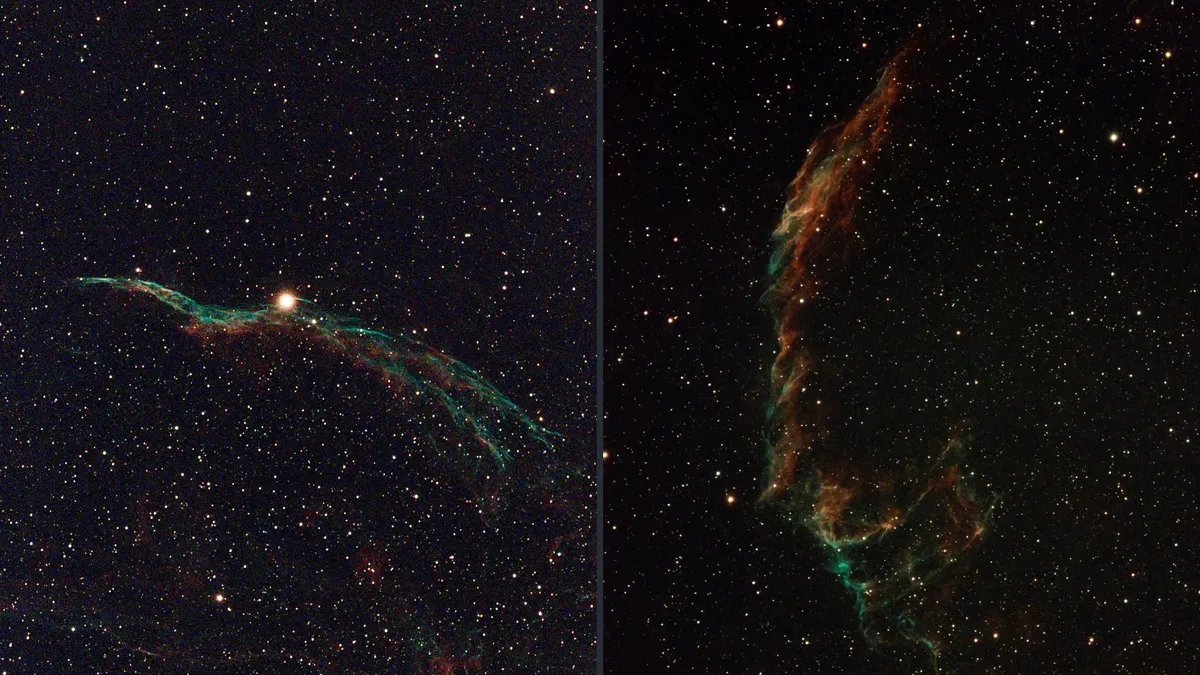
With Cygnus perfectly placed in the evening sky through December, I turned my attention to the Veil Nebula, the remains of a massive star that exploded about 8,000 years ago. The entire nebula stretches roughly 110 light-years across and spans an area of sky around six times wider than the full moon.
I focused on two particularly striking sections: the Western Veil, home to NGC 6960, also known as the Witch’s Broom, and the brightest region of the Eastern Veil, NGC 6992. Total exposure times were 53 minutes and 63 minutes, respectively.
North America Nebula
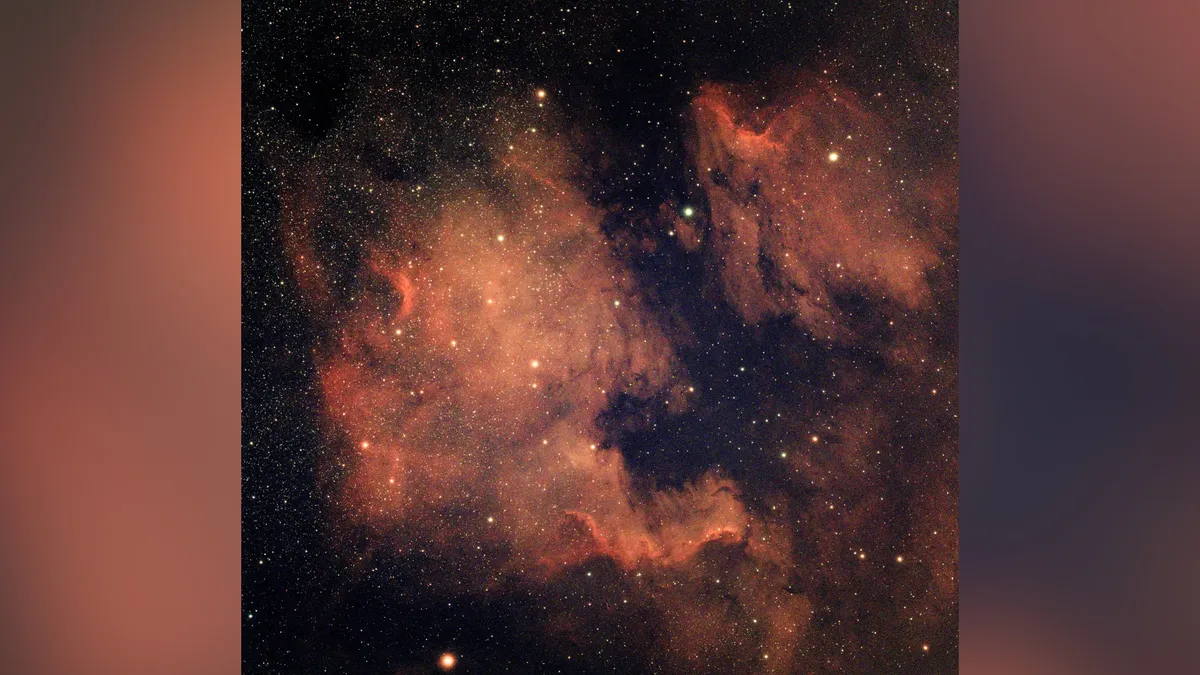
This image of the North America Nebula (NGC 7000) consists of 4.25 hours of exposure time, captured over several nights, using the dual-band filter.
Located around 1,800 light-years from Earth in the constellation Cygnus, the emission nebula spans an area of the sky more than three times the apparent size of the full moon, according to NASA.
Galaxies
Naturally, I wanted to see how the Vespera Pro handles galaxies too. I settled on the Andromeda Galaxy and the Triangulum Galaxy, both of which were well placed high above my backyard for several hours at a time.
Andromeda Galaxy
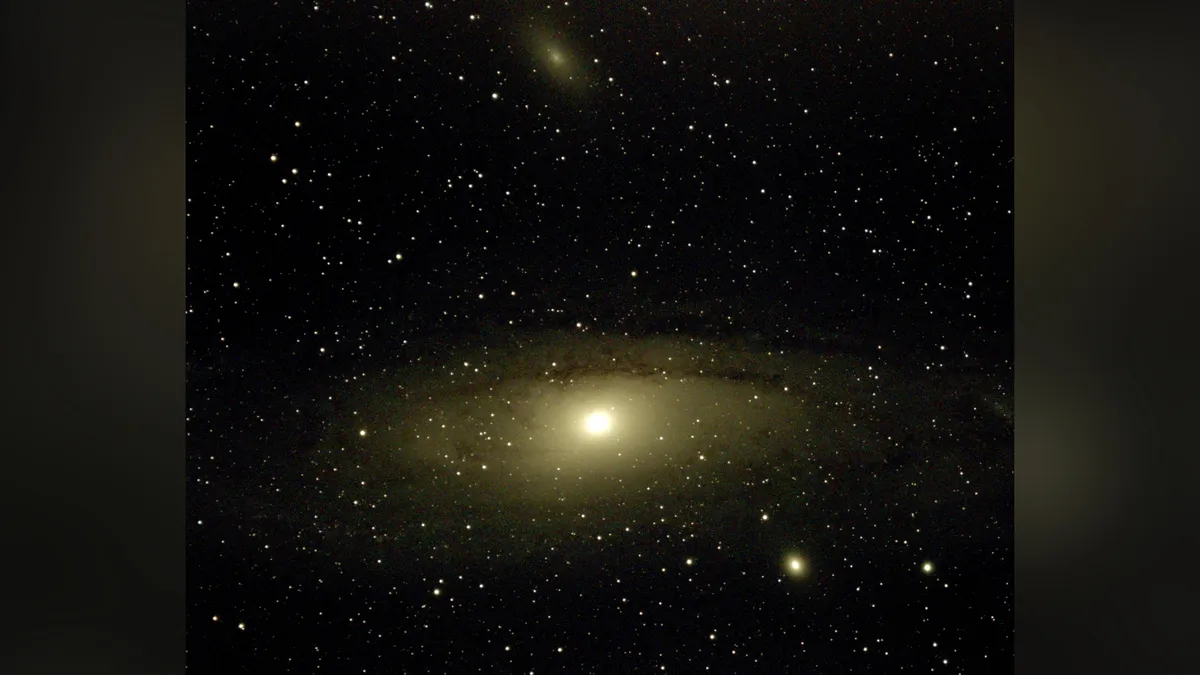
First up was our nearest major galactic neighbor, the Andromeda Galaxy, M31, located around 2.5 million light-years away in the constellation Andromeda.
Despite its enormous distance, the galaxy appears so large in our sky that it spans roughly six times the apparent width of the full moon. Under dark skies, it can even be spotted with the naked eye as a faint smudge of light.
I captured this image with just a 20-minute exposure — something that genuinely surprised me given the level of detail visible in the galaxy’s dusty spiral structure.
Triangulum Galaxy
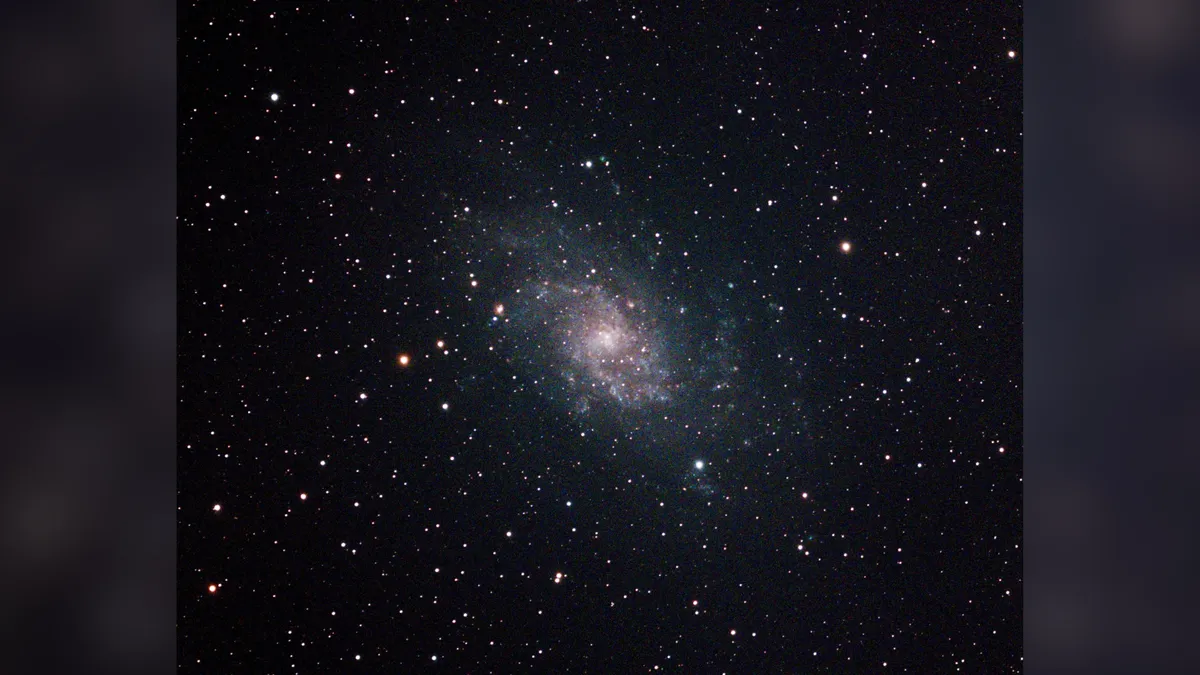
Next came the Triangulum Galaxy, M33, a spiral galaxy about 3 million light-years away from Earth in the constellation Triangulum.
The galaxy is a major hub for star formation, producing new stars at a rate around 10 times greater than the average seen in the Andromeda galaxy, according to NASA.
I captured this image over several nights in December 2025, building up a total exposure time of around 3 hours.
Star clusters
Star clusters quickly became some of my favorite targets, especially on nights when I didn’t have hours available for long exposures. Even relatively short imaging sessions were enough to reveal impressive details.
Hercules cluster
In fact, the Hercules Cluster, M13, was one of the first targets I deliberately used to test what the telescope could really do under my light-polluted skies. The 12-minute exposure did not disappoint.
The Hercules Cluster lies about 25,000 light-years from Earth in the constellation Hercules. It is made up of about 100,000 tightly packed stars.
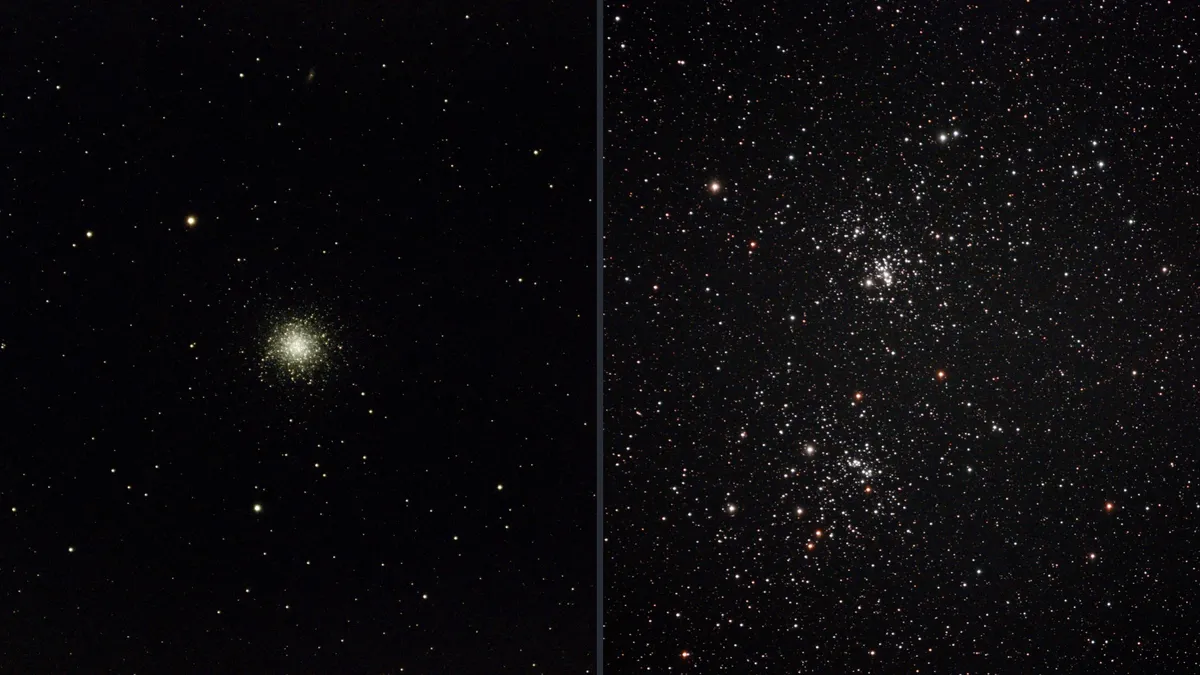
Double cluster in Perseus
Next up was Double Cluster in Perseus, also known as Caldwell 14. Visible to the naked eye under dark skies, the pair of open clusters NGC 869 and NGC 884 lies about 7,500 light-years away from Earth in the constellation Perseus. The image was built from a relatively modest 20-minute exposure.
Pleiades
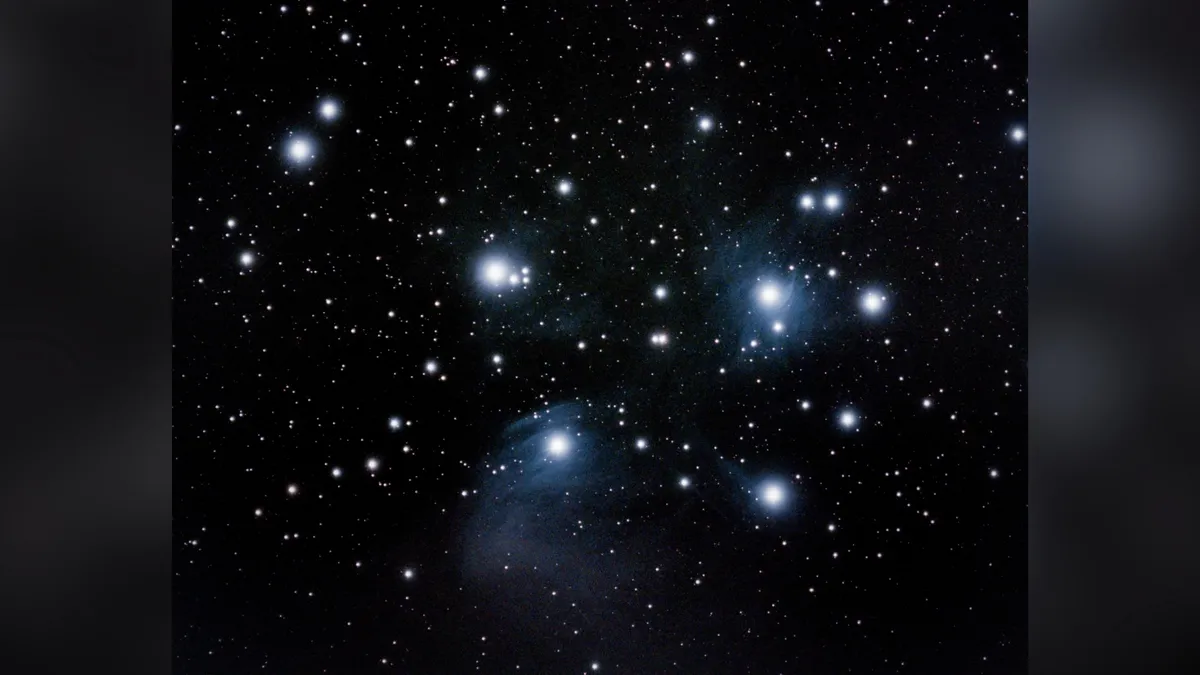
My final star cluster target was one of my longtime favorites, the Pleiades, M45.
Also known as the Seven Sisters, the bright open cluster lies about 445 light-years away in the constellation Taurus. It has always been one of my favorite naked-eye objects as it’s bright enough to punch through light pollution on many nights, but faint enough that spotting it feels rewarding.
I captured this image over a couple of nights in March 2026, building up a total exposure time of 2.7 hours.
The moon
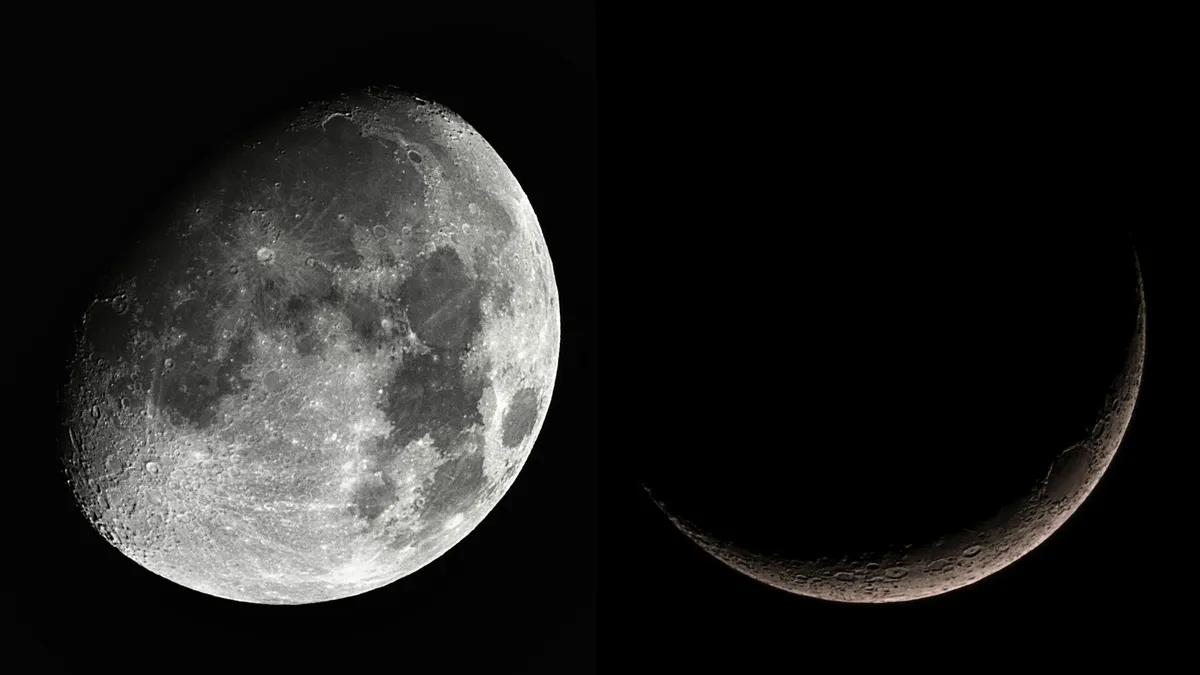
Undoubtedly, one of the easiest and most rewarding targets to turn the Vespera Pro toward was our familiar lunar neighbor.
I especially enjoyed observing it throughout different phases of the lunar cycle, comparing what I could see with my own eyes against the incredibly detailed view appearing on my phone screen. Craters, shadows and rugged lunar terrain that were barely visible to the naked eye suddenly came alive in remarkable detail.
The dedicated Moon Mode within Vaonis’ Singularity app delivers a live, non-stacked view of the lunar surface, refreshing every few seconds for a near real-time observing experience.
The sun
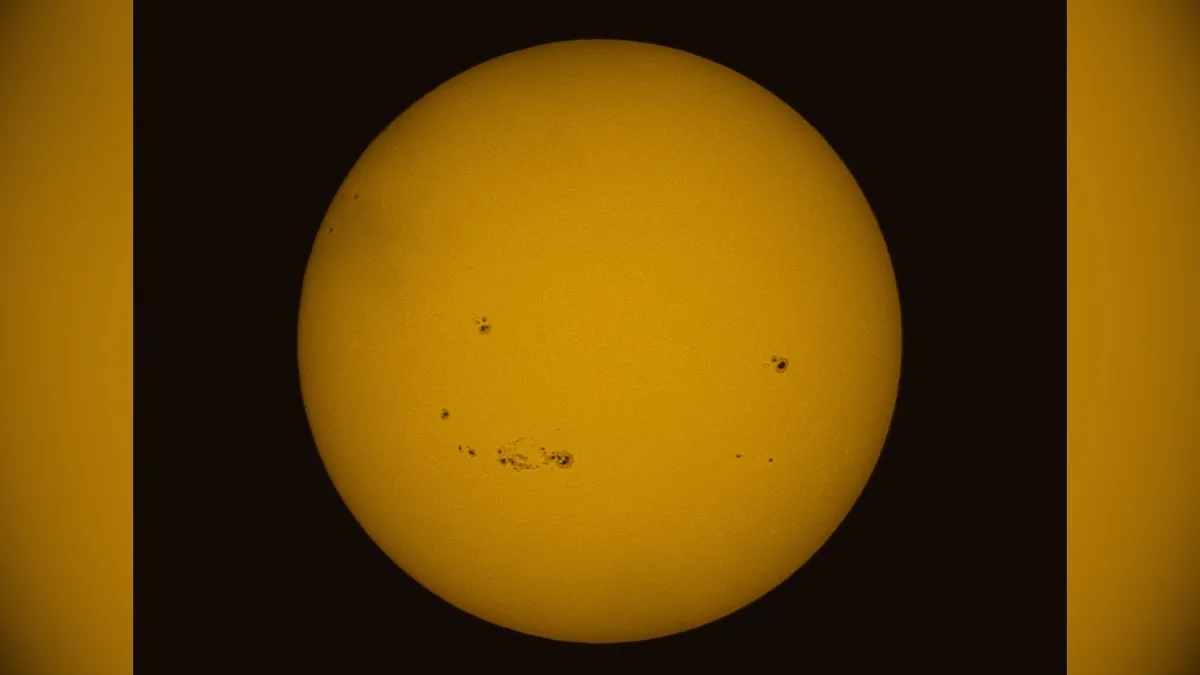
A relatively rare sight in the U.K. at times, the sun turned out to be one of my favorite targets to observe using the Vespera Pro with its dedicated solar filter and solar viewing mode.
Much like the telescope’s Moon Mode, the Sun Mode provides a live view that refreshes every few seconds, making it easy to watch the shifting surface of our nearest star in near real time.
I captured this image on Aug. 29, 2025, when the sun was particularly active, with several large sunspot regions clearly visible across the solar disk.
Final thoughts
For context, my backyard sky falls somewhere between 7 and 8 on the Bortle scale, a nine-level system used by astronomers to classify the brightness of the night sky and the impact of light pollution. Under truly dark rural skies, thousands of stars are visible to the naked eye. From my suburban backyard in Nottingham, websites like Light Pollution Map estimate I can typically see only around 200-500 stars on a clear night.
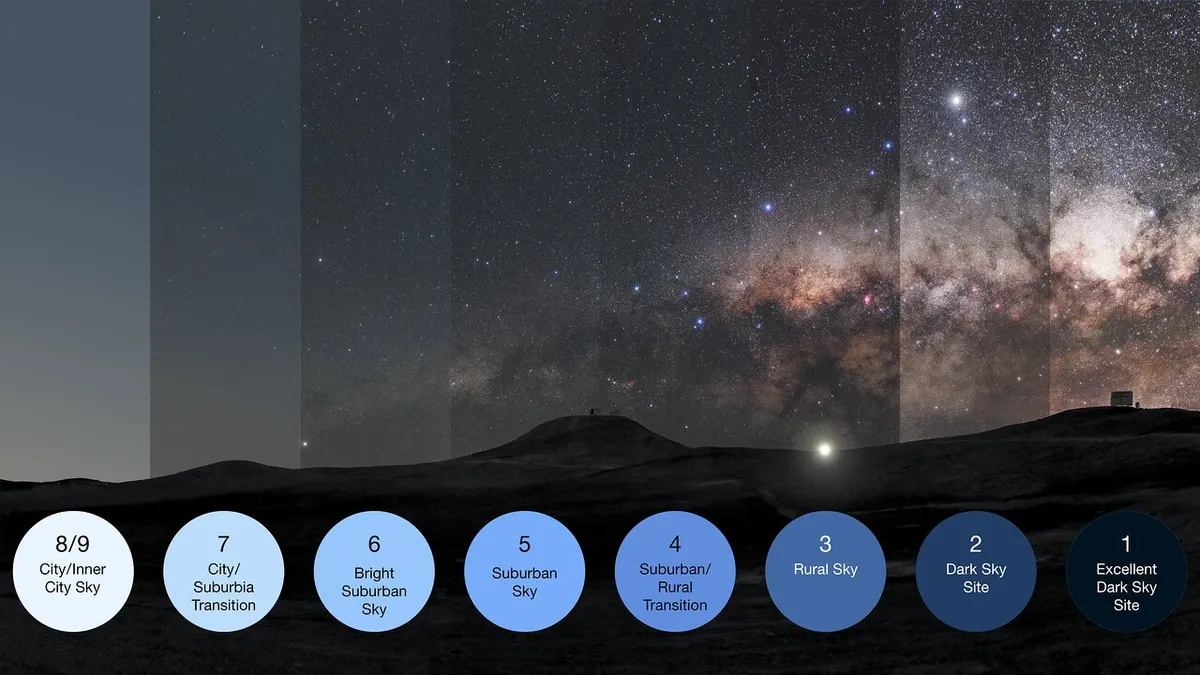
Heavy light pollution washed out faint deep-sky objects like galaxies and nebulas, reducing contrast and making astrophotography far more challenging.
That’s why the results from the Vaonis Vespera Pro telescope surprised me so much.
What impressed me most wasn’t just the level of detail the telescope could capture, but how it changed the way I looked at my night sky. For years, I’d assumed heavy light pollution and a tiny suburban backyard meant deep-sky astrophotography was out of reach.
But night after night, this little smart telescope proved otherwise, revealing galaxies, nebulas and star clusters I never thought I’d be able to capture from home.
Editor’s note: Vaonis loaned the Vaonis Vespera Pro telescope to the author for testing purposes. All opinions expressed in this article are the author’s own.
If you’re interested in getting a telescope to explore the night sky where you live, our best smart telescopes and best telescopes for beginners guides can help.