


Smart TVs have so many settings to go through that you either get excited to dig into them, like me, or you just ignore them. For many of these settings, it’s perfectly fine to leave them alone, and I imagine a wide margin of people are just using their TVs with the default settings.
To be fair, the default picture modes aren’t bad. I have my issues with some of them, and that’s why I still like to tweak them manually, but if you’re toggling on Filmmaker mode when you watch a movie, I tip my cap to you. However, some picture settings leave a lot to be desired. Aside from ones you should never have on, like motion smoothing, some seem harmless on the surface, but actually have a big effect on what you’re watching.
It might sound odd, but the mode I’m talking about is Eco mode. This might be named something like energy-savings mode on your TV, and while it sounds like it’s doing something good, it’s actually harming the way you view your shows and movies.
Eco mode isn’t your friend
It helps your bill, though

Unless you’re really trying to cut back on your monthly electricity bill, you’re better off turning off any of those energy-saving mode options on your TV. The reason for this is simple — it’s making your picture quality worse. If you spend all that time getting your brightness dialed in to the right setting, an eco mode ruins all of that. Your picture is typically a little dimmed under this setting, under the guise of drawing less electricity. While that might be the case, I’d much rather see my screen as it was intended instead of shaving a few cents off my bill.
The problem rears its ugly head even outside of your TV. I have a receiver in my living room that has an eco mode setting, and what that ends up doing is making everything quieter, so it doesn’t draw as much electricity. The most noticeable aspect is my subwoofer getting a lot quieter, which pretty much defeats the purpose of having one in the first place. Sure, it’s fine if I need to be quieter, as it essentially acts as a nighttime listening mode due to how quiet it gets, but I’d rather not sacrifice my audio and picture quality for this.
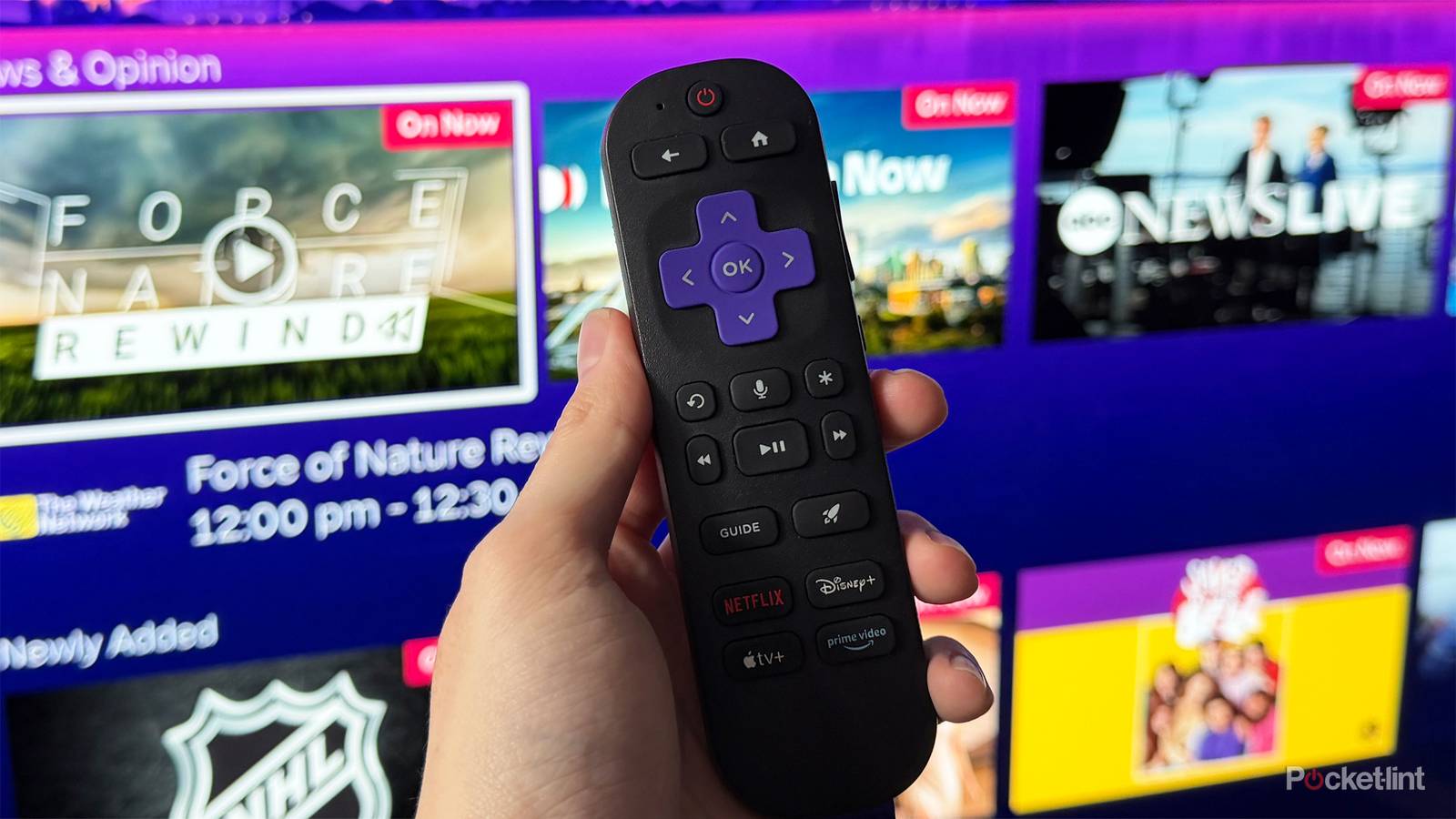
I bought my TV and sound system for things to look and sound great, so having an energy-saving mode provides the opposite experience. I won’t fault anybody who uses the setting because everyone else certainly has different circumstances. I just think it’s important to know that using a mode like that is hurting your viewing experience. TVs are so expensive nowadays, so I’d hate to see somebody drop a ton of cash on one only to not get the most out of it. Many remotes have these eco settings as a button on them, and there’s even a possibility you might’ve clicked it and left it on by mistake. Give it a look the next time you’re by your TV.
Many settings aren’t good for you
Be careful what you turn on

It’s quite interesting to think about the various settings your TV has that make the quality worse. Things like motion smoothing are obvious since they drastically change the way things look. Then again, some people like that smoothing aspect, so while I’m not a fan of it at all, it is what it is. I understand that a lot of this just boils down to personal preference, and a lot of people don’t value the optimal picture quality. Many people place their TVs directly opposite a window or above a fireplace, and if that’s what makes them happy, then I don’t want to be the one to shame them.
I try to avoid doing things like that, but sometimes you have to work with what you have. What you can control, however, is what settings you have turned on. Even if your TV isn’t in an ideal spot, there’s still quite a bit you can do to make the picture look better. For example, you might know that there are two different Dolby Vision modes. Your TV probably has a Bright setting that helps it look better during the day, while the Dark mode makes it harder to see. If you have a light-controlled environment, the Dark mode looks better. However, a glare shining on your TV makes viewing something in the Dark setting much harder than it needs to be, and that’s where Bright comes into play.
There are several small tweaks like this you can make, and they’ll all vary by person. You can absolutely look up the best settings for your particular TV model, but you’re better off tailoring things to your liking. Everybody has different situations, and going back to the glare example, there’s no way settings you copy from somebody online will look great under those conditions.