


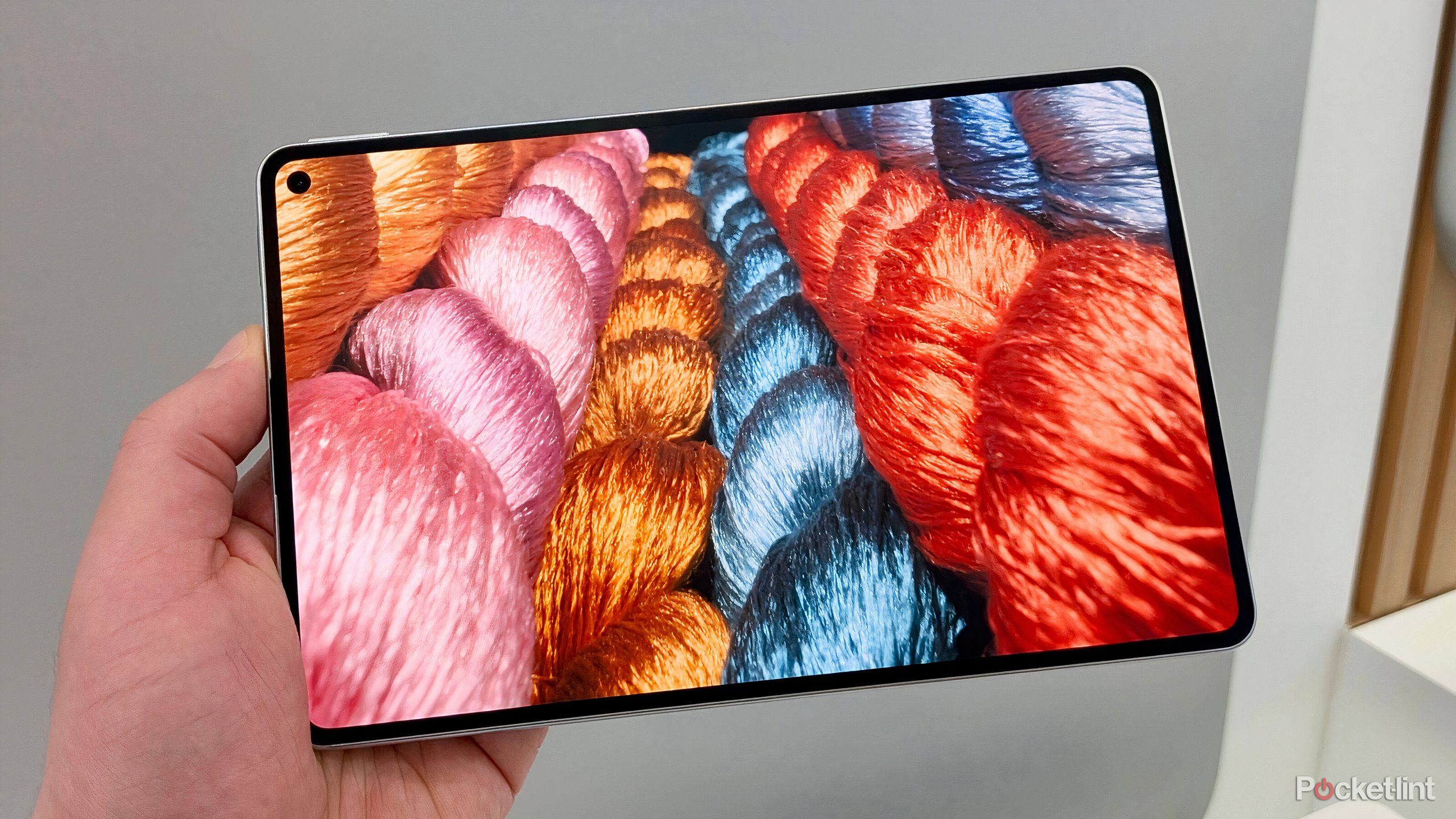
TCL is no stranger to pushing the technological boundaries of consumer-grade display panels. At Mobile World Congress (MWC) 2026, the company has once again taken to the show flow with a variety of unique concept screens, encompassing everything from the ‘world’s brightest OLED mobile display,’ to the ‘world’s narrowest border foldable OLED mobile display,’ and just about everything else in between.
For some time now, TCL has also been heavily focusing on engineering paper-esque LCD panels that are supposed to be easier on the eye, with its in-house NXTPAPER technology appearing on devices like the Note A1, the NXTPAPER 11 Plus, and the 60 XE NXTPAPER 5G. NXTPAPER is conceptually interesting, emulating aspects of the e-paper or E Ink visual experience without sacrificing nearly as much on color vibrancy or responsiveness.
Now, however, TCL is taking a step forward by ushering in the era of next-generation NXTPAPER panels that make use of OLED as opposed to LCD — a significant change that promises to bring about even more vivid and cinematic picture quality and improved brightness levels, while maintaining existing eye comfortability. The company teased a concept NXTPAPER AMOLED phone display at MWC 2026 under the Natural Light moniker (via 9to5Google), while also showcasing two soft light OLED tablet panels that are already shipping overseas on Huawei products (marked under the Flexible OLED PaperMatte Display brand name).
TCL’s soft light OLED panels are a sight to behold
A genuinely disruptive display technology
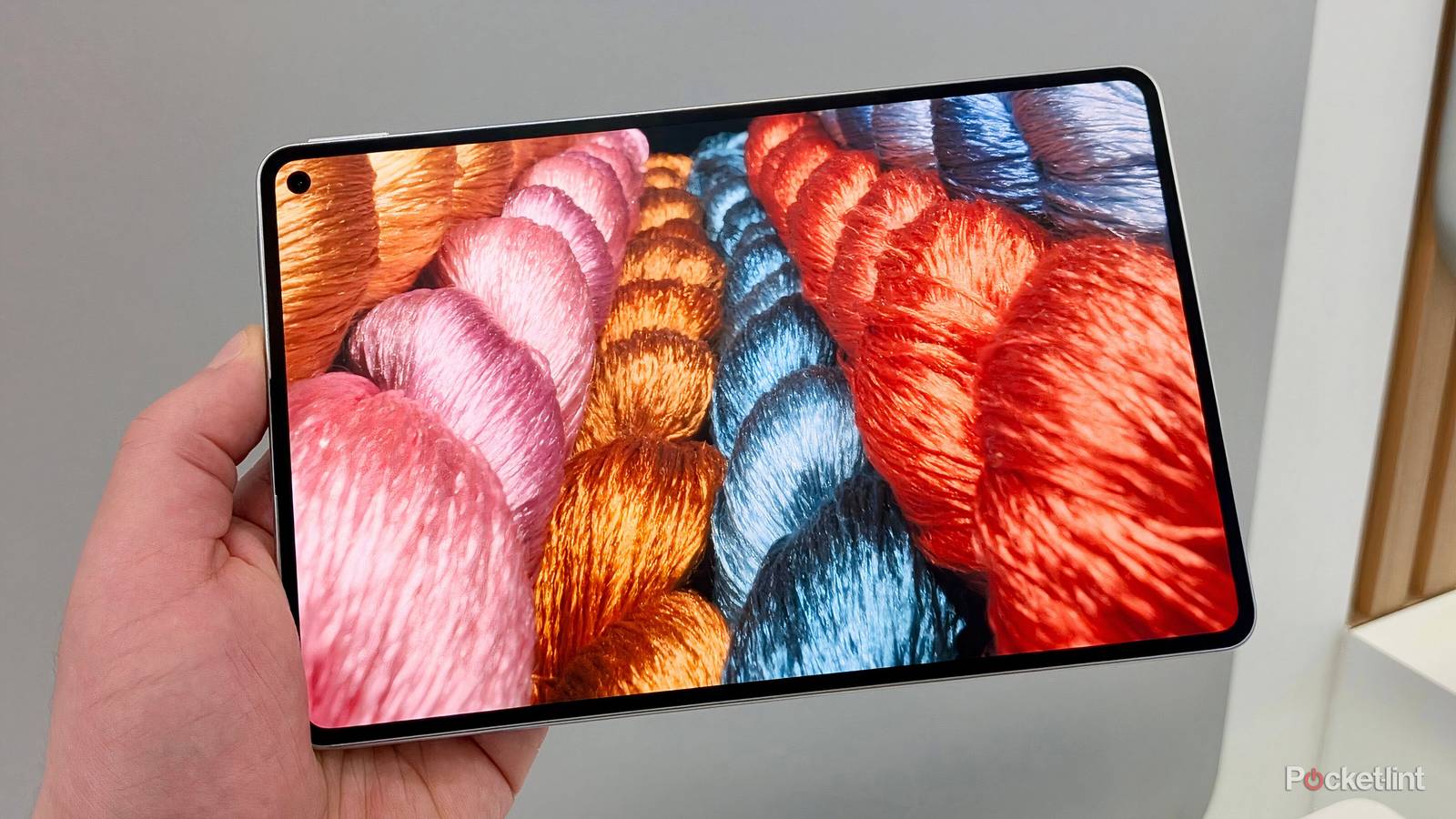
At MWC 2026, I got the chance to go hands-on with two Huawei tablets in particular that don paper-like OLED panels: the ‘3.2K nano-level soft light OLED tablet display (14-inch),’ as well as the ‘world’s narrowest border MP soft-light OLED tablet display (8.8-inch).’ The former display features a 3,200 x 2138 pixel resolution with a pixel density of 275 PPI, while boasting a screen reflectance of less than three percent and a sparkling value of less than three. The latter, meanwhile, measures in at 1,600 x 2560 resolution with a PPI of 343, offers a 120Hz refresh rate, and features an impressive screen-to-body ratio of ninety-two percent with its ultra-narrow bezel design.
In person, these pair of TCL displays are genuinely impressive. When placed side-by-side with their non-soft light counterparts, the ones with the eye comfort and anti-glare treatment look and feel remarkably similar to e-paper. The textured matte finish is silky smooth to the touch, fingerprints are far less prominent overall, and on-screen content looks materially present in a way that simply isn’t conveyable via most other screen technologies out on the market.
…I’d love to see an influx of OLED-based soft light or NXTPAPER AMOLED-based smartphones and tablets hit the US market.
With OLED under the hood, the panels are also bright, vivid, and lightning fast, putting them in a totally different category than the screens found on your average e-reader. The tech also stands apart from other solutions like the iPad Pro’s nano-texture glass OLED configuration, which etches the top layer to scatter light without fully taking into account the rest of the complex display stack. TCL’s NXTPAPER solution leverages glare-reducing AG glass, multiple layers of soft light scattering materials, and other advanced techniques.
Notably, as mentioned, these panels are already available on tablets outside of North America, and so the tech has graduated beyond proof of concept and has achieved mass-production status. With this in mind, and with how visually pleasing the end-result is in person, I’d love to see an influx of OLED-based soft light or NXTPAPER AMOLED-based smartphones and tablets hit the US market. Of course, these types of panels won’t be suitable for every single person (glossy panels have always been ideal in certain contexts), but I feel that most everyday users stand to benefit from the double whammy of reduced glare and reduced eye fatigue