


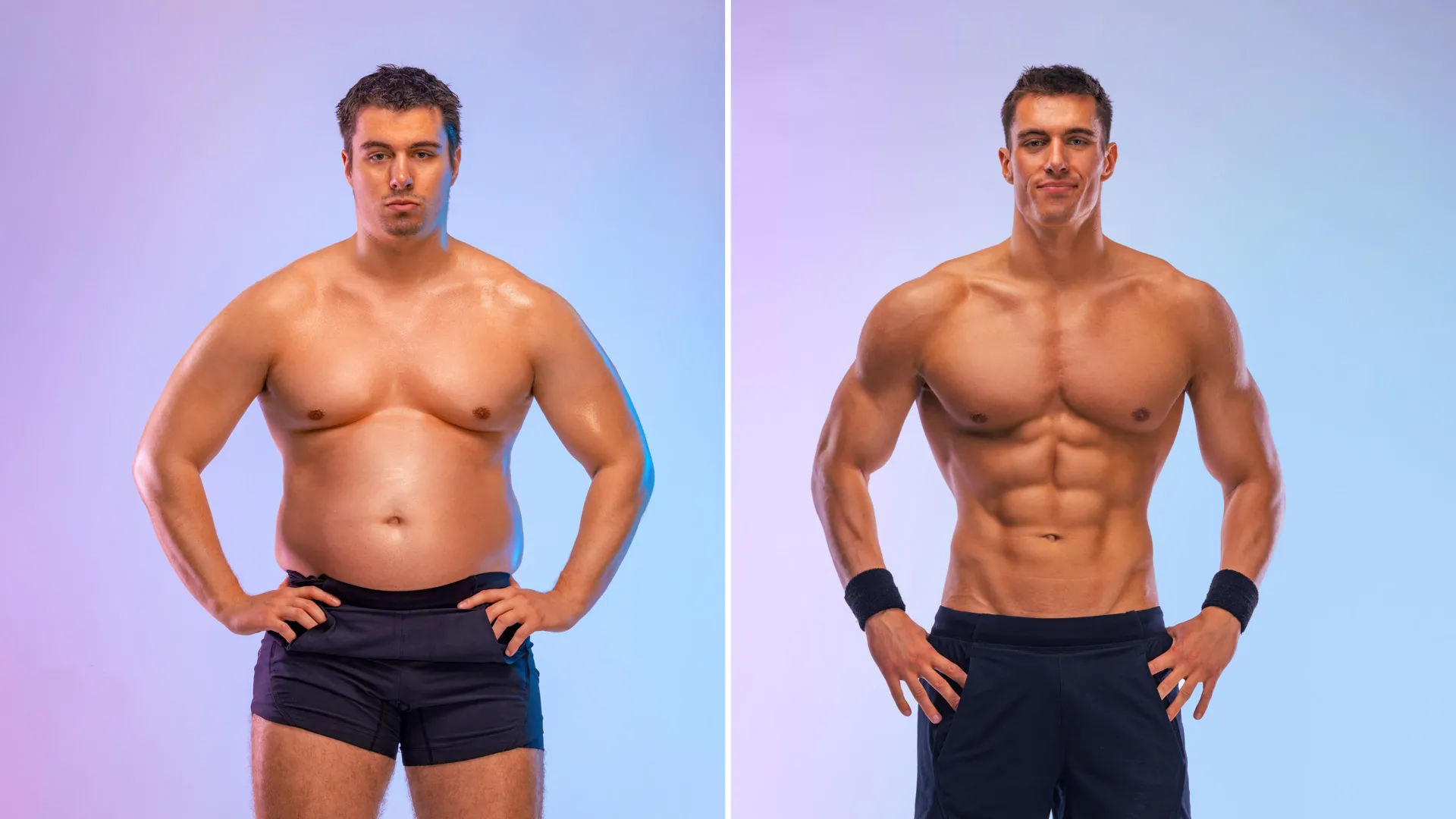
The first major update to resistance training recommendations in 17 years delivers a straightforward message. Even small amounts of resistance training can improve strength, increase muscle size, enhance power, and support overall physical function.
The updated guidance, released by the American College of Sports Medicine (ACSM) as a Position Stand, is built on 137 systematic reviews covering more than 30,000 participants. This makes it the most extensive and evidence-based set of resistance training recommendations to date.
“The best resistance training program is the one you’ll actually stick with,” says Stuart Phillips, distinguished professor in the Department of Kinesiology and an author on the Position Stand. “Training all major muscle groups at least twice a week matters far more than chasing the idea of a ‘perfect’ or complex training plan. Whether it’s barbells, bands, or bodyweight, consistency and effort drive results.”
Updated Guidance Reflects Surge in Strength Research
This update comes after years of growing scientific interest in muscle health and aging. The last ACSM Position Stand on resistance training for healthy adults was published in 2009, before a wave of new research on how strength impacts long term health and well-being.
“The new document reflects that surge in evidence and expands its recommendations to include more people and more types of training than ever before,” Phillips says.
A key takeaway from the updated guidelines is that the biggest benefits often come from a simple starting point. Transitioning from no resistance training to any regular activity can lead to meaningful improvements. While factors such as load, volume, and frequency can be adjusted, experts say the main priority for most adults should be building a routine they can follow consistently.
No Gym Required for Strength and Muscle Gains
Another important shift in the recommendations is the recognition that effective resistance training does not require access to a gym. Exercises using elastic bands, bodyweight movements, or simple at home routines can still produce measurable gains in strength, muscle size, and daily function.
According to Phillips, strict rules about the “ideal” training plan are no longer supported by current evidence. Instead, personal preferences, enjoyment, and the ability to maintain a routine over time are what matter most. This approach is especially important for adults who want to stay strong, healthy, and capable as they age.
Focus on Consistency Over Complexity
Athletes and highly trained individuals may still need more specialized, sport specific programs. However, for most adults, the guidance is clear. Choose a resistance training routine that fits your lifestyle and stick with it over time.
The full ACSM Position Stand is now available in Medicine & Science in Sports & Exercise.