



Thu. Sept. 4, 2025
Transcript:
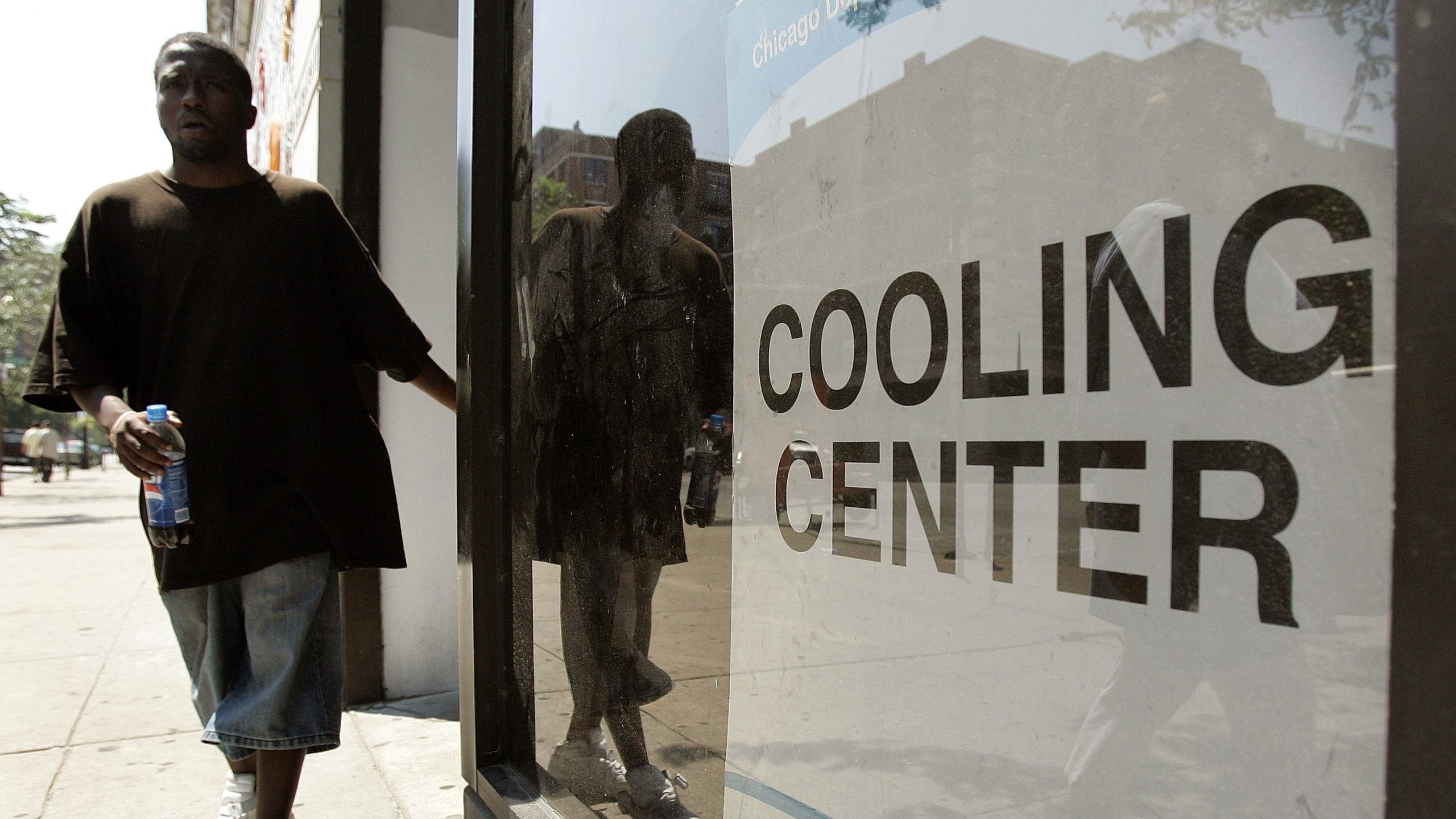
This summer was the 30th anniversary of the deadliest weather event in Chicago’s history – a heat wave that killed more than 700 people.
Horton: “And an analysis of those 700 people that had passed away determined that the majority were Black, often elderly, and particularly vulnerable folks included people living alone.”
Daniel Horton of Northwestern University coleads the Defusing Disasters Working Group, a team formed to help make sure that something similar never happens again.
The group includes researchers and city officials.
Horton: “But we also have a bunch of community members that have lived experience, which is equally, if not more valuable, knowledge when it comes to identifying people in the community that are particularly vulnerable.”
To pinpoint the areas in the city at greatest risk, the group has developed a heat vulnerability index.
It’s based not only on tree cover and air temperature, but also on risk factors that residents brought to the group’s attention – like the distance to a park with a splash pad where kids can play in water to cool off and rates of violent crime, which can make people reluctant to leave their windows open.
So with this information, city officials can better understand the risks and prioritize where solutions are needed most urgently.
Reporting credit: Sarah Kennedy / ChavoBart Digital Media